Understanding the Importance of Kitchen Recessed Lighting
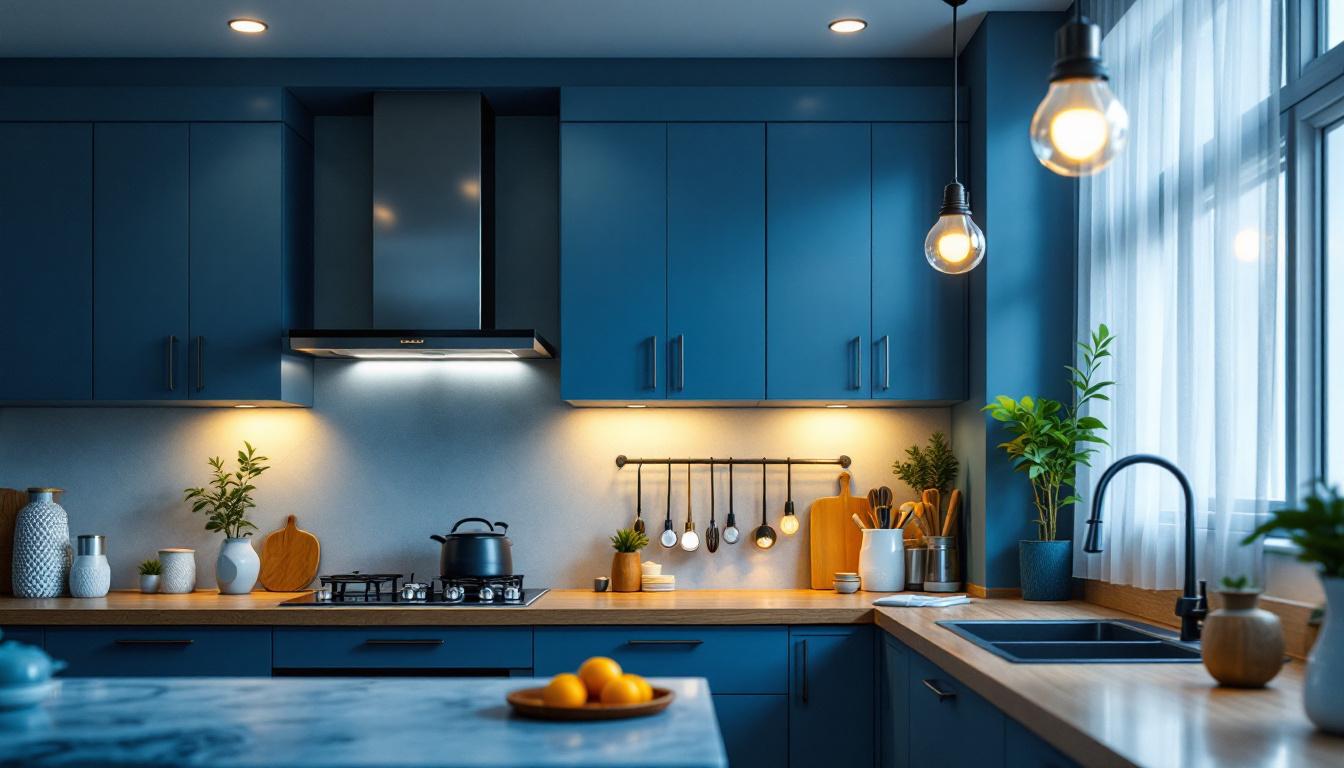
Kitchen recessed lighting plays a pivotal role in both the functionality and aesthetics of one of the most frequently used spaces in any home or commercial environment. For lighting contractors, selecting the right bulbs for these fixtures is not just about illumination—it’s about enhancing the overall experience of the kitchen space. Proper lighting ensures safety, improves task efficiency, and elevates the design appeal.
Unlike other rooms, kitchens demand lighting that balances brightness with warmth, reduces shadows, and complements the cabinetry and countertops. Recessed lighting, often installed in ceilings, offers a sleek, unobtrusive appearance that integrates seamlessly with modern kitchen designs. However, the choice of light bulbs significantly influences the quality and effectiveness of this lighting strategy.
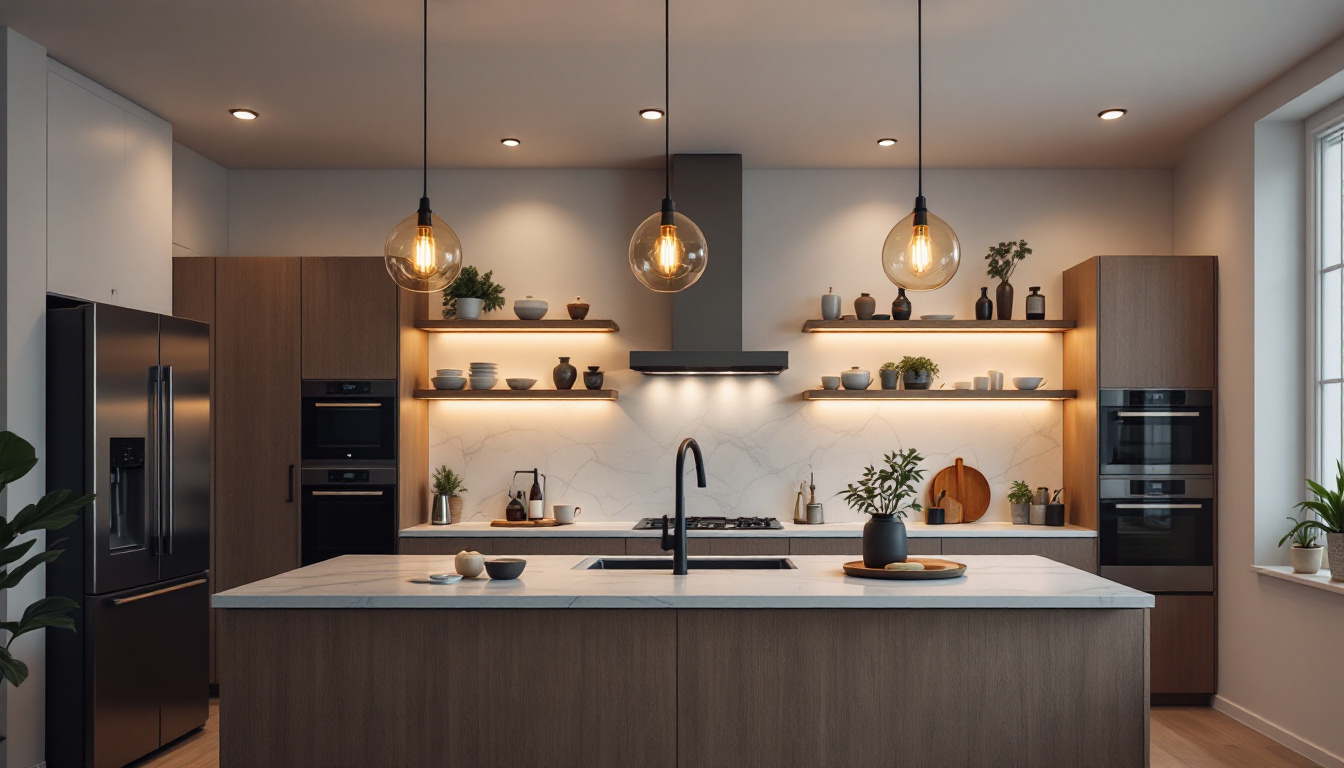
In addition to the aesthetic benefits, recessed lighting can be strategically placed to illuminate specific areas, such as countertops, islands, and dining spaces, making it an essential tool for culinary enthusiasts and families alike. By directing light where it is most needed, homeowners can create a functional workspace that enhances food preparation and cooking experiences. Furthermore, the use of dimmable LED bulbs allows for adjustable brightness levels, enabling the kitchen to transition from a bright, lively atmosphere during meal prep to a softer, more intimate setting for family gatherings or dinner parties.
Moreover, the energy efficiency of modern recessed lighting options cannot be overlooked. With advancements in LED technology, homeowners can enjoy substantial savings on their energy bills while also reducing their carbon footprint. Many LED recessed lights offer a longer lifespan than traditional incandescent bulbs, which means less frequent replacements and less waste. This eco-friendly choice not only supports sustainable living but also aligns with the growing trend of incorporating energy-efficient solutions into home design. As such, selecting the right recessed lighting becomes a crucial consideration for those looking to enhance their kitchen space while being mindful of both style and sustainability.
Key Factors Lighting Contractors Must Consider When Choosing Bulbs
Lumens and Brightness
Lumens measure the amount of light emitted by a bulb, and for kitchen recessed lighting, this is a critical factor. Kitchens typically require bright, clear lighting to facilitate cooking, cleaning, and food preparation tasks. A general guideline is to aim for 70 to 100 lumens per square foot in the kitchen area.
Contractors should recommend bulbs that provide sufficient lumens without causing glare or harshness. LED bulbs have become the industry standard due to their ability to deliver high lumens at lower wattages, ensuring energy efficiency without sacrificing brightness. Additionally, the placement of recessed lighting can significantly affect the overall illumination; strategic positioning can help eliminate shadows and dark spots, creating a more functional workspace. For instance, placing lights directly above key work areas such as countertops and stoves can enhance visibility and safety while cooking.
Color Temperature and Its Impact on Ambiance
Color temperature, measured in Kelvins (K), affects the mood and functionality of kitchen lighting. For recessed lighting, bulbs with a color temperature between 2700K and 3500K are ideal. This range emits a warm to neutral white light that enhances the natural colors of food and kitchen surfaces.
Warmer tones (2700K-3000K) create a cozy, inviting atmosphere, suitable for residential kitchens where ambiance is important. Cooler temperatures (3500K) offer a crisper, more clinical light that is often preferred in commercial kitchens or modern minimalist designs. Furthermore, the ability to adjust color temperature through dimmable LED options or smart lighting systems can provide versatility, allowing homeowners to transition from bright, task-oriented lighting during meal prep to softer, ambient lighting for entertaining guests.
Color Rendering Index (CRI)
The CRI measures a light source’s ability to reveal colors accurately compared to natural light. For kitchen recessed lighting, a CRI of 90 or above is recommended to ensure that food and surfaces appear vibrant and true to life. High CRI bulbs help in distinguishing subtle color differences, which is essential for food preparation and presentation.
Moreover, the importance of CRI extends beyond aesthetics; it can also influence the overall cooking experience. For example, when selecting fresh produce or meats, a high CRI can help chefs and home cooks alike to assess quality and ripeness more accurately. Additionally, in a kitchen where various materials such as wood, metal, and stone are present, high CRI lighting can enhance the beauty of these surfaces, making them more visually appealing and inviting. This is particularly crucial in open-concept designs where the kitchen flows into living areas, as cohesive lighting can unify the entire space.
Emerging Trends in Kitchen Recessed Lighting Bulbs
Advancements in LED Technology
LED technology continues to evolve rapidly, offering lighting contractors a wide array of options that combine efficiency, longevity, and quality. Modern LED bulbs for recessed lighting feature improved heat dissipation, which extends their lifespan and maintains consistent light output over time.
Additionally, tunable white LEDs have gained popularity, allowing users to adjust the color temperature throughout the day. This dynamic lighting capability can simulate natural daylight patterns, enhancing comfort and productivity in the kitchen. The ability to shift from a warm, cozy glow in the morning to a bright, energizing light in the afternoon can significantly affect the mood and functionality of the space, making it more adaptable to various tasks such as meal prep or entertaining guests.
Smart Lighting Integration
Smart bulbs compatible with home automation systems are becoming a standard expectation in contemporary kitchen designs. These bulbs offer customizable brightness and color temperature settings controlled via smartphones or voice assistants. For lighting contractors, understanding how to install and program smart recessed lighting systems is increasingly valuable.
Beyond convenience, smart lighting can contribute to energy savings by enabling scheduled on/off times and motion sensor activation, reducing unnecessary usage. Moreover, the integration of smart lighting with other home systems, such as security and HVAC, allows for a holistic approach to home management. For instance, a smart lighting system can be programmed to simulate occupancy when homeowners are away, enhancing security while also providing an energy-efficient solution.
Eco-Friendly and Sustainable Options
Environmental concerns are driving demand for sustainable lighting solutions. LEDs inherently consume less energy and have longer lifespans than traditional incandescent or halogen bulbs, making them the preferred choice. Additionally, many manufacturers now offer bulbs made with recyclable materials and packaging that reduce environmental impact.
Lighting contractors should stay informed about certifications such as ENERGY STAR and DesignLights Consortium (DLC) listings, which indicate high efficiency and quality standards. Furthermore, the trend toward eco-friendly lighting extends beyond just the bulbs themselves; it encompasses the entire lifecycle of the product. This includes sourcing materials responsibly, minimizing waste during production, and ensuring that end-of-life disposal options are available for consumers. As awareness of sustainability grows, consumers are increasingly seeking out products that align with their values, making it essential for contractors to highlight these features in their offerings.
Technical Considerations for Installation and Maintenance
Compatibility with Existing Fixtures
Not all LED bulbs fit seamlessly into older recessed lighting fixtures. Contractors must verify the size, base type, and heat management capabilities of both the bulb and fixture. For example, retrofit LED bulbs designed specifically for recessed cans can simplify upgrades without requiring fixture replacement.
Ensuring compatibility prevents issues such as flickering, overheating, or reduced bulb lifespan, which can lead to costly callbacks and dissatisfied clients.
Dimming Capabilities
Dimming is a sought-after feature in kitchen lighting, allowing users to adjust brightness for different tasks or moods. However, not all LED bulbs are dimmable, and those that are require compatible dimmer switches. Lighting contractors should specify bulbs and dimmers that work together to avoid flickering or buzzing noises.
Advanced dimming technologies, such as 0-10V dimming and digital addressable lighting interface (DALI), are gaining traction in commercial kitchen installations, offering precise control and integration with building management systems.
Heat Management and Safety
Although LEDs generate less heat than incandescent bulbs, heat buildup can still affect performance and safety, especially in enclosed recessed fixtures. Proper ventilation and heat sinks in bulb design are essential to maintain optimal operating temperatures.
Lighting contractors should educate clients on the importance of using bulbs rated for enclosed fixtures and avoid mixing bulb types in the same fixture to prevent overheating.
Recommendations for Lighting Contractors: Best Bulb Types and Brands
High-Performance LED Bulbs
For most kitchen recessed lighting applications, high-quality LED bulbs with a CRI above 90, color temperature between 2700K and 3500K, and lumens appropriate to the space are the best choice. Look for bulbs with a minimum lifespan of 25,000 hours and ENERGY STAR certification to ensure durability and efficiency.
Brands that consistently receive positive feedback from professionals include those known for reliable color rendering and compatibility with dimmers. Contractors should prioritize products with robust warranties and good manufacturer support.
Specialty Bulbs for Task and Accent Lighting
In addition to general recessed lighting, kitchens often benefit from task-specific illumination over workstations like islands or sinks. Narrow beam angle LED bulbs or adjustable recessed fixtures paired with high-CRI bulbs can enhance visibility where precision is required.
Accent lighting may call for bulbs capable of producing warmer tones or even subtle color variations to highlight architectural features or decorative elements.
Smart Bulbs and Controls
For clients interested in smart home integration, recommend bulbs that support popular protocols such as Zigbee, Z-Wave, or Wi-Fi. Compatibility with major smart home ecosystems ensures ease of use and future-proofing.
Contractors should also be prepared to offer advice on control hubs, switches, and sensors to maximize the benefits of smart recessed lighting systems.
Conclusion: Staying Ahead in Kitchen Lighting Solutions
Lighting contractors who master the latest trends and technical requirements for kitchen recessed lighting bulbs position themselves as trusted experts in their field. By focusing on energy efficiency, color quality, smart technology, and installation best practices, contractors can deliver lighting solutions that satisfy both functional needs and aesthetic desires.
Continuous education on emerging products and standards, combined with hands-on experience, will enable contractors to recommend and install lighting that enhances kitchen environments, improves client satisfaction, and supports sustainable practices.
Illuminate Your Projects with LumenWholesale
Ready to elevate your kitchen recessed lighting projects with the latest trends and high-quality bulbs? Look no further than LumenWholesale for a superior selection of spec-grade lighting products. Our commitment to quality, affordability, and convenience ensures that you have access to the best lighting solutions at wholesale prices. Say goodbye to inflated markups and enjoy the benefits of bulk buying with free shipping. Make the smart choice for your lighting needs and explore our collection at LumenWholesale today, where you can find premium lighting at the best value for all your contracting endeavors.