Understanding the Importance of Staircase Ceiling Lighting
Staircases are more than just functional architectural elements; they are often focal points within a home or commercial space. Proper lighting for staircase ceilings not only enhances safety but also elevates the aesthetic appeal of the entire area. For lighting contractors, mastering the nuances of staircase ceiling illumination is essential to delivering both practical and visually pleasing solutions.
Effective lighting on staircase ceilings must address several critical factors: visibility, ambiance, energy efficiency, and design integration. Poorly lit staircases can lead to accidents, while overly bright or misdirected lighting can cause discomfort or detract from the overall interior design. Therefore, understanding the balance between these elements is key to successful project outcomes.
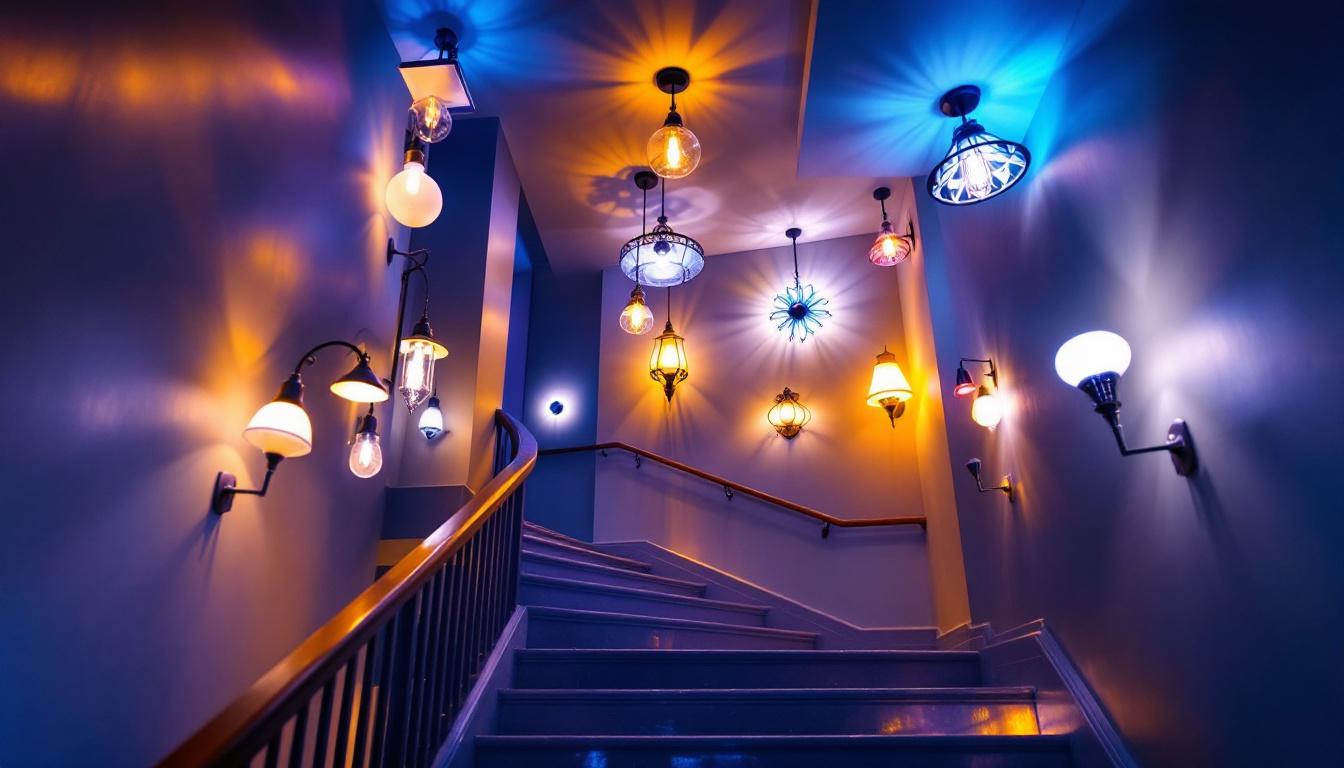
Incorporating various types of lighting fixtures can significantly enhance the staircase experience. For instance, recessed lighting can provide a sleek and modern look while ensuring that each step is well-illuminated. Pendant lights, on the other hand, can add a touch of elegance and serve as a statement piece, drawing the eye upward and creating a sense of height and space. Additionally, using LED strip lights along the edges of the staircase can create a dramatic effect, highlighting the architectural features and adding a layer of safety by clearly marking each step.
Moreover, the choice of color temperature plays a pivotal role in setting the mood of the staircase area. Warmer tones can create a cozy and inviting atmosphere, making the space feel more welcoming, while cooler tones can lend a more contemporary and sophisticated vibe. Smart lighting systems also offer flexibility, allowing homeowners to adjust brightness and color based on the time of day or occasion, further enhancing the functionality and appeal of the staircase. By thoughtfully considering these elements, lighting contractors can transform staircases into not just a means of moving between levels, but an integral part of the overall design narrative of a space.
Key Considerations When Planning Staircase Ceiling Lighting
Safety and Code Compliance
Safety is paramount when designing lighting for staircases. According to industry standards, staircases should be uniformly illuminated to prevent shadows and glare that can obscure steps. Lighting contractors must familiarize themselves with local building codes and regulations, which often specify minimum illumination levels and fixture placement to ensure safe navigation.
For example, the Illuminating Engineering Society (IES) recommends a minimum of 100 lux on stair treads. Achieving this requires careful fixture selection and positioning. Additionally, emergency lighting and backup power sources may be mandated in commercial or multi-residential buildings, adding another layer of complexity to the lighting design.
Fixture Selection and Placement
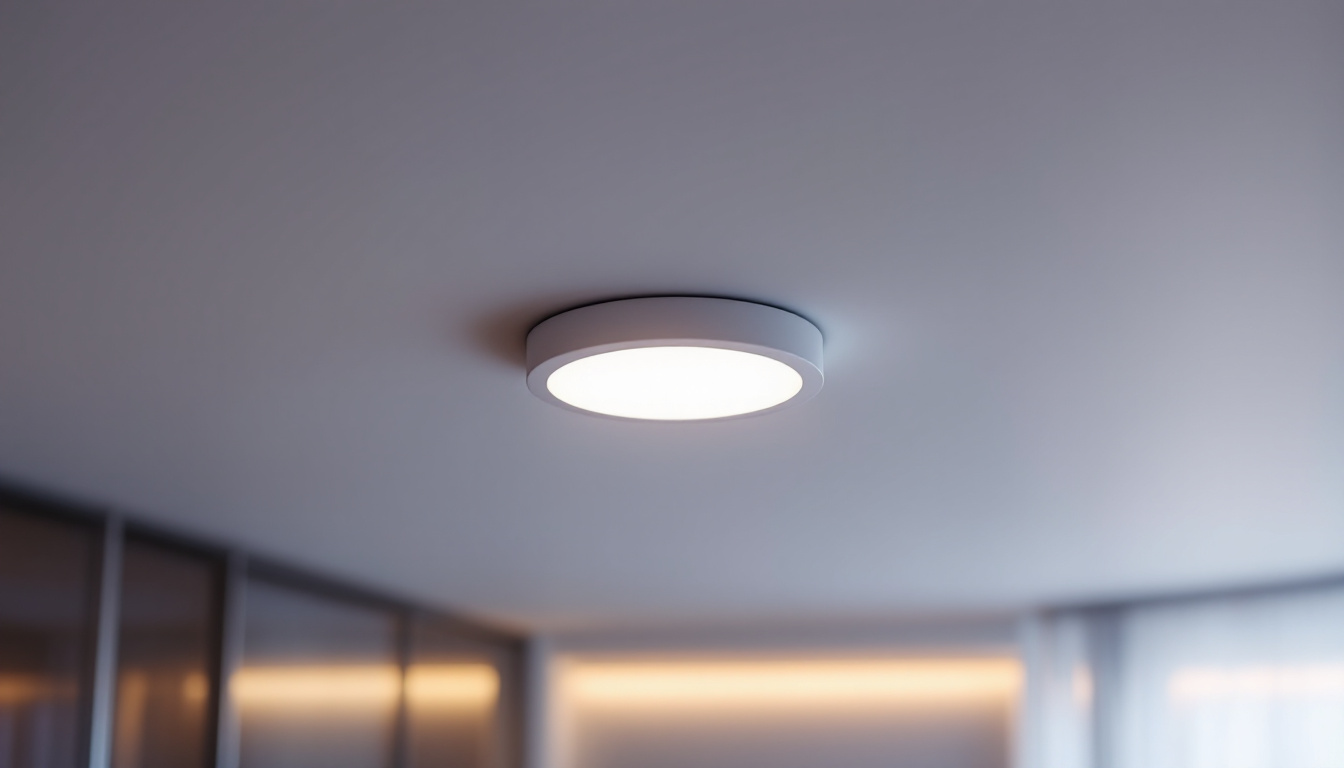
The choice of fixtures plays a crucial role in both function and form. Recessed downlights are a popular choice for staircase ceilings due to their clean, unobtrusive appearance and ability to provide focused illumination. However, the spacing and angle of these fixtures must be meticulously planned to avoid dark spots and uneven lighting.
Alternatively, pendant lights or chandeliers can add a dramatic flair, especially in staircases with high ceilings. These fixtures should be selected with care to complement the architectural style and scale of the staircase, ensuring they do not impede movement or create hazards.
Lighting Controls and Automation
Modern lighting solutions increasingly incorporate controls such as dimmers, motion sensors, and smart automation. For staircases, motion-activated lighting enhances safety by ensuring the area is illuminated only when in use, conserving energy. Dimmers allow for adjustable ambiance, adapting the lighting to different times of day or user preferences.
Integrating these controls requires coordination with electrical systems and an understanding of user behavior patterns. Lighting contractors should advise clients on the benefits and limitations of various control options to tailor solutions effectively.
Design Strategies for Staircase Ceiling Lighting
Layered Lighting Approach
Adopting a layered lighting strategy is a best practice that combines ambient, task, and accent lighting to create a balanced and dynamic environment. Ambient lighting provides overall illumination, typically through ceiling-mounted fixtures or recessed lights. Task lighting focuses on specific areas, such as the stair treads, enhancing visibility. Accent lighting highlights architectural features or artwork near the staircase.
For instance, integrating LED strip lights beneath handrails or along the edges of steps can serve as both task and accent lighting, improving safety while adding subtle visual interest. This approach requires careful coordination to ensure all layers complement each other without causing glare or visual clutter.
Color Temperature and Light Quality
The color temperature of lighting significantly influences the mood and perception of space. Warmer tones (2700K to 3000K) create a cozy, inviting atmosphere suitable for residential staircases, while cooler tones (3500K to 4000K) offer a crisp, modern feel often preferred in commercial settings.
Lighting contractors should also consider the Color Rendering Index (CRI) of fixtures, aiming for a CRI of 80 or above to ensure colors appear natural and vibrant. High-quality LEDs with consistent color output contribute to a polished and professional finish.
Incorporating Natural Light
Where possible, leveraging natural light sources such as skylights or windows near staircases can reduce energy consumption and enhance the space’s ambiance. However, natural light varies throughout the day and seasons, necessitating supplementary artificial lighting to maintain consistent illumination.
Designing ceiling lighting that complements natural light involves selecting fixtures with adjustable brightness and positioning them to minimize shadows during low-light periods. This hybrid approach offers both sustainability and user comfort.
Technical Challenges and Solutions in Staircase Ceiling Lighting
Dealing with Irregular Ceiling Shapes
Many staircases feature ceilings with unique shapes—vaulted, sloped, or with architectural details—that complicate lighting installation. These irregular surfaces can cause uneven light distribution and complicate fixture mounting.
Lighting contractors should employ flexible solutions such as adjustable recessed fixtures or track lighting systems that can be aimed precisely. Custom mounting brackets or specialized fixtures may also be necessary to accommodate unusual angles or heights.
Minimizing Glare and Shadows
Glare and shadows are common issues in staircase lighting that can compromise safety and comfort. Fixtures with diffusers or frosted lenses help soften light output, reducing harshness. Additionally, indirect lighting—where light is bounced off ceilings or walls—can create a more even and gentle illumination.
Contractors should conduct thorough site assessments and use lighting simulation tools to predict and mitigate these issues before installation. Proper fixture placement and beam angle adjustment are critical steps in this process.
Energy Efficiency and Sustainability
Energy-efficient lighting solutions are increasingly demanded by clients and often required by regulations. LED technology is the industry standard due to its longevity, low heat output, and reduced energy consumption compared to incandescent or fluorescent options.
Incorporating daylight sensors, occupancy detectors, and programmable timers further enhances efficiency. Lighting contractors should also consider the environmental impact of materials and disposal methods when selecting fixtures and components.
Collaboration and Communication with Clients
Understanding Client Needs and Preferences
Successful lighting projects begin with a clear understanding of the client’s functional requirements, aesthetic preferences, and budget constraints. For staircase ceiling lighting, this includes discussing usage patterns, desired ambiance, and any special considerations such as accessibility or maintenance concerns.
Contractors should provide visual aids such as mock-ups, 3D renderings, or sample fixtures to help clients make informed decisions. Transparent communication about the pros and cons of different lighting options builds trust and ensures satisfaction.
Coordinating with Other Trades
Lighting installation often intersects with carpentry, electrical, and interior design trades. Coordinating schedules and technical requirements is essential to avoid delays and ensure seamless integration of lighting systems.
For example, ceiling modifications may be necessary to accommodate fixtures, or wiring routes must align with structural elements. Early collaboration and detailed planning prevent costly rework and enhance overall project quality.
Post-Installation Support and Maintenance
Providing clients with guidance on operating lighting controls, performing routine maintenance, and troubleshooting common issues extends the value of the installation. Offering maintenance contracts or follow-up visits can strengthen client relationships and generate repeat business.
Lighting contractors should also document installation details and settings to facilitate future upgrades or repairs, ensuring long-term performance and client satisfaction.
Emerging Trends and Innovations in Staircase Ceiling Lighting
Smart Lighting Integration
The rise of smart home technology has transformed lighting design. Staircase ceiling lighting can now be integrated into centralized control systems, allowing users to customize scenes, schedules, and responses via smartphones or voice commands.
For contractors, this presents opportunities to offer cutting-edge solutions that enhance convenience and energy management. However, it requires staying current with evolving technologies and ensuring compatibility across devices.
Human-Centric Lighting
Human-centric lighting (HCL) focuses on replicating natural light patterns to support circadian rhythms and improve wellbeing. Adjustable color temperature and intensity throughout the day can make staircases more comfortable and visually appealing.
Implementing HCL principles in staircase ceiling lighting involves selecting tunable fixtures and programming control systems accordingly. This approach is gaining traction in both residential and commercial sectors, reflecting a broader trend towards wellness-oriented design.
Advanced Materials and Fixtures
Innovations in materials such as OLED panels and fiber optic lighting offer new possibilities for staircase ceiling illumination. These technologies enable ultra-thin, flexible, and energy-efficient fixtures that can be seamlessly integrated into architectural elements.
While still emerging, these options allow lighting contractors to differentiate their offerings and meet the demands of clients seeking unique and futuristic designs.
Conclusion: Delivering Excellence in Staircase Ceiling Lighting
For lighting contractors, mastering the art and science of staircase ceiling lighting is a multifaceted challenge that blends safety, design, technology, and client collaboration. By adhering to best practices—such as prioritizing safety compliance, selecting appropriate fixtures, employing layered lighting strategies, and embracing emerging trends—contractors can create staircases that are not only well-lit but also visually stunning and energy-efficient.
Continuous education, meticulous planning, and clear communication remain the cornerstones of successful projects. As lighting technology evolves, staying informed and adaptable will empower contractors to meet and exceed client expectations, establishing themselves as trusted experts in this specialized field.
Illuminate Your Staircases with LumenWholesale
Ready to elevate your staircase ceiling lighting projects with the finest selection of spec-grade lighting products? Look no further than LumenWholesale. Our commitment to quality and affordability ensures that you have access to the best lighting solutions on the market. With our direct-to-contractor wholesale pricing, you’ll enjoy top-tier lighting without the inflated markups. Plus, our hassle-free bulk buying process, complete with free shipping, means you can focus on creating stunning, safe, and energy-efficient staircases for your clients. Don’t compromise on quality or value—Wholesale Lighting at the Best Value is just a click away.