Introduction to Electric Hand Dryers in Commercial Bathrooms
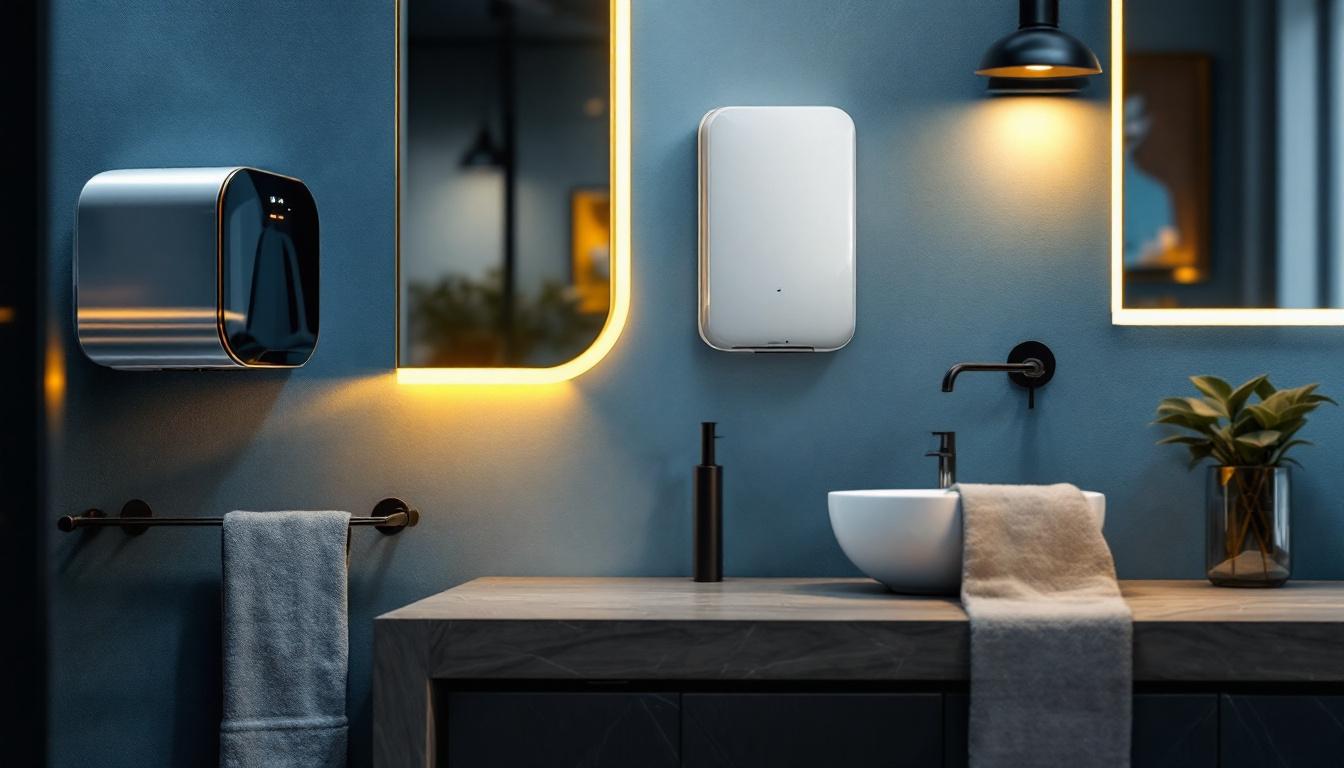
Electric hand dryers have become a staple in modern commercial and public restrooms, offering a hygienic and cost-effective alternative to traditional paper towels. For lighting contractors, understanding the nuances of electric hand dryers is essential, as these devices often integrate with the electrical systems they install and maintain. Beyond mere functionality, hand dryers impact energy consumption, restroom design, and user experience.
This article delves into the critical aspects lighting contractors should consider when specifying, installing, or maintaining electric hand dryers in bathroom environments. From electrical requirements and energy efficiency to noise considerations and compliance standards, this comprehensive guide aims to equip professionals with the knowledge needed to make informed decisions.
One of the primary advantages of electric hand dryers is their potential for reducing waste. Unlike paper towels, which contribute significantly to landfill overflow, hand dryers offer a sustainable solution that aligns with increasing environmental awareness. Many modern models are designed to dry hands quickly and efficiently, minimizing energy usage while maximizing hygiene. This is particularly important in high-traffic areas where the restroom’s cleanliness and user satisfaction are paramount. Additionally, the installation of hand dryers can lead to lower operational costs over time, as businesses can save on the recurring expenses associated with purchasing and disposing of paper towels.
Moreover, the technological advancements in electric hand dryers have led to quieter and more powerful models that enhance the overall restroom experience. Features such as adjustable speed settings, sensor activation, and HEPA filtration systems not only improve hygiene but also cater to diverse user preferences. For lighting contractors, understanding these features is crucial, as they can influence the choice of hand dryer based on the specific needs of the facility. Furthermore, the aesthetic design of hand dryers has evolved, allowing them to seamlessly blend into modern restroom designs, thus contributing to a more cohesive and appealing environment for users.
Electrical Specifications and Installation Considerations
Power Requirements and Circuitry
Electric hand dryers typically operate on voltages ranging from 110V to 240V, depending on the model and regional electrical standards. Many commercial-grade units require dedicated circuits due to their high wattage, which can range from 900 watts for low-speed models to over 2000 watts for high-speed variants. The increased wattage not only affects the power requirements but also influences the drying time, with high-speed dryers often capable of drying hands in as little as 10 to 15 seconds, significantly improving user experience in high-traffic areas.
Lighting contractors must verify the electrical load capacity of the existing infrastructure before installation. Overloading circuits can lead to tripped breakers or, worse, electrical fires. It is advisable to consult the manufacturer’s specifications to ensure the circuit breaker and wiring gauge are appropriate for the dryer’s power draw. Additionally, contractors should consider the potential for future upgrades or additional units, which may necessitate a reevaluation of the electrical system to accommodate increased demand.
Wiring and Mounting Requirements
Most hand dryers are hardwired directly into the building’s electrical system, though some models may come with plug-in options. Hardwiring is generally preferred in commercial settings to prevent tampering and ensure a clean installation. Lighting contractors should also consider the location of the dryer relative to the power source to minimize wiring runs and reduce installation complexity. This strategic placement not only streamlines the installation process but also enhances the overall aesthetic of the restroom, as visible wiring can detract from the design.
Mounting height and placement are critical for accessibility and compliance with regulations such as the Americans with Disabilities Act (ADA). Typically, dryers should be installed between 38 and 48 inches from the floor to the bottom of the unit to accommodate users of varying heights, including those using wheelchairs. Furthermore, it is essential to ensure that the dryer is positioned away from obstructions like doors or partitions, which could impede access. Proper placement also contributes to user safety, as it minimizes the risk of water pooling on the floor, which can lead to slips and falls. Additionally, considering the airflow direction can help optimize drying efficiency and user comfort, ensuring that the airflow is directed toward the hands rather than the face, which could be uncomfortable for some users.
Energy Efficiency and Environmental Impact
Comparing Energy Consumption with Paper Towels
Electric hand dryers are often promoted as environmentally friendly alternatives to paper towels. Studies have shown that high-speed hand dryers consume significantly less energy over their lifecycle compared to the production, transportation, and disposal of paper towels. For lighting contractors advising clients on sustainable building practices, this is a key selling point. In fact, the environmental footprint of paper towels extends beyond just energy consumption; it also includes the resources required for harvesting trees, processing wood pulp, and the water used in manufacturing. By choosing hand dryers, facilities can significantly reduce their overall waste output, contributing to a more sustainable future.
Modern hand dryers utilize advanced motor technology and optimized airflow designs to reduce drying times to under 15 seconds, which minimizes energy use per drying cycle. Some models also feature automatic shut-off sensors that prevent unnecessary operation, further conserving electricity. Furthermore, many high-speed dryers are designed to be quieter than their predecessors, addressing concerns about noise pollution in public restrooms. This combination of efficiency and user comfort makes them an increasingly popular choice in both commercial and residential settings.
Certifications and Energy Ratings
When selecting hand dryers, contractors should look for units with recognized energy efficiency certifications such as ENERGY STAR. These certifications indicate that the product meets stringent energy-saving criteria without compromising performance. Additionally, some manufacturers provide detailed energy consumption data, enabling contractors to calculate potential cost savings for building owners. This transparency not only helps in making informed purchasing decisions but also allows for effective budgeting and financial planning for maintenance and operational costs over time.
Moreover, the integration of smart technology in some hand dryer models is revolutionizing the industry. Features such as real-time energy monitoring and usage analytics can provide valuable insights into restroom traffic patterns and help facilities optimize their operations. By analyzing this data, building managers can make informed decisions about maintenance schedules and even adjust their energy consumption strategies to align with peak usage times, ultimately leading to greater efficiency and reduced costs.
Noise Levels and User Experience
Understanding Noise Ratings
Noise is a significant factor in restroom environments, especially in office buildings, restaurants, and healthcare facilities where ambient sound levels are a concern. Electric hand dryers vary widely in noise output, measured in decibels (dB). High-speed dryers can produce noise levels exceeding 80 dB, which is comparable to city traffic, while quieter models operate closer to 60 dB.
Lighting contractors should assess the acoustics of the restroom space and consider noise-reducing features such as sound insulation or selecting quieter hand dryer models. This attention to detail enhances user comfort and can reduce complaints from building occupants.
Hygiene and Air Quality Considerations
Recent research highlights the importance of hygiene in hand drying methods. Some electric dryers use HEPA filters to capture bacteria and airborne particles, improving air quality in the restroom. Lighting contractors working in healthcare or food service environments should prioritize models with these features to support infection control protocols.
Moreover, touchless activation via infrared sensors reduces contact points, minimizing the risk of cross-contamination. This is particularly relevant in high-traffic restrooms where hygiene is paramount.
Compliance, Safety, and Maintenance
Regulatory Compliance and Building Codes
Electric hand dryers must comply with national and local electrical codes, including grounding and circuit protection requirements. Lighting contractors should ensure that installations adhere to the National Electrical Code (NEC) or equivalent standards applicable in their jurisdiction.
Additionally, compliance with accessibility standards such as the ADA is mandatory. This includes proper mounting height, clear floor space for wheelchair access, and controls that are operable without tight grasping or twisting.
Maintenance and Longevity
Proper maintenance extends the life of electric hand dryers and ensures consistent performance. Lighting contractors should advise building owners on routine cleaning of air filters, sensor calibration, and inspection of electrical connections. Some units come with modular components that simplify repairs and reduce downtime.
Regular maintenance also helps identify potential safety hazards such as loose wiring or worn-out parts, preventing costly failures and ensuring user safety.
Integration with Lighting and Smart Building Systems
Coordinating Electrical Loads
In many commercial projects, lighting contractors are responsible for the entire electrical infrastructure of restrooms. Integrating hand dryers with lighting circuits requires careful load management to avoid overloading breakers. Some advanced hand dryers offer variable power modes or can be programmed to operate during off-peak hours, which can be coordinated with lighting schedules to optimize energy use.
Smart Features and IoT Connectivity
Emerging technologies have introduced smart hand dryers that connect to building management systems (BMS) or the Internet of Things (IoT). These units can monitor usage patterns, energy consumption, and maintenance needs remotely. For lighting contractors involved in smart building installations, understanding these features adds value to their service offerings.
Smart integration also allows for data-driven decisions on restroom maintenance and energy management, aligning with the growing trend toward sustainable and intelligent building design.
Conclusion: Key Takeaways for Lighting Contractors
Electric hand dryers are more than just bathroom accessories; they are integral components of a building’s electrical and environmental systems. For lighting contractors, a thorough understanding of their electrical specifications, energy efficiency, noise levels, and compliance requirements is essential for successful installation and client satisfaction.
By selecting the right models, ensuring proper installation, and coordinating with broader building systems, contractors can contribute to creating restrooms that are efficient, hygienic, and user-friendly. Staying informed about technological advancements and regulatory changes will further empower lighting professionals to deliver high-quality, future-proof solutions.
Upgrade Your Lighting Solutions with LumenWholesale
Ready to elevate your lighting projects with the highest quality products at the most competitive prices? Look no further than LumenWholesale. We specialize in providing contractors with spec-grade lighting essentials that meet rigorous industry standards, ensuring every installation shines with reliability and performance. Say goodbye to middleman markups and hello to unbeatable wholesale value. With our commitment to hassle-free bulk purchasing and free shipping, you can trust LumenWholesale to supply premium lighting solutions that enhance every space. Don’t compromise on quality or cost—discover the best value in wholesale lighting and make your next project a beacon of efficiency and style.