The Evolution of the Lighting Industry and the Role of Lightbulb Companies
The lighting industry has witnessed remarkable transformations over the past few decades, driven by technological advancements, environmental considerations, and changing consumer preferences. At the heart of this evolution are lightbulb companies, whose innovations and strategic initiatives have shaped the way lighting products are designed, manufactured, and distributed.
For lighting contractors, understanding the trajectory of lightbulb companies is essential. These companies not only supply the core products but also influence trends, standards, and sustainability efforts that directly impact project outcomes and client satisfaction.
From Incandescent to LED: A Paradigm Shift
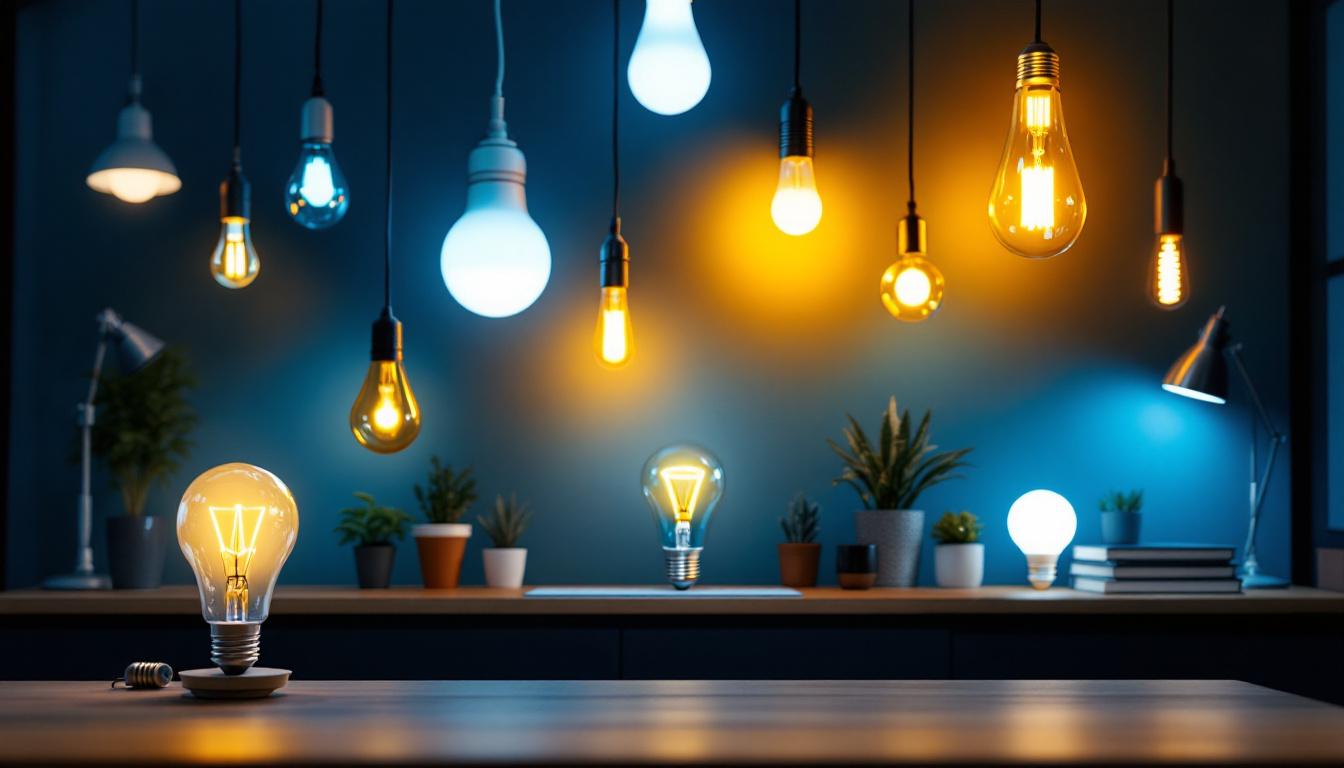
One of the most significant milestones in the lighting industry was the gradual transition from traditional incandescent bulbs to energy-efficient alternatives such as LEDs (Light Emitting Diodes). Lightbulb companies spearheaded this shift by investing heavily in research and development, resulting in products that offer longer lifespans, reduced energy consumption, and enhanced lighting quality.
This transition has profound implications for contractors who must adapt to new installation techniques, compatibility considerations, and client expectations around energy savings and environmental impact. Moreover, the rise of smart lighting technology, which integrates LED systems with home automation, has further complicated the landscape. Contractors now find themselves navigating a world where lighting not only illuminates spaces but also interacts with other smart devices, offering features like remote control, dimming, and color temperature adjustments. This convergence of technology and design has opened up new avenues for creativity and efficiency in lighting projects.
As lightbulb companies continue to innovate, they are also focusing on sustainability in their manufacturing processes. Many are adopting eco-friendly materials and practices to reduce their carbon footprint and meet the growing demand for environmentally responsible products. This shift towards sustainability is not just a trend; it reflects a broader societal movement towards greener living, prompting contractors to consider the lifecycle of lighting products in their projects. By selecting products from manufacturers committed to sustainable practices, contractors can enhance their reputation and appeal to environmentally conscious clients, making sustainability a key selling point in their services.
Innovations Driving the Lighting Industry Forward
Innovation remains a cornerstone of the lighting industry, with lightbulb companies continuously pushing the boundaries to deliver smarter, more efficient, and aesthetically versatile lighting solutions.
Smart Lighting Integration
The rise of smart home and commercial automation has propelled lightbulb companies to develop lighting products that seamlessly integrate with digital ecosystems. Smart bulbs now offer features such as remote control, customizable color temperatures, scheduling, and energy monitoring.
For contractors, this means expanding their expertise to include networked lighting systems and understanding the nuances of compatibility with various smart platforms. The ability to offer smart lighting solutions can differentiate contractors in a competitive market and meet the growing demand for connected environments. Additionally, the integration of voice-activated assistants has made it easier for users to control their lighting with simple commands, enhancing the user experience and making homes more accessible for individuals with disabilities.
Furthermore, the development of smart lighting applications allows users to create personalized lighting scenes for different activities, such as reading, entertaining, or relaxing. This level of customization not only enhances the ambiance of a space but also promotes energy savings by allowing users to fine-tune their lighting needs based on the time of day or specific tasks. As more consumers embrace smart technology, the potential for growth in this sector remains substantial, encouraging contractors to stay informed about the latest trends and products.
Advancements in Lighting Quality and Design
Beyond energy efficiency, lightbulb companies have focused on improving the quality of light to enhance human comfort and productivity. Innovations include tunable white lighting that adjusts color temperature throughout the day, high color rendering index (CRI) bulbs that faithfully reproduce colors, and designs that minimize glare and flicker.
Contractors benefit from these advancements by being able to recommend lighting solutions that improve occupant well-being and comply with increasingly stringent lighting standards in commercial and residential projects. For instance, the introduction of circadian lighting systems that mimic natural daylight patterns has been shown to boost mood and cognitive performance, making them particularly appealing for office environments and educational institutions.
Moreover, the aesthetic aspect of lighting design has not been overlooked, with manufacturers creating fixtures that serve as both functional and decorative elements. From sleek, minimalist designs to bold, artistic statements, the variety of options available allows contractors to cater to diverse client preferences while ensuring that the lighting complements the overall design scheme. This focus on aesthetics, combined with advanced technology, positions lighting as a critical element of interior design, influencing how spaces are perceived and experienced.
The Growing Importance of Sustainability and Regulatory Compliance
Environmental sustainability has become a pivotal concern in the lighting industry, influencing product development, manufacturing processes, and end-of-life management. Lightbulb companies are at the forefront of these efforts, aligning their strategies with global sustainability goals and regulatory frameworks. As awareness of climate change and environmental degradation continues to rise, consumers and businesses alike are demanding more eco-friendly options, prompting manufacturers to innovate and adapt.
Energy Efficiency Standards and Certifications
Lightbulb companies actively pursue certifications such as ENERGY STAR, DLC (DesignLights Consortium), and others that validate the energy performance and quality of their products. These certifications are crucial for contractors who must ensure that their lighting installations meet client requirements and comply with local codes. With energy costs on the rise, the importance of energy-efficient lighting solutions cannot be overstated, as they not only help reduce utility bills but also contribute to lower greenhouse gas emissions.
Moreover, adherence to these standards often translates into eligibility for rebates and incentives, which can be a compelling selling point during project proposals. Many states and municipalities offer financial incentives for energy-efficient upgrades, making it easier for contractors to convince clients to invest in sustainable lighting solutions. By highlighting these benefits, contractors can position themselves as knowledgeable partners who are not only aware of the latest technologies but also committed to helping clients achieve their sustainability goals.
Eco-Friendly Materials and Circular Economy Initiatives
In addition to energy efficiency, many lightbulb companies are innovating in the use of sustainable materials and embracing circular economy principles. This includes designing bulbs that are easier to recycle, reducing hazardous substances, and implementing take-back programs. The shift towards using recyclable materials not only minimizes waste but also encourages a more responsible consumption model, where products are designed with their entire lifecycle in mind. This approach fosters a culture of sustainability that resonates with environmentally conscious consumers.
Contractors who partner with companies committed to sustainability can enhance their reputation and contribute to reducing the environmental footprint of their projects. By selecting products made from eco-friendly materials, contractors can showcase their commitment to sustainability, which can be a significant differentiator in a competitive market. Furthermore, as more clients prioritize sustainability in their purchasing decisions, contractors who align with these values are likely to see increased demand for their services, driving both profitability and positive environmental impact.
Supply Chain Dynamics and the Contractor’s Perspective
The global supply chain has experienced unprecedented challenges, affecting the availability and pricing of lighting products. Lightbulb companies have had to adapt by diversifying suppliers, increasing inventory buffers, and enhancing logistics capabilities.
Ensuring Product Availability and Timely Delivery
For contractors, reliable access to lighting products is critical to maintaining project schedules and budgets. Lightbulb companies that demonstrate resilience in their supply chains provide a competitive advantage by minimizing delays and ensuring consistent product quality.
Building strong relationships with these companies can also facilitate better communication and support during project execution.
Customization and Technical Support
Many lightbulb companies now offer tailored solutions to meet specific project requirements, including custom wattages, color temperatures, and form factors. Additionally, enhanced technical support services help contractors navigate complex installations and troubleshoot issues efficiently.
These value-added services empower contractors to deliver superior results and foster long-term client satisfaction.
Market Trends and Future Outlook
The lighting industry continues to evolve rapidly, with emerging trends that lightbulb companies are actively embracing to stay ahead.
Human-Centric Lighting and Wellness
Human-centric lighting, which aligns artificial lighting with natural circadian rhythms, is gaining traction. Lightbulb companies are developing products that support health and wellness, such as bulbs that adjust intensity and spectrum to promote alertness during the day and relaxation in the evening.
Contractors can leverage this trend by recommending lighting solutions that enhance occupant experience, particularly in healthcare, education, and office environments.
Integration with Renewable Energy Systems
As renewable energy adoption grows, lightbulb companies are designing products optimized for solar-powered and off-grid applications. These solutions often feature low power consumption and compatibility with energy storage systems.
Contractors working on sustainable building projects will find these products invaluable in delivering comprehensive green solutions.
Continued Digitalization and Data-Driven Lighting
The future of lighting is increasingly digital, with lightbulb companies incorporating sensors, IoT connectivity, and data analytics into their products. This enables intelligent lighting management that can adapt to occupancy, daylight availability, and energy usage patterns.
Contractors equipped to implement these advanced systems can offer clients enhanced control, efficiency, and insights, positioning themselves as leaders in the industry.
Conclusion: Strategic Partnerships with Lightbulb Companies Empower Contractors
The growing importance of lightbulb companies in the lighting industry cannot be overstated. Their innovations, commitment to sustainability, and adaptability to market dynamics directly influence the capabilities and success of lighting contractors.
By staying informed about the latest developments, fostering strong partnerships with reputable lightbulb companies, and embracing emerging trends, contractors can enhance their service offerings, improve project outcomes, and meet the evolving demands of their clients.
In a competitive and rapidly changing industry, the collaboration between lighting contractors and lightbulb companies is a key driver of progress and excellence.
Partner with LumenWholesale for Your Lighting Needs
As the lighting industry continues to advance, LumenWholesale stands ready to support contractors with exceptional, spec-grade lighting products at the best wholesale prices. Our commitment to quality, sustainability, and affordability aligns with the evolving demands of the lighting industry, ensuring you have access to the latest innovations without the burden of inflated costs. With free shipping on bulk orders, LumenWholesale is your go-to source for premium lighting solutions that meet the highest industry standards. Elevate your lighting projects and delight your clients by choosing Wholesale Lighting at the Best Value with LumenWholesale.