Introduction to Smart Lighting Switches
As the lighting industry evolves, smart lighting switches have emerged as a pivotal technology for lighting contractors. These devices not only enhance the functionality of lighting systems but also offer significant benefits in terms of energy efficiency, user convenience, and system integration. For professionals tasked with installing, maintaining, and upgrading lighting infrastructure, understanding smart lighting switches is essential to stay competitive and deliver value to clients.
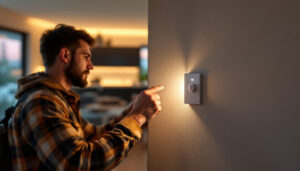
Smart lighting switches are electronic devices that replace traditional wall switches, enabling remote control, automation, and customization of lighting. They connect to home or commercial networks via Wi-Fi, Zigbee, Z-Wave, or other communication protocols, allowing users to control lights through smartphones, voice assistants, or pre-set schedules. This technological advancement has transformed the way lighting contractors approach installations and client consultations.
One of the standout features of smart lighting switches is their ability to integrate seamlessly with other smart home devices, creating a cohesive ecosystem that enhances the overall user experience. For instance, when paired with smart thermostats or security systems, these switches can be programmed to adjust lighting based on occupancy or time of day, thereby maximizing energy savings and improving security. This level of integration not only appeals to environmentally conscious clients but also opens up new avenues for contractors to offer comprehensive smart home solutions that go beyond mere lighting control.
Moreover, the user interface of smart lighting switches has evolved significantly, making them more accessible to a broader audience. Many models now feature touch-sensitive controls, customizable LED indicators, and even mobile apps that provide real-time feedback on energy consumption and lighting patterns. This data-driven approach empowers users to make informed decisions about their lighting usage, further promoting energy efficiency. As a result, lighting contractors must familiarize themselves with the various features and functionalities of these devices to effectively communicate their benefits to clients, ensuring that installations not only meet aesthetic preferences but also align with sustainable practices.
Why Smart Lighting Switches Matter to Lighting Contractors
Meeting Growing Consumer Demand
Consumers and businesses increasingly seek smart home and building solutions that offer convenience, energy savings, and enhanced control. According to industry reports, the global smart lighting market is expanding rapidly, driven by rising adoption of IoT devices and smart home ecosystems. Lighting contractors who integrate smart switches into their service offerings can capitalize on this trend, attracting tech-savvy clients and expanding their market reach.
Moreover, smart switches appeal to a diverse customer base, from homeowners wanting simple voice control to commercial clients seeking complex lighting automation for energy management. Contractors equipped with knowledge and experience in smart switches can tailor solutions to meet these varied needs, positioning themselves as trusted advisors rather than just installers. This adaptability not only enhances customer satisfaction but also fosters long-term relationships, as clients are more likely to return for future upgrades or additional services when they feel understood and valued.
Furthermore, the rise of smart home technology has led to increased consumer awareness about energy efficiency and sustainability. Many clients are now looking for solutions that not only enhance their living or working environments but also contribute to reducing their carbon footprint. By offering smart lighting switches that can be programmed to optimize energy usage, contractors can help clients achieve their sustainability goals while also appealing to a growing demographic that prioritizes eco-friendly solutions.
Enhancing Project Value and Efficiency
Smart lighting switches enable contractors to offer more sophisticated lighting systems without extensive rewiring or infrastructure changes. This reduces labor time and project costs while increasing the perceived value of the installation. For example, replacing a standard switch with a smart switch that supports dimming, scene setting, and remote access can significantly elevate the functionality of a lighting system.
Additionally, smart switches often come with diagnostic and monitoring capabilities, allowing contractors to troubleshoot issues remotely or provide proactive maintenance services. This can lead to stronger client relationships and recurring business opportunities. By offering ongoing support and maintenance, contractors can establish themselves as essential partners in their clients’ lighting solutions, ensuring that systems remain up-to-date and fully functional over time.
Moreover, the integration of smart lighting with other smart home technologies, such as security systems and HVAC controls, allows contractors to provide comprehensive solutions that enhance overall home automation. This interconnectedness not only simplifies the user experience but also opens up new avenues for contractors to showcase their expertise in creating cohesive smart environments. As technology continues to evolve, those contractors who stay ahead of the curve by embracing these innovations will find themselves well-positioned in a competitive market.
Key Features and Technologies in Smart Lighting Switches
Connectivity Protocols
Understanding the communication standards behind smart lighting switches is crucial for contractors. The most common protocols include Wi-Fi, Zigbee, Z-Wave, and Bluetooth. Each has distinct advantages:
- Wi-Fi: Offers direct connection to home networks without a hub, ideal for simple installations but can be bandwidth-intensive.
- Zigbee and Z-Wave: Require a central hub but provide mesh networking, which enhances reliability and range, especially in larger buildings.
- Bluetooth: Suitable for localized control and easy setup but limited in range compared to mesh networks.
Lighting contractors should assess client needs and existing infrastructure to recommend the appropriate protocol, ensuring optimal performance and compatibility.
Control Options and User Interfaces
Smart switches offer multiple control methods beyond traditional toggling:
- Mobile Apps: Allow users to control lighting remotely, set schedules, and create automation rules.
- Voice Control: Integration with voice assistants like Amazon Alexa, Google Assistant, and Apple HomeKit enhances accessibility.
- Physical Controls: Many smart switches retain tactile buttons or touch-sensitive panels for manual operation.
Contractors should familiarize themselves with these interfaces to guide clients on usability and ensure seamless integration into daily routines.
Energy Management and Automation
One of the most compelling benefits of smart lighting switches is their ability to contribute to energy savings. Features such as occupancy sensing, daylight harvesting, and programmable scenes allow lights to operate only when needed and at optimal brightness levels.
For commercial projects, these capabilities can translate into substantial cost reductions and compliance with energy codes or green building standards. Lighting contractors who can design and implement such systems add measurable value to their services.
Installation Considerations for Lighting Contractors
Compatibility with Existing Wiring and Fixtures
Smart lighting switches often require a neutral wire for power, which is not always present in older buildings. Contractors must evaluate the existing wiring infrastructure before recommending or installing smart switches. In some cases, rewiring or alternative device selection may be necessary.
Additionally, compatibility with LED, CFL, or incandescent bulbs should be verified to prevent flickering or operational issues. Understanding these technical details is critical to ensuring client satisfaction and avoiding callbacks.
Integration with Building Automation Systems
For commercial and high-end residential projects, smart lighting switches may need to integrate with broader building automation or security systems. Lighting contractors should be proficient in configuring these integrations, often involving protocols like BACnet or KNX, or platforms such as Control4 or Crestron.
This expertise enables contractors to deliver comprehensive solutions that enhance building functionality and user experience, further differentiating their services.
Safety and Code Compliance
Installation of smart lighting switches must adhere to local electrical codes and safety standards. Contractors should stay updated on regulations related to low-voltage wiring, surge protection, and device certification. Proper installation not only ensures safety but also maintains warranty coverage and reduces liability.
Best Practices for Lighting Contractors Working with Smart Switches
Client Education and Demonstration
Smart lighting technology can be complex for end users unfamiliar with IoT devices. Lighting contractors should allocate time to educate clients on the functionality, benefits, and operation of smart switches. Demonstrations during installation or handover help build confidence and reduce support calls.
Providing clear documentation, including app setup guides and troubleshooting tips, further enhances the client experience.
Staying Current with Technology Trends
The smart lighting landscape is dynamic, with frequent updates in hardware, software, and communication standards. Contractors should invest in ongoing training and certifications from manufacturers or industry organizations. Participating in trade shows, webinars, and professional networks helps maintain expertise and discover emerging products.
Such commitment to professional development ensures contractors can recommend the best solutions and maintain a competitive edge.
Offering Value-Added Services
Beyond installation, lighting contractors can expand their service portfolio by offering maintenance contracts, system upgrades, and remote monitoring. Smart lighting switches often support firmware updates and diagnostics that enable proactive service delivery.
These value-added services foster long-term client relationships and generate recurring revenue streams.
Case Studies Demonstrating the Impact of Smart Lighting Switches
Residential Retrofit Project
A lighting contractor was engaged to upgrade the lighting system in a mid-sized home lacking smart capabilities. By installing smart lighting switches compatible with the homeowner’s existing Wi-Fi network, the contractor enabled remote control and voice activation without rewiring. The client reported enhanced convenience and a noticeable reduction in energy bills, validating the investment.
Commercial Office Building Automation
In a multi-floor office building, a contractor implemented smart lighting switches integrated with occupancy sensors and daylight harvesting controls. The system adjusted lighting dynamically based on presence and natural light availability, resulting in a 30% reduction in lighting energy consumption. The project also improved occupant comfort and contributed to the building’s sustainability certification.
Conclusion
Smart lighting switches represent a transformative tool for lighting contractors, offering opportunities to enhance project outcomes, meet evolving client expectations, and grow business. Mastery of their features, installation requirements, and integration capabilities is essential for professionals aiming to deliver modern, efficient, and user-friendly lighting solutions.
By embracing smart lighting technology, contractors not only improve the quality and functionality of their installations but also position themselves as leaders in an increasingly connected and energy-conscious market.
Upgrade Your Lighting Projects with LumenWholesale
Ready to take your lighting installations to the next level? LumenWholesale is here to support your journey into the smart lighting revolution. With our extensive selection of high-quality, spec-grade lighting products, you can confidently meet the growing demand for smart lighting solutions. Enjoy unbeatable wholesale prices and the convenience of bulk buying without the hassle of hidden fees or inflated markups. Plus, with free shipping on your orders, you can provide your clients with the best value in lighting technology. Elevate your lighting projects today by visiting Wholesale Lighting at the Best Value and discover the LumenWholesale difference.