Understanding Halogen Recessed Lighting: A Foundation for Contractors
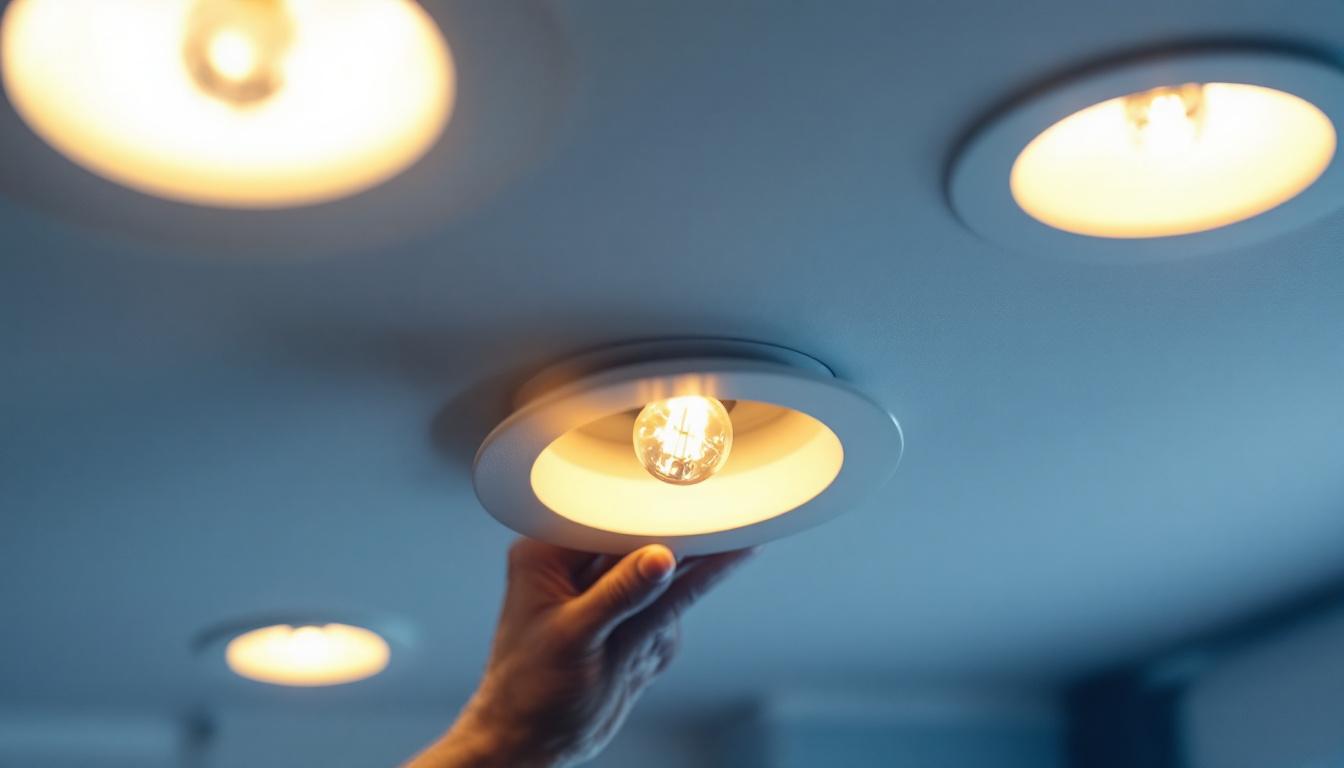
Halogen recessed lighting remains a popular choice among lighting contractors due to its bright, crisp illumination and versatility. Unlike traditional incandescent bulbs, halogen lamps use halogen gas to increase efficiency and lifespan, offering a more intense light output that is ideal for accent, task, and ambient lighting applications.
For contractors, mastering the nuances of halogen recessed lighting is essential. These fixtures are often installed in ceilings to provide a clean, unobtrusive look while delivering focused light. However, their installation and maintenance come with specific considerations that impact performance, safety, and client satisfaction.
Before diving into installation, it’s important to understand the technical aspects of halogen bulbs, including their wattage, heat output, and compatibility with dimmers and transformers. This foundational knowledge helps contractors make informed decisions that optimize lighting design and functionality.
Additionally, contractors should be aware of the various types of halogen recessed fixtures available on the market. From adjustable gimbal mounts that allow for directional lighting to fixed trims that provide a more streamlined appearance, each option serves different aesthetic and functional purposes. Understanding these variations not only enhances the contractor’s ability to meet client needs but also opens up possibilities for creative lighting designs that can elevate a space. Furthermore, the choice of trim finishes—such as white, black, or metallic—can significantly influence the overall look of a room, making it crucial for contractors to discuss these options with their clients.
Moreover, energy efficiency is a growing concern in the lighting industry, and halogen recessed lighting has made strides in this area. While halogen bulbs are more efficient than traditional incandescent bulbs, they still produce a considerable amount of heat, which can impact energy consumption and cooling costs in a home. Contractors should educate clients about the importance of proper insulation and ventilation around these fixtures to mitigate heat buildup and ensure optimal performance. This knowledge not only enhances the contractor’s credibility but also fosters trust and satisfaction among clients who are increasingly seeking sustainable and cost-effective lighting solutions.
Do’s: Best Practices for Installing Halogen Recessed Lighting
Do Choose the Right Fixture and Bulb Type
Selecting the appropriate fixture and bulb is critical. Halogen recessed lights come in various sizes and trims, each suited for different ceiling types and lighting effects. For example, adjustable trims allow directional lighting, which is perfect for highlighting artwork or architectural features. Additionally, the choice of trim can significantly influence the overall aesthetic of a space; sleek, modern trims can complement contemporary interiors, while more ornate designs can enhance traditional settings.
Contractors should also consider the bulb’s wattage and beam angle. Higher wattages produce brighter light but generate more heat, requiring fixtures rated for such use. Beam angles affect the spread of light; narrow beams are ideal for accent lighting, while wider beams suit general illumination. Furthermore, experimenting with different bulb types, such as frosted or clear glass, can alter the light’s quality and warmth, creating a more inviting atmosphere tailored to the client’s preferences.
Do Ensure Proper Heat Management
Halogen bulbs generate significant heat, which can pose fire risks if not managed properly. It is essential to install fixtures with adequate clearance from insulation and combustible materials. Many halogen recessed fixtures are rated as IC (Insulation Contact) or non-IC, indicating whether they can safely be covered with insulation. This distinction is crucial, as improper installation can lead to overheating and potential hazards, making it imperative to educate clients on the importance of this aspect.
Using IC-rated fixtures in insulated ceilings prevents overheating, while non-IC fixtures require a minimum clearance. Contractors should always follow manufacturer guidelines and local building codes to avoid hazards and ensure longevity of the lighting system. Additionally, incorporating thermal protection devices can provide an extra layer of safety, automatically shutting off the fixture if temperatures exceed safe levels, thereby protecting both the fixture and the surrounding materials.
Do Use Compatible Dimmers and Transformers
Halogen bulbs are dimmable, but only with compatible dimmer switches and transformers. Using incompatible dimmers can cause flickering, buzzing, or reduced bulb life. Contractors should specify low-voltage electronic transformers designed for halogen lamps and pair them with dimmers rated for inductive or electronic loads. This attention to detail not only enhances the performance of the lighting system but also ensures a seamless user experience for clients.
Testing the dimming system before final installation can prevent costly callbacks and enhance client satisfaction. Additionally, advising clients on the benefits of dimming, such as energy savings and mood lighting, adds value to the service provided. Educating clients about the versatility of dimmable lighting can inspire them to experiment with different lighting scenarios, transforming their spaces for various occasions, from cozy family gatherings to vibrant parties.
Do Plan for Accessibility and Maintenance
Recessed lighting fixtures should be installed with maintenance in mind. Halogen bulbs typically have shorter lifespans compared to LEDs, meaning they require more frequent replacement. Ensuring easy access to fixtures without damaging ceilings or walls saves time and reduces service costs. This foresight not only benefits the contractor but also enhances the client’s experience by minimizing disruption during maintenance tasks.
Contractors should communicate maintenance expectations to clients, including the importance of using the correct replacement bulbs and inspecting fixtures periodically for heat damage or electrical issues. Providing clients with a simple maintenance schedule can help them keep track of when to check their lighting systems, ensuring optimal performance and safety. Additionally, offering a follow-up service or maintenance plan can foster long-term relationships and encourage repeat business, as clients appreciate the ongoing support and expertise.
Don’ts: Common Pitfalls to Avoid with Halogen Recessed Lighting
Don’t Overload Circuits or Use Incorrect Wiring
Halogen lighting, especially in larger installations, can draw significant electrical current. Overloading circuits or using improper wiring can lead to tripped breakers, electrical fires, or damage to the lighting system.
Contractors must calculate the total wattage of all fixtures on a circuit and ensure wiring complies with electrical codes. Using wire gauges appropriate for the load and installing dedicated circuits for large halogen arrays enhances safety and reliability.
Don’t Ignore Heat Dissipation Requirements
Failing to account for heat dissipation is one of the most common mistakes. Halogen bulbs can reach temperatures exceeding 500°F, which can damage ceiling materials or pose fire hazards if fixtures are improperly installed.
Contractors should never cover non-IC-rated fixtures with insulation or place them too close to flammable materials. Using heat shields or barriers where necessary and verifying clearance distances prevents accidents and preserves the structural integrity of the installation site.
Don’t Neglect Proper Ventilation
In addition to clearance, proper ventilation around recessed fixtures is crucial. Poor ventilation traps heat, reducing bulb life and increasing fire risk. This is particularly important in tight attic spaces or insulated ceilings.
Contractors should design installations that allow airflow around fixtures or use specialized housings designed for enclosed or insulated spaces. This practice not only improves safety but also enhances the efficiency and lifespan of halogen bulbs.
Don’t Use Halogen Lighting in Inappropriate Applications
While halogen recessed lighting offers excellent brightness and color rendering, it is not suitable for every environment. For example, in damp or wet locations such as bathrooms or outdoor soffits, halogen fixtures must have appropriate ratings to prevent moisture damage and electrical hazards.
Additionally, halogen bulbs are less energy-efficient compared to LED alternatives, so in applications where energy conservation is a priority, contractors should consider recommending LED recessed lighting. Understanding when to specify halogen versus other technologies ensures optimal performance and client satisfaction.
Advanced Tips for Lighting Contractors Working with Halogen Recessed Lighting
Incorporate Layered Lighting Designs
Halogen recessed lighting excels in layered lighting schemes, combining ambient, task, and accent lighting to create dynamic spaces. Contractors should collaborate with designers or clients to strategically place fixtures for balanced illumination.
For example, using halogen recessed lights as accent fixtures around artwork or architectural details enhances visual interest, while ambient recessed lights provide general room lighting. Task lighting over kitchen counters or workspaces improves functionality.
Leverage Smart Controls and Automation
Integrating halogen recessed lighting with smart controls can elevate the client experience. Dimmers, timers, and occupancy sensors allow for energy savings and convenience. Contractors should ensure compatibility between halogen fixtures and smart devices to avoid flickering or control issues.
Educating clients on the benefits of automation, such as scheduling and remote control, adds value to installations and positions contractors as forward-thinking professionals.
Stay Updated on Code Requirements and Safety Standards
Electrical and building codes evolve regularly, especially concerning energy efficiency and fire safety. Lighting contractors must stay informed about the latest regulations affecting halogen recessed lighting installations.
Adhering to these standards not only ensures legal compliance but also protects contractors from liability and enhances reputation. Participating in continuing education and industry seminars helps maintain expertise and competitive advantage.
Conclusion: Balancing Performance and Safety in Halogen Recessed Lighting
Halogen recessed lighting offers contractors a powerful tool for delivering bright, focused illumination with a sleek aesthetic. However, its successful implementation depends on careful attention to fixture selection, heat management, electrical compatibility, and maintenance planning.
By following the do’s and don’ts outlined above, lighting contractors can avoid common pitfalls, ensure client safety, and provide lighting solutions that meet both functional and design goals. Staying informed about technological advances and code changes further empowers contractors to deliver superior results in every project.
Ultimately, the key to mastering halogen recessed lighting lies in balancing performance with safety, creating environments that are both beautifully lit and secure.
Get Your Premium Halogen Recessed Lighting at LumenWholesale
Ready to elevate your lighting projects with the performance and safety of halogen recessed lighting? Look no further than LumenWholesale for all your lighting needs. Our extensive selection of spec-grade lighting products is designed to meet the highest industry standards, ensuring you deliver top-notch results to your clients. With unbeatable wholesale prices and the convenience of free shipping on bulk orders, you can trust us to provide the best value without any hidden fees. Make your next project shine with the quality, affordability, and convenience of Wholesale Lighting at the Best Value from LumenWholesale.