Understanding the Basics of Ceiling Lights
Ceiling lights are a fundamental component of interior lighting design, serving both functional and aesthetic purposes. For lighting contractors, a comprehensive understanding of ceiling light types, installation techniques, and lighting effects is essential to deliver optimal results for clients. This article explores six common types of ceiling lights, delving into their characteristics, applications, and installation considerations.
Lighting contractors must balance design intent with technical requirements, ensuring safety, efficiency, and client satisfaction. The diversity of ceiling lighting options—from recessed fixtures to statement chandeliers—offers flexibility but also demands expertise in product selection and installation methods. This overview provides a foundation for making informed choices tailored to various residential and commercial projects.
One of the most popular types of ceiling lights is the flush mount fixture, which is ideal for rooms with low ceilings. These lights sit snugly against the ceiling, providing a clean and unobtrusive look while still delivering ample illumination. They are particularly effective in smaller spaces such as hallways, bathrooms, and kitchens, where headroom is a concern. Additionally, flush mount lights come in a variety of styles and finishes, allowing them to seamlessly integrate into any decor theme, from modern to traditional.
Another noteworthy option is the pendant light, which hangs from the ceiling and can serve as a focal point in a room. These fixtures are often used over kitchen islands, dining tables, or in entryways, where they can create a warm and inviting atmosphere. The versatility of pendant lights is enhanced by the wide range of designs available, from minimalist to ornate, enabling contractors to cater to the unique tastes of their clients. Furthermore, the height at which pendant lights are installed can dramatically influence the ambiance of a space, making it crucial for contractors to consider both aesthetic and functional aspects during the installation process.
1. Recessed Ceiling Lights
Definition and Features
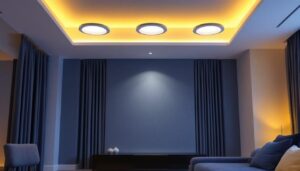
Recessed ceiling lights, often called downlights or can lights, are installed flush with the ceiling surface. Their housing is embedded within the ceiling cavity, making them an unobtrusive lighting solution that blends seamlessly with modern interiors. These fixtures typically use LED or halogen bulbs and provide focused, directional light. The sleek design of recessed lights allows them to enhance the aesthetic appeal of a space without drawing attention to themselves, making them a popular choice among architects and interior designers alike.
In addition to their aesthetic benefits, recessed lights come in various shapes, sizes, and finishes, allowing for customization to suit different decor styles. Some models even feature adjustable gimbals that enable users to direct the light beam toward specific areas, enhancing the versatility of the lighting. With options ranging from warm to cool color temperatures, recessed lights can create the desired ambiance, whether it’s a cozy living room or a bright, energizing kitchen.
Applications and Benefits
Recessed lights are ideal for general ambient lighting or accent lighting in kitchens, hallways, and offices. They offer a clean, minimalist aesthetic that complements contemporary design trends. Because they do not protrude, recessed lights are particularly useful in rooms with low ceilings or where a streamlined look is desired. Moreover, these fixtures can be strategically placed to highlight artwork, architectural features, or other focal points in a room, thereby enhancing the overall visual interest of the space.
From an energy efficiency perspective, LED recessed lights can significantly reduce electricity consumption and maintenance costs due to their long lifespan. Lighting contractors should consider the spacing and beam angle to avoid uneven illumination or glare. Additionally, smart recessed lighting systems are becoming increasingly popular, allowing homeowners to control brightness and color temperature remotely through smartphone apps or voice-activated devices. This integration of technology not only adds convenience but also promotes energy savings by enabling users to adjust lighting according to their needs throughout the day.
Installation Considerations
Installation requires careful planning to accommodate ceiling joists and insulation. Contractors must ensure that fixtures are rated for use in insulated ceilings (IC-rated) to prevent overheating. Proper wiring and secure mounting are critical to comply with electrical codes and ensure safety. Furthermore, it’s essential to consider the layout of the room and the intended use of the space when determining the placement of recessed lights. For instance, in a kitchen, lights should be positioned to illuminate work areas effectively, while in a living room, they might be arranged to create a cozy atmosphere.
Additionally, the choice of trim can greatly influence the final appearance and functionality of the recessed lights. Options like baffle trims can help reduce glare, while reflector trims can enhance brightness. The color and finish of the trim should also be selected to match or complement the ceiling and overall decor. As such, thoughtful selection and installation of recessed ceiling lights can transform a space, providing both practical illumination and an elegant design element that enhances the overall ambiance.
2. Flush Mount Ceiling Lights
Overview and Design
Flush mount ceiling lights are fixtures that attach directly to the ceiling surface without any gap. Unlike recessed lights, they protrude slightly, offering a visible decorative element. These fixtures come in various styles, from simple domes to intricate glass designs, making them versatile for different interior themes.
Where to Use Flush Mount Lights
Flush mount lights are commonly used in bedrooms, living rooms, and entryways where moderate lighting is needed. They provide broad illumination and can accommodate multiple bulb types, including LEDs, CFLs, and incandescent bulbs.
For lighting contractors, selecting flush mount fixtures involves considering ceiling height and room size. Because these lights extend below the ceiling, they are better suited for rooms with standard or higher ceilings to avoid head clearance issues.
Installation Tips
Installation is generally straightforward, involving mounting the fixture base to the ceiling electrical box and connecting the wiring. Contractors should verify that the fixture’s weight is supported adequately and that the electrical connections are secure and code-compliant.
3. Semi-Flush Mount Ceiling Lights
Characteristics and Style
Semi-flush mount lights hang slightly below the ceiling, typically by a few inches, creating a subtle visual break between the ceiling and the fixture. This style bridges the gap between flush mount and pendant lighting, offering both functional illumination and decorative appeal.
Ideal Use Cases
These lights are excellent for rooms with ceilings that are too low for pendants but too high for flush mounts to be effective. They work well in dining rooms, foyers, and bedrooms, where a bit of fixture presence enhances the room’s atmosphere.
Lighting contractors should evaluate the fixture’s drop length relative to ceiling height to ensure it complements the space without obstructing movement or sightlines.
Installation Challenges
While installation is similar to flush mounts, semi-flush fixtures may require additional support due to their weight and design. Proper anchoring and alignment are essential to maintain stability and aesthetic balance.
4. Pendant Ceiling Lights
Design and Functionality
Pendant lights suspend from the ceiling by a rod, chain, or cord, creating a focal point in the room. They come in a vast array of styles, sizes, and materials, making them a popular choice for task lighting and decorative accents.
Applications in Residential and Commercial Settings
Pendants are commonly installed over kitchen islands, dining tables, and reception areas. Their adjustable height allows for customization based on ceiling height and lighting needs. Multiple pendants can be grouped for dramatic effect or to provide even illumination across larger surfaces.
For lighting contractors, selecting pendants involves considering bulb type, wattage, and shade design to achieve the desired light quality and ambiance.
Installation Best Practices
Installing pendant lights requires secure mounting to ceiling joists or support beams due to their weight. Contractors must also ensure electrical connections are safely enclosed and that the fixture’s height is adjusted to suit the space and function.
5. Chandeliers
Historical Context and Modern Usage
Chandeliers have long been symbols of elegance and grandeur, often associated with formal spaces such as ballrooms and dining rooms. Modern chandeliers range from classic crystal designs to minimalist and industrial styles, broadening their appeal.
Lighting Contractor Considerations
Installing chandeliers demands meticulous attention to weight support, electrical safety, and aesthetic placement. Due to their size and complexity, chandeliers often require reinforced ceiling mounts and sometimes additional structural support.
Lighting contractors must also consider the chandelier’s scale relative to the room dimensions to avoid overpowering or underwhelming the space.
Maintenance and Upkeep
Chandeliers often require periodic cleaning and bulb replacement. Selecting fixtures with accessible bulbs and durable finishes can reduce maintenance challenges for clients.
6. Track and Rail Ceiling Lights
Functionality and Flexibility
Track lighting systems consist of a linear track mounted to the ceiling, with adjustable light heads that can be repositioned along the track. This flexibility makes track lighting ideal for highlighting artwork, architectural features, or work areas.
Commercial and Residential Applications
Track lighting is popular in galleries, retail spaces, and modern homes. It allows for directional lighting that can be adapted as needs change, making it a practical choice for dynamic environments.
Lighting contractors should assess the track length, number of fixtures, and electrical load to design an effective system.
Installation and Wiring
Installing track lighting involves mounting the track securely and wiring it to the electrical supply. Contractors must ensure that the track is level and that connectors are properly engaged to prevent electrical faults.
Conclusion: Choosing the Right Ceiling Light for Every Project
For lighting contractors, mastery of ceiling light types and their installation nuances is critical to delivering high-quality lighting solutions. Each type—recessed, flush mount, semi-flush, pendant, chandelier, and track lighting—offers unique benefits and challenges that must be matched to the project’s functional and aesthetic goals.
Understanding client needs, room dimensions, ceiling height, and electrical constraints allows contractors to recommend and install the most appropriate fixtures. Staying current with lighting technology, such as LED advancements and smart lighting integration, further enhances the value provided to clients.
Ultimately, successful ceiling lighting installation combines technical skill with design insight, ensuring spaces are illuminated effectively, safely, and attractively.
Illuminate Your Projects with LumenWholesale
Ready to elevate your lighting projects with the finest selection of ceiling lights? At LumenWholesale, we provide lighting contractors with exceptional, spec-grade lighting solutions at prices that can’t be beaten. Say goodbye to local distributor markups and hello to a vast array of reliable, high-performance lighting options that meet the strictest industry standards. With free shipping on bulk orders, you can stock up on premium lighting effortlessly and affordably. Don’t compromise on quality or value—Wholesale Lighting at the Best Value is just a click away. Partner with LumenWholesale today and experience the ultimate in quality, affordability, and convenience for all your lighting needs.