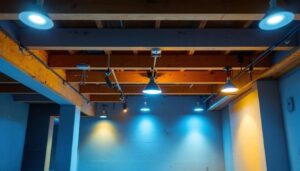
Understanding Solr Lights: A Modern Lighting Solution
Solr lights have emerged as a transformative technology in the lighting industry, offering sustainable, energy-efficient alternatives to traditional lighting systems. For lighting contractors, understanding the nuances of Solr lighting is essential to meet growing client demands for eco-friendly and cost-effective solutions.
At their core, Solr lights harness solar energy through photovoltaic panels, converting sunlight into electricity that powers LED or other efficient light sources. This self-sustaining mechanism reduces reliance on grid electricity, significantly lowering operational costs and carbon footprints. As governments and organizations worldwide push for greener infrastructure, Solr lighting installations are becoming increasingly prevalent in residential, commercial, and public spaces.
Why Lighting Contractors Should Embrace Solr Technology
Adopting Solr lighting solutions can position contractors at the forefront of the industry’s green revolution. Not only do these systems appeal to environmentally conscious clients, but they also open up new market opportunities in remote or off-grid locations where traditional wiring is impractical or cost-prohibitive.
Moreover, the integration of smart controls and IoT capabilities with Solr lights enables advanced functionalities such as remote monitoring, adaptive brightness, and predictive maintenance. Contractors proficient in these technologies can offer added value, enhancing client satisfaction and fostering long-term partnerships.
Additionally, the aesthetic versatility of Solr lights allows for innovative design applications. From sleek, modern fixtures that complement contemporary architecture to rustic lantern-style options that enhance outdoor spaces, Solr lights can be tailored to fit various design preferences. This adaptability not only satisfies diverse client tastes but also encourages the use of Solr lighting in creative ways, such as illuminating pathways, gardens, and even art installations, thereby enhancing the overall ambiance of a space.
Furthermore, as the technology continues to evolve, advancements in battery storage and energy management systems are making Solr lights even more efficient and reliable. These improvements enable lights to operate effectively even during cloudy days or at night, ensuring consistent performance. This reliability is crucial for contractors looking to provide solutions that clients can trust, ultimately leading to increased referrals and repeat business in a competitive market.
Key Considerations When Installing Solr Lights
Site Assessment and Solar Potential Analysis
Before installation, a comprehensive site assessment is critical. This involves evaluating the location’s solar exposure, potential shading from trees or buildings, and the orientation of mounting surfaces. Utilizing solar pathfinder tools or software can help accurately estimate the solar potential, ensuring that the Solr lights will operate efficiently throughout the year.
Understanding local weather patterns and seasonal variations also informs system sizing and battery capacity decisions. For instance, areas with frequent overcast conditions may require larger photovoltaic arrays or more robust energy storage to maintain consistent lighting performance. Additionally, it is beneficial to analyze historical weather data to predict how seasonal changes might affect solar energy generation. This analysis can help in planning for maintenance schedules and optimizing the performance of the lighting systems throughout the year.
Choosing the Right Components
Quality components are the backbone of reliable Solr lighting installations. Contractors should prioritize photovoltaic panels with high conversion efficiency and durability, especially those rated for harsh environmental conditions. Similarly, selecting LED fixtures with optimal lumen output and color temperature tailored to the application enhances both functionality and aesthetics. The choice of fixtures can also influence energy consumption, as modern LEDs are designed to provide maximum brightness while consuming minimal power, making them ideal for solar applications.
Battery technology is another critical factor. Lithium-ion batteries have become the industry standard due to their longer lifespan, higher energy density, and faster charging capabilities compared to traditional lead-acid batteries. Proper battery management systems (BMS) are essential to prevent overcharging, overheating, and to maximize operational longevity. Furthermore, integrating smart technology into the system can allow for real-time monitoring of battery health and performance, enabling predictive maintenance and ensuring that the lighting system remains functional even in adverse conditions.
Compliance with Standards and Regulations
Ensuring compliance with local electrical codes, safety standards, and environmental regulations is non-negotiable. Lighting contractors must stay informed about evolving standards related to solar installations, including grounding requirements, wiring methods, and certification standards such as UL or IEC for components. This diligence not only protects the integrity of the installation but also safeguards the end-users from potential hazards associated with non-compliance.
Additionally, some jurisdictions may offer incentives or rebates for renewable energy installations. Contractors should be knowledgeable about these programs to guide clients in maximizing financial benefits and ensuring that installations meet eligibility criteria. Engaging with local utility companies can also provide insights into net metering options, where excess energy generated can be fed back into the grid, creating additional savings for clients while promoting sustainable energy practices in the community.
Installation Best Practices for Solr Lighting Systems
Proper Mounting and Orientation
Mounting the photovoltaic panels correctly is paramount to system performance. Panels should be installed at an angle that maximizes sun exposure based on geographic latitude, typically between 15 to 40 degrees, and oriented true south in the northern hemisphere or true north in the southern hemisphere.
Contractors must also ensure secure mounting to withstand wind loads and other environmental stresses. Using corrosion-resistant hardware and appropriate sealing techniques prevents premature degradation and water ingress.
Electrical Connections and Safety Measures
All electrical connections should be executed with precision, using weatherproof connectors and conduit where necessary. Proper cable sizing minimizes voltage drop, which can adversely affect system efficiency. Ground fault protection and surge protection devices are critical to safeguard the system against electrical faults and lightning strikes.
During installation, adherence to lockout/tagout procedures and the use of personal protective equipment (PPE) ensures worker safety. Training in solar-specific electrical hazards is recommended for all personnel involved.
Battery Installation and Maintenance
Battery placement should be in a well-ventilated, temperature-controlled environment to optimize performance and lifespan. Contractors must ensure that batteries are securely mounted and protected from physical damage and moisture.
Regular maintenance schedules should be established to monitor battery health, including checking voltage levels, electrolyte status (for non-sealed batteries), and connections. Implementing remote monitoring systems can provide real-time data, enabling proactive maintenance and reducing downtime.
Post-Installation Support and Client Education
System Testing and Commissioning
Thorough testing after installation is essential to verify system functionality. This includes checking photovoltaic panel output, battery charging and discharging cycles, lighting performance, and control system responsiveness. Documenting these results provides clients with assurance of quality and operational readiness.
Commissioning should also involve calibrating sensors and timers to align with client usage patterns and preferences, ensuring optimal energy use without compromising lighting quality.
Educating Clients on Operation and Maintenance
Clients often lack detailed knowledge of Solr lighting systems, so providing clear, accessible information is vital. This includes guidance on cleaning panels to maintain efficiency, recognizing warning signs of system issues, and scheduling routine inspections.
Offering training sessions or detailed manuals can empower clients to manage their systems effectively, reducing unnecessary service calls and building trust in the contractor’s expertise.
Leveraging Remote Monitoring and Smart Technologies
Modern Solr lighting systems often incorporate remote monitoring capabilities, enabling contractors to track performance metrics and detect faults remotely. This proactive approach facilitates timely interventions, minimizing downtime and extending system lifespan.
Contractors should consider offering ongoing monitoring services as part of maintenance contracts, creating recurring revenue streams and strengthening client relationships.
Challenges and Solutions in Solr Lighting Projects
Dealing with Variable Weather Conditions
One of the primary challenges in Solr lighting installations is the variability of solar energy due to weather fluctuations. Overcast days, snow cover, or dust accumulation can reduce panel efficiency, impacting lighting reliability.
To mitigate these issues, contractors should design systems with adequate energy storage and incorporate high-efficiency panels with anti-soiling coatings. Regular maintenance schedules to clean panels and check system integrity are also crucial.
Addressing Client Budget Constraints
Initial costs for Solr lighting systems can be higher than traditional lighting due to the inclusion of solar panels and batteries. However, emphasizing the long-term savings on energy bills and reduced maintenance costs can help clients appreciate the value proposition.
Contractors can also explore financing options, leasing models, or government incentives that make Solr lighting more accessible. Providing detailed cost-benefit analyses tailored to the client’s specific needs enhances transparency and aids decision-making.
Ensuring System Longevity and Reliability
Longevity hinges on quality components, proper installation, and diligent maintenance. Contractors must resist the temptation to cut costs by using substandard parts or rushing installations, as this can lead to premature failures and reputational damage.
Implementing warranties and service agreements reassures clients of ongoing support and commitment to system performance, fostering confidence and repeat business.
Future Trends in Solr Lighting for Contractors
Integration with Smart City Infrastructure
As urban environments evolve, Solr lighting is increasingly integrated into smart city frameworks. This includes adaptive lighting that responds to pedestrian and vehicular traffic, environmental sensors that monitor air quality, and connectivity with municipal management systems.
Lighting contractors equipped with skills in IoT and data analytics will be well-positioned to participate in these advanced projects, offering innovative solutions that go beyond illumination.
Advancements in Energy Storage and Panel Technology
Ongoing research is driving improvements in battery chemistry, such as solid-state batteries, which promise higher capacity and safety. Similarly, developments in perovskite and bifacial solar panels offer enhanced efficiency and flexibility in installation.
Staying informed about these technological advancements allows contractors to recommend cutting-edge solutions that maximize client benefits and system performance.
Emphasis on Sustainability and Circular Economy
The lighting industry is moving towards sustainable practices not only in energy use but also in materials and end-of-life management. Contractors should consider sourcing recyclable components and partnering with manufacturers that prioritize eco-friendly production.
Offering clients options for responsible disposal or recycling of old lighting equipment aligns with broader environmental goals and enhances the contractor’s reputation as a sustainability leader.
Conclusion
Solr lights represent a significant opportunity for lighting contractors to expand their expertise, offer innovative solutions, and contribute to a more sustainable future. By mastering the technical aspects, adhering to best practices, and embracing emerging trends, contractors can deliver high-quality, reliable Solr lighting systems that meet the evolving needs of their clients.
Success in this dynamic field requires continuous learning, attention to detail, and a commitment to excellence. Lighting contractors who invest in these areas will not only thrive in the current market but also shape the future of lighting technology.
Illuminate Your Projects with LumenWholesale
Ready to elevate your lighting solutions with the efficiency and sustainability of Solr lights? At LumenWholesale, we provide lighting contractors like you with the highest quality, spec-grade Solr lighting products at unbeatable wholesale prices. Say goodbye to local distributor markups and hello to superior lighting products that meet the highest industry standards. With our hassle-free bulk buying and free shipping, you can ensure your projects shine with premium lighting at the best value. Don’t compromise on quality or cost. Discover wholesale lighting at the best value today and light up the future with LumenWholesale.