Understanding the Benefits of LED Dusk to Dawn Lighting
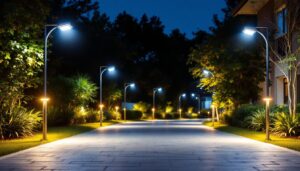
LED dusk to dawn lighting has revolutionized outdoor illumination by providing energy-efficient, reliable, and low-maintenance solutions. For lighting contractors, understanding the core benefits of these systems is essential to advising clients effectively and ensuring successful installations.
One of the most compelling advantages of LED dusk to dawn fixtures is their energy efficiency. LEDs consume significantly less electricity compared to traditional incandescent or high-pressure sodium lamps, often reducing energy consumption by up to 75%. This efficiency translates into lower operational costs for clients, making LED dusk to dawn lighting an attractive option for residential, commercial, and municipal applications.
Additionally, LED fixtures offer longer lifespans, often exceeding 50,000 hours of use. This longevity reduces the frequency of replacements and maintenance visits, a critical consideration for contractors managing multiple projects or servicing large properties. The durability of LEDs also means they perform well in various weather conditions, maintaining consistent light output throughout the night.
Why Dusk to Dawn Functionality Matters
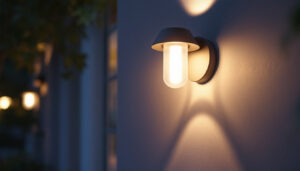
Dusk to dawn lighting automatically turns on at sunset and off at sunrise, providing seamless illumination without manual intervention. This feature enhances security, safety, and convenience for property owners. For contractors, installing fixtures with reliable photocell sensors ensures that lights respond accurately to ambient light levels, preventing unnecessary energy use during daylight hours.
Moreover, dusk to dawn lighting supports compliance with local regulations regarding outdoor lighting, such as requirements for security lighting in commercial zones or residential safety standards. Contractors who understand these nuances can better tailor solutions to meet client needs and regulatory demands.
Another significant benefit of LED dusk to dawn lighting is its positive impact on the environment. By reducing energy consumption, these systems contribute to lower carbon emissions, aligning with the growing emphasis on sustainability in both residential and commercial sectors. Furthermore, many LED fixtures are designed with eco-friendly materials and are free from harmful substances like mercury, making them a safer choice for both users and the planet. This environmental consideration can be a compelling selling point for contractors looking to appeal to eco-conscious clients.
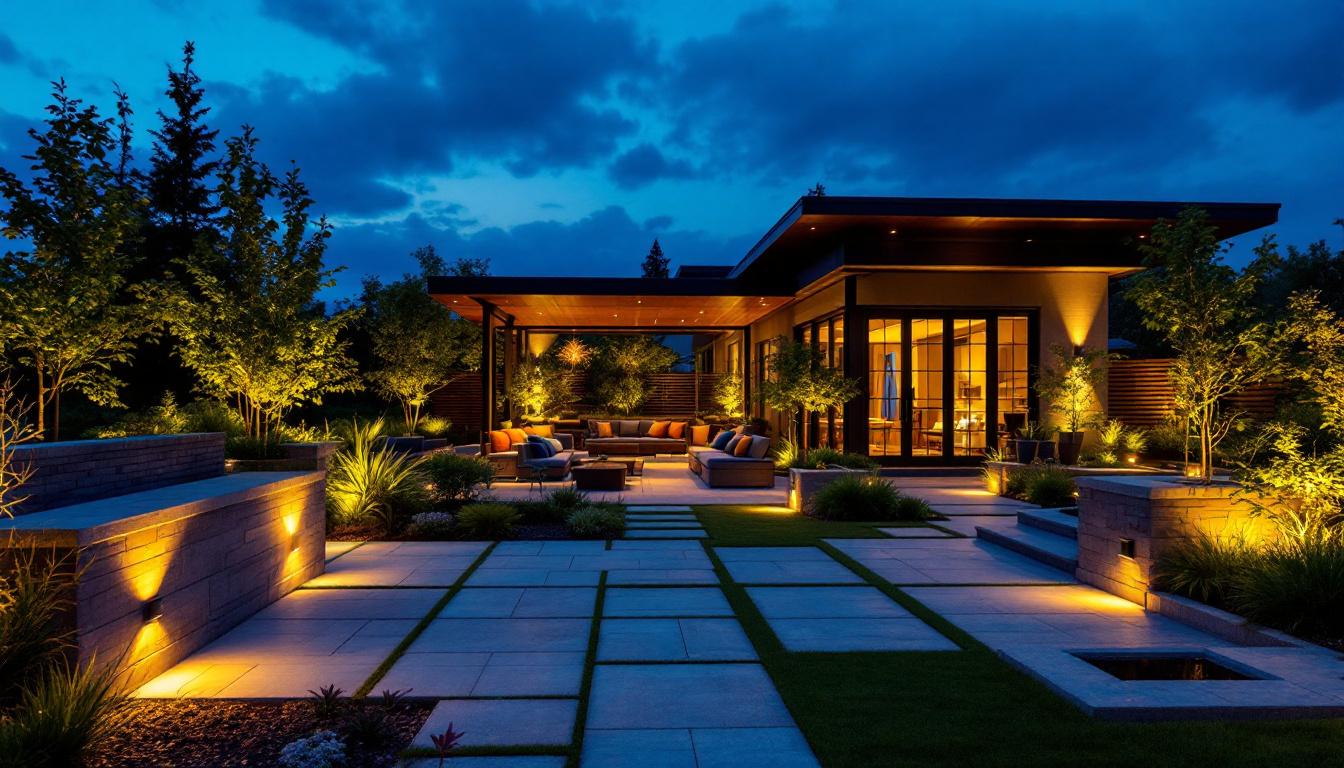
In addition to their environmental benefits, LED dusk to dawn lights also offer enhanced visibility and aesthetics. The quality of light produced by LEDs is often superior to that of traditional lighting options, providing a clearer and more vibrant illumination that can enhance the appearance of outdoor spaces. This is particularly beneficial for businesses looking to create an inviting atmosphere or for homeowners who want to showcase their landscaping and architectural features. By leveraging the aesthetic advantages of LED technology, contractors can help clients achieve both functional and visually appealing outdoor lighting solutions.
Selecting the Right LED Fixtures for Dusk to Dawn Applications
Choosing the appropriate LED fixtures is a critical step that affects performance, client satisfaction, and long-term maintenance. Lighting contractors should consider several factors when selecting fixtures for dusk to dawn installations.
Light Output and Color Temperature
Light output, measured in lumens, determines the brightness of the fixture. For dusk to dawn applications, contractors must balance sufficient illumination for safety and security with energy efficiency. Overly bright lights can cause glare and light pollution, while underpowered fixtures may fail to provide adequate visibility.
Color temperature, expressed in Kelvins (K), influences the ambiance and effectiveness of outdoor lighting. Warm white (2700K-3000K) creates a welcoming atmosphere, suitable for residential areas, while neutral to cool white (3500K-5000K) enhances visibility and is often preferred for commercial or industrial settings. Contractors should guide clients in selecting the color temperature that aligns with the intended use and environment. For example, in areas with heavy pedestrian traffic, a cooler light temperature can help improve visibility and safety, while warmer tones might be more appropriate for parks or residential settings, where a cozy feel is desired.
Durability and Weather Resistance
Outdoor lighting fixtures must withstand exposure to moisture, dust, temperature fluctuations, and physical impacts. Look for LED fixtures with an IP (Ingress Protection) rating of at least IP65, indicating strong resistance to water jets and dust ingress. Materials like die-cast aluminum housings and tempered glass lenses contribute to fixture durability.
Additionally, fixtures with corrosion-resistant coatings are ideal for coastal or industrial environments where salt and chemicals may accelerate wear. Properly rated fixtures reduce the likelihood of premature failures and costly warranty claims. Furthermore, it’s essential to consider the fixture’s thermal management capabilities. Effective heat dissipation ensures that the LEDs operate at optimal temperatures, extending their lifespan and maintaining performance over time, particularly in high-temperature environments.
Photocell Sensor Quality and Placement
The effectiveness of dusk to dawn lighting hinges on the quality and placement of photocell sensors. High-quality sensors accurately detect ambient light levels, ensuring lights activate promptly at dusk and deactivate at dawn. Inaccurate sensors can cause lights to stay on during daylight or fail to turn on at night, frustrating clients and increasing energy costs.
Contractors should also consider sensor placement to avoid interference from nearby artificial light sources, such as street lamps or security lights, which can trick sensors into misreading ambient conditions. Testing sensor functionality during installation is a best practice to guarantee optimal performance. Additionally, integrating smart technology with photocell sensors can enhance the system’s efficiency. For instance, some advanced sensors allow for programmable settings, enabling contractors to customize light schedules based on seasonal changes or specific client needs, further optimizing energy consumption and enhancing user satisfaction.
Best Practices for Installation and Maintenance
Proper installation and ongoing maintenance are vital to the success of LED dusk to dawn lighting projects. Lighting contractors play a crucial role in ensuring systems operate reliably and efficiently over time.
Pre-Installation Planning
Before installation, conduct a thorough site assessment to identify optimal fixture locations, power sources, and potential obstacles. Mapping out the installation helps avoid costly adjustments later and ensures even light distribution.
Consider the electrical infrastructure and verify that circuits can handle the new fixtures without overloading. Incorporating surge protection devices can safeguard sensitive LED drivers from voltage spikes, extending fixture lifespan.
Installation Techniques
Follow manufacturer guidelines meticulously during installation to preserve warranty coverage and ensure safety. Secure mounting is essential to prevent fixture movement or damage due to wind or vibration.
When wiring dusk to dawn fixtures, confirm that photocell sensors are wired correctly and tested for functionality. Use weatherproof connectors and sealants to protect electrical connections from moisture ingress.
Routine Maintenance and Troubleshooting
Although LED fixtures require less maintenance than traditional lighting, periodic inspections are recommended to check for dirt accumulation, sensor alignment, and fixture integrity. Cleaning lenses and photocells can improve light output and sensor accuracy.
In cases of fixture failure or inconsistent operation, troubleshoot by verifying power supply, sensor function, and wiring connections. Replacing faulty photocells or drivers promptly prevents prolonged outages and client dissatisfaction.
Addressing Client Concerns and Enhancing Value
Lighting contractors often encounter client questions about cost, energy savings, and environmental impact. Being prepared with clear, evidence-based answers helps build trust and supports informed decision-making.
Communicating Energy Savings and ROI
Clients are increasingly focused on reducing utility expenses and environmental footprints. Presenting data on energy consumption reductions, such as LEDs using up to 75% less energy than traditional bulbs, can highlight the financial benefits.
Providing estimates on payback periods and long-term savings reinforces the value proposition. For example, a commercial property switching to LED dusk to dawn lighting may recover installation costs within a few years through lower electricity bills and reduced maintenance.
Promoting Environmental Responsibility
LED lighting contributes to sustainability goals by lowering carbon emissions associated with electricity generation. Additionally, dusk to dawn systems minimize light pollution by ensuring lights operate only when needed.
Contractors can position themselves as environmentally conscious partners by recommending fixtures with certifications such as ENERGY STAR or DesignLights Consortium (DLC) listings, which assure high performance and efficiency standards.
Offering Customized Solutions
Every project has unique requirements. Tailoring lighting designs to client preferences, property layouts, and local regulations enhances satisfaction and project success. This may include integrating motion sensors for additional energy savings or selecting fixtures with adjustable brightness levels.
Providing maintenance contracts or service packages can also add value, ensuring clients receive ongoing support and maximizing the lifespan of their lighting investments.
Staying Ahead in the LED Lighting Industry
The LED lighting landscape continues to evolve rapidly, with innovations in technology, controls, and materials. Lighting contractors who stay informed and adapt their practices will maintain a competitive edge.
Embracing Smart Lighting Technologies
Smart dusk to dawn lighting systems integrate with building automation and IoT platforms, enabling remote monitoring, scheduling, and adaptive lighting controls. These capabilities enhance energy management and user convenience.
Contractors should familiarize themselves with smart lighting protocols such as Zigbee, Z-Wave, or Wi-Fi-based controls to offer clients cutting-edge solutions that future-proof their installations.
Continuous Education and Certification
Participating in industry training programs, manufacturer workshops, and certification courses helps contractors deepen their expertise and credibility. Certifications from organizations like the National Association of Electrical Contractors (NAEC) or the Lighting Industry Association (LIA) demonstrate commitment to quality and professionalism.
Staying current with electrical codes, safety standards, and emerging trends ensures that contractors deliver compliant and innovative lighting solutions.
Building Strong Client Relationships
Successful lighting contractors prioritize clear communication, transparency, and responsiveness. Providing detailed proposals, timely updates, and post-installation support fosters client loyalty and generates positive referrals.
Engaging with clients about their evolving lighting needs and offering upgrade paths as technology advances can create ongoing business opportunities and reinforce the contractor’s role as a trusted advisor.
Conclusion
LED dusk to dawn lighting represents a powerful opportunity for lighting contractors to deliver energy-efficient, durable, and smart outdoor illumination solutions. By understanding the technical aspects, selecting the right fixtures, executing meticulous installations, and addressing client concerns thoughtfully, contractors can enhance project outcomes and build lasting client relationships.
Staying abreast of industry advancements and embracing innovative technologies will position contractors for continued success in a dynamic market. Ultimately, mastering LED dusk to dawn lighting not only benefits contractors but also contributes to safer, more sustainable communities.
Illuminate Your Projects with LumenWholesale
Ready to elevate your lighting projects with the most efficient LED dusk to dawn solutions? At LumenWholesale, we’re committed to equipping you with the highest quality, spec-grade lighting products at prices that can’t be beaten. Say goodbye to unnecessary markups and hello to a vast selection of industry-standard lighting that promises reliability and high performance. With the added convenience of free shipping on bulk orders, LumenWholesale is your go-to source for premium lighting at the best value. Don’t compromise on quality or cost—Wholesale Lighting at the Best Value is just a click away.