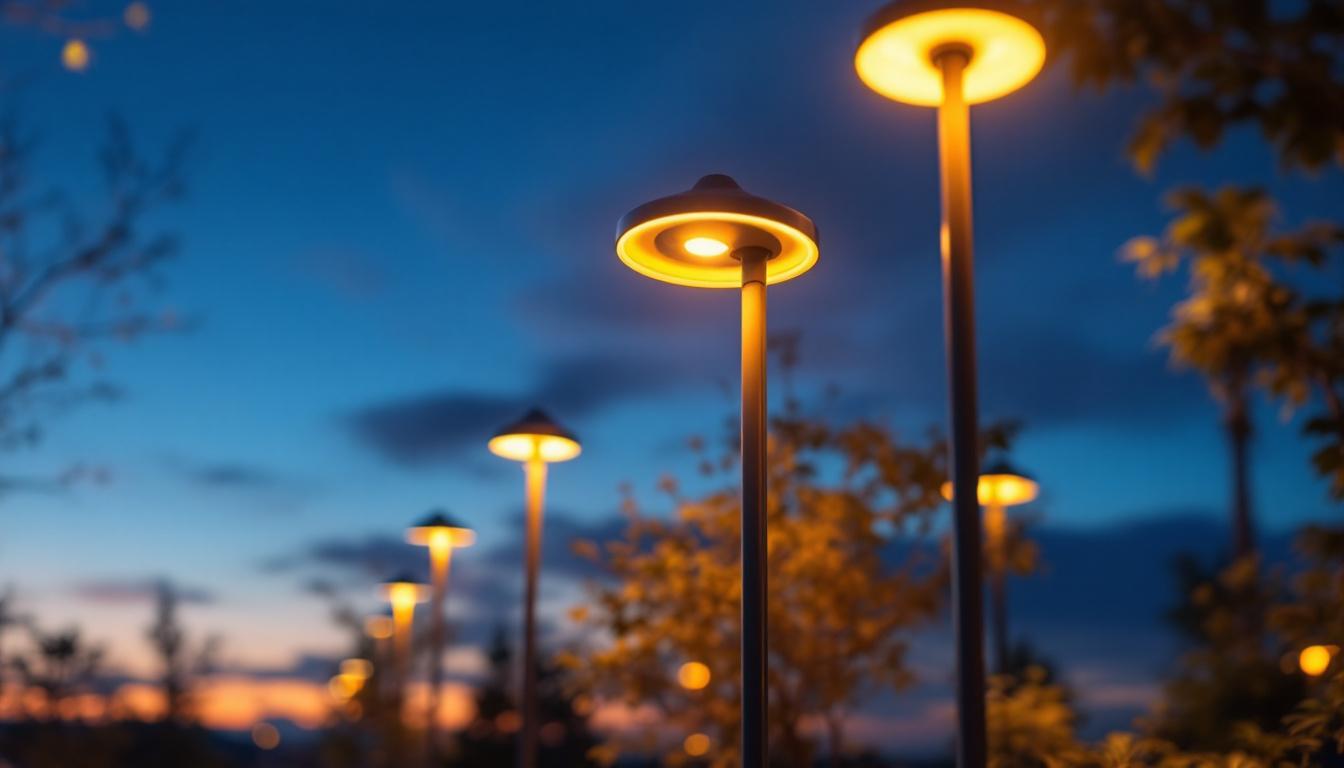
Introduction to Tall Outdoor Lighting
For lighting contractors, understanding the science behind tall outdoor lighting is crucial to designing effective, safe, and energy-efficient installations. Tall lights, often referred to as high mast lighting, are used extensively in large outdoor spaces such as stadiums, parking lots, highways, and industrial sites. Their height and design enable them to illuminate broad areas with minimal fixtures, reducing installation and maintenance costs over time.
However, the selection and installation of tall lights require a deep understanding of photometric principles, environmental factors, and regulatory standards. This article explores these elements, providing lighting contractors with a comprehensive guide to the science underpinning tall outdoor lighting.
One of the key considerations in tall outdoor lighting is the choice of light source. LED technology has revolutionized this field, offering significant advantages over traditional lighting options such as metal halide or high-pressure sodium lamps. LEDs provide higher lumens per watt, resulting in lower energy consumption and longer lifespans. Additionally, their directional nature allows for more precise lighting control, reducing light pollution and enhancing visibility in targeted areas. As municipalities and businesses increasingly prioritize sustainability, the shift towards LED high mast lighting systems is becoming not only a trend but a necessity for modern outdoor lighting projects.
Moreover, the placement and height of tall lights play a pivotal role in achieving optimal illumination levels while minimizing glare. Strategic positioning can help mitigate shadows and ensure uniform light distribution across the intended area. Factors such as pole height, spacing, and the angle of the fixtures must be carefully calculated to meet specific lighting requirements and comply with local regulations. Advanced computer modeling and simulation tools are now available to assist contractors in visualizing the lighting effects before installation, allowing for adjustments that can enhance safety and functionality in the final design.
Fundamentals of Tall Outdoor Lighting
What Defines a Tall Light?
Tall lights are typically mounted on poles ranging from 30 to 150 feet in height. The primary objective is to provide uniform illumination over large areas, which is essential for safety, security, and operational efficiency. Unlike standard streetlights or bollard lights, tall lights cover a wider footprint, minimizing the number of poles required. These fixtures are commonly seen in settings such as parking lots, highways, sports fields, and large public spaces where expansive visibility is paramount.
The height of the pole directly influences the light distribution pattern. As the height increases, the light spreads over a larger area but with reduced intensity at ground level. Therefore, selecting the appropriate pole height is a balance between coverage and illumination levels. Additionally, factors such as the type of light source—LED, metal halide, or high-pressure sodium—play a significant role in determining the overall effectiveness of the lighting system. The choice of light source can affect energy consumption, maintenance costs, and the quality of light produced, further complicating the decision-making process.
Photometric Principles: Illuminance and Luminance
Understanding photometric terms is vital for contractors working with tall lights. Illuminance, measured in lux or foot-candles, refers to the amount of light falling on a surface. Luminance, on the other hand, describes the brightness perceived by the human eye from a surface. This distinction is crucial for ensuring that outdoor areas are not only well-lit but also comfortable for users, as excessive brightness can lead to discomfort and visual fatigue.
For outdoor lighting, achieving the right illuminance is critical to ensure visibility and safety. Lighting designers use photometric data to model how light fixtures will perform at various heights and angles. Tall lighting systems often employ specialized optics to control beam spread and minimize glare. Moreover, the integration of smart lighting technology allows for adaptive lighting solutions that can adjust brightness levels based on real-time conditions, such as pedestrian traffic or ambient light levels. This not only enhances safety but also promotes energy efficiency, making tall outdoor lighting a key component in modern urban planning and design.
Design Considerations for Tall Outdoor Lighting
Light Distribution and Uniformity
One of the key challenges in tall outdoor lighting is achieving uniform light distribution. Uneven lighting can create dark spots or overly bright areas, which can compromise safety and aesthetics. Contractors must consider the fixture’s beam angle, mounting height, and spacing between poles to optimize uniformity.
Modern LED fixtures for tall applications often include advanced optics that allow for precise beam shaping. This technology helps in directing light exactly where it is needed, reducing light pollution and improving energy efficiency. Moreover, the use of computer modeling and simulation tools can assist designers in visualizing light distribution patterns before installation, enabling them to make informed decisions that enhance both functionality and visual appeal.
Glare Control and Visual Comfort
Glare is a significant concern in tall lighting installations, especially in areas with pedestrian or vehicular traffic. Excessive glare can cause discomfort and reduce visibility, increasing the risk of accidents. Effective glare control is achieved through fixture design, shielding, and proper aiming.
Lighting contractors should select fixtures with low Unified Glare Rating (UGR) values and incorporate accessories such as visors or louvers. Additionally, mounting height and tilt angles should be carefully adjusted to minimize direct line-of-sight exposure to the light source. The strategic placement of landscaping elements, such as trees or shrubs, can also help diffuse light and reduce glare, creating a more inviting atmosphere for pedestrians while enhancing the overall aesthetic of the space.
Energy Efficiency and Sustainability
Energy consumption is a major consideration in outdoor lighting projects. Tall lights, due to their height and coverage, can consume significant power if not designed efficiently. The shift towards LED technology has revolutionized tall outdoor lighting by offering high lumen output with lower wattage.
Contractors should prioritize fixtures with high efficacy (lumens per watt) and consider integrating smart controls such as dimming, motion sensors, and daylight harvesting. These strategies not only reduce operational costs but also contribute to sustainability goals and compliance with environmental regulations. Furthermore, the incorporation of renewable energy sources, such as solar panels, can further enhance the sustainability of tall outdoor lighting systems, allowing for off-grid solutions that minimize reliance on traditional power sources and reduce the carbon footprint of lighting installations.
Environmental and Regulatory Factors
Light Pollution and Dark Sky Compliance
Light pollution is a growing environmental concern, particularly in urban and suburban areas. Tall outdoor lights can contribute to skyglow, glare, and light trespass if not properly designed. Many jurisdictions now enforce dark sky ordinances that require lighting to minimize upward light emissions.
Lighting contractors must be familiar with these regulations and select fixtures that are fully shielded or cutoff types. Utilizing precise aiming and controlling light spill helps protect nocturnal ecosystems and preserves night sky visibility.
Weather and Environmental Durability
Tall lights are exposed to harsh environmental conditions including wind, rain, snow, and temperature extremes. The structural integrity of poles and fixtures is paramount to ensure safety and longevity. Materials such as galvanized steel or aluminum are commonly used for poles due to their strength and corrosion resistance.
Fixtures should have appropriate Ingress Protection (IP) ratings to withstand dust and moisture. Additionally, contractors must consider the impact of environmental factors on lighting performance, such as lens fogging or thermal management in LEDs.
Installation and Maintenance Best Practices
Structural Considerations and Safety
Installing tall lights requires adherence to strict structural standards and safety protocols. Poles must be engineered to withstand wind loads and seismic activity relevant to the installation site. Foundations should be designed based on soil conditions and pole height.
Contractors should collaborate with structural engineers and use certified components to ensure compliance with local building codes. Proper training and equipment are essential for safe installation at height.
Maintenance Accessibility and Lifecycle Costs
Maintenance is a critical factor influencing the total cost of ownership for tall lighting systems. Fixtures mounted at great heights pose challenges for routine servicing such as lamp replacement, cleaning, and electrical inspections.
Innovations such as lowering devices and hinged poles facilitate safer and more efficient maintenance. Contractors should factor in these features during the design phase to reduce downtime and labor costs over the system’s lifecycle.
Emerging Technologies and Trends in Tall Outdoor Lighting
Smart Lighting and IoT Integration
The integration of smart technologies and the Internet of Things (IoT) is transforming tall outdoor lighting. Sensors and networked controls enable real-time monitoring, adaptive lighting levels, and predictive maintenance. This leads to enhanced energy savings and improved operational efficiency.
Lighting contractors need to stay updated on these advancements to offer clients cutting-edge solutions that align with smart city initiatives and sustainability targets.
Advances in LED and Optical Technologies
LED technology continues to evolve, delivering higher lumen outputs, better color rendering, and improved thermal management. Advances in optics allow for more precise control of light distribution, reducing waste and enhancing visual comfort.
Contractors should evaluate new products based on performance data and certifications to ensure optimal results in tall lighting applications.
Conclusion
Tall outdoor lighting is a specialized field that combines engineering, photometry, environmental science, and regulatory knowledge. For lighting contractors, mastering these aspects is essential to delivering high-quality, efficient, and compliant lighting solutions.
By understanding the science behind tall lights—covering fundamentals, design considerations, environmental factors, installation, and emerging trends—contractors can enhance their expertise and provide superior service to clients. This comprehensive approach not only improves project outcomes but also contributes to safer, more sustainable outdoor environments.
Illuminate Your Projects with LumenWholesale
Ready to elevate your tall outdoor lighting projects with the best in the industry? Look no further than LumenWholesale. We provide lighting contractors with the highest quality, spec-grade lighting products at prices that can’t be beaten. Our extensive selection is designed to meet the most stringent industry standards, ensuring you deliver reliable and high-performance lighting solutions to your clients. With the convenience of free shipping on bulk orders, LumenWholesale is your go-to source for premium lighting without the premium price tag. Wholesale Lighting at the Best Value is just a click away. Enhance your expertise and project outcomes with us today.