The Rise of LED Lighting: A Historical Overview
LED (Light Emitting Diode) technology has transformed the lighting industry over the past few decades. Initially developed for indicator lights and small-scale applications, LEDs have evolved into a dominant lighting solution for residential, commercial, and industrial uses. The journey from niche use to mainstream adoption was gradual but marked by significant milestones in efficiency, cost reduction, and versatility.
Early LED lighting was limited by high costs and lower light output compared to traditional incandescent and fluorescent bulbs. However, continuous advancements in semiconductor technology and manufacturing processes have dramatically improved LED performance. These improvements, coupled with increasing energy efficiency standards and environmental concerns, accelerated the widespread adoption of LED lighting solutions.
For lighting contractors, understanding this timeline is crucial. It highlights how LED technology has matured to meet diverse lighting needs, making it a reliable and cost-effective choice for various projects today. The transition to LED lighting has not only resulted in lower energy bills for consumers but has also contributed to a significant reduction in carbon footprints, aligning with global sustainability goals. Governments and organizations worldwide have recognized these benefits, leading to incentives and rebates that further encourage the shift from traditional lighting to LED alternatives.
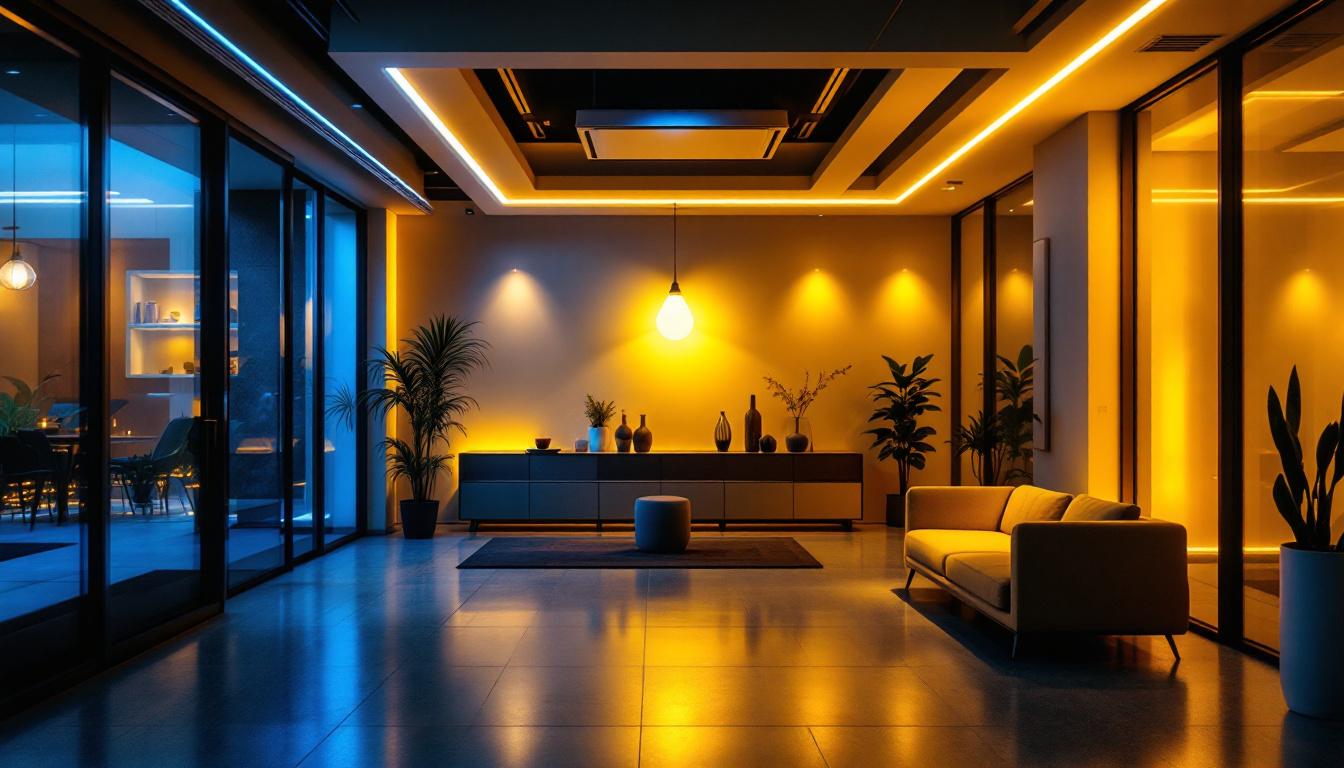
Moreover, the versatility of LED technology has opened new avenues for creative lighting design. From smart lighting systems that can be controlled via mobile applications to dynamic color-changing LEDs that enhance ambiance in commercial spaces, the possibilities are virtually limitless. This adaptability has made LEDs a favorite among architects and designers, who can now incorporate lighting solutions that are not only functional but also aesthetically pleasing. As we continue to innovate and explore the potential of LED technology, it is clear that its impact on our daily lives will only grow, illuminating the way for future advancements in lighting design and energy efficiency.
Comparing LED Lighting with Traditional Alternatives
Incandescent Bulbs
Incandescent bulbs were once the standard for general lighting due to their warm light quality and low upfront cost. However, they are notoriously inefficient, converting less than 10% of electrical energy into visible light, with the rest lost as heat. This inefficiency results in higher energy bills and frequent bulb replacements due to their short lifespan. The warm glow of incandescent lighting has made it a favorite for creating cozy atmospheres in homes, particularly in living rooms and dining areas, where ambiance is key.
In contrast, LEDs consume a fraction of the energy and can last up to 25 times longer. For lighting contractors, this translates into fewer service calls and greater customer satisfaction. While incandescent bulbs still find use in specific aesthetic applications, their role in mainstream lighting continues to diminish. Moreover, the environmental impact of incandescent bulbs cannot be overlooked; their higher energy consumption contributes to increased carbon emissions. As consumers become more environmentally conscious, the shift towards LED lighting is not just a matter of cost, but also one of sustainability and energy stewardship.
Fluorescent Lighting
Fluorescent lamps, including compact fluorescent lamps (CFLs), offered a significant efficiency improvement over incandescent bulbs and were widely adopted in commercial and institutional settings. They produce more light per watt and have longer lifespans, but they come with drawbacks such as mercury content, flickering, and warm-up times. The presence of mercury in fluorescent bulbs poses disposal challenges and environmental concerns, making them less favorable in a world increasingly focused on sustainable practices.
LEDs outperform fluorescents in almost every aspect: they are mercury-free, offer instant-on capabilities, and provide superior dimming options. Additionally, LEDs maintain consistent color quality and brightness over their lifespan, which is essential for applications demanding high-quality lighting. For contractors, switching clients from fluorescent to LED lighting can reduce maintenance costs and improve environmental compliance. The versatility of LED technology also allows for innovative applications, such as smart lighting systems that can be controlled remotely, enhancing energy efficiency even further.
Halogen Lamps
Halogen lamps are a type of incandescent lighting that offers brighter light and slightly better efficiency. They have been popular in retail and display lighting due to their crisp light quality and excellent color rendering. However, halogens still suffer from high heat output and relatively short lifespans. Their tendency to generate heat can lead to increased cooling costs in commercial spaces, particularly during warmer months, making them less desirable in energy-conscious environments.
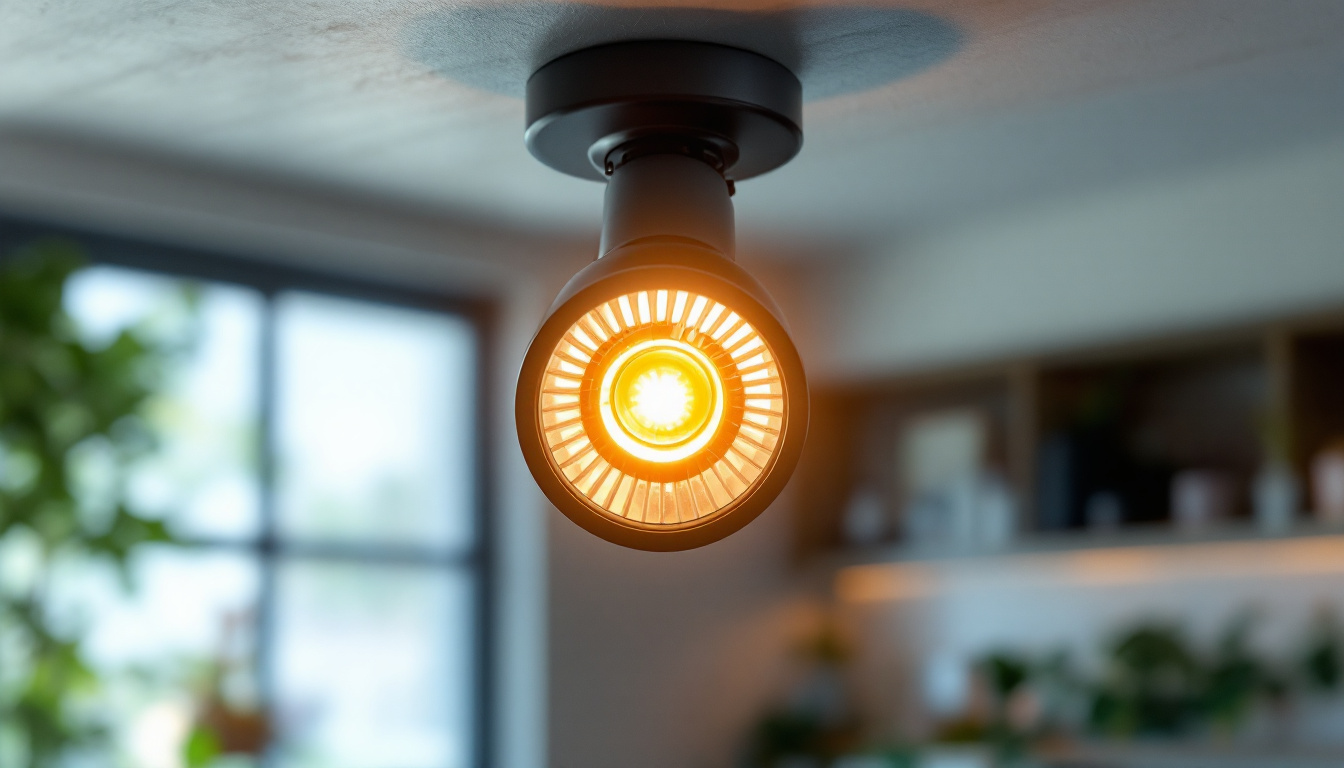
LEDs have largely supplanted halogen lamps by providing similar or better light quality with significantly reduced energy consumption and heat generation. This shift is particularly relevant in areas where heat buildup can affect equipment or comfort, such as museums or hospitality venues. Lighting contractors should consider LED replacements to enhance energy savings and reduce cooling loads. Furthermore, the advancements in LED technology have led to the development of specialized bulbs that mimic the warm light of halogens, allowing businesses to maintain their desired aesthetic while benefiting from the efficiency and longevity of LEDs. This adaptability not only meets the needs of diverse applications but also aligns with the growing demand for energy-efficient solutions in both residential and commercial sectors.
Why LEDs Became the Preferred Choice for Lighting Contractors
Energy Efficiency and Cost Savings
One of the primary drivers behind the rise of LED lighting is its unmatched energy efficiency. LEDs use up to 80% less energy than incandescent bulbs and around 50% less than fluorescents for the same light output. This efficiency translates directly into lower utility bills for clients, a compelling selling point for contractors.
Moreover, LEDs have a longer operational life, often rated for 25,000 to 50,000 hours or more. This longevity reduces the frequency of replacements, lowering maintenance costs and labor expenses. For contractors managing large-scale installations, these savings can be substantial and improve project margins.
Versatility and Design Flexibility
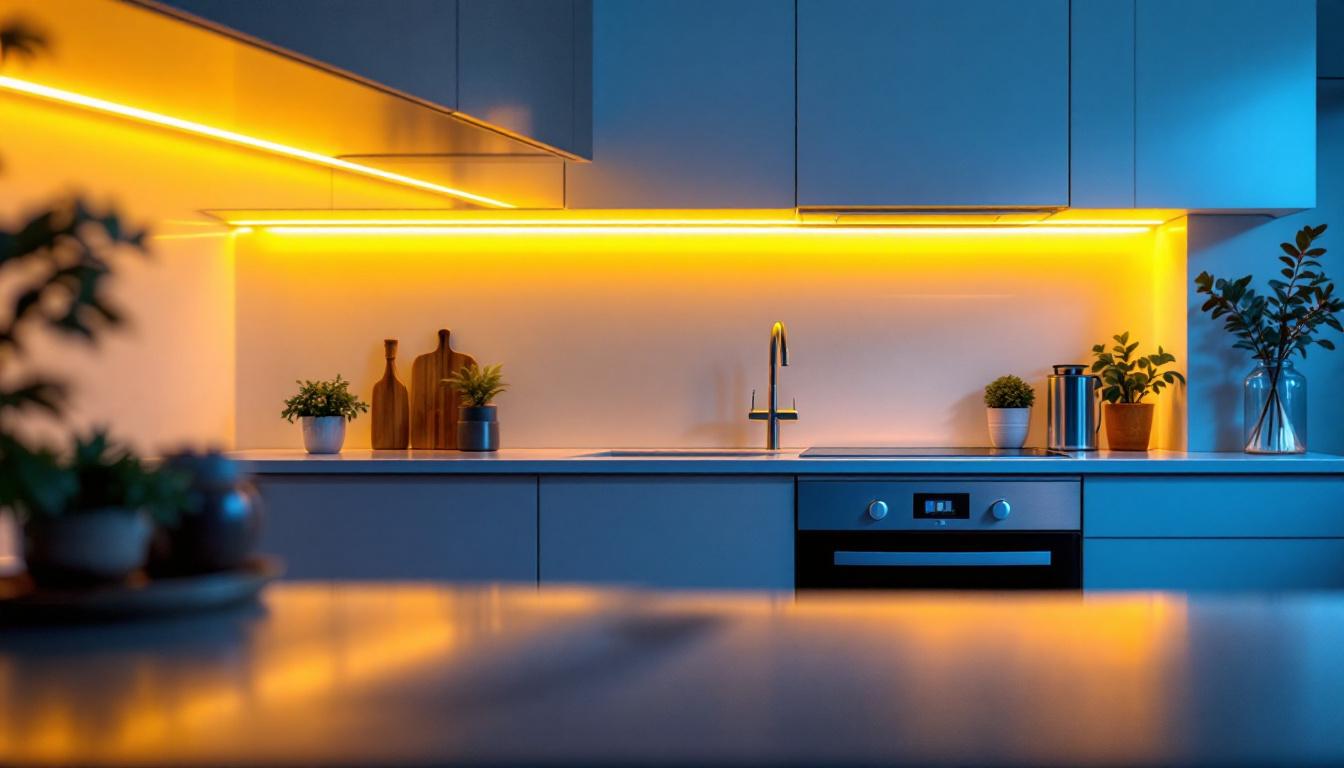
LED technology offers unprecedented versatility in lighting design. LEDs can be manufactured in a wide range of sizes, shapes, and colors, enabling tailored solutions for architectural, accent, task, and ambient lighting. This flexibility allows contractors to meet complex client specifications and create innovative lighting schemes that were previously difficult or impossible with traditional bulbs.
Additionally, LEDs integrate seamlessly with smart lighting controls, including dimmers, sensors, and networked systems. This compatibility supports energy management strategies and enhances user experience, making LED lighting an attractive option for modern buildings and smart homes.
Environmental Impact and Regulations
Environmental considerations have become increasingly important in lighting decisions. LEDs contain no hazardous materials like mercury, which is present in fluorescent lamps, and their lower energy consumption reduces greenhouse gas emissions associated with electricity generation.
Many regions have implemented regulations and incentives favoring energy-efficient lighting technologies. Lighting contractors who prioritize LED installations can help clients comply with these regulations and benefit from rebates or tax credits. This alignment with sustainability goals not only supports environmental stewardship but also enhances a contractor’s reputation and market competitiveness.
Challenges and Considerations for Lighting Contractors Choosing LEDs
Initial Investment and Client Education
Despite decreasing costs, LED lighting systems often require a higher upfront investment compared to traditional options. Contractors must be prepared to communicate the long-term value proposition to clients, emphasizing energy savings, reduced maintenance, and improved lighting quality.
Providing detailed lifecycle cost analyses and case studies can help overcome client resistance. Educating clients about the total cost of ownership rather than focusing solely on initial expenses is essential for successful LED adoption.
Quality and Specification Variability
The LED market has grown rapidly, leading to a wide range of product quality and performance levels. Lighting contractors need to carefully select reputable manufacturers and verify product specifications such as lumen output, color temperature, color rendering index (CRI), and warranty terms.
Specifying high-quality LED products ensures reliability and customer satisfaction. Contractors should also consider compatibility with existing fixtures and control systems to avoid installation issues or performance degradation.
Thermal Management and Installation Practices
Proper thermal management is critical for LED longevity and performance. Unlike incandescent bulbs, LEDs generate heat at their base, which must be dissipated effectively. Poor installation practices or incompatible fixtures can lead to overheating and premature failure.
Lighting contractors must follow manufacturer guidelines for fixture compatibility and installation techniques. Understanding heat sink requirements and ensuring adequate ventilation will maximize the lifespan and efficiency of LED installations.
Future Trends and Opportunities in LED Lighting for Contractors
Integration with Smart Building Technologies
The integration of LED lighting with Internet of Things (IoT) platforms and building automation systems is reshaping the lighting landscape. Smart LED solutions enable dynamic lighting control based on occupancy, daylight availability, and user preferences, enhancing energy efficiency and occupant comfort.
Lighting contractors who develop expertise in smart lighting systems can offer added value to clients through customized, responsive lighting environments. This expertise positions contractors as leaders in next-generation lighting solutions.
Advancements in LED Efficiency and Light Quality
Ongoing research continues to improve LED efficacy and color rendering capabilities. Emerging technologies such as mini-LEDs and micro-LEDs promise even greater efficiency and design possibilities. These advancements will expand the applications of LED lighting, from high-end retail to healthcare and horticulture.
Contractors staying abreast of these innovations can advise clients on cutting-edge solutions that optimize lighting performance and energy savings.
Regulatory Changes and Sustainability Initiatives
Governments and industry bodies are increasingly mandating energy-efficient lighting and phasing out less efficient technologies. Sustainability initiatives are driving demand for circular economy practices, including LED recycling and responsible disposal.
Lighting contractors who adopt sustainable practices and offer environmentally responsible products will meet evolving client expectations and regulatory requirements, securing their position in a competitive market.
Conclusion: Making the Right Choice for Your Clients
LED lighting has become the preferred choice for lighting contractors due to its superior energy efficiency, long lifespan, design flexibility, and environmental benefits. While initial costs may be higher than traditional alternatives, the total cost of ownership and performance advantages make LEDs a sound investment for most applications.
Contractors must carefully evaluate product quality, installation requirements, and client needs to maximize the benefits of LED technology. Embracing smart lighting integration and staying informed about industry trends will further enhance their ability to deliver innovative, efficient, and sustainable lighting solutions.
Ultimately, choosing LEDs positions lighting contractors to meet the demands of modern lighting projects while contributing to energy conservation and environmental responsibility—a win-win for contractors and clients alike.
Illuminate Your Projects with LumenWholesale
Ready to elevate your lighting projects with the efficiency and sustainability of LED technology? Look no further than LumenWholesale for all your lighting needs. We provide contractors with high-quality, specification-grade LED products at the most competitive wholesale prices. By eliminating the middleman, we ensure you receive the best value without the extra markups. Our extensive selection is designed to meet the highest industry standards, guaranteeing reliable and high-performance lighting for every project. Plus, with the convenience of free shipping on bulk orders, you can enjoy premium lighting solutions at the best price, with no hidden fees or compromises. Make the smart choice for your clients and your business—choose Wholesale Lighting at the Best Value with LumenWholesale.