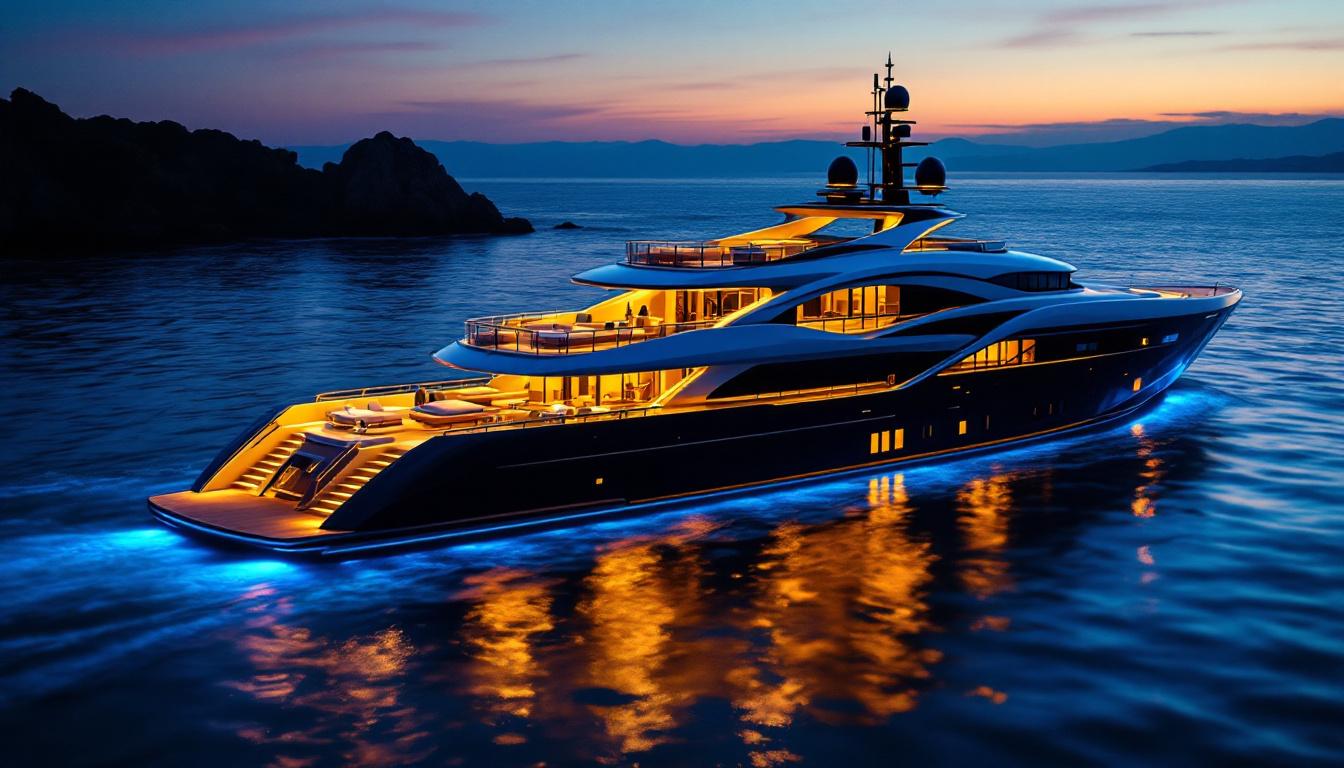
In the highly specialized world of yacht construction and refitting, lighting plays a pivotal role—not just in aesthetics and functionality but also as a decisive factor in securing lucrative lighting contracts. For lighting contractors aiming to expand their portfolio and reputation within this niche market, understanding the unique demands of yacht lighting is essential. This article explores the critical elements of yacht lighting, the latest trends, and practical strategies that contractors can leverage to win more contracts and build lasting client relationships.
Understanding the Unique Challenges of Yacht Lighting
Complexity of Marine Environments
Lighting a yacht is far more complex than standard residential or commercial projects. The marine environment presents unique challenges such as exposure to saltwater, humidity, and constant movement. Lighting fixtures and electrical components must be corrosion-resistant, waterproof, and vibration-proof to ensure longevity and safety. Contractors who demonstrate expertise in selecting and installing marine-grade lighting solutions stand out to yacht builders and owners alike. Additionally, the harsh marine environment necessitates a deeper understanding of materials and technologies that can withstand not just the elements, but also the wear and tear of life at sea. For instance, LED technology has become increasingly popular due to its energy efficiency and durability, but the choice of housing and lens materials is crucial to prevent fogging and ensure optimal light output over time.
Space Constraints and Design Integration
Yachts often have limited and irregular spaces, requiring lighting solutions that are compact yet powerful. Additionally, lighting must seamlessly integrate with the yacht’s interior and exterior design themes. This means working closely with naval architects, interior designers, and clients to create custom lighting layouts that enhance the vessel’s ambiance without compromising functionality. The challenge is further compounded by the need for versatility; lighting solutions must be adaptable for various activities, from intimate dinners to lively gatherings. Innovative approaches, such as utilizing recessed lighting or adjustable fixtures, can help maximize space while providing the necessary illumination. Moreover, the aesthetic choices in lighting can significantly influence the overall mood of the yacht, prompting designers to consider color temperatures and dimming capabilities that can transform the atmosphere at the touch of a button.
Regulatory Compliance and Safety Standards
Yacht lighting must comply with stringent maritime safety regulations, including International Maritime Organization (IMO) standards and classification society rules such as those from Lloyd’s Register or the American Bureau of Shipping (ABS). Lighting contractors who are well-versed in these regulations can ensure their installations meet or exceed safety requirements, reducing the risk of costly rework or certification delays. Beyond compliance, there is also a growing emphasis on energy efficiency and sustainability in yacht design. Many owners are now seeking eco-friendly lighting solutions that not only reduce their carbon footprint but also align with the latest advancements in solar and battery technologies. This shift towards greener alternatives is pushing contractors to stay informed about evolving products and practices, ensuring that they can offer clients the most innovative and compliant solutions available in the market.
Key Trends Shaping Yacht Lighting Today
LED Technology and Energy Efficiency
LED lighting has revolutionized yacht lighting, offering superior energy efficiency, longer lifespan, and greater design flexibility compared to traditional incandescent or halogen bulbs. Modern LEDs consume up to 80% less energy, a critical advantage for yachts where power conservation is vital. Additionally, LED fixtures can be dimmed and color-tuned to create dynamic lighting scenes that enhance the onboard experience. This adaptability allows yacht owners to set the mood for various occasions, whether it’s an intimate dinner under the stars or a lively gathering with friends. Furthermore, the durability of LED lights means they are less prone to breakage, making them ideal for the marine environment where vibrations and moisture can be challenging.
Smart Lighting Controls and Automation
Smart lighting systems are becoming increasingly popular in luxury yachts. These systems allow owners and crew to control lighting remotely via smartphones, tablets, or integrated onboard systems. Features such as automated dimming, color changes, and scene presets improve convenience and ambiance. Contractors who can design and install sophisticated control systems demonstrate a high level of technical proficiency that appeals to discerning clients. Moreover, these smart systems often integrate with other onboard technologies, such as security and climate control, creating a seamless and efficient user experience. The ability to program lighting to respond to specific events, like sunset or arrival at a destination, adds an extra layer of sophistication that enhances the overall yachting experience.
Customization and Aesthetic Innovation
Customization is king in the yacht industry. Lighting contractors who offer bespoke solutions—such as custom fixtures, unique color temperatures, and artistic light installations—can differentiate themselves from competitors. The ability to collaborate creatively with designers to produce lighting that complements the yacht’s style and enhances its luxury appeal is a significant selling point. Additionally, the trend towards incorporating natural elements into yacht design has led to innovative lighting solutions that mimic natural light patterns, creating an inviting atmosphere that feels connected to the sea. This approach not only enhances the aesthetic appeal but also promotes well-being among guests and crew, making the yacht a more enjoyable space to inhabit.
Strategies to Win More Yacht Lighting Contracts
Building Expertise Through Specialized Training and Certification
Lighting contractors who invest in specialized marine electrical training and certifications gain a competitive edge. Understanding the nuances of marine electrical systems, safety protocols, and lighting technologies builds credibility with yacht builders and owners. Certifications from recognized marine electrical organizations can serve as proof of expertise and commitment to quality.
Developing Strong Relationships with Yacht Builders and Designers
Networking and collaboration are crucial in the yacht industry. Establishing strong relationships with yacht builders, naval architects, and interior designers can lead to repeat business and referrals. Contractors should actively participate in industry events, trade shows, and forums to connect with key stakeholders and stay informed about upcoming projects.
Showcasing a Portfolio of Successful Yacht Lighting Projects
A well-documented portfolio that highlights previous yacht lighting installations, including before-and-after photos, technical specifications, and client testimonials, can significantly influence decision-makers. Demonstrating a track record of delivering high-quality, innovative, and reliable lighting solutions reassures potential clients of the contractor’s capabilities.
Offering Comprehensive Project Management and After-Sales Support
Yacht lighting projects often require meticulous coordination among multiple trades and strict adherence to timelines. Contractors who provide end-to-end project management, from design consultation to installation and commissioning, add value. Additionally, offering ongoing maintenance and support services helps build long-term client trust and opens doors for future contracts.
Technical Considerations for Yacht Lighting Installations
Choosing the Right Fixtures and Materials
Marine-grade lighting fixtures must be constructed from corrosion-resistant materials such as stainless steel, aluminum, or high-quality plastics with UV protection. Contractors should prioritize fixtures with appropriate IP ratings (Ingress Protection) to withstand water exposure, typically IP67 or higher for exterior applications. Selecting the right materials ensures durability and reduces maintenance costs.
Optimizing Lighting Layouts for Safety and Comfort
Proper lighting layout is essential for both safety and comfort onboard. Navigation lights must comply with maritime regulations, while interior lighting should provide adequate illumination for tasks without causing glare or discomfort. Layered lighting—combining ambient, task, and accent lighting—enhances usability and ambiance. Contractors should use lighting design software to model layouts and simulate effects before installation.
Energy Management and Power Supply Considerations
Yachts rely on limited power sources, often including batteries and generators. Efficient energy management is critical to avoid overloading electrical systems. Contractors must design lighting systems that balance brightness and power consumption, incorporating features such as energy-efficient LEDs, dimmers, and smart controls. Proper wiring and circuit protection are also vital to ensure safety and reliability.
Case Studies: Successful Yacht Lighting Projects
Luxury Motor Yacht with Integrated Smart Lighting
A recent project involved outfitting a 40-meter motor yacht with a fully integrated smart lighting system. The contractor collaborated with the interior designer to install tunable white LEDs and RGB accent lights controlled via a centralized touchscreen interface. The system included preset scenes for dining, relaxation, and entertainment, enhancing the onboard experience while conserving energy. The project was completed on schedule, earning praise from the owner and builder for its innovation and seamless integration.
Refit of a Classic Sailing Yacht with Custom Fixtures
In another example, a lighting contractor was tasked with upgrading the lighting on a classic sailing yacht undergoing a refit. The challenge was to preserve the vessel’s traditional aesthetic while incorporating modern LED technology. The contractor designed custom brass fixtures that housed discreet LED modules, maintaining the vintage look but improving efficiency and reliability. This bespoke approach impressed the client and led to additional referrals within the classic yacht community.
Conclusion: Lighting as a Differentiator in the Yacht Industry
Winning more yacht lighting contracts requires more than technical skill—it demands a deep understanding of the marine environment, a commitment to quality and innovation, and the ability to collaborate effectively with a diverse team of stakeholders. Lighting contractors who embrace the latest technologies, adhere to regulatory standards, and offer tailored solutions position themselves as invaluable partners in the yacht building and refitting process.
By investing in specialized knowledge, building strong industry relationships, and showcasing their expertise through compelling portfolios and case studies, contractors can unlock new opportunities and grow their presence in this exclusive market. Ultimately, exceptional yacht lighting not only enhances the vessel’s beauty and functionality but also becomes a key selling point that sets contractors apart in a competitive landscape.
Illuminate Your Next Yacht Project with LumenWholesale
Ready to elevate your yacht lighting projects to new heights? At LumenWholesale, we provide lighting contractors with the exceptional quality and value needed to stand out in the competitive yacht industry. Our spec-grade lighting products meet the highest industry standards, ensuring durability and performance that your clients demand. With unbeatable wholesale prices and the convenience of free shipping on bulk orders, you can access premium lighting solutions that make a difference—without hidden fees or compromises. Discover wholesale lighting at the best value and partner with us to create stunning, functional, and compliant yacht lighting designs that win contracts and impress clients.