Understanding Emergency Lighting in Residential Settings
Emergency lighting is a critical component of residential safety, yet it is often overlooked in home lighting design. For lighting contractors, understanding the nuances of emergency lighting in homes is essential—not only for compliance with safety standards but also to provide clients with peace of mind during unforeseen power outages or emergencies.
Unlike commercial or industrial environments where emergency lighting is mandated by stringent codes, residential emergency lighting requirements are less prescriptive but no less important. Homeowners increasingly seek solutions that enhance safety without compromising aesthetics, creating a unique challenge for contractors.
In essence, emergency lighting in homes serves to illuminate key areas during power failures, enabling safe evacuation and reducing the risk of accidents. This article delves into the types, installation considerations, regulatory context, and best practices tailored for lighting contractors working in residential projects.
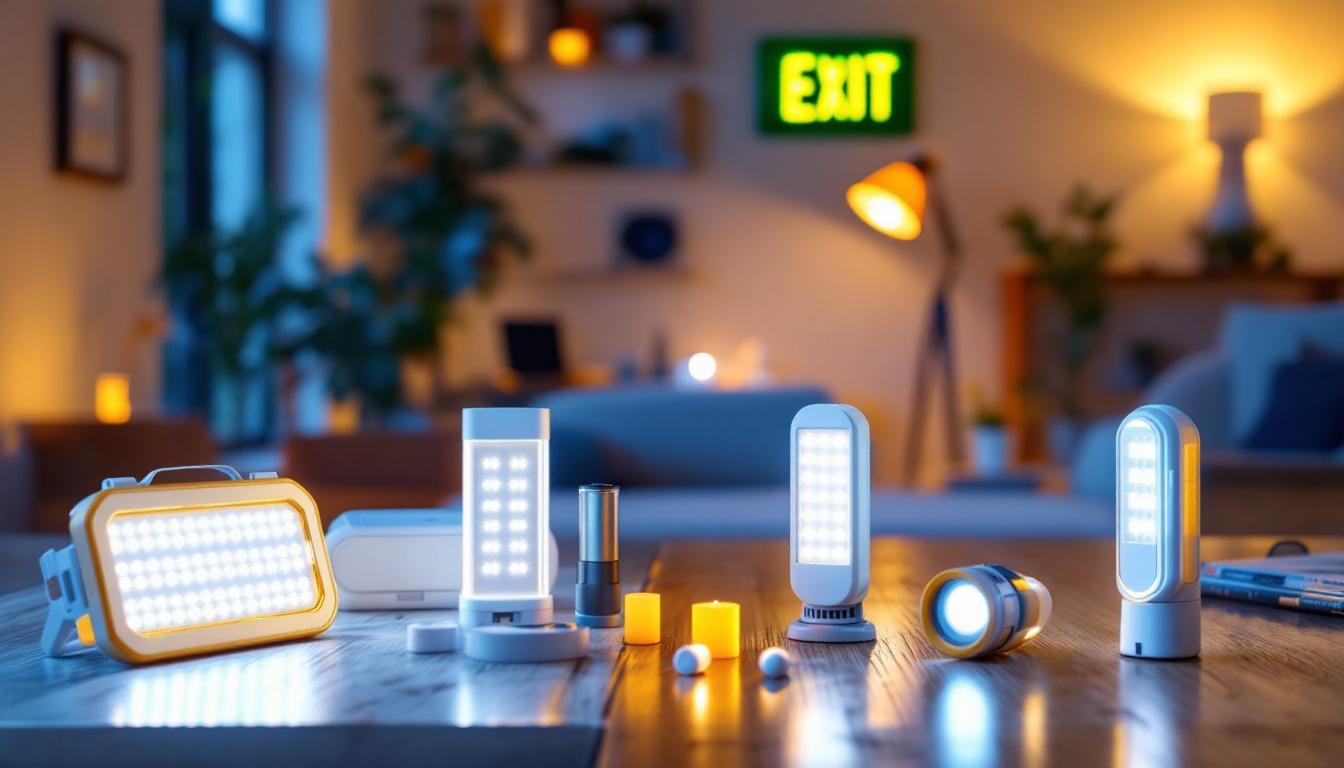
One of the primary types of emergency lighting systems used in residential settings includes battery-operated LED lights, which can be easily installed in hallways, staircases, and near exits. These lights are particularly advantageous due to their low energy consumption and long lifespan, making them both cost-effective and environmentally friendly. Additionally, homeowners may opt for smart emergency lighting systems that can be integrated with home automation setups. These systems can be programmed to activate during power outages, providing illumination exactly where it is needed most, and can even send alerts to homeowners’ smartphones, ensuring they are informed of any emergencies in real-time.
Installation considerations for emergency lighting go beyond mere placement; contractors must also assess the home’s layout and potential hazards. For instance, areas with steep stairs or dark hallways require more focused lighting solutions to prevent accidents. Furthermore, the positioning of emergency lights should take into account the natural flow of movement during an emergency, ensuring that paths to exits are clearly marked and well-lit. This proactive approach not only enhances safety but also instills confidence in homeowners, knowing they have taken the necessary steps to protect their families in times of crisis.
Types of Emergency Lighting Suitable for Homes
Maintained vs. Non-Maintained Emergency Lighting
Emergency lighting systems generally fall into two categories: maintained and non-maintained. Maintained emergency lights are illuminated continuously, regardless of power status, while non-maintained lights activate only during a power failure.
For residential applications, non-maintained emergency lighting is typically preferred. These systems conserve energy and reduce light pollution during normal operation, activating only when needed. Examples include battery-backed LED fixtures that automatically switch on during outages. The energy efficiency of non-maintained systems not only lowers electricity bills but also contributes to a more sustainable home environment, making them an attractive choice for eco-conscious homeowners.
Integral Battery Emergency Lights
Integral battery emergency lights are self-contained units with built-in batteries and LEDs. They are easy to install and maintain, making them ideal for retrofit projects or new home builds. These units often come with test switches and indicators to verify battery health, a feature that contractors should emphasize to clients for ongoing safety assurance. Additionally, many integral battery emergency lights are designed with sleek, modern aesthetics, allowing them to blend seamlessly into home decor while providing essential safety features.
Central Battery Systems
While more common in commercial settings, central battery systems can be applied in large residential properties or multi-unit dwellings. These systems feature a centralized power source that supplies emergency power to multiple fixtures. Although installation is more complex and costly, they offer centralized maintenance and longer backup durations. Homeowners with larger properties may find that the long-term benefits, such as reduced maintenance costs and improved reliability, outweigh the initial investment. Furthermore, central battery systems can be integrated with smart home technology, allowing for real-time monitoring and alerts, enhancing overall home safety.
Key Areas in Homes to Equip with Emergency Lighting
Exit Routes and Stairways
One of the primary functions of emergency lighting is to illuminate exit paths. In homes, this includes hallways, staircases, and exit doors. Proper illumination in these areas is crucial to prevent trips and falls, especially in multi-story residences where navigating stairs in darkness can be hazardous. The importance of visibility cannot be overstated; even a small misstep can lead to serious injuries. Therefore, homeowners should consider installing lights that activate automatically during power outages, ensuring that the path to safety is always visible.
Lighting contractors should recommend fixtures that provide clear, glare-free illumination with sufficient brightness to guide occupants safely to exits. Additionally, the use of photoluminescent strips along stair edges and door frames can further enhance visibility, providing a glow-in-the-dark effect that is particularly useful in emergencies. These strips not only serve as a visual guide but also add an extra layer of safety by marking potential hazards that might otherwise go unnoticed in low-light conditions.
Utility and Mechanical Rooms
Utility rooms housing electrical panels, water heaters, or HVAC equipment are critical during emergencies. Ensuring these spaces have emergency lighting allows homeowners or emergency personnel to safely access and operate essential systems during outages. In many cases, these rooms are located in less frequented areas of the home, making it even more vital to have reliable lighting that can be activated without manual intervention. A well-lit utility room can also help in routine maintenance, allowing homeowners to check on their systems without the risk of stumbling in the dark.
Moreover, incorporating motion-sensor lights in these areas can provide an added layer of convenience. These lights can automatically turn on when someone enters the room, ensuring that even during a power outage, the necessary equipment can be accessed without fumbling for a flashlight. This feature is particularly beneficial in homes where multiple family members may need to access the utility room at different times, enhancing both safety and efficiency.
Basements and Garages
Basements and garages often lack natural light and can become disorienting in the dark. Emergency lighting in these areas enhances safety and facilitates quick evacuation if needed. Contractors should consider moisture-resistant fixtures for these environments to ensure durability. In basements, where flooding can occur, waterproof emergency lights can be a lifesaver, providing illumination even in the event of water intrusion. Additionally, installing lights that are powered by backup batteries can ensure that they remain functional even when the main power supply is compromised.
Furthermore, the strategic placement of emergency lighting in garages can also assist in locating tools and equipment quickly during an emergency. Many garages serve as storage spaces for flammable materials, making it essential to navigate these areas safely. By illuminating potential hazards and escape routes, emergency lighting can significantly reduce the risk of accidents. Homeowners should also consider integrating smart lighting systems that can be controlled remotely, allowing them to ensure that these areas are well-lit even when they are not at home.
Regulatory Considerations and Standards
Although residential emergency lighting is not as heavily regulated as commercial installations, several standards and codes provide guidance to ensure safety and reliability.
National Electrical Code (NEC) and Local Amendments
The NEC includes provisions for emergency lighting primarily focused on commercial and multi-family dwellings. However, contractors should be aware of local amendments and building codes that may require emergency lighting in certain residential scenarios, such as high-rise apartments or assisted living homes.
International Residential Code (IRC) Recommendations
The IRC does not mandate emergency lighting but encourages safe egress lighting in homes. Lighting contractors can use these recommendations to advise clients on best practices, especially in homes with elderly residents or individuals with mobility challenges.
Energy Efficiency and Environmental Standards
Modern emergency lighting solutions often incorporate LED technology, which offers energy efficiency and longer battery life. Contractors should prioritize fixtures that comply with energy codes and environmental certifications, providing sustainable options that align with client values.
Installation Best Practices for Lighting Contractors
Assessing Client Needs and Home Layout
Effective emergency lighting installation begins with a thorough assessment of the home’s layout and the client’s specific needs. Contractors should identify critical areas requiring illumination and consider factors such as occupant mobility, presence of children or elderly, and typical power outage frequency in the area.
Choosing the Right Fixtures and Placement
Fixture selection should balance functionality and aesthetics. For example, recessed LED emergency lights can blend seamlessly into ceilings, while wall-mounted units may be more visible and easier to maintain. Placement should ensure even lighting coverage along exit routes without creating shadows or glare.
Battery Maintenance and Testing Protocols
Battery health is paramount for emergency lighting reliability. Contractors must educate clients on regular testing routines and maintenance schedules. Many modern units include self-testing features, but periodic manual checks are recommended to verify performance and battery capacity.
Integration with Home Automation Systems
Integrating emergency lighting with existing home automation can enhance control and monitoring capabilities. Lighting contractors should explore options that allow remote status checks and alerts, enabling proactive maintenance and ensuring emergency lights are always operational.
Common Challenges and Solutions in Residential Emergency Lighting
Balancing Aesthetics and Functionality
Homeowners often resist emergency lighting solutions that appear industrial or intrusive. Contractors can address this by selecting discreet fixtures and customizing finishes to match interior decor, thereby providing safety without compromising design.
Power Supply Limitations
Older homes may lack the electrical infrastructure to support modern emergency lighting systems. In such cases, contractors might recommend standalone battery-powered units or solar-charged options that do not rely on the home’s main electrical system.
Client Education and Awareness
Many homeowners underestimate the importance of emergency lighting. Lighting contractors play a pivotal role in educating clients about the benefits, maintenance requirements, and potential life-saving impact of properly installed emergency lighting.
Future Trends in Residential Emergency Lighting
The residential emergency lighting market is evolving with advancements in technology and growing consumer awareness about home safety. Innovations such as smart emergency lighting systems that integrate with IoT devices, adaptive lighting that responds to occupant movement, and longer-lasting battery technologies are shaping the future landscape.
Lighting contractors who stay informed about these trends can offer cutting-edge solutions that not only meet safety requirements but also enhance the overall living experience for homeowners.
Conclusion
Emergency lighting in homes is a vital safety feature that lighting contractors must understand comprehensively. By mastering the types of emergency lighting, recognizing critical installation areas, adhering to regulatory guidance, and addressing common challenges, contractors can deliver solutions that protect residents and elevate the value of their services.
As residential safety standards evolve and technology advances, the role of the lighting contractor becomes increasingly important in guiding homeowners toward effective, reliable, and aesthetically pleasing emergency lighting solutions.
Illuminate Your Projects with LumenWholesale
Ready to enhance the safety and value of your residential projects with superior emergency lighting solutions? At LumenWholesale, we provide lighting contractors with spec-grade lighting products that combine quality, affordability, and convenience. Say goodbye to inflated markups and hello to our extensive selection of reliable, high-performance lighting at unbeatable wholesale prices. Plus, enjoy the ease of bulk buying with free shipping, ensuring you get the best value without any hidden fees. Elevate your service offerings with the perfect blend of efficiency and aesthetic appeal. Wholesale Lighting at the Best Value is just a click away. Experience the LumenWholesale difference today!