Understanding the Role of Light Fixtures in Room Design and Functionality
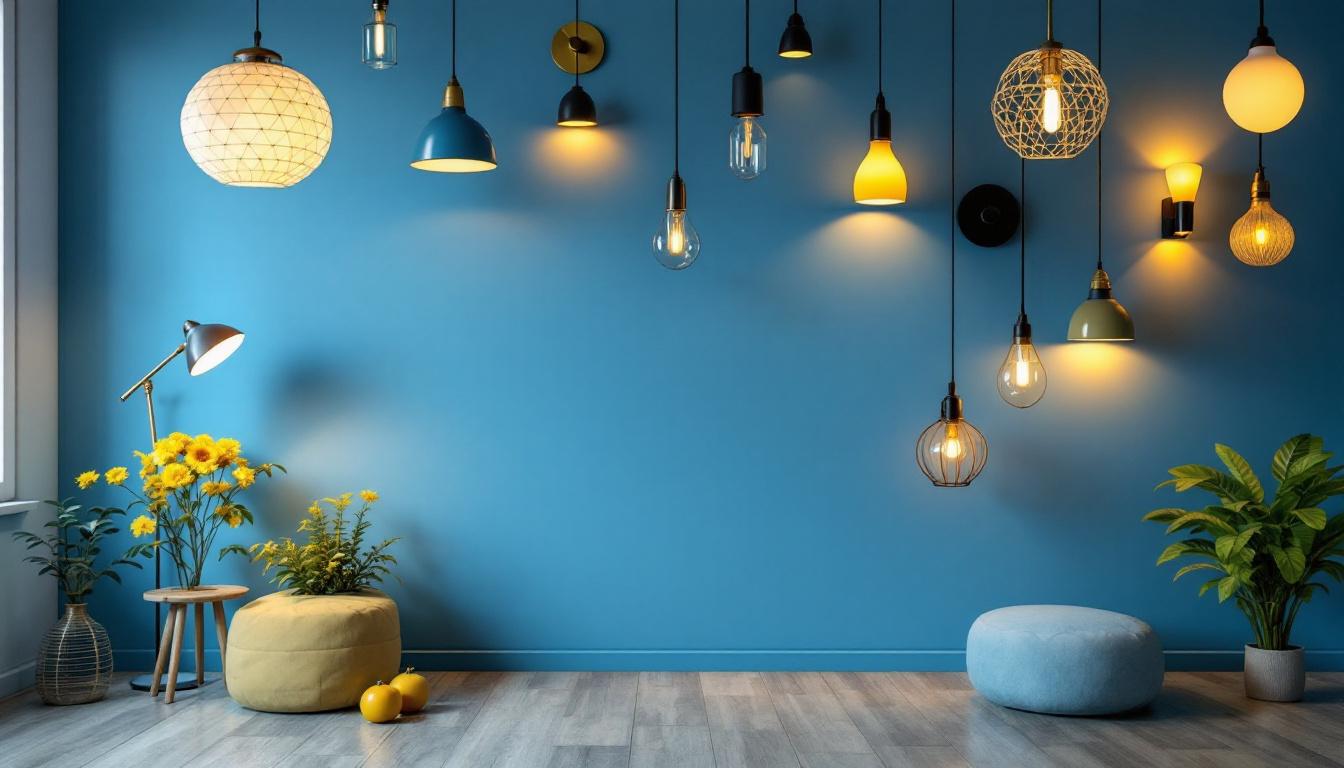
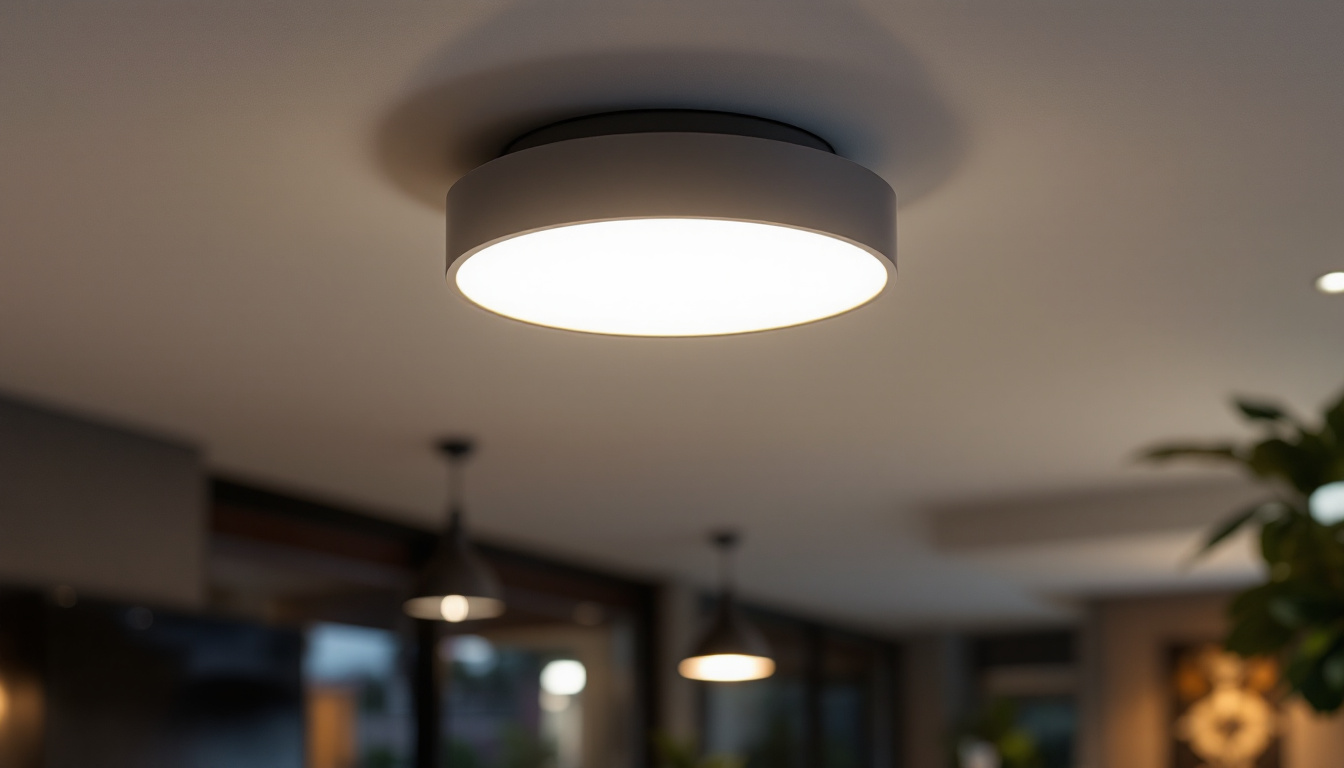
For lighting contractors, selecting the right light fixtures is more than just a matter of aesthetics; it directly influences the functionality, ambiance, and overall satisfaction of the end-user. Light fixtures serve as the bridge between electrical infrastructure and the desired lighting experience within a space. Their design, placement, and technology can either enhance or diminish the effectiveness of an installation.
In residential and commercial projects alike, the choice of fixtures impacts energy consumption, maintenance costs, and the perceived value of the space. For example, a well-chosen chandelier in a hotel lobby conveys luxury and sophistication, while energy-efficient recessed lighting in an office improves productivity and reduces overhead expenses. Contractors who understand these nuances can better advise clients and tailor solutions that align with both design intent and budget constraints.
Why Room-Specific Fixture Selection Matters
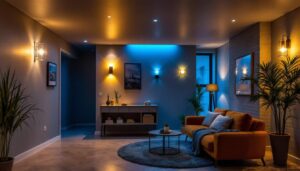
Each room has unique lighting requirements based on its function, size, and user behavior. Kitchens demand bright, shadow-free illumination for safety and precision, while living rooms benefit from layered lighting that fosters comfort and versatility. Bathrooms require fixtures that can withstand moisture and provide adequate task lighting, whereas bedrooms often prioritize softer, ambient lighting to promote relaxation.
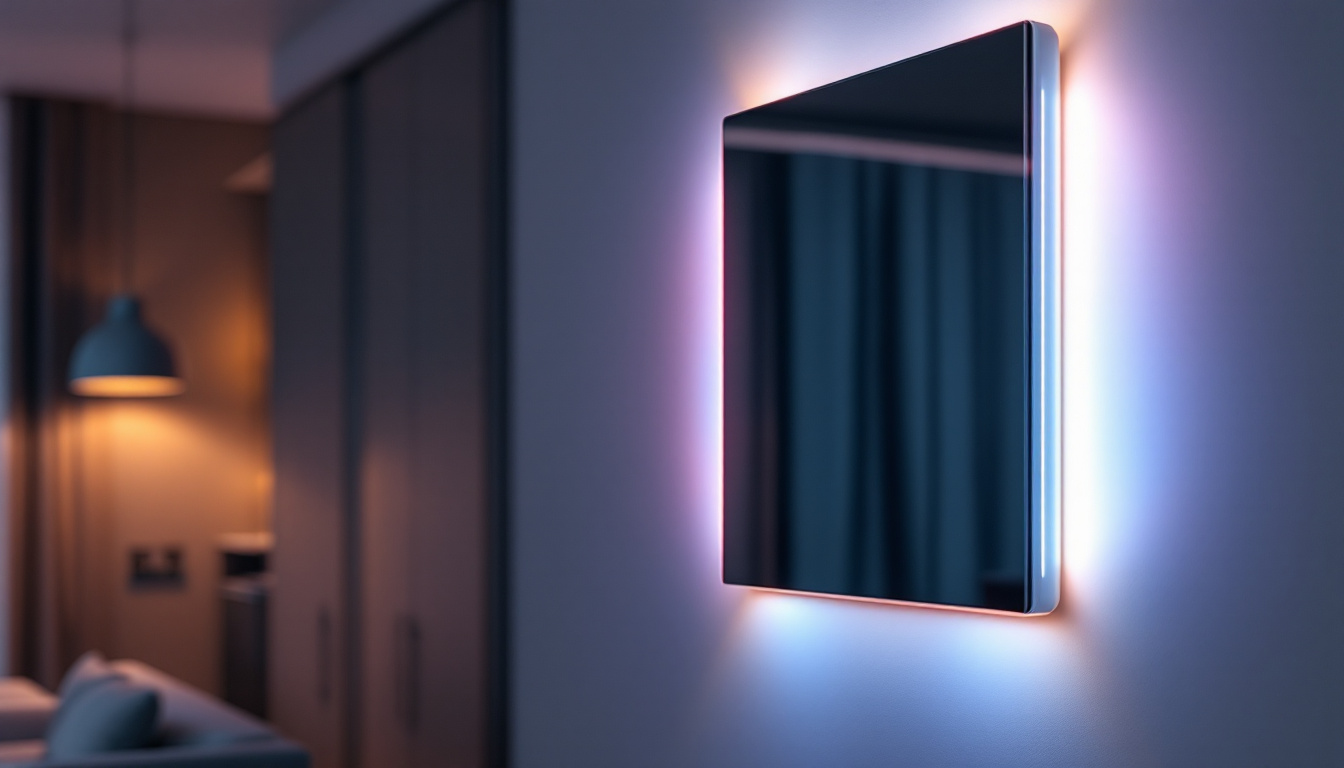
By considering these factors, contractors can recommend fixtures that not only meet technical specifications but also enhance the room’s purpose. This approach reduces the likelihood of costly retrofits or client dissatisfaction, ultimately contributing to a more profitable project outcome. Furthermore, understanding the interplay of natural and artificial light is crucial; for instance, a room with large windows may benefit from dimmable fixtures that adjust to changing daylight conditions, creating a harmonious balance that enhances the space’s usability throughout the day. Additionally, the integration of smart lighting technology can offer users unprecedented control over their environment, allowing for customizable settings that cater to different activities, moods, or times of day, thus elevating the overall experience within the space.
Trends and Technologies Driving Profitability in Lighting Installations
The lighting industry is rapidly evolving, with innovations that offer new opportunities for contractors to increase profitability. Staying informed about current trends and technologies allows contractors to differentiate their services and provide cutting-edge solutions.
Energy-Efficient Fixtures and Controls
LED technology has revolutionized lighting by providing high-quality illumination at a fraction of the energy consumption of traditional incandescent or fluorescent bulbs. Incorporating LED fixtures into room designs not only reduces utility costs for clients but also aligns with increasingly stringent energy codes and sustainability goals.
Moreover, integrating smart lighting controls—such as dimmers, occupancy sensors, and programmable systems—enhances energy savings and user convenience. These features add value to installations and can command higher project fees, especially in commercial settings where operational costs are closely scrutinized. The integration of IoT (Internet of Things) technology further amplifies these benefits, allowing for remote monitoring and management of lighting systems, which can lead to significant operational efficiencies and reduced maintenance costs over time.
Human-Centric Lighting (HCL)
Human-centric lighting focuses on mimicking natural light patterns to support circadian rhythms, improve mood, and boost productivity. This concept is gaining traction in offices, healthcare facilities, and educational environments. Fixtures designed with tunable white light and dynamic color temperature adjustments enable contractors to offer sophisticated lighting solutions that promote wellbeing.
Adopting HCL strategies not only meets emerging client demands but also positions contractors as experts in advanced lighting design, opening doors to premium projects and partnerships. Research indicates that environments enhanced with HCL can lead to increased employee satisfaction and reduced absenteeism, making them particularly appealing to businesses looking to optimize their workforce. By showcasing the benefits of HCL, contractors can create compelling proposals that resonate with clients’ goals for employee health and productivity.
Modular and Customizable Fixtures
Modularity in light fixtures allows for flexibility in design and ease of maintenance. Fixtures that can be adapted or expanded to suit changing needs reduce long-term costs and improve client satisfaction. Customizable options, such as adjustable beam angles, interchangeable lenses, and various finishes, provide aesthetic versatility that appeals to designers and end-users alike.
Contractors who offer modular and customizable fixtures can tap into niche markets and command higher margins by delivering tailored solutions that stand out in competitive bids. Additionally, the trend towards sustainable design has led to an increased demand for fixtures that can be easily upgraded or modified, minimizing waste and extending the lifecycle of lighting installations. By promoting the sustainability aspect of modular designs, contractors can align their offerings with the growing consumer preference for environmentally responsible products, thereby enhancing their market appeal.
Strategies for Maximizing Profitability in Lighting Installations
Profitability hinges not only on the choice of fixtures but also on the overall approach to project management, client engagement, and post-installation service. Implementing strategic practices can significantly enhance margins and foster sustainable business growth.
Accurate Needs Assessment and Specification
Thoroughly assessing the client’s needs, room functions, and design expectations is critical. Contractors should conduct detailed site evaluations, consult with architects or interior designers, and consider future scalability. Accurate fixture specification minimizes costly errors, reduces waste, and ensures that installations meet or exceed client expectations.
Utilizing lighting design software and photometric analysis tools can aid in selecting the optimal fixtures and layouts. This precision not only improves the quality of the installation but also builds client trust and justifies premium pricing. Furthermore, engaging clients in the design process can foster a sense of ownership and satisfaction, leading to a more collaborative relationship. By presenting various design options and allowing clients to visualize the end result through 3D renderings, contractors can enhance the decision-making process and align expectations more closely with the final outcome.
Value-Added Services and Upselling
Offering complementary services such as lighting audits, maintenance contracts, and smart system integration can create additional revenue streams. Educating clients about the benefits of advanced controls, energy savings, and aesthetic enhancements encourages upselling opportunities.
For instance, proposing a lighting retrofit with energy-efficient fixtures and automated controls in existing buildings can generate repeat business and long-term partnerships. Contractors who position themselves as consultants rather than mere installers differentiate their brand and increase profitability. Additionally, showcasing case studies of successful projects can illustrate the tangible benefits of these upgrades, helping clients visualize the potential return on investment. By creating a portfolio of before-and-after scenarios, contractors can effectively communicate the value of their services and inspire clients to invest in more comprehensive solutions.
Efficient Installation Practices and Project Management
Streamlining installation workflows through proper planning, skilled labor allocation, and effective communication reduces time overruns and cost overruns. Contractors should invest in training their teams on the latest fixture technologies and installation techniques to minimize errors and rework.
Additionally, maintaining strong relationships with suppliers ensures timely access to quality fixtures at competitive prices. Bulk purchasing and negotiating favorable terms can improve margins without compromising quality. Implementing project management software can further enhance efficiency by tracking timelines, budgets, and resource allocation, allowing contractors to identify potential bottlenecks before they escalate. This proactive approach not only saves time and money but also enhances the overall client experience, as projects are completed on schedule and within budget.
Post-Installation Support and Client Satisfaction
Providing comprehensive post-installation support, including troubleshooting, warranty services, and periodic maintenance, enhances client satisfaction and fosters repeat business. Satisfied clients are more likely to recommend contractors to others, generating valuable referrals.
Documenting installations with detailed reports and user guides empowers clients to maximize the benefits of their lighting systems, reinforcing the contractor’s reputation as a trusted partner. Furthermore, establishing a follow-up schedule to check in with clients after installation can uncover additional needs or opportunities for upgrades, ensuring that the relationship remains strong and dynamic. By soliciting feedback and actively addressing any concerns, contractors can demonstrate their commitment to customer service and continuous improvement, ultimately leading to a loyal client base that values their expertise and reliability.
Case Studies: Successful Profit-Driven Lighting Installations
Real-world examples illustrate how strategic fixture selection and project execution translate into profitability for lighting contractors.
Commercial Office Retrofit with LED and Smart Controls
A mid-sized commercial office underwent a lighting retrofit that replaced outdated fluorescent fixtures with high-efficiency LED panels integrated with occupancy sensors and daylight harvesting controls. The contractor conducted a thorough lighting audit and collaborated with the client’s facilities team to tailor the solution.
The project resulted in a 40% reduction in energy costs and improved occupant comfort. The contractor leveraged the advanced technology to justify a premium installation fee and secured a multi-year maintenance contract, significantly boosting overall profitability.
Hospital Patient Rooms Featuring Human-Centric Lighting
In a healthcare facility, the contractor installed tunable white LED fixtures in patient rooms to support circadian rhythms and enhance recovery environments. The design included adjustable color temperatures and dimming capabilities controlled via bedside panels.
This innovative approach attracted positive feedback from hospital administrators and patients alike. The contractor’s expertise in HCL positioned them as a preferred vendor for future projects, increasing their market share in the healthcare sector.
Luxury Residential Lighting with Modular Fixtures
For a high-end residential client, the contractor implemented modular track lighting and customizable pendant fixtures throughout the living spaces. This flexibility allowed the homeowner to adjust lighting scenes for different occasions and easily update fixtures as tastes evolved.
The contractor’s ability to deliver a bespoke lighting experience commanded a higher project price and led to referrals within affluent networks, enhancing long-term profitability.
Conclusion: Elevating Profitability Through Informed Fixture Choices and Strategic Execution
Maximizing profitability in lighting installations requires a comprehensive understanding of room-specific lighting needs, awareness of technological advancements, and disciplined project management. Lighting contractors who invest in knowledge, embrace innovation, and prioritize client satisfaction can differentiate themselves in a competitive market.
By selecting appropriate fixtures tailored to each room’s function, leveraging energy-efficient and human-centric technologies, and offering value-added services, contractors unlock new revenue streams and build lasting client relationships. Ultimately, the path to profitability lies in delivering lighting solutions that enhance spaces while meeting the practical and financial objectives of clients.
Discover Unmatched Value with LumenWholesale
Ready to elevate your lighting installations with fixtures that blend quality, innovation, and cost-efficiency? Look no further than LumenWholesale. Our extensive selection of spec-grade lighting products is designed to meet the diverse needs of any room, ensuring you can deliver on both aesthetics and functionality. With unbeatable wholesale prices and the convenience of free shipping on bulk orders, LumenWholesale is your go-to source for lighting solutions that maximize profitability without compromising on quality. Wholesale Lighting at the Best Value is just a click away. Transform your lighting projects with LumenWholesale today.