Understanding the Fundamentals of LED House Lighting
LED lighting has revolutionized the residential lighting industry, offering unparalleled energy efficiency, longevity, and design flexibility. For lighting contractors, mastering the fundamentals of LED house lighting is critical to delivering projects that meet client expectations while avoiding costly errors.
At its core, LED (Light Emitting Diode) technology differs significantly from traditional incandescent or fluorescent lighting. LEDs generate light through electroluminescence, which means they produce less heat and consume far less electricity. This efficiency translates into substantial energy savings for homeowners and a reduced environmental footprint. Additionally, the lifespan of LED bulbs can reach up to 25,000 hours or more, drastically reducing the frequency of replacements and maintenance costs for homeowners.
However, the benefits of LED lighting can only be fully realized when contractors understand key technical specifications such as lumens, color temperature, color rendering index (CRI), and beam angle. These factors influence not only the aesthetic appeal of a space but also functionality and occupant comfort. Furthermore, the ability to dim LED lights and control them via smart home systems adds another layer of convenience and customization, allowing homeowners to tailor their lighting to suit various activities and moods.
Key Technical Terms Every Contractor Should Know
Lumens: Lumens measure the brightness of a light source. Unlike watts, which indicate energy consumption, lumens tell you how much light is emitted. Selecting fixtures with the appropriate lumen output for each room ensures adequate illumination without over-lighting or under-lighting. For instance, a living room may require around 1,500 to 3,000 lumens for a comfortable atmosphere, while a kitchen might need upwards of 5,000 lumens for effective task lighting.
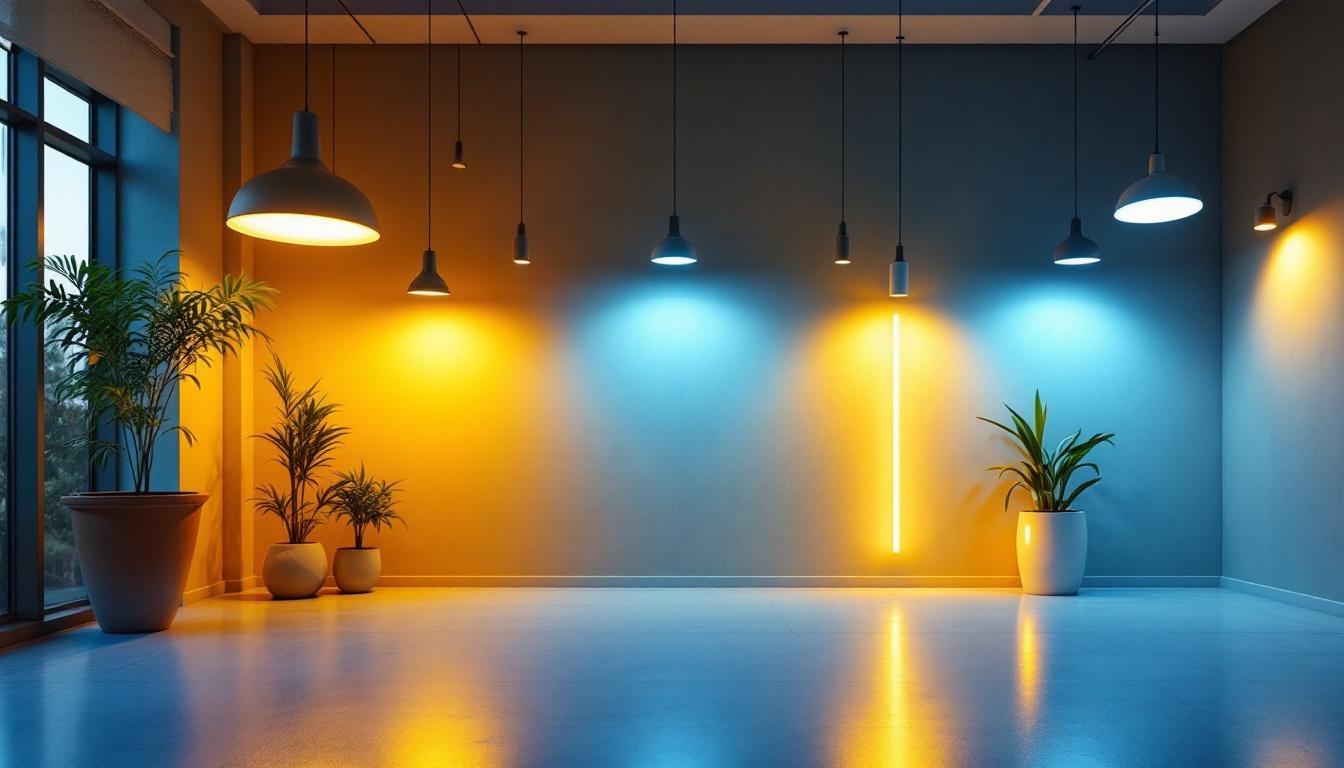
Color Temperature: Measured in Kelvins (K), color temperature affects the mood and ambiance of a space. Warm white light (2700K-3000K) creates a cozy atmosphere, ideal for living rooms and bedrooms, while cool white (4000K-5000K) suits kitchens and work areas where clarity is essential. Additionally, daylight (5000K-6500K) can be beneficial in areas where natural light is limited, helping to enhance alertness and productivity during the day.
Color Rendering Index (CRI): CRI indicates how accurately a light source reveals the colors of objects compared to natural light. A CRI above 80 is generally recommended for residential applications to ensure vibrant and true-to-life colors. In spaces like art studios or galleries, where color accuracy is paramount, opting for lights with a CRI of 90 or above can make a significant difference in the visual experience.
Common Pitfalls in LED Lighting Projects and How to Avoid Them
Despite the advantages of LED lighting, many contractors face challenges that can lead to dissatisfied clients or increased costs. Recognizing and addressing these pitfalls early in the project lifecycle is vital.
1. Inadequate Planning and Lighting Layout
One of the most frequent mistakes is insufficient planning of the lighting layout. Without a detailed lighting plan, contractors risk uneven illumination, glare, or dark spots, which compromise the functionality and aesthetics of a space.
To avoid this, use lighting design software or collaborate with lighting designers to map out fixture placement, beam angles, and layering of light (ambient, task, and accent). This approach ensures balanced lighting that enhances architectural features and meets the homeowner’s needs. Furthermore, considering the specific activities that will take place in each area can guide the selection of appropriate fixtures. For instance, brighter, focused lighting may be necessary in workspaces, while softer, ambient lighting could be ideal for relaxation areas. Engaging clients during this planning phase can also provide valuable insights into their preferences and expectations, leading to a more satisfactory outcome.
2. Overlooking Compatibility with Existing Electrical Systems
LED fixtures often require specific drivers and dimmers. Installing incompatible dimmer switches or power supplies can cause flickering, buzzing, or premature failure of the LEDs.
Contractors should verify compatibility between LED products and the existing electrical infrastructure. Consulting manufacturer specifications and opting for dimmers designed for LED loads can prevent these issues. Additionally, testing fixtures before full installation can identify potential problems early. It’s also beneficial to educate clients about the importance of using compatible components, as this knowledge can empower them to make informed decisions when considering upgrades or replacements in the future. Furthermore, keeping abreast of advancements in LED technology can help contractors recommend the latest solutions that improve efficiency and performance.
3. Neglecting Heat Management
Although LEDs produce less heat than traditional bulbs, they still generate some heat that must be dissipated effectively. Poor heat management can reduce the lifespan and performance of LED fixtures.
Ensure that fixtures have adequate ventilation and heat sinks, especially in enclosed or recessed installations. Selecting products from reputable manufacturers with proven thermal management designs is a wise investment that reduces maintenance costs over time. Additionally, educating clients about the importance of proper fixture placement can help mitigate heat-related issues. For example, avoiding the installation of LED fixtures in areas with limited airflow or excessive insulation can enhance their performance. Regular maintenance checks can also be encouraged to ensure that dust and debris do not obstruct ventilation pathways, further extending the life of the lighting system.
Maximizing Efficiency and Aesthetics with LED Lighting
Beyond avoiding mistakes, lighting contractors can elevate their projects by leveraging the unique advantages of LED technology to create efficient and visually stunning environments.
Layered Lighting for Functional and Inviting Spaces
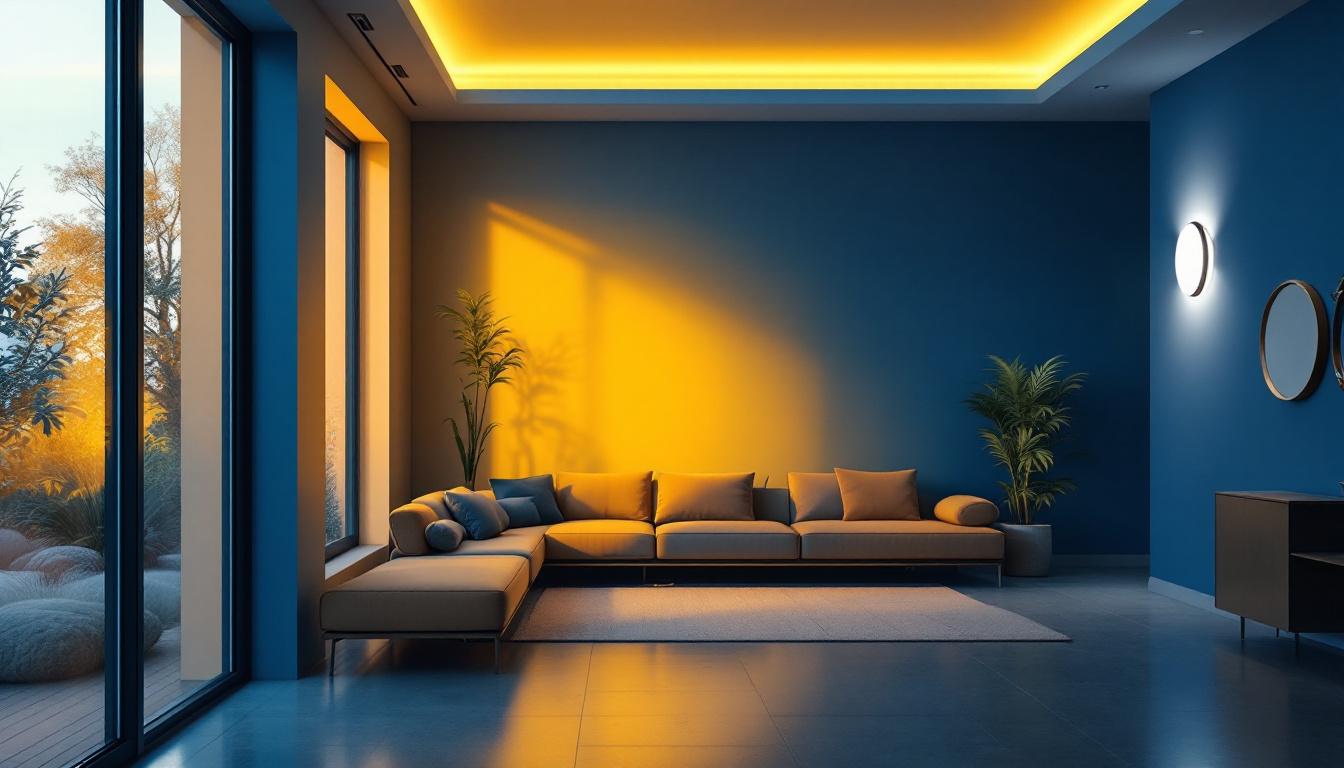
Layered lighting combines ambient, task, and accent lighting to add depth and versatility to a room. LEDs offer a wide range of fixture styles and color temperatures that make layering straightforward and effective.
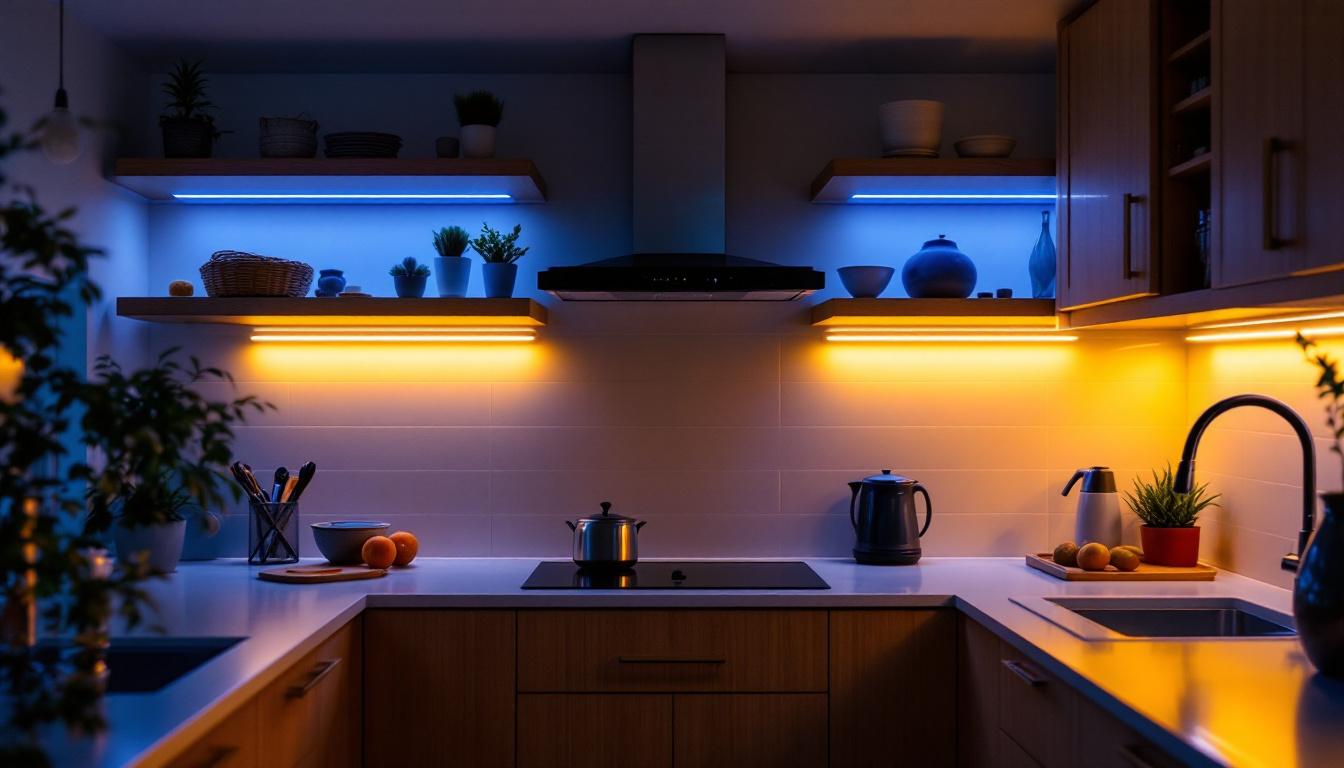
For example, ambient lighting can be achieved with recessed LED downlights or ceiling fixtures, task lighting with under-cabinet LEDs in kitchens, and accent lighting with adjustable LED spotlights highlighting artwork or architectural details. This multi-dimensional approach enhances both usability and mood.
Furthermore, the ability to choose from various color temperatures allows homeowners to set the desired atmosphere for different occasions. Warm white tones create a cozy and inviting environment for family gatherings, while cooler white tones can enhance focus and productivity in home offices or study areas. By thoughtfully selecting and positioning lighting layers, contractors can transform a simple room into a dynamic space that adapts to the needs of its inhabitants.
Smart Lighting Controls for Customization and Savings
Integrating smart controls with LED lighting systems provides homeowners with unprecedented control over lighting scenes, schedules, and energy consumption. Features like dimming, color tuning, and motion sensing not only improve comfort but also contribute to energy savings.
Contractors should familiarize themselves with popular smart lighting platforms and ensure that installed LED fixtures are compatible. Proper programming and user education are essential to maximize the benefits of smart lighting solutions.
Additionally, the integration of voice-activated assistants with smart lighting systems can further enhance user experience. Homeowners can easily adjust their lighting through simple voice commands, making it convenient to create the perfect ambiance without having to physically interact with switches or apps. This level of accessibility is particularly beneficial for individuals with mobility challenges, ensuring that everyone can enjoy the advantages of modern lighting technology. As smart home technology continues to evolve, staying updated on the latest innovations will allow contractors to offer cutting-edge solutions that meet the diverse needs of their clients.
Choosing the Right LED Products: Quality Matters
Not all LED products are created equal. Selecting high-quality fixtures and components is crucial to project success and long-term client satisfaction.
Evaluating LED Product Specifications
Look beyond price and focus on specifications such as lumen maintenance (L70 rating), warranty terms, and certifications like ENERGY STAR or DLC (DesignLights Consortium). These indicators reflect product reliability and performance.
Additionally, consider the fixture’s design and materials. Durable housings and quality optics contribute to consistent light output and resilience against environmental factors. For instance, LED products designed for outdoor use should be rated for moisture and dust resistance, ensuring they perform well in varying weather conditions. Furthermore, the color temperature and color rendering index (CRI) are essential for achieving the desired ambiance and visual clarity in any setting, whether it’s a cozy home or a bustling commercial space.
Supplier Relationships and Support
Establishing strong relationships with reputable LED suppliers can provide contractors with technical support, training, and access to the latest products. This partnership helps navigate rapidly evolving LED technology and ensures that installations meet industry standards.
Moreover, a reliable supplier often offers valuable insights into upcoming trends and innovations in the LED market. They can assist in identifying energy-efficient solutions that not only meet client needs but also align with sustainability goals. By leveraging these relationships, contractors can gain a competitive edge, ensuring that their projects are not only aesthetically pleasing but also environmentally responsible. Additionally, suppliers may offer exclusive deals or early access to new product lines, further enhancing the value of a strong partnership.
Ensuring Compliance and Safety in LED Lighting Installations
Compliance with electrical codes and safety standards is non-negotiable in lighting projects. Failure to adhere can result in legal liabilities, project delays, and hazards.
Adhering to Electrical Codes and Standards
Contractors must stay current with local and national electrical codes, including requirements for wiring, grounding, and fixture installation. Many LED products have specific installation instructions that must be followed to maintain certifications and warranties.
Addressing Potential Safety Concerns
Proper installation prevents risks such as electrical shocks, fire hazards, and fixture damage. Using appropriate wire gauges, secure mounting, and avoiding overloading circuits are essential practices.
Regular inspection and testing after installation help identify any issues early, ensuring safe operation and client peace of mind.
Conclusion: Delivering Excellence in LED House Lighting
LED house lighting projects offer tremendous opportunities for lighting contractors to showcase expertise, enhance energy efficiency, and create beautiful living environments. By understanding the technology, avoiding common pitfalls, selecting quality products, and ensuring compliance, contractors can avoid costly mistakes and build lasting client relationships.
Investing time in careful planning, continuous education, and collaboration with suppliers and designers will pay dividends in project success and professional reputation. As LED technology continues to advance, staying informed and adaptable remains the key to thriving in the dynamic field of residential lighting.
Illuminate Your Projects with LumenWholesale
Ready to elevate your LED house lighting projects with premium products that promise both quality and value? Look no further than LumenWholesale. We provide contractors with spec-grade lighting solutions that meet the highest industry standards, all at unbeatable wholesale prices. Say goodbye to middleman markups and hello to a vast selection of reliable, high-performance lighting. Plus, with free shipping on bulk orders, you can enjoy the best value without any hidden fees. Make the smart choice for your lighting needs and experience the best in wholesale lighting at LumenWholesale.