Understanding the Advantages of LED Outdoor Recessed Lighting
Outdoor lighting has evolved dramatically over the past decade, with LED technology leading the charge in efficiency, durability, and design flexibility. For lighting contractors, mastering the nuances of LED outdoor recessed lights is essential to delivering high-quality installations that meet client expectations and comply with modern energy standards.
LED outdoor recessed lights offer several key advantages over traditional lighting options. Their energy efficiency significantly reduces power consumption, which is a critical selling point for environmentally conscious clients and those looking to lower operational costs. Additionally, LEDs provide superior longevity, often lasting tens of thousands of hours longer than incandescent or halogen bulbs, thereby minimizing maintenance and replacement expenses.
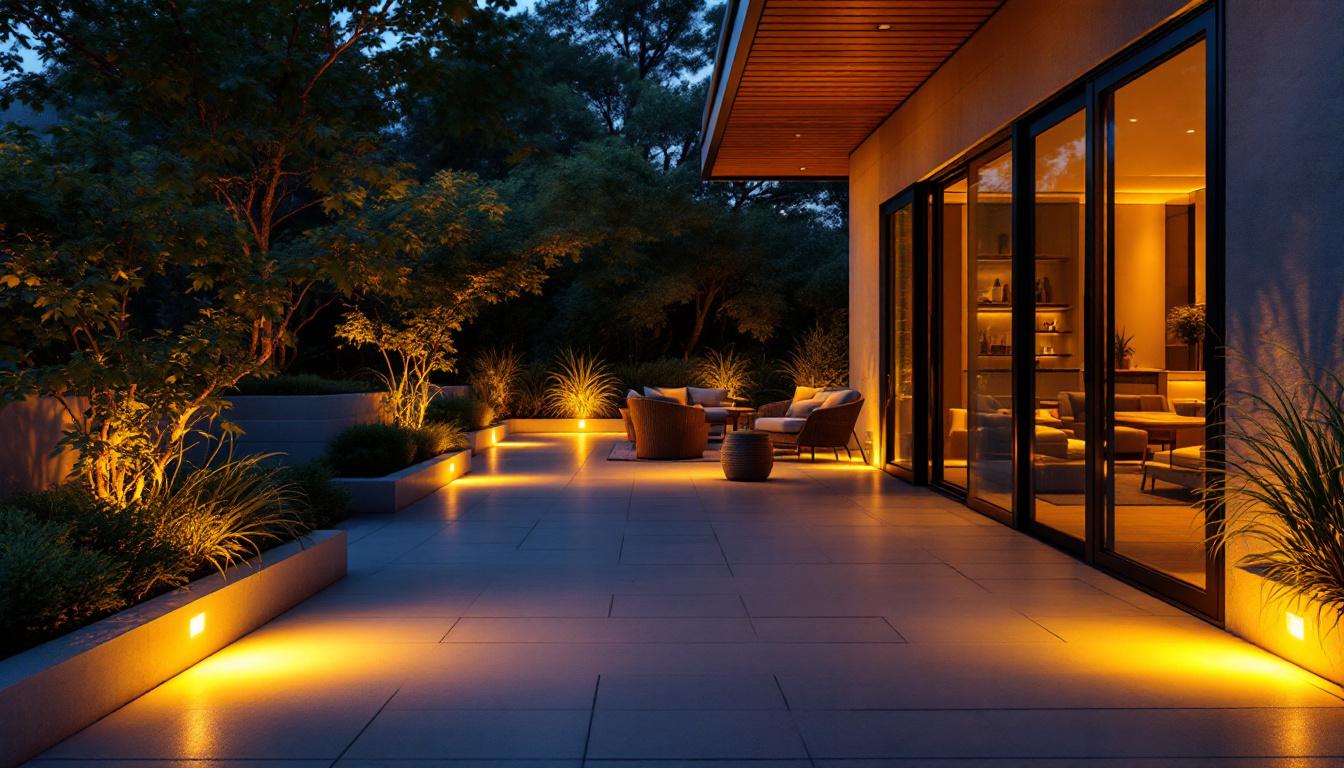
Beyond energy savings, the compact design of recessed LED fixtures enables a clean, unobtrusive look that enhances architectural features without overwhelming the space. This is particularly valuable in outdoor settings where aesthetic considerations are paramount, such as patios, walkways, and building facades. The ability to blend seamlessly into the surroundings allows homeowners and businesses alike to create a sophisticated ambiance that highlights landscaping and architectural elements while ensuring safety and visibility.
Energy Efficiency and Sustainability
One of the most compelling reasons to recommend LED outdoor recessed lights is their energy efficiency. LEDs convert a higher percentage of electricity into light rather than heat, which reduces wasted energy. According to industry data, LED fixtures can consume up to 75% less energy than traditional incandescent bulbs, a statistic that resonates strongly with clients focused on sustainability. This energy efficiency not only translates to lower utility bills but also contributes to a reduced carbon footprint, making LEDs an attractive option for eco-friendly projects.
Incorporating LED technology also aligns with increasing regulatory demands for energy conservation. Many municipalities now incentivize or require the use of energy-efficient lighting in outdoor commercial and residential projects. Lighting contractors who stay ahead of these trends can position themselves as knowledgeable professionals who provide compliant and future-proof solutions. Furthermore, clients may benefit from tax rebates or grants for utilizing energy-efficient lighting systems, further enhancing the appeal of LED installations.
Durability and Weather Resistance
Outdoor environments expose lighting fixtures to a range of harsh conditions, including moisture, temperature fluctuations, and physical impacts. LED outdoor recessed lights are designed with robust housings and sealed components that protect against water ingress and corrosion. This ensures reliable performance even in challenging climates. The materials used in these fixtures, such as aluminum and high-grade plastics, not only resist rust and degradation but also help maintain the aesthetic integrity of the installation over time.
Contractors should prioritize fixtures with appropriate IP (Ingress Protection) ratings—commonly IP65 or higher—for outdoor recessed installations. This guarantees that the lights are dust-tight and resistant to water jets, which is crucial for maintaining longevity and reducing callbacks for repairs. Additionally, many LED fixtures are designed to withstand extreme temperatures, making them suitable for a variety of climates, from the scorching heat of summer to the freezing cold of winter. This resilience ensures that clients can enjoy consistent lighting performance year-round, regardless of the weather conditions.
Design and Installation Best Practices for Lighting Contractors
Successful LED outdoor recessed lighting installations require a blend of technical expertise and aesthetic judgment. Contractors must carefully plan fixture placement, wiring, and integration with existing electrical systems to achieve optimal results.
Strategic Placement for Functional and Aesthetic Impact
Determining the right locations for recessed lights outdoors involves balancing illumination needs with architectural considerations. For pathways and stairs, lighting should enhance safety by providing uniform, glare-free illumination. Recessed fixtures are ideal here because they can be embedded flush with surfaces, reducing tripping hazards and visual clutter.
When highlighting building facades or landscape features, lighting contractors can use recessed lights to create dramatic effects through uplighting or downlighting techniques. The choice of beam angle and color temperature plays a significant role in shaping the ambiance. Warm white LEDs (around 2700K to 3000K) tend to create inviting atmospheres, while cooler tones can emphasize modern architectural lines. Furthermore, the strategic use of dimmers allows for flexibility in mood setting, enabling homeowners to adjust lighting according to different occasions, from lively gatherings to quiet evenings.
In addition to aesthetics, contractors should consider the impact of seasonal changes on outdoor lighting. For instance, during winter months, when natural light is scarce, a well-planned lighting scheme can significantly enhance the usability and appeal of outdoor spaces. Incorporating timers or smart lighting controls can ensure that lights operate efficiently, automatically adjusting to the changing daylight hours throughout the year.
Electrical Considerations and Compliance
Outdoor recessed lighting installations must adhere to strict electrical codes and safety standards. Contractors should use weatherproof wiring and connectors rated for outdoor use, and ensure that circuits are protected by ground-fault circuit interrupters (GFCIs) to prevent electrical hazards.
Proper voltage selection is another critical factor. Many LED recessed fixtures operate on low-voltage (12V or 24V) systems, which require transformers and careful voltage drop calculations to maintain consistent brightness across multiple fixtures. Lighting contractors should also consider dimming compatibility and integration with smart control systems, which are increasingly popular in sophisticated outdoor lighting designs. The integration of smart technology not only enhances user experience but also promotes energy efficiency, allowing homeowners to monitor and control their lighting remotely through mobile applications.
Moreover, it’s essential for contractors to stay updated on local building codes and regulations, as these can vary significantly by region. Engaging with local authorities or electrical inspectors early in the project can help ensure compliance and avoid costly rework later on. This proactive approach not only fosters a smoother installation process but also builds trust with clients, who appreciate the contractor’s commitment to safety and quality.
Minimizing Installation Challenges
Installing recessed lights outdoors can present unique challenges, such as working within hardscape materials like concrete or stone. Contractors should employ specialized tools and techniques to create precise cutouts without damaging surrounding surfaces.
Pre-planning is essential to avoid conflicts with underground utilities or irrigation systems. Utilizing site surveys and digital mapping tools can help identify potential obstacles and streamline the installation process. Additionally, selecting fixtures with adjustable mounting brackets or modular components can simplify alignment and positioning during installation. This adaptability is particularly beneficial in complex landscapes where terrain may vary, allowing contractors to achieve optimal placement without extensive rework.
Furthermore, contractors should consider the environmental impact of their installations. Using sustainable materials and energy-efficient products not only aligns with contemporary design trends but also appeals to environmentally conscious clients. By incorporating features such as solar-powered recessed lights or fixtures made from recycled materials, contractors can enhance their service offerings while contributing positively to the environment. This approach not only elevates the quality of the installation but also positions the contractor as a forward-thinking professional in the competitive lighting industry.
Maintenance and Troubleshooting Tips for Long-Term Performance
Ensuring the longevity and consistent performance of LED outdoor recessed lights requires proactive maintenance and prompt troubleshooting when issues arise. Lighting contractors who provide comprehensive after-installation support build stronger client relationships and enhance their professional reputation.
Routine Inspection and Cleaning
Outdoor recessed fixtures can accumulate dirt, debris, and moisture over time, which may diminish light output or cause premature failure. Regular inspections should include checking for signs of water intrusion, corrosion, or physical damage to housings and lenses.
Cleaning should be performed with gentle, non-abrasive materials to avoid scratching lenses or damaging seals. Contractors can advise clients on appropriate maintenance schedules and provide service contracts to ensure ongoing care.
Addressing Common Issues
Common problems with outdoor recessed LED lights include flickering, dimming, or complete outages. Flickering often results from loose connections, incompatible dimmers, or voltage fluctuations. Contractors should verify wiring integrity and recommend compatible dimming controls to prevent such issues.
In cases of dimming or outages, troubleshooting should begin with power supply verification and inspection of transformers or drivers. Environmental factors like extreme temperatures or moisture ingress can also affect performance, underscoring the importance of selecting high-quality, weather-resistant components.
Emerging Trends and Technologies in Outdoor LED Recessed Lighting
The landscape of outdoor lighting continues to evolve with advancements in LED technology and smart controls. Lighting contractors who stay informed about these trends can offer cutting-edge solutions that differentiate their services and meet sophisticated client demands.
Smart Lighting Integration
Intelligent lighting systems enable remote control, scheduling, and customization of outdoor recessed lights via smartphones or centralized management platforms. Features such as motion sensing, ambient light adjustment, and scene setting enhance energy savings and user convenience.
Contractors should familiarize themselves with popular smart lighting protocols and ensure compatibility with existing infrastructure. Offering clients smart-enabled LED recessed fixtures can add significant value and future-proof outdoor lighting installations.
Advances in LED Performance and Design
Recent innovations include LEDs with improved color rendering indexes (CRI), enabling more natural and vibrant illumination. Enhanced thermal management technologies have also increased fixture lifespan and reliability.
Design-wise, ultra-thin and customizable recessed fixtures allow for seamless integration into diverse architectural styles. Lighting contractors can leverage these advancements to propose bespoke solutions that align with client aesthetics and functional requirements.
Conclusion: Mastering LED Outdoor Recessed Lighting for Contractor Success
LED outdoor recessed lights represent a powerful tool in the lighting contractor’s arsenal, combining energy efficiency, durability, and design versatility. By understanding their advantages, adhering to best installation practices, and staying abreast of emerging technologies, contractors can deliver superior lighting solutions that satisfy client needs and regulatory demands.
Proactive maintenance and troubleshooting further ensure that installations continue to perform optimally over time, reinforcing contractor credibility and client satisfaction. Embracing these top strategies empowers lighting professionals to excel in a competitive market and contribute to sustainable, aesthetically pleasing outdoor environments.
Illuminate Your Projects with LumenWholesale
Ready to elevate your outdoor lighting projects with the efficiency, durability, and design versatility of LED recessed lights? At LumenWholesale, we provide lighting contractors with spec-grade lighting products that meet the highest industry standards. Our unbeatable wholesale prices, coupled with free shipping on bulk orders, ensure you get the best value without any hidden fees. Make your next project shine with premium lighting solutions from LumenWholesale. Discover our range of wholesale lighting at the best value today.