Introduction to Ceiling-Hung Light Fixtures
Ceiling-hung light fixtures are a cornerstone of interior lighting design, offering both functional illumination and aesthetic appeal. For lighting contractors, understanding the nuances of these fixtures is essential to delivering high-quality installations that meet client expectations and comply with safety standards.
From chandeliers and pendants to flush mounts and semi-flush mounts, ceiling fixtures vary widely in style, size, and application. This article explores the critical aspects lighting contractors should know, including types, installation considerations, electrical requirements, and emerging trends in ceiling lighting.
One of the most captivating aspects of ceiling-hung light fixtures is their ability to transform the ambiance of a space. For instance, a grand chandelier can serve as a stunning focal point in a dining room, while sleek pendant lights can add a touch of modern elegance to a kitchen island. The choice of material—be it glass, metal, or fabric—can dramatically influence the overall aesthetic, allowing contractors to tailor their selections to the specific tastes and needs of their clients. Furthermore, the height at which these fixtures are installed can also affect both functionality and style, making it crucial for contractors to consider ceiling height and room dimensions during the planning phase.
In addition to aesthetic considerations, understanding the electrical requirements for ceiling-hung fixtures is paramount. Different types of fixtures may require varying wattages and voltage, and ensuring compatibility with existing electrical systems is essential for safety and efficiency. Moreover, with the rise of smart lighting technology, many modern fixtures now come equipped with features such as dimming capabilities and color temperature adjustments, which can enhance user experience and energy efficiency. Lighting contractors must stay informed about these advancements to offer clients the latest options that align with their lifestyle and preferences.
Types of Ceiling-Hung Light Fixtures
Chandeliers
Chandeliers are often the centerpiece of a room, combining artistry with illumination. They range from traditional crystal designs to modern minimalist styles. Lighting contractors must assess the weight and mounting requirements carefully, as chandeliers can be heavy and require reinforced ceiling boxes or additional support.
When selecting a chandelier, consider the room size and ceiling height. A large chandelier in a small room can overwhelm the space, while a small one in a large room may fail to provide adequate light or visual impact. Additionally, the style of the chandelier should harmonize with the overall theme of the room. For instance, a vintage chandelier can add a touch of elegance to a rustic dining area, while a sleek, geometric design can enhance a contemporary kitchen. Furthermore, many chandeliers now come with adjustable heights, allowing homeowners to customize their lighting experience based on the occasion or mood.
Pendant Lights
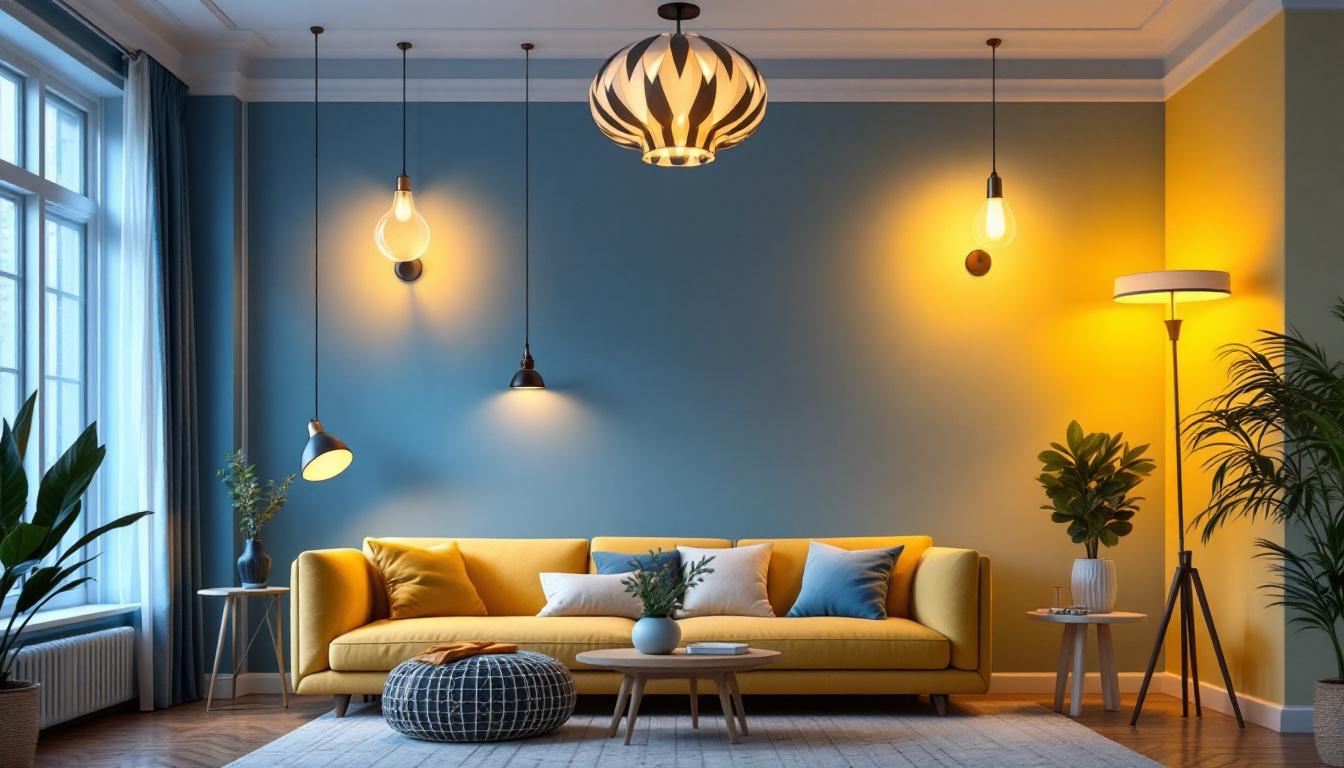
Pendant lights are versatile fixtures that hang from the ceiling by a rod, chain, or cord. They are popular in kitchens, dining areas, and commercial spaces. Pendants come in various sizes and shapes, from single bulbs to multi-light clusters.
For contractors, key considerations include the length of the drop, the type of mounting hardware, and compatibility with dimmers or smart lighting controls. Pendants often serve as task lighting, so positioning and beam angle are critical for functionality. Moreover, pendant lights can be used in creative ways to define spaces, such as grouping several pendants over a kitchen island to create a focal point. The material and finish of the pendants also play a significant role in the overall aesthetic; for example, glass shades can diffuse light beautifully, while metal finishes can add an industrial edge to the decor.
Flush and Semi-Flush Mounts
Flush mount fixtures sit directly against the ceiling, making them ideal for rooms with low ceilings. Semi-flush mounts hang slightly below the ceiling, offering a balance between style and space efficiency.
These fixtures are common in hallways, bedrooms, and bathrooms. Contractors should ensure that the mounting hardware is secure and that the fixture’s design complements the room’s décor. In addition to their practical applications, flush and semi-flush mounts come in an array of designs, from sleek and modern to ornate and traditional. This variety allows homeowners to express their personal style while maintaining a functional lighting solution. Furthermore, many modern flush mounts now incorporate LED technology, providing energy-efficient lighting options that can last for years, reducing the need for frequent bulb replacements.
Installation Considerations for Lighting Contractors
Weight and Support
One of the primary challenges when installing ceiling-hung fixtures is managing their weight. Heavy fixtures like large chandeliers require reinforced ceiling boxes or additional bracing between ceiling joists. Contractors must verify the existing ceiling structure’s capacity before installation.
Using a fan brace or a specially designed mounting bracket can provide the necessary support. Failure to adequately support a heavy fixture can lead to safety hazards and damage to the ceiling. It’s also crucial for contractors to consider the distribution of weight across the fixture. For instance, if a chandelier has multiple arms or tiers, the weight may not be evenly distributed, necessitating additional support points to ensure stability. Furthermore, understanding the material of the ceiling—whether it be drywall, plaster, or wood—can influence the choice of mounting hardware and techniques used during installation.
Electrical Wiring and Safety
Proper electrical wiring is critical for safe and effective lighting installations. Contractors should always adhere to local electrical codes and standards, including the National Electrical Code (NEC) guidelines. This includes using the correct gauge wiring, securing connections with wire nuts or connectors, and ensuring that junction boxes are rated for the fixture’s weight.
Grounding is another essential safety measure. All metal fixtures must be properly grounded to prevent electrical shock. Additionally, contractors should verify that the circuit can handle the fixture’s wattage to avoid overloading. It is also advisable to use dimmer switches that are compatible with the type of bulbs being used, as this can enhance the ambiance of a space while providing energy efficiency. Moreover, contractors should educate clients on the importance of routine maintenance checks for their lighting systems, as this can prevent potential electrical issues down the line.
Height and Placement
Determining the correct height for hanging fixtures is both an art and a science. For example, pendants over kitchen islands are typically hung 30 to 36 inches above the countertop to provide optimal task lighting without obstructing sightlines.
In dining rooms, chandeliers are usually positioned 30 to 34 inches above the table surface. In hallways or rooms with standard ceiling heights, flush or semi-flush mounts are preferred to maximize headroom. Additionally, the overall design of the room should be taken into account; for instance, in spaces with high ceilings, a longer chain or rod may be necessary to create a visually appealing proportion between the fixture and the room. It’s also beneficial for contractors to consider the room’s function when determining placement—task lighting might require lower fixtures, while ambient lighting can be higher to create a warm glow. Lastly, contractors should think about the fixture’s visual impact from various angles within the room, ensuring it complements the overall decor and enhances the space’s aesthetic appeal.
Lighting Performance and Efficiency
Light Output and Distribution
Lighting contractors must understand the relationship between fixture design and light distribution. Fixtures with open designs, such as chandeliers with exposed bulbs, provide widespread illumination, while pendant lights with shades can direct light downward for focused tasks.
Choosing the right bulb type and wattage is equally important. LED bulbs have become the industry standard due to their energy efficiency, long lifespan, and low heat output. They also offer a range of color temperatures, allowing contractors to tailor the ambiance to client preferences.
Energy Efficiency and Sustainability
With increasing emphasis on sustainability, energy-efficient lighting solutions are a priority. LED technology reduces energy consumption by up to 80% compared to incandescent bulbs, significantly lowering operating costs for clients.
Contractors should also consider fixtures that are compatible with smart controls and occupancy sensors, enabling automated lighting that further conserves energy. Many local jurisdictions now offer incentives or rebates for energy-efficient installations, which contractors can leverage to benefit clients.
Emerging Trends and Technologies in Ceiling Lighting
Smart Lighting Integration
Smart lighting systems have transformed how ceiling fixtures are controlled and customized. Integration with voice assistants, smartphone apps, and home automation platforms allows users to adjust brightness, color temperature, and scheduling with ease.
For contractors, familiarity with smart lighting protocols such as Zigbee, Z-Wave, and Wi-Fi is essential. Proper installation includes ensuring network connectivity and compatibility with existing systems.
Minimalist and Modular Designs
Contemporary design trends favor clean lines and modular lighting solutions. Fixtures that allow for customization in size, shape, and configuration are gaining popularity in both residential and commercial markets.
Lighting contractors should stay informed about new products that offer flexibility and ease of installation, enabling them to meet diverse client demands efficiently.
Human-Centric Lighting
Human-centric lighting focuses on adjusting light quality to support circadian rhythms and improve well-being. This involves dynamic lighting that changes intensity and color temperature throughout the day.
Contractors installing ceiling fixtures with tunable white LEDs or full-spectrum lighting must understand the programming and control systems to optimize these benefits for occupants.
Common Challenges and Solutions in Ceiling Fixture Installations
Dealing with Uneven Ceilings
Uneven or sloped ceilings can complicate the installation of hanging fixtures. Adjustable mounting hardware and swivel adapters are solutions that allow fixtures to hang straight despite ceiling angles.
Contractors should assess the ceiling condition during the planning phase and select fixtures and mounting systems accordingly to ensure a professional finish.
Balancing Aesthetics and Functionality
Clients often desire fixtures that are visually striking but also practical. Lighting contractors must balance these priorities by recommending fixtures that provide adequate illumination without sacrificing style.
Using layered lighting—combining ambient, task, and accent lighting—can help achieve this balance. Ceiling fixtures often serve as the ambient light source, supplemented by wall sconces or under-cabinet lights.
Retrofitting Older Buildings
Older buildings may have outdated wiring or insufficient ceiling support for modern fixtures. Contractors should conduct thorough inspections and possibly upgrade electrical components or reinforce ceiling structures before installation.
In some cases, surface-mounted junction boxes or track lighting systems can provide alternatives that minimize invasive modifications.
Conclusion: Best Practices for Lighting Contractors
Ceiling-hung light fixtures are an integral part of interior lighting design, requiring lighting contractors to possess a comprehensive understanding of types, installation techniques, electrical safety, and emerging technologies.
By prioritizing proper support, adhering to electrical codes, and staying current with industry trends, contractors can ensure successful installations that satisfy client needs and enhance spaces effectively.
Continued education, hands-on experience, and collaboration with designers and electricians will further empower lighting contractors to excel in this specialized field.
Illuminate Your Projects with LumenWholesale
Ready to elevate your lighting installations with the finest selection of ceiling-hung light fixtures? Look no further than LumenWholesale, where we offer an extensive range of high-quality, spec-grade lighting products at unbeatable wholesale prices. Our commitment to cutting out the middleman means you enjoy superior lighting solutions without the inflated markups, ensuring every project shines with reliability and high performance. Take advantage of our hassle-free bulk buying and free shipping to secure premium lighting at the best value — your one-stop shop for quality, affordability, and convenience. Choose LumenWholesale for your next project and experience the difference.