The Importance of Cubicle Lighting
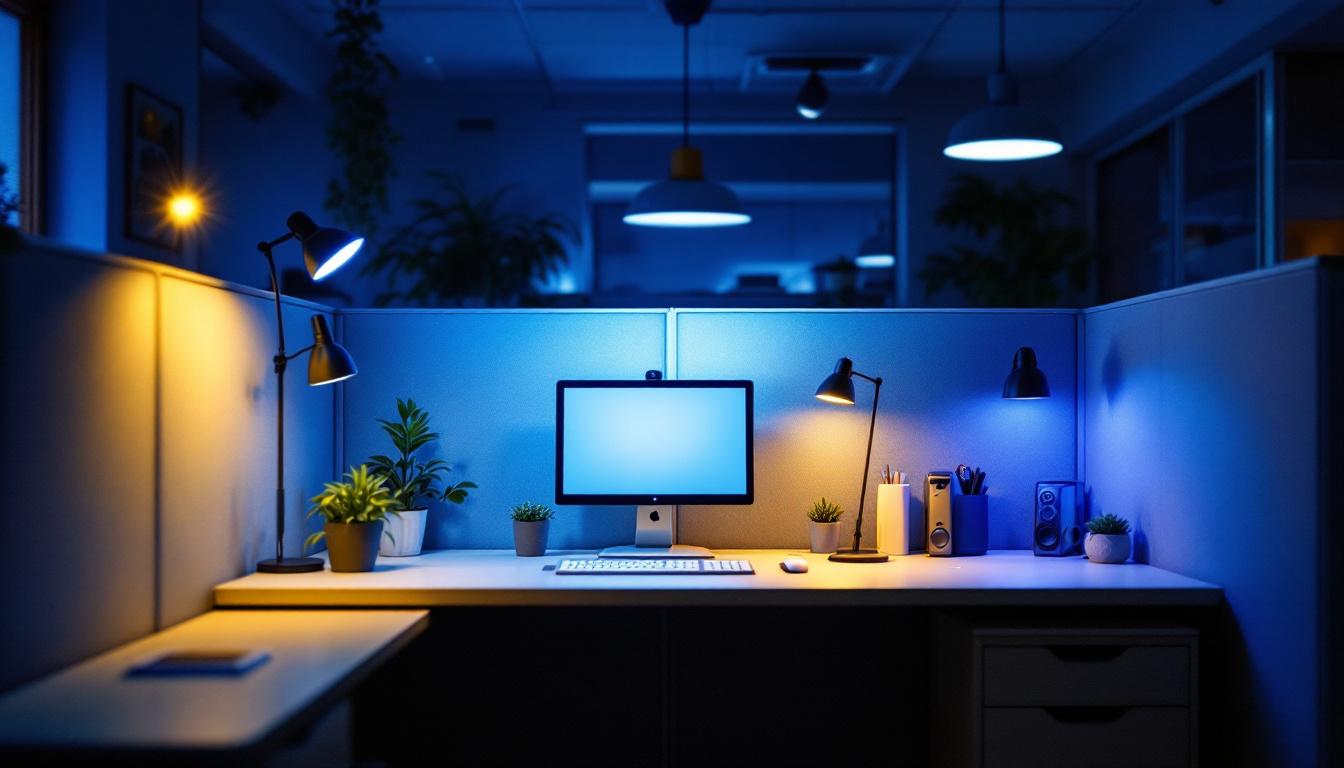
In today’s modern workplace, the significance of proper lighting cannot be overstated. Cubicle lighting plays a crucial role in enhancing productivity, employee well-being, and overall workplace aesthetics. However, many lighting contractors often overlook essential aspects when designing and implementing lighting solutions in cubicle environments.
Effective cubicle lighting not only illuminates the workspace but also influences mood, focus, and energy levels. As contractors, understanding the nuances of lighting design can set one apart in a competitive market. This article delves into common oversights and offers insights into creating optimal lighting solutions for cubicles.
Understanding Workspace Dynamics
Before diving into the technicalities of lighting, it’s vital to comprehend the dynamics of the workspace. Cubicles are often designed to be functional, but they can also become monotonous if not adequately lit. The layout, color scheme, and materials used in cubicle construction can impact how light is perceived.
Lighting contractors should consider how natural light interacts with artificial sources. For instance, cubicles positioned near windows may require different lighting solutions compared to those in the center of an office. By recognizing these dynamics, contractors can tailor their lighting designs to meet the specific needs of each workspace. Additionally, the use of reflective surfaces, such as glass or light-colored walls, can enhance the distribution of light, reducing the need for excessive fixtures and creating a more open, airy feel in the cubicle environment.
Types of Lighting Fixtures
When it comes to cubicle lighting, the choice of fixtures is paramount. Many contractors default to standard overhead fluorescent lights, which can create a harsh and uninviting atmosphere. While these fixtures are cost-effective, they often fail to provide the warm, inviting glow that enhances employee comfort.
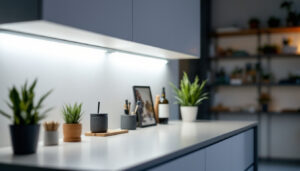
Exploring alternative lighting options, such as LED panels or task lighting, can significantly improve the ambiance. LED lights not only consume less energy but also offer a range of color temperatures that can be adjusted to suit different tasks and preferences. Incorporating dimmable options can further enhance flexibility, allowing employees to customize their lighting based on their needs. Moreover, integrating smart lighting solutions that adjust automatically based on the time of day or occupancy can optimize energy use while ensuring that each cubicle remains well-lit and conducive to work. This adaptability not only fosters a more comfortable working environment but can also lead to significant energy savings for the organization.
Common Oversights in Cubicle Lighting Design
Despite the importance of lighting, several common oversights can undermine the effectiveness of a lighting design. Understanding these pitfalls can help contractors create more functional and aesthetically pleasing cubicle environments.
Neglecting Color Temperature
One of the most frequently overlooked aspects of cubicle lighting is color temperature. The color temperature of light can significantly influence mood and productivity. Cooler temperatures (5000K and above) are often associated with alertness and concentration, making them suitable for tasks requiring focus. Conversely, warmer temperatures (below 3000K) can create a relaxing atmosphere, ideal for collaborative spaces or break areas.
Contractors should consider the specific functions of each cubicle when selecting color temperatures. A uniform approach may not be effective; instead, a tailored strategy that aligns with the activities performed in each space can yield better results. Additionally, providing employees with the ability to adjust their lighting can enhance their comfort and productivity. For instance, incorporating smart lighting systems that allow users to change color temperature and brightness can foster a more personalized work environment, catering to individual preferences and tasks throughout the day.
Ignoring Glare and Shadows
Glare and shadows are two critical factors that can detract from the effectiveness of cubicle lighting. Poorly positioned fixtures can create uncomfortable glare on screens, leading to eye strain and decreased productivity. Similarly, shadows cast by furniture or partitions can create uneven lighting, making it difficult for employees to focus on their tasks.
To mitigate these issues, contractors should conduct thorough assessments of the workspace layout and employee needs. Utilizing indirect lighting, such as wall-mounted fixtures or light diffusers, can help distribute light more evenly and reduce glare. Additionally, adjustable task lighting can provide targeted illumination where it is most needed, allowing employees to customize their workspace. Furthermore, considering the use of matte finishes on surfaces can help minimize reflections that contribute to glare, creating a more visually comfortable environment. By prioritizing these elements, contractors can enhance the overall experience of cubicle occupants, leading to improved satisfaction and efficiency in their work.
Enhancing Employee Well-Being
Lighting is not just about visibility; it also plays a significant role in employee well-being. A well-lit workspace can enhance mood, reduce fatigue, and even improve overall health. Contractors should prioritize lighting designs that contribute to a positive work environment. Studies have shown that employees who work in well-lit spaces report higher levels of satisfaction and engagement, which can lead to lower turnover rates and a more cohesive team atmosphere.
Incorporating Natural Light
Natural light has been shown to have numerous benefits, including improved mood and increased productivity. Whenever possible, contractors should design cubicle layouts that maximize exposure to natural light. This may involve strategically placing cubicles near windows or using glass partitions to allow light to flow through the space. Additionally, the incorporation of skylights can further enhance the influx of daylight, creating a more inviting and energizing workspace.
In instances where natural light is limited, contractors can mimic its effects through the use of full-spectrum LED lights. These lights replicate the qualities of natural sunlight, providing a more pleasant and energizing atmosphere. Furthermore, incorporating plants into the workspace can further enhance the connection to nature, promoting well-being and reducing stress. Research indicates that biophilic design elements, such as greenery and natural materials, can significantly improve cognitive function and emotional health, making them a valuable addition to any office design.
Promoting Flexibility and Adaptability
As workplaces evolve, so too do the needs of employees. Flexibility in lighting design is essential to accommodate changing work styles and preferences. Contractors should consider integrating adjustable lighting solutions that allow employees to customize their environment based on their tasks and personal preferences. This could include dimmable lights or task-specific fixtures that can be tailored to individual needs.
For instance, providing options for both ambient and task lighting can empower employees to create their ideal workspace. This adaptability not only enhances comfort but also fosters a sense of ownership over the work environment, ultimately leading to increased job satisfaction and productivity. Moreover, incorporating smart lighting systems that adjust automatically based on the time of day or occupancy can further enhance energy efficiency while catering to the dynamic needs of the workforce. Such innovations not only contribute to a more pleasant working atmosphere but also align with sustainability goals, reflecting a commitment to both employee well-being and environmental responsibility.
Energy Efficiency and Sustainability
In an era where sustainability is a growing concern, lighting contractors must prioritize energy-efficient solutions. Not only do energy-efficient lighting systems reduce operational costs, but they also contribute to a more sustainable workplace. As businesses increasingly recognize their environmental responsibilities, the demand for sustainable practices is becoming a key factor in decision-making processes across various industries.
Choosing Energy-Efficient Fixtures
When selecting lighting fixtures for cubicles, contractors should prioritize energy-efficient options such as LED lights. LEDs consume significantly less energy than traditional incandescent or fluorescent bulbs, resulting in lower energy bills and a reduced carbon footprint. Additionally, the longevity of LED fixtures means less frequent replacements, further contributing to sustainability efforts. The durability of LEDs also translates to less waste in landfills, as they typically last up to 25 times longer than their incandescent counterparts, making them a smart choice for both the environment and the budget.
Contractors can also explore smart lighting systems that allow for automated control of lighting based on occupancy and natural light levels. These systems can significantly reduce energy consumption while maintaining optimal lighting conditions for employees. For instance, integrating sensors that adjust brightness according to the amount of daylight entering a workspace not only conserves energy but also enhances the overall aesthetic and comfort of the environment, leading to increased productivity and employee satisfaction.
Educating Clients on Sustainability Benefits
While many clients may be aware of the importance of energy efficiency, they may not fully understand the long-term benefits of sustainable lighting solutions. Lighting contractors have an opportunity to educate their clients on the advantages of investing in energy-efficient systems, including reduced operational costs, improved employee well-being, and a positive corporate image. By highlighting how energy-efficient lighting can enhance the aesthetic appeal of a space, contractors can help clients envision the transformative power of thoughtful lighting design.
By providing clear information and case studies that highlight the benefits of sustainable lighting, contractors can position themselves as trusted advisors in the realm of lighting design. This not only enhances client relationships but also contributes to a more sustainable future for the industry. Furthermore, by showcasing successful projects that have implemented energy-efficient lighting, contractors can inspire clients to take action and invest in solutions that align with their corporate sustainability goals, thus fostering a culture of environmental responsibility within their organizations.
Conclusion: A Holistic Approach to Cubicle Lighting
In conclusion, cubicle lighting is a critical component of workplace design that should not be overlooked. By understanding the importance of lighting dynamics, avoiding common oversights, and prioritizing employee well-being, lighting contractors can create effective and aesthetically pleasing solutions for their clients.
Emphasizing energy efficiency and sustainability further enhances the value of lighting designs, positioning contractors as leaders in the industry. A holistic approach to cubicle lighting not only benefits employees but also contributes to a positive work environment and a sustainable future.
As the workplace continues to evolve, lighting contractors must stay informed and adaptable, ensuring that their designs meet the changing needs of employees and organizations alike. By doing so, they can create spaces that foster productivity, well-being, and a sense of community.
Illuminate Your Projects with LumenWholesale
Ready to elevate your cubicle lighting designs and lead the industry with sustainable, energy-efficient solutions? At LumenWholesale, we provide lighting contractors with the highest quality, spec-grade lighting products at unparalleled wholesale prices. Say goodbye to inflated markups and hello to a vast selection of reliable lighting options that meet the most rigorous industry standards. With free shipping on bulk orders, LumenWholesale is your go-to source for premium lighting without the premium price tag. Enhance your projects and support employee well-being with the best value in lighting. Wholesale Lighting at the Best Value awaits you at LumenWholesale.