In the ever-evolving world of lighting design, understanding the nuances of effective lighting for growing environments is paramount. Whether it’s for commercial agriculture, indoor gardening, or horticultural research, the right lighting can significantly impact plant growth and overall yield. However, many lighting contractors encounter pitfalls that can lead to suboptimal results and increased costs. This article aims to illuminate the path to successful lighting projects by identifying common mistakes and providing practical solutions.
Understanding Plant Lighting Needs
Before embarking on any lighting project, it is essential to grasp the specific lighting requirements of the plants being cultivated. Different species have varying light needs, which can affect growth rates, flowering, and fruiting. For instance, leafy greens like lettuce and spinach thrive under bright, consistent light, while certain flowering plants may require specific light cycles to trigger blooming. Recognizing these differences not only aids in selecting the right lighting but also enhances overall plant health and productivity.
Light Spectrum
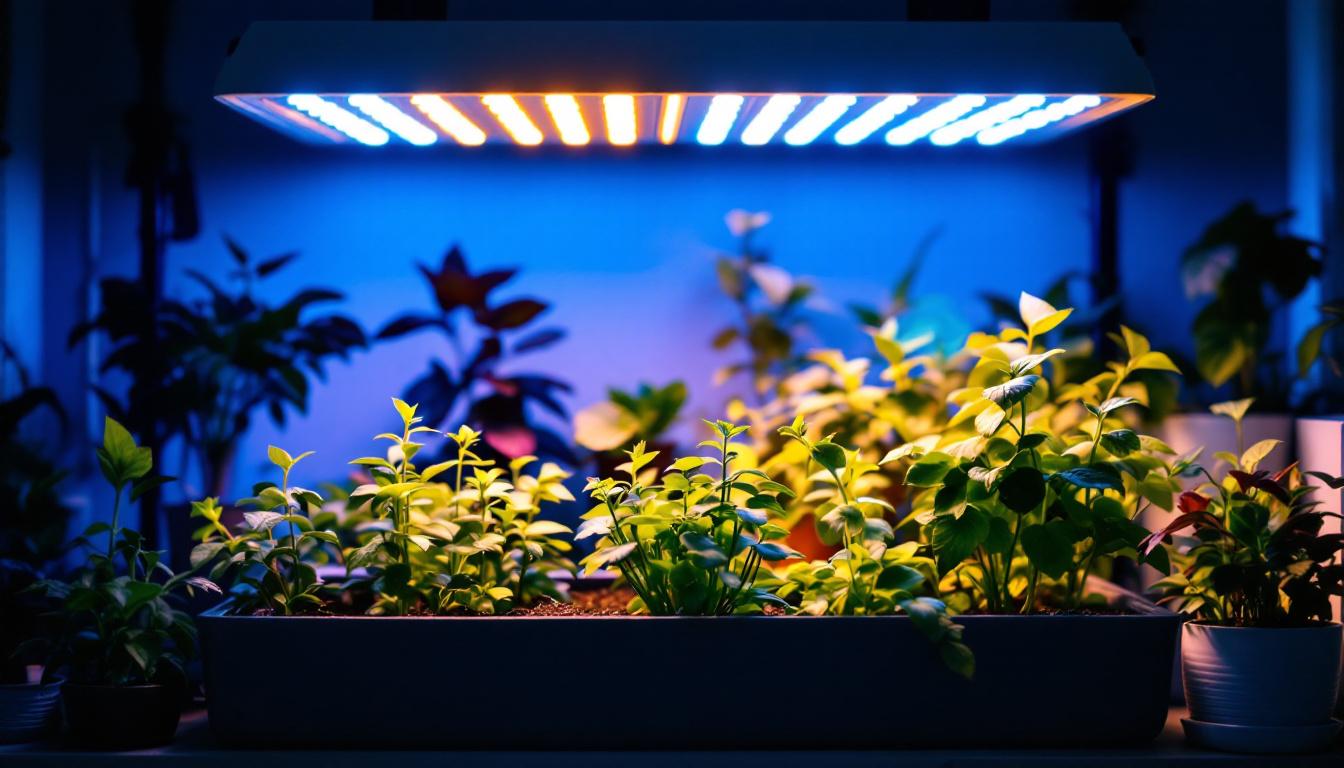
The light spectrum plays a crucial role in photosynthesis. Plants primarily utilize blue (400-500 nm) and red (600-700 nm) wavelengths. Blue light promotes vegetative growth, while red light encourages flowering and fruiting. Understanding these needs can guide the selection of appropriate lighting technologies. Additionally, some advanced lighting systems incorporate full-spectrum LEDs, which mimic natural sunlight and provide a more balanced light source. This can be particularly beneficial for indoor gardening or greenhouse environments where natural light is limited, as it supports a wider range of plant species and growth stages.
Intensity and Duration
Light intensity and duration are equally important. Insufficient light can lead to weak, leggy plants, while excessive light can cause stress and damage. It is vital to assess the specific light intensity requirements for different growth stages and adjust the duration of light exposure accordingly. A well-planned lighting schedule can optimize growth while minimizing energy consumption. For example, young seedlings often require less intense light and shorter durations, while mature plants may benefit from longer exposure to higher intensity light. Implementing a dimming feature or utilizing timers can help achieve the ideal conditions throughout the plant’s life cycle.
Photoperiodism
Plants respond to the length of light exposure, known as photoperiodism. Some plants require long days to flower, while others thrive under short-day conditions. This understanding is essential for tailoring lighting systems to meet the needs of specific crops, ensuring optimal growth and yield. Moreover, the transition between light and dark periods is just as crucial; it influences not only flowering but also processes like seed germination and leaf expansion. Growers can manipulate photoperiods to induce flowering in crops such as cannabis or to extend the growing season for certain vegetables, thus maximizing harvest potential. By carefully monitoring and adjusting photoperiods, cultivators can create an environment that closely mimics the plants’ natural habitats, leading to healthier and more productive growth.
Choosing the Right Lighting Technology
With a clear understanding of plant lighting needs, the next step is selecting the appropriate lighting technology. The market offers various options, each with its advantages and disadvantages.
LED Lighting
LEDs have gained popularity due to their energy efficiency, longevity, and customizable spectrum. They produce less heat, reducing the need for additional cooling systems. However, the initial investment can be higher than traditional lighting options. It is essential to weigh the long-term savings against upfront costs when considering LED technology. Additionally, many modern LED systems come equipped with smart technology, allowing growers to adjust light intensity and spectrum based on the specific growth stages of their plants. This adaptability can lead to enhanced growth rates and higher yields, making LED lighting a compelling choice for both hobbyists and commercial growers alike.
High-Intensity Discharge (HID) Lights
HID lights, including metal halide and high-pressure sodium lamps, have been traditional choices for horticulture. They provide high light intensity and are relatively inexpensive. However, they generate significant heat, which can necessitate additional cooling measures. Understanding the balance between light output and heat generation is crucial in avoiding costly mistakes. Furthermore, HID lights often require a ballast to operate, adding to the complexity of setup and maintenance. Growers should also consider the spectral output of HID lamps; while metal halide is excellent for vegetative growth, high-pressure sodium is favored during the flowering stage, making it important to have the right type of lamp for each growth phase.
Fluorescent Lighting
Fluorescent lights are often used for seedlings and young plants due to their lower intensity and heat output. They are cost-effective and energy-efficient for smaller-scale operations. However, they may not provide the intensity required for larger plants or commercial production. Assessing the scale of the operation is vital in choosing the right type of fluorescent lighting. Moreover, the advent of T5 fluorescent tubes has revolutionized this category, offering higher output and efficiency compared to older T8 models. These advancements make fluorescent lighting a viable option for many growers looking to start seeds indoors or maintain a small greenhouse, as they provide sufficient light without overwhelming delicate young plants.
Calculating Energy Costs
One of the most significant factors in lighting projects is energy consumption. Understanding how to calculate energy costs can prevent unexpected expenses and ensure budget adherence.
Wattage and Usage
Calculating the total wattage of the lighting system is the first step in estimating energy costs. This includes considering the number of fixtures and their wattage. Additionally, tracking the hours of operation will provide a clearer picture of energy consumption. This information is essential for making informed decisions about lighting schedules and energy-efficient practices.
Return on Investment (ROI)
When evaluating lighting options, it is crucial to consider the ROI. While some technologies may have higher upfront costs, their energy savings can lead to significant long-term benefits. Conducting a thorough analysis of energy consumption, maintenance costs, and potential yield increases can help in making informed decisions that align with financial goals.
Designing an Efficient Lighting Layout
A well-designed lighting layout is fundamental to achieving optimal plant growth. Poorly planned layouts can lead to uneven light distribution, resulting in some plants receiving too much light while others receive too little.
Light Distribution
Understanding how light travels and disperses is critical in designing an effective layout. Utilizing reflectors and diffusers can enhance light distribution and minimize shadows. Additionally, the placement of fixtures should consider the height of the plants at various growth stages to ensure adequate coverage.
Adjustable Systems
Implementing adjustable lighting systems can provide flexibility as plants grow. This adaptability allows for changes in height and intensity, ensuring that plants receive the appropriate light throughout their growth cycle. Incorporating adjustable fixtures can prevent the need for costly reconfigurations later on.
Monitoring and Maintenance
Regular monitoring and maintenance of lighting systems are essential for ensuring optimal performance. Neglecting these aspects can lead to decreased efficiency and increased costs over time.
Routine Inspections
Conducting routine inspections of lighting fixtures and systems can help identify issues before they escalate. This includes checking for burnt-out bulbs, ensuring proper alignment, and monitoring energy consumption. Proactive maintenance can extend the lifespan of lighting systems and prevent costly replacements.
Data Tracking
Implementing data tracking systems can provide valuable insights into lighting performance. Monitoring factors such as energy usage, light intensity, and plant growth can inform future decisions and adjustments. Utilizing technology for data collection can lead to more informed strategies and improved outcomes.
Educating Clients on Lighting Choices
As a lighting contractor, educating clients about their lighting choices is essential for fostering trust and ensuring successful projects. Many clients may not fully understand the implications of their lighting decisions, leading to potential mistakes.
Providing Clear Information
Offering clear and concise information about the different lighting technologies, their benefits, and potential drawbacks can empower clients to make informed decisions. This includes discussing energy efficiency, maintenance requirements, and the expected impact on plant growth.
Setting Realistic Expectations
It is vital to set realistic expectations regarding plant growth and yield based on the chosen lighting system. Clients should understand that while proper lighting can enhance growth, it is just one factor in a complex system. Providing a comprehensive overview of all contributing factors can lead to more satisfied clients and successful projects.
Case Studies: Learning from Mistakes
Analyzing past projects can provide valuable lessons for future endeavors. By examining case studies where mistakes were made, lighting contractors can identify common pitfalls and develop strategies to avoid them.
Overestimating Light Needs
In one case, a contractor overestimated the light needs of a particular crop, leading to excessive energy costs and plant stress. This situation could have been avoided with a more thorough understanding of the specific light requirements for that species. Learning to accurately assess light needs is crucial for future projects.
Poor Fixture Placement
Another common mistake involves improper fixture placement, resulting in uneven light distribution. In a commercial greenhouse, some plants thrived while others struggled due to inadequate light. This highlights the importance of careful planning and consideration of plant growth stages when designing lighting layouts.
Future Trends in Lighting for Growing
As technology continues to advance, new trends in lighting for growing environments are emerging. Staying informed about these developments can help lighting contractors remain competitive and provide the best solutions for their clients.
Smart Lighting Systems
Smart lighting systems that utilize sensors and automation are becoming increasingly popular. These systems can adjust light intensity and duration based on real-time data, optimizing energy usage and plant growth. Understanding how to integrate these technologies can provide a competitive edge in the market.
Integration with Other Technologies
Integrating lighting systems with other technologies, such as climate control and nutrient delivery systems, can create a more efficient growing environment. This holistic approach can lead to improved plant health and yield, making it essential for contractors to understand how these systems work together.
Conclusion
Lighting for growing environments is a complex but rewarding field. By understanding plant lighting needs, selecting the right technology, calculating energy costs, designing efficient layouts, and educating clients, lighting contractors can avoid costly mistakes and achieve successful outcomes. Continuous learning and adaptation to new trends will ensure that contractors remain at the forefront of the industry, providing innovative solutions that enhance plant growth and maximize yields.
Illuminate Your Projects with LumenWholesale
Ready to elevate your lighting projects and avoid costly mistakes? At LumenWholesale, we provide the expertise and high-quality, spec-grade lighting products you need at unbeatable wholesale prices. Say goodbye to middleman markups and hello to a vast selection that meets the highest industry standards. With free shipping on bulk orders, you can trust that you’re getting premium lighting at the best value — without any hidden fees. Don’t compromise on quality or affordability. Discover wholesale lighting at the best value today and bring your growing environments to life with LumenWholesale.