As a lighting contractor, understanding the optimal height for light switches is crucial for ensuring functionality, safety, and compliance with building codes. This article delves into the best practices, considerations, and guidelines that can help professionals make informed decisions regarding light switch placement. From residential to commercial settings, the height of a light switch can significantly impact user experience and accessibility.
Understanding Standard Light Switch Heights
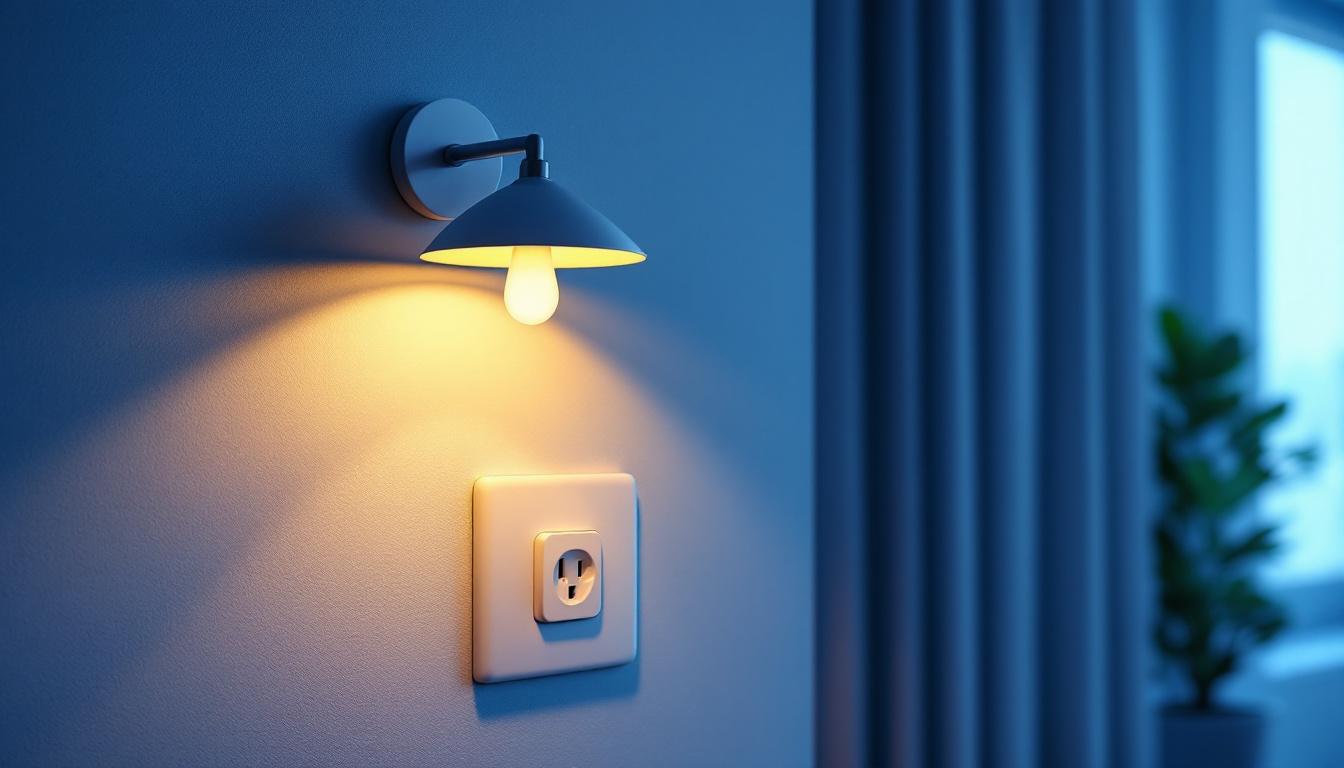
Light switches are typically installed at a standard height to accommodate the average user. The most common height for residential light switches is around 48 inches from the floor. This height allows for easy access for most adults while also considering the needs of children and individuals with disabilities.
In commercial settings, however, the height may vary based on the building’s purpose and the demographic of its users. For example, switches in offices might be placed slightly higher to accommodate desk arrangements, while those in public spaces should comply with accessibility standards.
Residential Installations
For residential installations, adhering to the 48-inch standard is generally advisable. This height is comfortable for most users and aligns with the Americans with Disabilities Act (ADA) guidelines. However, it is also essential to consider the specific needs of the household. For instance, if children are present, a lower switch height may be more appropriate to encourage independence.
Additionally, when planning the layout of a new home or renovation, it is beneficial to think about the switch’s proximity to doorways and other entry points. Ensuring that switches are easily accessible as one enters a room enhances usability and convenience. Furthermore, homeowners should consider the aesthetic integration of switches with wall colors and decor styles. Choosing switches that complement the overall design can create a seamless look while maintaining functionality.
Commercial Installations
In commercial environments, the height of light switches can vary significantly based on the type of business and the target audience. For instance, in retail spaces, switches might be placed at a height that is easily reachable by both staff and customers, often around 48 inches. However, in office settings, switches may be positioned higher, especially if they are located near workstations or desks.
It is also essential to consider the layout of the space. In large open areas, switches should be strategically placed to ensure that they are accessible from various points within the room. This might mean installing multiple switches at different heights to cater to different user needs. Moreover, the integration of smart technology into commercial spaces is becoming increasingly popular, allowing for the installation of touchless or remote-controlled switches. These innovations not only enhance accessibility but also contribute to energy efficiency, as users can control lighting without needing to physically reach for a switch.
Accessibility Considerations
Accessibility is a critical factor when determining the height of light switches. The ADA outlines specific requirements to ensure that individuals with disabilities can access light switches without difficulty. These guidelines help create inclusive environments that accommodate everyone. By adhering to these standards, architects and designers can foster spaces that not only comply with legal requirements but also promote dignity and independence for all users.
In general, the ADA recommends that light switches be installed no higher than 48 inches from the floor. Additionally, they should be located within reach of individuals using wheelchairs or other mobility devices. This consideration is vital for ensuring that all users can operate the switches comfortably. Furthermore, the installation of illuminated switches can provide an additional layer of accessibility, allowing individuals with visual impairments to locate them more easily in low-light conditions.
ADA Compliance
To ensure compliance with ADA standards, it is essential to familiarize oneself with the specific regulations that apply to light switch installation. This includes not only height but also the type of switch used. Rocker switches, for example, are often recommended over toggle switches, as they are easier to operate for individuals with limited dexterity. Additionally, the use of switches that provide tactile feedback can further assist users in confirming that they have successfully activated the light.
Moreover, the location of the switches should be free from obstructions. This means that switches should not be placed behind doors or in corners where they may be challenging to access. Proper placement can significantly enhance the usability of light switches for all individuals. It is also beneficial to consider the surrounding environment; for instance, ensuring that the area around the switch is well-lit and clear of clutter can help prevent accidents and facilitate easier access.
Special Considerations for Children and Seniors
When designing spaces that will be used by children or seniors, additional considerations should be taken into account. For children, a lower switch height can encourage independence and make it easier for them to control their environment. A height of around 36 inches may be more suitable in these cases. Furthermore, incorporating playful designs or colors can make the switches more engaging for children, fostering a sense of ownership and responsibility in managing their space.
For seniors, it is essential to consider not only the height but also the ease of use. Installing light switches that require minimal effort to operate can greatly enhance safety and comfort. This could involve using larger switches or those with a more ergonomic design to accommodate users with limited strength or mobility. Additionally, integrating smart home technology can provide seniors with the option to control lighting through voice commands or mobile apps, further enhancing their ability to navigate their environment safely and independently.
Regional Variations and Building Codes
Building codes can vary significantly by region, and it is essential for lighting contractors to be aware of local regulations regarding light switch height. While the 48-inch standard is widely accepted, some areas may have specific requirements that must be followed to ensure compliance with safety and accessibility standards. For instance, in areas with a high population of elderly residents or individuals with disabilities, codes may dictate lower switch heights to facilitate easier access. Understanding these nuances can be critical in delivering a service that meets the needs of all users.
Consulting local building codes and regulations is a best practice that can help avoid potential issues during inspections or when working with clients. Being knowledgeable about these codes not only enhances professionalism but also ensures that installations are safe and compliant. Moreover, staying updated on changes to these regulations can provide contractors with a competitive edge, as they can offer clients the most current and relevant solutions tailored to their specific needs.
Consulting Local Codes
Before starting any project, it is advisable to consult local building codes to determine the required height for light switches. This may involve reviewing state or municipal regulations, as well as any specific requirements for commercial or residential installations. Some municipalities might even have unique provisions that reflect the architectural style or historical context of the area, which can affect not only switch height but also the type of fixtures used. Understanding these local nuances can help contractors navigate the complexities of compliance more effectively.
Additionally, some regions may have specific guidelines for energy efficiency or sustainability that could impact the choice of light switches and their placement. For example, areas that prioritize green building practices might encourage the use of smart switches that can be controlled remotely or programmed for energy savings. Staying informed about these regulations can help contractors provide the best solutions for their clients, ensuring that installations are not only functional but also environmentally responsible.
Working with Architects and Designers
Collaboration with architects and interior designers can also play a significant role in determining the appropriate height for light switches. These professionals often have insights into the overall design and functionality of a space, which can influence switch placement. In some cases, designers may advocate for innovative solutions, such as integrating switches into furniture or using touch-sensitive panels that eliminate the need for traditional switch placements altogether. This can lead to a more seamless and modern aesthetic that aligns with contemporary design trends.
By working together, lighting contractors can ensure that light switches are not only functional but also aesthetically pleasing and in harmony with the overall design of the space. This collaborative approach can enhance the final outcome of a project and lead to greater client satisfaction. Furthermore, involving architects and designers early in the process can facilitate discussions about lighting control systems that enhance usability and energy efficiency, ultimately contributing to a more cohesive and user-friendly environment.
Tips for Effective Light Switch Installation
Installing light switches may seem straightforward, but several best practices can help ensure a successful installation. From planning the layout to executing the installation, attention to detail is key.
First, consider the flow of the space. Light switches should be placed at points where users naturally expect to find them, such as near doorways or entry points. This intuitive placement enhances usability and ensures that switches are easily accessible.
Planning the Layout
Before installation, take the time to plan the layout of the switches. Consider the function of each room and how the lighting will be used. For example, in a living room, multiple switches may be necessary to control different lighting zones, while in a hallway, a single switch may suffice.
Additionally, think about the potential for future changes in the space. If renovations are planned or if the space will be repurposed, it may be wise to install switches in a way that allows for flexibility and adaptability over time.
Quality of Materials
The quality of the materials used in light switch installation can also impact functionality and longevity. Opting for high-quality switches and wiring can prevent issues down the line, such as flickering lights or malfunctioning switches. Investing in reliable products can save time and money in the long run.
Furthermore, consider the style and finish of the switches. Choosing designs that complement the overall aesthetic of the space can enhance the visual appeal while maintaining functionality.
Conclusion
Determining the appropriate height for light switches is a critical aspect of lighting design and installation. By adhering to standard guidelines, considering accessibility, and staying informed about local building codes, lighting contractors can ensure that their installations are both functional and compliant.
Ultimately, the goal is to create spaces that are safe, accessible, and user-friendly. By taking the time to plan and execute light switch installations thoughtfully, contractors can enhance the overall experience for their clients and contribute to the success of their projects.
Get Your Premium Lighting Supplies at LumenWholesale
Ready to elevate your lighting installations with the highest quality materials? Look no further than LumenWholesale, where we provide lighting contractors like you with spec-grade lighting products at unbeatable wholesale prices. Our commitment to cutting out the middleman means you enjoy superior products without the inflated markups, ensuring every project shines with reliability and performance. Plus, with free shipping on bulk orders, you can stock up on premium lighting solutions without worrying about hidden fees. Don’t compromise on quality or value—Wholesale Lighting at the Best Value is just a click away. Choose LumenWholesale for the perfect blend of quality, affordability, and convenience.