In the world of urban development and infrastructure, street lighting plays a crucial role in ensuring safety, visibility, and aesthetic appeal. For lighting contractors, understanding the nuances of street light bulbs is essential for delivering high-quality installations and maintenance. This article delves into the secrets of street light bulbs that every lighting contractor should master, from choosing the right type of bulb to understanding energy efficiency and maintenance practices.
The Importance of Choosing the Right Bulb
Choosing the appropriate light bulb for street lighting is not merely a matter of brightness; it encompasses various factors including energy efficiency, durability, and color temperature. Each of these elements contributes to the overall effectiveness of street lighting. The right bulb can enhance safety, improve visibility, and even influence the aesthetic appeal of a community, making it essential for decision-makers to thoroughly evaluate their options.
Types of Street Light Bulbs
Street light bulbs come in various types, each with its own advantages and disadvantages. The most common types include High-Pressure Sodium (HPS), Metal Halide (MH), and Light Emitting Diodes (LED). Understanding these options is key to making informed decisions. Each type of bulb also has specific applications; for instance, HPS bulbs are often used in residential areas due to their longevity, while MH bulbs are favored in commercial districts where color accuracy is paramount.
High-Pressure Sodium bulbs are known for their long lifespan and high efficiency, making them a popular choice for many municipalities. However, their yellowish light can distort color perception, which is a crucial consideration in areas requiring high visibility. This limitation can pose challenges in environments such as parking lots or pedestrian zones, where accurate color recognition is vital for safety and security.
Metal Halide bulbs offer a whiter light that enhances color rendering, making them suitable for areas where aesthetics are important. However, they have a shorter lifespan compared to HPS bulbs and consume more energy. Their brightness and clarity can create a welcoming atmosphere in public spaces, but the increased maintenance costs associated with their shorter operational life can be a drawback for budget-conscious municipalities.
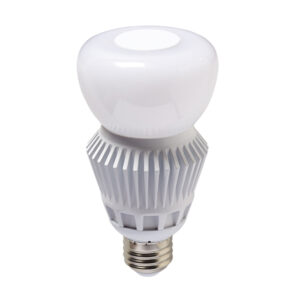
LED technology has revolutionized street lighting. Offering superior energy efficiency and a longer lifespan, LEDs are becoming the go-to choice for modern street lighting projects. Their adjustable color temperatures also allow for greater flexibility in design. Additionally, LEDs can be integrated with smart technology, enabling features such as dimming and motion sensing, which not only enhance energy savings but also improve safety by providing light only when needed.
Energy Efficiency and Sustainability
Energy efficiency is a primary concern for municipalities and contractors alike. With rising energy costs and increasing environmental awareness, selecting energy-efficient bulbs can significantly reduce operational costs and the carbon footprint of street lighting systems. The shift towards sustainable lighting solutions is not just a trend; it reflects a growing commitment to environmental stewardship and responsible resource management.
LEDs stand out in this regard, consuming up to 75% less energy than traditional HPS and MH bulbs. This efficiency translates not only into cost savings but also into reduced greenhouse gas emissions, making them an environmentally friendly option. Furthermore, the longevity of LEDs means less frequent replacements, which contributes to lower waste generation and less disruption to communities during maintenance activities.
Moreover, many regions offer incentives for using energy-efficient lighting solutions, further enhancing the appeal of LED technology. Contractors should stay informed about available rebates and incentives to provide clients with the best options. These financial incentives can significantly offset initial installation costs, making the transition to LED lighting more accessible for municipalities. Additionally, as technology continues to evolve, the potential for further advancements in energy efficiency and sustainability remains promising, paving the way for even more innovative solutions in street lighting design.
Understanding Color Temperature
Color temperature is a critical aspect of street lighting that affects visibility, safety, and ambiance. Measured in Kelvin (K), it describes the hue of the light emitted by a bulb. Understanding color temperature can help contractors choose the right bulb for specific applications. The spectrum of color temperature ranges from warm, yellowish hues to cool, bluish tones, each influencing not only the aesthetic of the environment but also the psychological comfort of those who traverse it.
Warm vs. Cool Light
Warm light, typically around 2700K to 3000K, creates a cozy and inviting atmosphere. However, it may not provide the best visibility for street lighting, especially in high-traffic areas. Cool light, ranging from 4000K to 5000K, offers better visibility and is often preferred in urban settings where safety is paramount. The choice between warm and cool light can also affect the way colors are perceived in the environment; warm light can soften the appearance of surfaces, while cool light tends to enhance clarity and detail.
Contractors should consider the specific needs of the area being illuminated. For example, residential neighborhoods may benefit from warmer light to enhance the aesthetic appeal, creating a welcoming environment for families and pedestrians. Conversely, busy intersections may require cooler light for improved visibility, as it can help drivers and pedestrians distinguish between colors and shapes more effectively, thereby reducing the likelihood of accidents. Additionally, the integration of smart lighting systems that can adjust color temperature based on time of day or traffic conditions can further optimize safety and energy efficiency.
Impact on Crime and Safety
Research has shown that well-lit streets can deter criminal activity. The choice of color temperature plays a significant role in this aspect. Cooler light temperatures are often associated with increased visibility and can help reduce the fear of crime in public spaces. Studies have indicated that areas with higher color temperatures not only improve visibility but also promote a sense of vigilance among pedestrians and drivers alike, fostering a more secure environment.
Lighting contractors should advocate for the appropriate color temperatures in their projects, particularly in areas with high foot traffic or crime rates. Ensuring that streets are adequately lit can enhance community safety and well-being. Furthermore, the implementation of consistent lighting design across neighborhoods can create a sense of continuity and security, making residents feel more comfortable as they navigate their surroundings. As cities evolve and adapt to new challenges, the role of effective street lighting, informed by an understanding of color temperature, will remain a pivotal element in urban planning and community safety initiatives.
Installation Best Practices
Proper installation of street light bulbs is essential for ensuring longevity and efficiency. Lighting contractors must adhere to best practices to maximize the performance of the lighting system.
Height and Spacing Considerations
The height at which street lights are installed and their spacing are critical factors that influence the effectiveness of the lighting. Generally, street lights should be installed at a height that allows for optimal light distribution without causing glare for drivers.
Spacing is equally important. If lights are too far apart, dark spots can occur, compromising safety. Conversely, lights that are too close together can lead to unnecessary energy consumption and increased costs. Contractors should refer to local guidelines and standards to determine the appropriate height and spacing for their projects.
Wiring and Electrical Considerations
Proper wiring and electrical setup are fundamental to the successful operation of street lighting systems. Contractors should ensure that all electrical connections are secure and comply with local codes and regulations. This includes using weather-resistant materials to protect against the elements.
Additionally, incorporating smart technology can enhance the functionality of street lighting systems. Smart controls allow for remote monitoring and management, enabling contractors to optimize energy usage and respond quickly to maintenance needs.
Maintenance and Troubleshooting
Regular maintenance is vital for ensuring the longevity and performance of street light bulbs. Lighting contractors should establish maintenance schedules and protocols to address potential issues before they escalate.
Routine Inspections
Conducting routine inspections can help identify problems such as flickering lights, burned-out bulbs, or damaged fixtures. These inspections should be systematic and thorough, covering all aspects of the lighting system.
During inspections, contractors should also check for any obstructions that may block light distribution, such as overgrown trees or debris. Addressing these issues promptly can enhance the effectiveness of the lighting system.
Replacing Bulbs and Components
When it comes to replacing bulbs, contractors should be familiar with the specific requirements of each type of bulb used in their projects. For instance, LED bulbs often come with different installation methods compared to traditional bulbs.
Additionally, it is crucial to replace bulbs promptly to maintain consistent lighting levels. Contractors should keep an inventory of commonly used bulbs and components to ensure quick replacements and minimize downtime.
Innovations in Street Lighting Technology
The street lighting industry is continually evolving, with new technologies emerging that enhance efficiency and functionality. Lighting contractors should stay informed about these innovations to provide cutting-edge solutions to their clients.
Smart Lighting Solutions
Smart lighting systems are gaining traction in urban environments. These systems utilize sensors and IoT technology to adjust lighting levels based on real-time conditions, such as traffic flow or pedestrian activity. This not only improves energy efficiency but also enhances safety.
Contractors should consider integrating smart lighting solutions into their projects, as they offer long-term benefits and can significantly reduce operational costs for municipalities.
Solar-Powered Street Lights
Solar-powered street lights are another innovative solution that is becoming increasingly popular. These lights harness solar energy to power LED bulbs, reducing reliance on traditional power sources.
While the initial investment may be higher, the long-term savings on energy costs and maintenance can make solar-powered street lights a viable option for many communities. Contractors should assess the feasibility of solar solutions based on the specific needs and conditions of their projects.
Conclusion: Mastering the Art of Street Lighting
Mastering the intricacies of street light bulbs is essential for lighting contractors aiming to deliver high-quality, efficient, and safe lighting solutions. By understanding the various types of bulbs, energy efficiency considerations, color temperature impacts, installation best practices, and maintenance protocols, contractors can elevate their expertise in the field.
As technology continues to evolve, staying informed about innovations such as smart lighting and solar solutions will further enhance a contractor’s ability to meet the needs of modern urban environments. Ultimately, the goal is to create well-lit spaces that promote safety, visibility, and community well-being.
In a world where lighting plays a pivotal role in everyday life, mastering the secrets of street light bulbs is not just an advantage—it is a necessity for lighting contractors committed to excellence.
Illuminate Your Projects with LumenWholesale
Ready to bring the art of street lighting to your next project? At LumenWholesale, we provide lighting contractors with the highest quality, spec-grade lighting products at prices that can’t be beaten. Say goodbye to local distributor markups and hello to a vast selection of reliable, high-performance lighting that meets the most stringent industry standards. With free shipping on bulk orders, you can trust that you’re getting premium lighting at the best value — all without hidden fees or compromises. Elevate your street lighting projects with the perfect blend of quality, affordability, and convenience. Wholesale Lighting at the Best Value awaits you at LumenWholesale.