Outdoor Yard Lighting: The Ultimate Lighting Contractor Checklist
Outdoor yard lighting is essential for enhancing the aesthetics and functionality of residential and commercial properties. For lighting contractors, understanding the nuances of outdoor lighting design, installation, and maintenance is crucial. This checklist serves as a comprehensive guide to ensure that every project meets the highest standards of quality and client satisfaction.
Understanding the Basics of Outdoor Lighting
Before diving into the specifics of installation and design, it is essential to grasp the fundamental principles of outdoor lighting. This knowledge will not only guide the selection of fixtures but also influence the overall design strategy. Proper outdoor lighting enhances the beauty of a property while providing safety and security. It can transform an ordinary yard into a stunning evening retreat, allowing homeowners to enjoy their outdoor spaces long after the sun has set.
Types of Outdoor Lighting
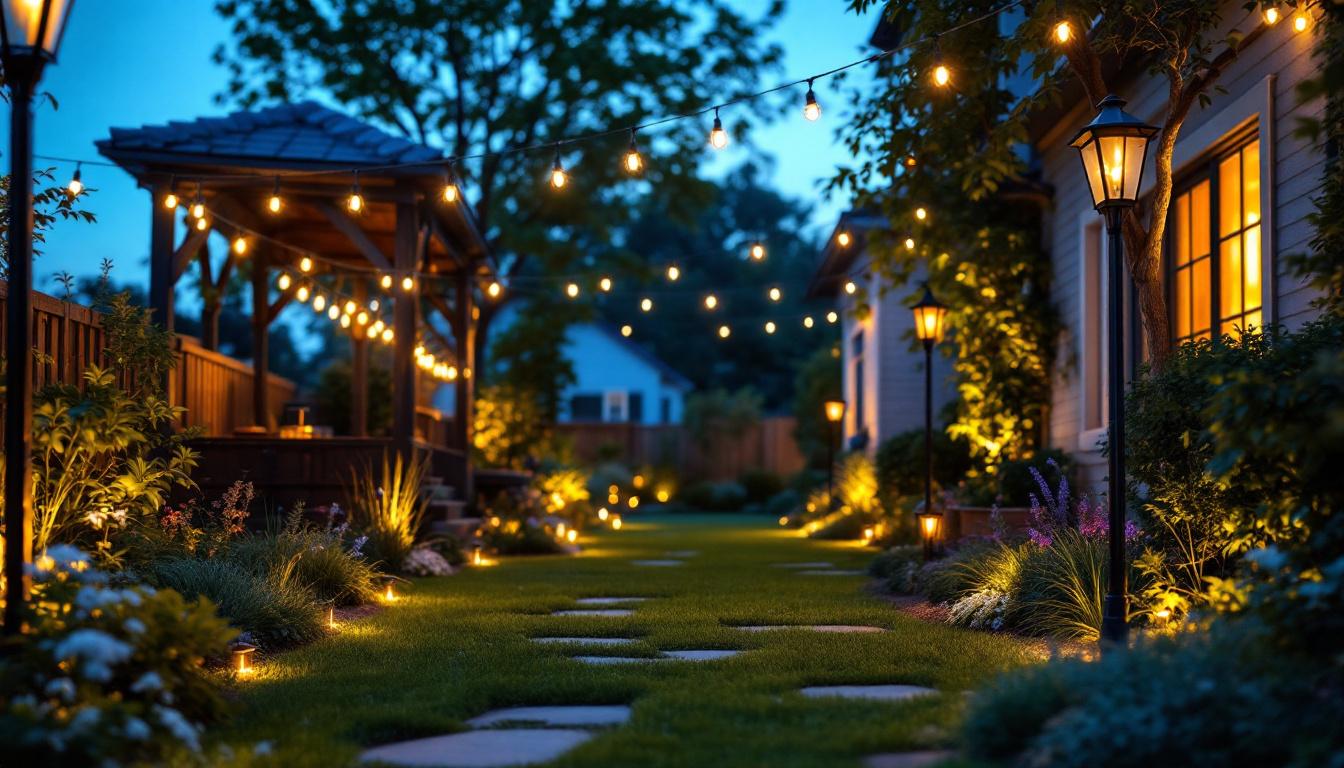
Outdoor lighting can be broadly categorized into several types, each serving a unique purpose. Pathway lights illuminate walkways, ensuring safety and accessibility. Floodlights provide broad illumination for larger areas, while accent lights highlight architectural features or landscaping. Additionally, string lights can create a festive atmosphere for gatherings, while post lights can add a touch of elegance to driveways or patios. Understanding these categories helps in selecting the right fixtures for each project, ensuring that both functionality and aesthetics are achieved.
Lighting Techniques
There are various lighting techniques that can be employed to create different atmospheres and effects. For instance, uplighting can be used to draw attention to trees or structures, while downlighting provides a more subtle glow that enhances safety without overwhelming the space. Shadowing, where light is cast from behind an object, can create dramatic effects that add depth and intrigue to landscapes. Familiarity with these techniques allows contractors to tailor their designs to client preferences and property characteristics, ensuring that each lighting scheme is as unique as the home it illuminates.
Energy Efficiency Considerations
With the growing emphasis on sustainability, energy efficiency is a critical factor in outdoor lighting design. LED fixtures, for example, consume significantly less power than traditional incandescent bulbs and have a longer lifespan. Moreover, solar-powered lights offer an eco-friendly alternative, harnessing sunlight during the day to illuminate spaces at night without relying on electricity. Incorporating energy-efficient solutions not only reduces operational costs but also appeals to environmentally conscious clients. As technology advances, smart lighting systems are becoming increasingly popular, allowing homeowners to control their outdoor lighting remotely, further enhancing energy savings and convenience.
Planning the Outdoor Lighting Design
A well-thought-out design is the backbone of any successful outdoor lighting project. This phase involves assessing the property, understanding client needs, and developing a cohesive lighting plan.
Site Assessment
Conducting a thorough site assessment is the first step in the planning process. This involves evaluating the landscape, existing structures, and any potential obstacles that may affect lighting placement. Take note of areas that require illumination for safety, such as steps or driveways, as well as features that could benefit from accent lighting. Additionally, consider the natural elements of the landscape, such as trees and shrubs, which can create shadows or block light. Understanding the seasonal changes in the environment can also influence the design; for instance, deciduous trees may provide shade in the summer but become bare in winter, altering how light interacts with the space.
Client Consultation
Engaging in a detailed consultation with the client is vital. Discuss their vision, preferences, and any specific requirements they may have. This dialogue not only helps in aligning expectations but also fosters a sense of collaboration, making clients feel valued and involved in the process. During this consultation, it can be beneficial to share examples of different lighting styles and technologies, such as LED versus incandescent, to educate clients on the options available. Additionally, exploring the emotional impact of lighting—how different colors and intensities can create various atmospheres—can help clients articulate their desires more clearly, leading to a more personalized design.
Creating a Lighting Plan
Once the site assessment and client consultation are complete, the next step is to create a comprehensive lighting plan. This plan should include a layout of fixture placements, types of lighting to be used, and a timeline for installation. Additionally, consider incorporating smart lighting solutions that allow clients to control their outdoor lights via mobile devices or voice commands. It’s also worth discussing energy efficiency and sustainability options, such as solar-powered lights or fixtures with motion sensors that reduce energy consumption. This not only appeals to environmentally conscious clients but can also lead to long-term cost savings, making the project more attractive overall.
Choosing the Right Fixtures
The selection of lighting fixtures plays a crucial role in achieving the desired aesthetic and functional outcomes. Various factors should be considered to ensure the right choices are made.
Fixture Types and Styles
Outdoor lighting fixtures come in a variety of types and styles. From sleek modern designs to more traditional lanterns, the choice should complement the architecture of the property. Additionally, consider the materials used in the fixtures, as durability is essential for withstanding outdoor conditions.
Brightness and Color Temperature
Brightness is measured in lumens, and selecting the appropriate lumen output is key to achieving the desired illumination level. Furthermore, color temperature, measured in Kelvin, affects the ambiance of the space. Warmer tones (around 2700K) create a cozy atmosphere, while cooler tones (above 4000K) can provide a more energetic feel. Understanding these aspects helps in making informed decisions regarding fixture selection.
Water Resistance and Durability
Outdoor fixtures must be able to withstand various weather conditions. Look for fixtures with a high IP (Ingress Protection) rating, which indicates their resistance to water and dust. Investing in durable fixtures not only ensures longevity but also reduces the need for frequent replacements, ultimately benefiting the client.
Installation Best Practices
Proper installation is critical to the performance and longevity of outdoor lighting systems. Following best practices can help avoid common pitfalls and ensure a successful project.
Electrical Considerations
When installing outdoor lighting, electrical safety is paramount. Ensure that all wiring is rated for outdoor use and complies with local codes. Additionally, consider the use of low-voltage systems, which can be safer and more energy-efficient. Proper grounding and circuit protection are also essential to prevent electrical hazards.
Fixture Placement
Careful consideration should be given to fixture placement to achieve optimal lighting effects. Fixtures should be positioned at appropriate heights and angles to minimize glare and maximize illumination. For instance, pathway lights should be installed at a height that provides adequate lighting without being obtrusive.
Testing and Adjustments
Once the installation is complete, testing the system is crucial. This allows for adjustments to be made to fixture angles or brightness levels to achieve the desired effect. Encourage clients to review the lighting at different times of the day to ensure they are satisfied with the outcome.
Maintenance and Upkeep
Outdoor lighting systems require regular maintenance to ensure optimal performance and longevity. Establishing a maintenance plan can help prevent issues and extend the lifespan of the fixtures.
Regular Inspections
Conducting regular inspections of the lighting system is essential. This includes checking for burnt-out bulbs, damaged fixtures, and any signs of wear and tear. Addressing issues promptly can prevent more significant problems down the line and ensure that the lighting remains functional and appealing.
Cleaning Fixtures
Outdoor fixtures can accumulate dirt, dust, and debris over time, affecting their performance and appearance. Regular cleaning is necessary to maintain their aesthetic appeal and ensure optimal light output. Use appropriate cleaning solutions and methods to avoid damaging the fixtures.
Updating Technology
As technology evolves, consider updating older systems with newer, more efficient options. Smart lighting technology, for instance, can enhance convenience and energy efficiency. Keeping up with advancements not only benefits the contractor’s reputation but also provides clients with the best possible solutions.
Common Challenges and Solutions
Outdoor lighting projects can present various challenges. Being prepared to address these issues can enhance the contractor’s reputation and client satisfaction.
Dealing with Landscape Changes
Landscapes are dynamic, and changes such as new plantings or construction can affect existing lighting systems. When this occurs, it may be necessary to adjust or relocate fixtures to accommodate these changes. Maintaining open communication with clients about potential landscape modifications can help manage expectations.
Addressing Client Concerns
Clients may have concerns about energy costs, light pollution, or fixture aesthetics. Addressing these concerns proactively can help build trust and foster a positive working relationship. Providing information about energy-efficient options and offering design solutions that minimize light pollution can alleviate many client worries.
Weather-Related Issues
Severe weather can impact outdoor lighting systems, leading to damage or malfunction. Implementing protective measures, such as using weather-resistant fixtures and ensuring proper drainage around fixtures, can mitigate these risks. Additionally, educating clients about seasonal maintenance can help them prepare for potential weather-related challenges.
Final Thoughts
Outdoor yard lighting is a critical component of landscape design that enhances both safety and aesthetics. For lighting contractors, adhering to a comprehensive checklist ensures that every project is executed with precision and care. From understanding the basics of outdoor lighting to addressing common challenges, this guide serves as a valuable resource for contractors looking to elevate their services.
By focusing on quality design, proper installation, and ongoing maintenance, contractors can create stunning outdoor spaces that not only meet but exceed client expectations. The right approach to outdoor lighting can transform ordinary yards into extraordinary landscapes, leaving a lasting impression on clients and visitors alike.
Illuminate Your Projects with LumenWholesale
Ready to elevate your outdoor yard lighting projects with the finest selection of spec-grade lighting products? Look no further than LumenWholesale, where we offer an unparalleled combination of quality, affordability, and convenience. Say goodbye to inflated markups and hello to top-quality lighting at wholesale prices, complete with the ease of free shipping for bulk purchases. Don’t compromise on excellence—choose LumenWholesale for your lighting needs and watch your landscapes transform into captivating, illuminated masterpieces.