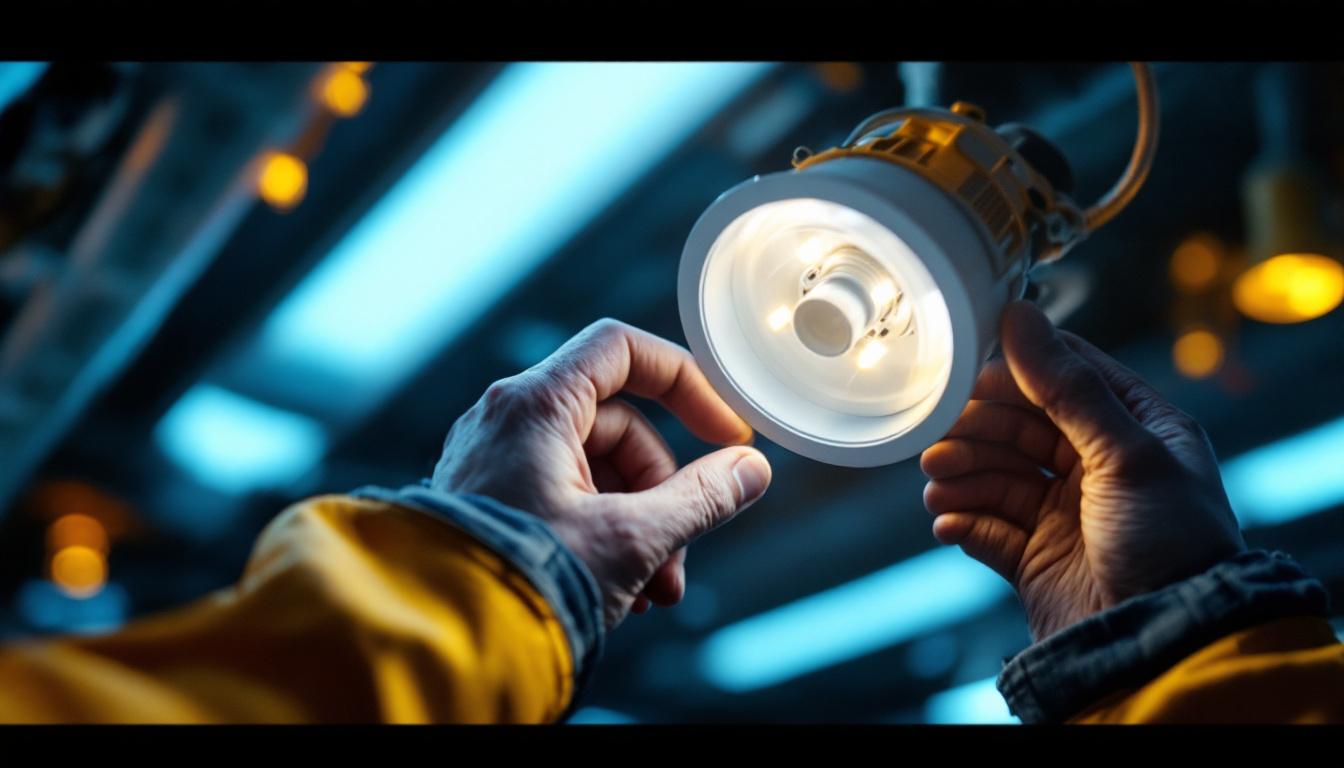
In the ever-evolving world of lighting solutions, fluorescent light fixture sockets play a pivotal role in ensuring optimal performance and longevity of lighting systems. For lighting contractors, understanding the nuances of these sockets can significantly enhance project outcomes, streamline installations, and ultimately contribute to customer satisfaction. This article delves into the various aspects of fluorescent light fixture sockets that can help contractors maximize their success.
Understanding Fluorescent Light Fixture Sockets
Fluorescent light fixture sockets are essential components that connect the fluorescent lamp to the electrical supply. They come in various types and configurations, each designed for specific applications. Familiarity with these sockets is crucial for contractors who aim to provide reliable and efficient lighting solutions.
Types of Fluorescent Light Fixture Sockets
There are several types of fluorescent light fixture sockets, including bi-pin, single pin, and recessed types. Bi-pin sockets are the most common, featuring two pins that connect directly to the lamp. Single pin sockets, on the other hand, have a single pin connection and are typically used in larger fixtures. Recessed sockets are designed for fixtures that are installed into ceilings or walls, offering a sleek and modern aesthetic.
Each type of socket has its own advantages and disadvantages. For instance, bi-pin sockets are easy to install and replace, making them a popular choice for many contractors. However, they may not be suitable for all applications, particularly in environments where moisture or dust is a concern. Understanding these differences allows contractors to select the most appropriate socket for each project. Additionally, it’s worth noting that some sockets are designed to accommodate specific lamp lengths, which can impact the overall design and functionality of the lighting system. This consideration is particularly important in commercial settings where uniform lighting is critical for both aesthetics and safety.
Socket Compatibility and Standards
It is essential for lighting contractors to be aware of the compatibility of fluorescent light fixture sockets with various lamp types. Different lamps, such as T8, T5, and T12, require specific socket designs to function correctly. Using the wrong socket can lead to poor performance, flickering, or even complete failure of the lighting system.
Moreover, adhering to industry standards and regulations is vital. Many regions have specific codes governing the installation and use of fluorescent lighting, including socket specifications. Contractors should stay informed about these standards to ensure compliance and avoid potential liabilities. Furthermore, understanding the energy efficiency ratings associated with different sockets can aid in selecting fixtures that not only meet regulatory requirements but also contribute to sustainability goals. As energy efficiency becomes increasingly important in lighting design, contractors must consider how socket choices can impact overall energy consumption and operational costs for their clients.
Installation Best Practices
Proper installation of fluorescent light fixture sockets is crucial for maximizing the performance and lifespan of the lighting system. Following best practices can help contractors avoid common pitfalls and ensure a successful installation.
Preparation and Planning
Before beginning any installation, thorough preparation and planning are essential. This includes assessing the site, understanding the lighting requirements, and selecting the appropriate socket type. Contractors should also gather all necessary tools and materials to streamline the installation process.
Additionally, reviewing the manufacturer’s instructions and guidelines is critical. These documents often contain valuable information regarding installation techniques, wiring diagrams, and safety precautions. By following these guidelines, contractors can minimize the risk of errors and ensure a successful outcome. It is also beneficial to create a checklist of all components needed for the installation, which can help in avoiding last-minute trips to the hardware store and keep the workflow efficient.
Safety Considerations
Safety should always be a top priority during any installation. Contractors must ensure that the power supply is turned off before beginning work on fluorescent light fixture sockets. This simple step can prevent electrical shocks and other accidents.
Furthermore, using appropriate personal protective equipment (PPE) is essential. Gloves, safety glasses, and hard hats can help protect contractors from potential hazards associated with electrical work. Being aware of the surroundings and potential risks can further enhance safety during the installation process. It is also advisable to have a first aid kit readily available on-site, as well as a plan for emergency situations. Familiarizing oneself with the location of the nearest emergency services can be an additional safety measure that should not be overlooked, ensuring that help is readily accessible if needed.
Maintenance and Troubleshooting
Once fluorescent light fixture sockets are installed, ongoing maintenance and troubleshooting become crucial for ensuring optimal performance. Understanding how to identify and address common issues can help contractors provide better service to their clients.
Regular Inspections
Conducting regular inspections of fluorescent light fixtures and their sockets is essential for identifying potential problems before they escalate. Contractors should look for signs of wear and tear, such as discoloration, corrosion, or loose connections. Addressing these issues early can prevent costly repairs and ensure the longevity of the lighting system.
Additionally, checking for proper lamp seating in the sockets is important. A poorly seated lamp can lead to flickering or reduced light output. Ensuring that lamps are securely and correctly installed can enhance the overall performance of the lighting system. Furthermore, it is advisable to inspect the ballast regularly, as a failing ballast can also contribute to inconsistent lighting and may require replacement. Keeping a log of inspections can help track the performance and condition of each fixture over time, allowing for proactive maintenance.
Troubleshooting Common Issues
Despite best efforts, issues may arise with fluorescent light fixture sockets. Common problems include flickering lights, dim output, or complete failure of the lamp. Understanding the potential causes of these issues can help contractors troubleshoot effectively.
Flickering lights may indicate a poor connection, either at the socket or within the wiring. Contractors should check for loose connections and ensure that the socket is properly secured. Dim output can be a sign of a failing lamp or an incompatible socket. Replacing the lamp or verifying compatibility can often resolve this issue. In addition, it’s important to consider environmental factors that might affect performance, such as temperature fluctuations or humidity levels. For example, fluorescent lights can struggle in extremely cold environments, leading to reduced efficiency and performance. Being aware of these factors can help contractors make informed decisions about fixture placement and maintenance schedules.
Choosing the Right Socket for Your Projects
Selecting the appropriate fluorescent light fixture socket for each project is crucial for achieving optimal results. Several factors should be considered when making this decision.
Project Requirements
Understanding the specific requirements of each project is essential for selecting the right socket. Factors such as the type of lamp, the environment, and the desired aesthetic should all be taken into account. For instance, if a project involves outdoor lighting, contractors may need to choose sockets that are weather-resistant to ensure durability.
Additionally, considering the energy efficiency of the chosen socket can contribute to overall project success. Energy-efficient sockets can help reduce operating costs and appeal to environmentally conscious clients.
Budget Considerations
Budget constraints are a reality in many projects. Contractors should balance the need for quality with cost considerations when selecting fluorescent light fixture sockets. While it may be tempting to opt for the cheapest option, investing in high-quality sockets can lead to better performance and fewer issues in the long run.
Moreover, contractors should consider the long-term savings associated with energy-efficient sockets. Although they may have a higher upfront cost, the reduction in energy consumption can lead to significant savings over time, making them a worthwhile investment.
Emerging Trends in Fluorescent Lighting
The lighting industry is continually evolving, with new technologies and trends emerging regularly. Staying informed about these developments can help contractors remain competitive and offer cutting-edge solutions to their clients.
LED Alternatives
While fluorescent lighting has been a staple in the industry for years, the rise of LED technology is changing the landscape. LED alternatives to fluorescent lighting offer numerous benefits, including greater energy efficiency, longer lifespans, and reduced maintenance costs. As more clients seek sustainable solutions, contractors may need to adapt their offerings to include LED options.
Transitioning to LED technology may also require a shift in socket design and compatibility. Contractors should stay informed about the latest advancements in LED technology and how they impact socket selection and installation practices.
Smart Lighting Solutions
Another emerging trend in the lighting industry is the integration of smart technology. Smart lighting solutions allow for greater control and customization, enabling users to adjust brightness, color, and scheduling through mobile apps or voice commands. As clients increasingly demand these features, contractors should consider incorporating smart lighting options into their projects.
Understanding the compatibility of fluorescent light fixture sockets with smart technology can enhance the overall functionality of the lighting system. Contractors who embrace these advancements can position themselves as leaders in the industry and attract a broader client base.
Conclusion
Fluorescent light fixture sockets are a critical component of successful lighting installations. By understanding the various types, installation best practices, maintenance requirements, and emerging trends, lighting contractors can maximize their success in the industry. Staying informed and adapting to changes in technology and client preferences will ensure that contractors remain competitive and continue to deliver high-quality lighting solutions.
In a field where precision and reliability are paramount, investing time and resources into mastering the intricacies of fluorescent light fixture sockets can yield significant dividends. By prioritizing quality, safety, and innovation, contractors can build a reputation for excellence and foster lasting relationships with their clients.
Get Your Premium Lighting Supplies at LumenWholesale
Ready to elevate your lighting installations with the best in class fluorescent light fixture sockets? Look no further than LumenWholesale for all your lighting needs. Our extensive selection of spec-grade lighting products is designed to meet the highest industry standards, ensuring you deliver reliable and high-performance lighting to your clients. With unbeatable wholesale prices and the convenience of free shipping on bulk orders, LumenWholesale is your go-to source for quality lighting without the inflated markups. Don’t compromise on quality or value—Wholesale Lighting at the Best Value is just a click away. Partner with us and experience the difference that quality, affordability, and convenience can make in your next project.