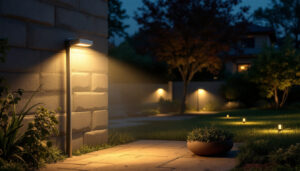
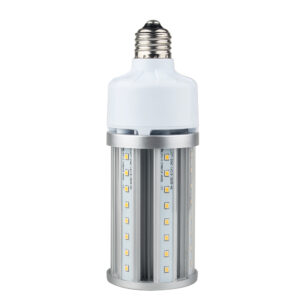
Lighting contractors play a crucial role in ensuring that residential and commercial spaces are well-lit and aesthetically pleasing. One component that often comes into play is the Type B candelabra bulb. This article delves into the specifics of Type B candelabra bulbs, the common challenges faced by lighting contractors, and practical solutions to avoid these issues.
Understanding Type B Candelabra Bulbs
Type B candelabra bulbs are a popular choice for decorative lighting applications. They are characterized by their small base and are commonly used in chandeliers, sconces, and other fixtures where a compact light source is needed. These bulbs are available in various wattages and styles, including incandescent, LED, and halogen, allowing for flexibility in design and functionality.
One of the defining features of Type B bulbs is their unique shape, which often resembles a candle flame. This design not only adds an aesthetic appeal but also provides a warm glow that enhances the ambiance of any space. However, understanding the nuances of these bulbs is essential for lighting contractors to ensure proper installation and functionality.
Types of Type B Candelabra Bulbs
There are several types of Type B candelabra bulbs available on the market. Incandescent bulbs, for example, are known for their warm light and dimming capabilities, making them a favorite for many traditional applications. However, they are less energy-efficient compared to their LED counterparts.
LED Type B bulbs have gained popularity due to their long lifespan and energy efficiency. They consume significantly less power while providing the same amount of light as incandescent bulbs. Additionally, LED options are available in various color temperatures, allowing contractors to select the perfect hue for a given project. Some LED Type B bulbs even offer smart technology features, enabling users to control brightness and color via smartphone apps or voice-activated devices, thus enhancing convenience and personalization.
Common Applications
Type B candelabra bulbs are versatile and can be used in a variety of settings. They are commonly found in residential environments, such as in dining rooms and living areas, where they can be used in chandeliers and decorative fixtures. In commercial spaces, these bulbs are often used in restaurants and hotels to create an inviting atmosphere.
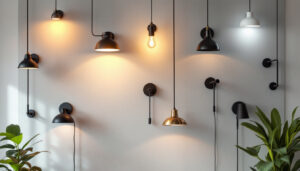
Moreover, the compact size of Type B bulbs makes them ideal for use in smaller fixtures where space is limited. This adaptability allows lighting contractors to incorporate them into diverse design schemes, enhancing the overall aesthetic appeal of the space. Beyond traditional uses, Type B bulbs are also finding their way into modern design elements, such as pendant lights and wall-mounted fixtures, where they can serve as both functional lighting and artistic statement pieces. Their ability to blend seamlessly with various decor styles—from rustic to contemporary—makes them a go-to choice for designers looking to create a cohesive look throughout a space.
Challenges Faced by Lighting Contractors
While Type B candelabra bulbs offer numerous benefits, they also present specific challenges that lighting contractors must navigate. Understanding these challenges is key to ensuring successful installations and satisfied clients.
Compatibility Issues
One of the most common issues lighting contractors encounter is compatibility with existing fixtures. Not all fixtures are designed to accommodate Type B bulbs, leading to potential installation problems. It is essential to verify the specifications of the fixture and ensure that it can safely handle the wattage and size of the bulb being installed.
Additionally, contractors should be aware of the differences between bulb bases. Type B bulbs typically have a candelabra base, which may not fit into fixtures designed for standard or medium bases. This mismatch can lead to frustration during installation and can potentially damage the fixture or the bulb. Furthermore, contractors must also consider the aesthetic implications of using Type B bulbs in fixtures that were originally designed for other bulb types. The visual consistency of lighting in a space can be affected, and clients may have specific preferences regarding the appearance of their lighting, making it crucial for contractors to communicate these limitations effectively.
Heat Management
Heat management is another critical concern when working with Type B candelabra bulbs. Incandescent bulbs, in particular, generate a significant amount of heat, which can pose a risk if the bulbs are installed in enclosed fixtures. Overheating can lead to bulb failure or even create fire hazards.
To mitigate these risks, contractors should always check the manufacturer’s recommendations regarding maximum wattage and heat dissipation. Additionally, using heat-resistant fixtures and ensuring proper ventilation can help manage heat levels effectively. It’s also worth noting that the advancement of LED technology has introduced alternative options for Type B bulbs that produce less heat, which can be a game-changer for contractors seeking to enhance safety and efficiency in their installations. By promoting these energy-efficient alternatives, contractors can not only address heat concerns but also appeal to environmentally conscious clients looking to reduce their energy consumption and carbon footprint.
Best Practices for Installation
To avoid common issues associated with Type B candelabra bulbs, lighting contractors should adhere to best practices during installation. These practices not only enhance safety but also improve the longevity and performance of the lighting system.
Conducting Thorough Assessments
Before beginning any installation, it is crucial for contractors to conduct a thorough assessment of the space and the existing fixtures. This assessment should include checking the compatibility of the Type B bulbs with the fixtures, as well as evaluating the electrical system to ensure it can handle the load.
Additionally, contractors should consider the intended use of the space. For example, if the area requires dimmable lighting, it is essential to select dimmable Type B bulbs and compatible dimmer switches. This attention to detail will help prevent issues down the line and ensure that clients are satisfied with the final result.
Proper Handling and Installation Techniques
Handling Type B candelabra bulbs with care is paramount. Contractors should always wear gloves when installing bulbs to prevent oils from their skin from transferring to the glass, which can lead to premature failure. Furthermore, ensuring that the bulb is securely screwed into the socket will prevent flickering or disconnection.
During installation, it is advisable to turn off the power to the fixture to avoid electrical shocks. This precaution not only ensures the safety of the contractor but also protects the integrity of the electrical system.
Common Maintenance Issues
Even after a successful installation, maintenance is an ongoing responsibility for lighting contractors. Regular maintenance can help identify and resolve issues before they escalate, ensuring that Type B candelabra bulbs continue to perform optimally.
Regular Inspections
Conducting regular inspections of installed fixtures is essential for identifying potential issues. Contractors should check for signs of wear and tear, such as flickering lights or discoloration of the bulb. Addressing these issues promptly can prevent more significant problems and extend the lifespan of the bulbs.
Additionally, inspecting the electrical components, such as sockets and wiring, is crucial. Loose connections can lead to inconsistent performance and may pose safety risks. Ensuring that all components are in good condition will contribute to the overall reliability of the lighting system.
Replacing Bulbs and Components
When it comes to maintenance, lighting contractors should be proactive about replacing Type B candelabra bulbs as needed. Keeping a stock of replacement bulbs on hand can streamline the maintenance process and minimize downtime for clients.
Moreover, if a fixture is consistently experiencing issues, it may be worth investigating whether the fixture itself needs replacement or repair. Upgrading to more modern fixtures that are designed to accommodate energy-efficient bulbs can also enhance performance and reduce maintenance needs.
Educating Clients on Type B Candelabra Bulbs
Education plays a vital role in the successful use of Type B candelabra bulbs. Lighting contractors should take the time to educate their clients about the benefits and limitations of these bulbs, empowering them to make informed decisions regarding their lighting choices.
Discussing Energy Efficiency
One of the primary advantages of LED Type B candelabra bulbs is their energy efficiency. Contractors should explain to clients how switching to LED options can lead to significant energy savings over time. This information can be particularly appealing to clients looking to reduce their energy bills and environmental impact.
Additionally, providing insights into the lifespan of different bulb types can help clients understand the long-term benefits of investing in quality lighting solutions. Educating clients about the importance of choosing the right bulb for their specific needs can enhance their overall satisfaction with the lighting system.
Offering Maintenance Tips
Contractors should also offer maintenance tips to clients, helping them understand how to care for their Type B candelabra bulbs. Simple practices, such as regularly dusting fixtures and checking for signs of wear, can significantly extend the life of the bulbs.
Encouraging clients to reach out for assistance with any issues can foster a positive relationship and ensure that they feel supported throughout the lifespan of their lighting systems.
Conclusion
Type B candelabra bulbs are a popular choice for both residential and commercial lighting applications. However, lighting contractors must be aware of the common challenges associated with these bulbs to ensure successful installations and satisfied clients. By understanding the nuances of Type B bulbs, adhering to best practices during installation, and providing ongoing maintenance and education, contractors can avoid potential issues and deliver exceptional lighting solutions.
As the demand for energy-efficient and aesthetically pleasing lighting continues to grow, staying informed about the latest advancements in Type B candelabra bulbs will be essential for lighting contractors. By embracing these best practices and fostering strong client relationships, contractors can position themselves as trusted experts in the field of lighting design and installation.
Illuminate Your Projects with LumenWholesale
Ready to elevate your lighting installations with the finest Type B candelabra bulbs and other spec-grade lighting products? Look no further than LumenWholesale. We provide contractors with exceptional lighting solutions at wholesale prices that can’t be beaten. Our commitment to quality, affordability, and convenience ensures that you receive the best value for your bulk purchases, along with the benefit of free shipping. Don’t let inflated markups dim your project’s potential. Choose LumenWholesale for your lighting needs and experience the difference. Visit us today at Wholesale Lighting at the Best Value and light up your next project with confidence.