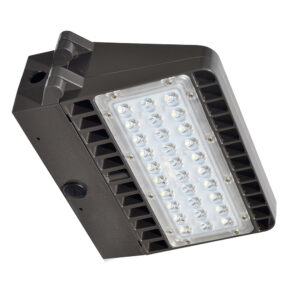
In the world of lighting design and installation, the term “recptical” may not be familiar to everyone. However, for lighting contractors, understanding this concept is crucial for the successful execution of projects. More than just a technical term, recpticals represent a fundamental aspect of lighting systems that can significantly impact both functionality and aesthetics. This article delves into what recpticals are, their importance in lighting projects, and how they can bridge the gap between design and implementation.
Understanding Recpticals
What is a Recptical?
A recptical is essentially a receptacle designed to hold light fixtures or lamps. It serves as the interface between the electrical supply and the lighting fixtures, allowing for both power delivery and secure mounting. While this may seem straightforward, the choice and placement of recpticals can have a profound effect on the overall performance and appearance of a lighting installation.
In many cases, recpticals are taken for granted, often overshadowed by the more visually striking elements of a lighting project. However, their role in ensuring that installations are safe, efficient, and compliant with regulations cannot be overstated. Understanding the nuances of recpticals can help contractors make informed decisions that enhance the quality of their work. For example, different types of recpticals are designed for specific applications, such as recessed lighting, pendant fixtures, or wall sconces, and selecting the appropriate one can prevent potential issues down the line, such as overheating or inadequate support.
The Role of Recpticals in Lighting Design
In lighting design, recpticals are not merely functional components; they are integral to the overall aesthetic and operational effectiveness of a space. Properly selected and positioned recpticals can contribute to a seamless integration of lighting fixtures, ensuring that they complement the design vision while also meeting practical needs.
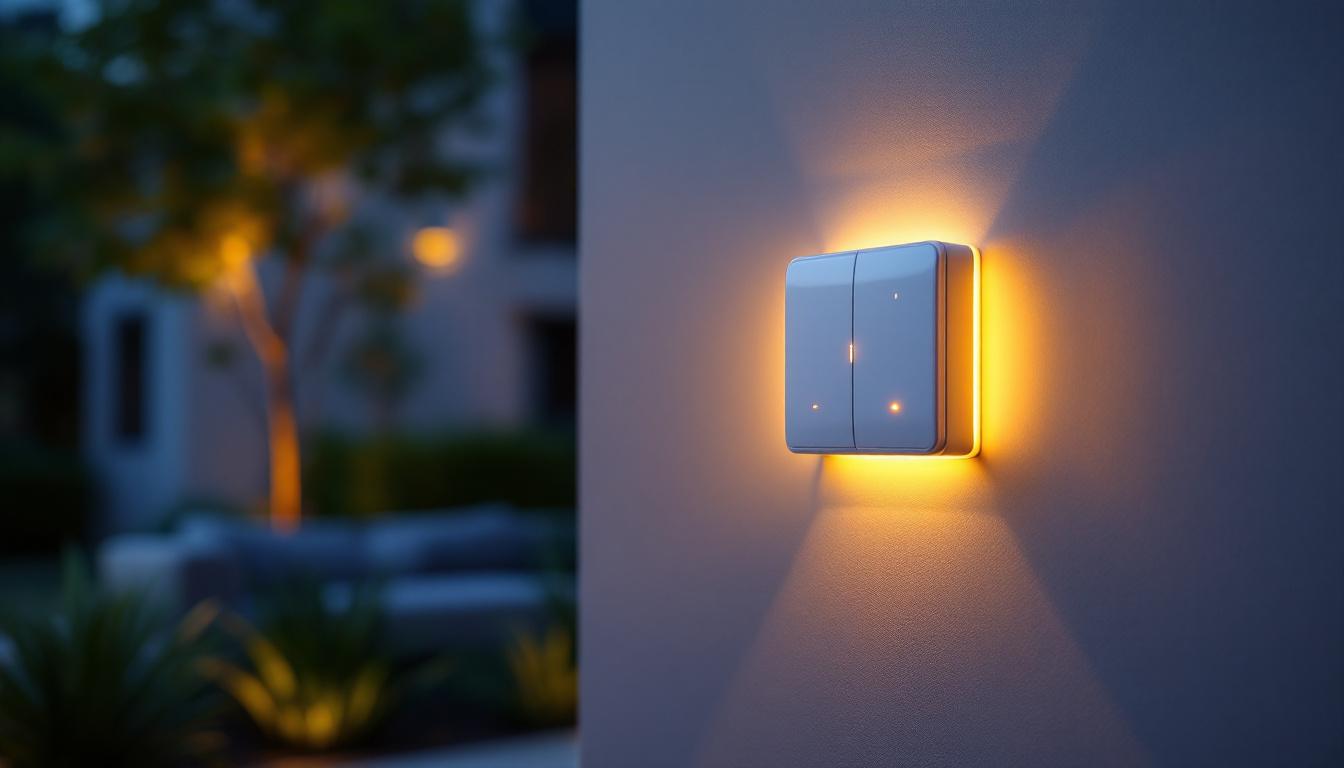
For instance, in a commercial setting, the placement of recpticals can influence the distribution of light, affecting everything from visibility to ambiance. In residential projects, recpticals can enhance the usability of spaces, allowing homeowners to easily control lighting in various areas. Therefore, understanding the specific requirements of each project is vital for selecting the right type of recptical. Additionally, the materials and finishes of recpticals can also play a significant role in the overall design scheme. For example, a sleek, metallic recptical may enhance a modern aesthetic, while a more ornate, vintage-style recptical could complement a traditional decor. Furthermore, advancements in technology have led to the development of smart recpticals, which allow for remote control and automation of lighting, adding another layer of functionality and convenience to contemporary lighting designs.
Common Challenges with Recpticals
Incompatibility Issues
One of the most common challenges faced by lighting contractors is the incompatibility between recpticals and the fixtures they are intended to support. This issue can arise from a variety of factors, including differences in voltage requirements, physical dimensions, and mounting methods. When these elements do not align, it can lead to installation delays, increased costs, and unsatisfactory results.
To mitigate these challenges, it is essential for contractors to conduct thorough compatibility checks during the planning phase of a project. This involves not only reviewing the specifications of the recpticals and fixtures but also considering the overall design and functionality of the lighting system. By taking a proactive approach, contractors can avoid potential pitfalls and ensure a smoother installation process. Furthermore, utilizing advanced software tools for design simulations can help visualize the final outcome and identify any potential compatibility issues before the actual installation begins, saving both time and resources.
Compliance with Regulations
Another significant challenge associated with recpticals is ensuring compliance with local electrical codes and safety regulations. These standards are designed to protect both installers and end-users, and failure to adhere to them can result in serious consequences, including fines and safety hazards.
Contractors must stay informed about the latest regulations governing lighting installations, particularly those related to recpticals. This includes understanding the requirements for grounding, load capacities, and circuit configurations. By prioritizing compliance, contractors can not only enhance the safety of their projects but also build a reputation for reliability and professionalism. Additionally, attending industry workshops and seminars can provide valuable insights into evolving regulations, as well as best practices for maintaining compliance. Networking with other professionals in the field can also facilitate the sharing of knowledge and experiences, further strengthening a contractor’s ability to navigate the complexities of regulatory requirements.
Choosing the Right Recpticals
Types of Recpticals
When it comes to selecting recpticals, contractors have a variety of options to choose from, each designed for specific applications. Common types include standard wall-mounted recpticals, recessed recpticals, and surface-mounted recpticals, among others. Each type has its own advantages and limitations, making it essential for contractors to understand the unique requirements of their projects.
For example, wall-mounted recpticals are ideal for traditional lighting setups, while recessed options can provide a more streamlined look in modern designs. Surface-mounted recpticals, on the other hand, may be better suited for areas with limited ceiling height or where aesthetics are not a primary concern. By evaluating the specific needs of a project, contractors can make informed decisions that enhance both functionality and design. Additionally, specialized recpticals such as weatherproof or GFCI (Ground Fault Circuit Interrupter) options are crucial for outdoor installations or areas prone to moisture, ensuring safety and compliance with electrical codes.
Material Considerations
The materials used in recpticals can also play a significant role in their performance and longevity. Common materials include plastic, metal, and composite options, each offering different levels of durability and resistance to environmental factors. For instance, metal recpticals may provide better protection in industrial settings, while plastic options could be more suitable for residential applications.
Contractors should consider the environmental conditions of the installation site when selecting materials. Factors such as humidity, temperature fluctuations, and exposure to chemicals can all affect the longevity and safety of recpticals. By choosing the right materials, contractors can ensure that their installations stand the test of time. Furthermore, it’s essential to consider the electrical load that the recpticals will handle; heavier-duty materials may be necessary for high-wattage appliances, while lighter materials can suffice for standard household devices. This careful evaluation not only enhances safety but also optimizes the overall performance of the electrical system.
Installation Best Practices
Planning and Layout
Effective installation of recpticals begins with careful planning and layout. Contractors should take the time to assess the space and determine the optimal placement of recpticals to achieve the desired lighting effects. This involves considering factors such as the height of ceilings, the layout of furniture, and the intended use of each area.
In addition, it is important to account for the electrical load and ensure that recpticals are placed in a way that allows for efficient wiring and circuit management. By taking a systematic approach to planning, contractors can minimize the risk of errors and create a more efficient installation process.
Safety Precautions
Safety should always be a top priority when installing recpticals. Contractors must adhere to best practices for electrical safety, including turning off power before beginning work, using appropriate personal protective equipment, and following manufacturer guidelines for installation. Additionally, ensuring that recpticals are securely mounted and properly grounded is essential for preventing accidents and ensuring long-term reliability.
Regular inspections during the installation process can also help identify potential issues before they become problematic. By prioritizing safety, contractors can protect themselves, their clients, and the integrity of their work.
Innovations in Recptical Technology
Smart Recpticals
As technology continues to evolve, so too does the world of lighting. One of the most exciting developments in recent years has been the rise of smart recpticals. These innovative devices allow for greater control over lighting systems, enabling users to adjust settings remotely or through automated systems.
Smart recpticals can enhance energy efficiency, improve user experience, and contribute to the overall functionality of a space. For contractors, integrating smart recpticals into projects can set them apart from competitors and appeal to clients looking for modern, tech-savvy solutions.
Energy Efficiency and Sustainability
In an age where sustainability is a growing concern, the focus on energy-efficient recpticals has never been more important. Many manufacturers are now producing recpticals that are designed to minimize energy consumption and reduce environmental impact. This includes features such as energy monitoring capabilities and compatibility with LED lighting systems.
Contractors who prioritize energy efficiency in their projects not only contribute to a more sustainable future but also appeal to environmentally conscious clients. By incorporating energy-efficient recpticals, contractors can enhance the value of their services and position themselves as leaders in sustainable lighting solutions.
Conclusion
In conclusion, recpticals may often be overlooked in lighting projects, but they are a critical component that can influence both the functionality and aesthetics of a space. By understanding their importance, addressing common challenges, and staying informed about innovations in technology, lighting contractors can elevate their projects to new heights.
Whether dealing with compatibility issues, ensuring compliance with regulations, or selecting the right materials, a comprehensive approach to recpticals can lead to more successful installations. As the lighting industry continues to evolve, embracing the potential of recpticals will be essential for contractors looking to thrive in a competitive market.
Ultimately, the key to a successful lighting project lies in the details. By recognizing the significance of recpticals and integrating them thoughtfully into designs, contractors can deliver exceptional results that meet the needs of their clients and enhance the overall quality of their work.
Illuminate Your Projects with LumenWholesale
Ready to enhance your lighting projects with the right recpticals and a vast array of quality lighting solutions? Look no further than LumenWholesale, where we provide contractors with spec-grade lighting products at unbeatable wholesale prices. Our commitment to quality, affordability, and convenience ensures that you receive the best value for your investment. Say goodbye to inflated markups and hello to premium lighting with free shipping on bulk orders. Elevate your lighting designs today by visiting Wholesale Lighting at the Best Value and discover the LumenWholesale difference.