In the world of interior design and architecture, lighting plays a pivotal role in shaping the overall ambiance and functionality of a space. Among the various lighting options available, hanging pendant lights have emerged as a popular choice for both residential and commercial settings. For lighting contractors, staying updated on the latest trends, technologies, and applications of pendant lights is essential for meeting client expectations and enhancing project outcomes.
The Evolution of Pendant Lighting
Over the years, pendant lighting has undergone significant transformations, evolving from simple utility fixtures to stylish design elements that can elevate any room. Understanding this evolution helps contractors appreciate the versatility and potential of pendant lights in contemporary design.
Historical Context
Pendant lights have roots that trace back to the early 19th century, where they were primarily used for practical purposes. Initially, these fixtures were designed to provide illumination in homes and public spaces, often featuring simple designs and utilitarian materials. However, as design trends shifted, so did the aesthetics of pendant lighting.
By the mid-20th century, pendant lights began to embrace artistic designs, incorporating various materials such as glass, metal, and even fabric. This period marked the beginning of pendant lights being recognized not just as functional fixtures but as integral components of interior design.
Modern Innovations
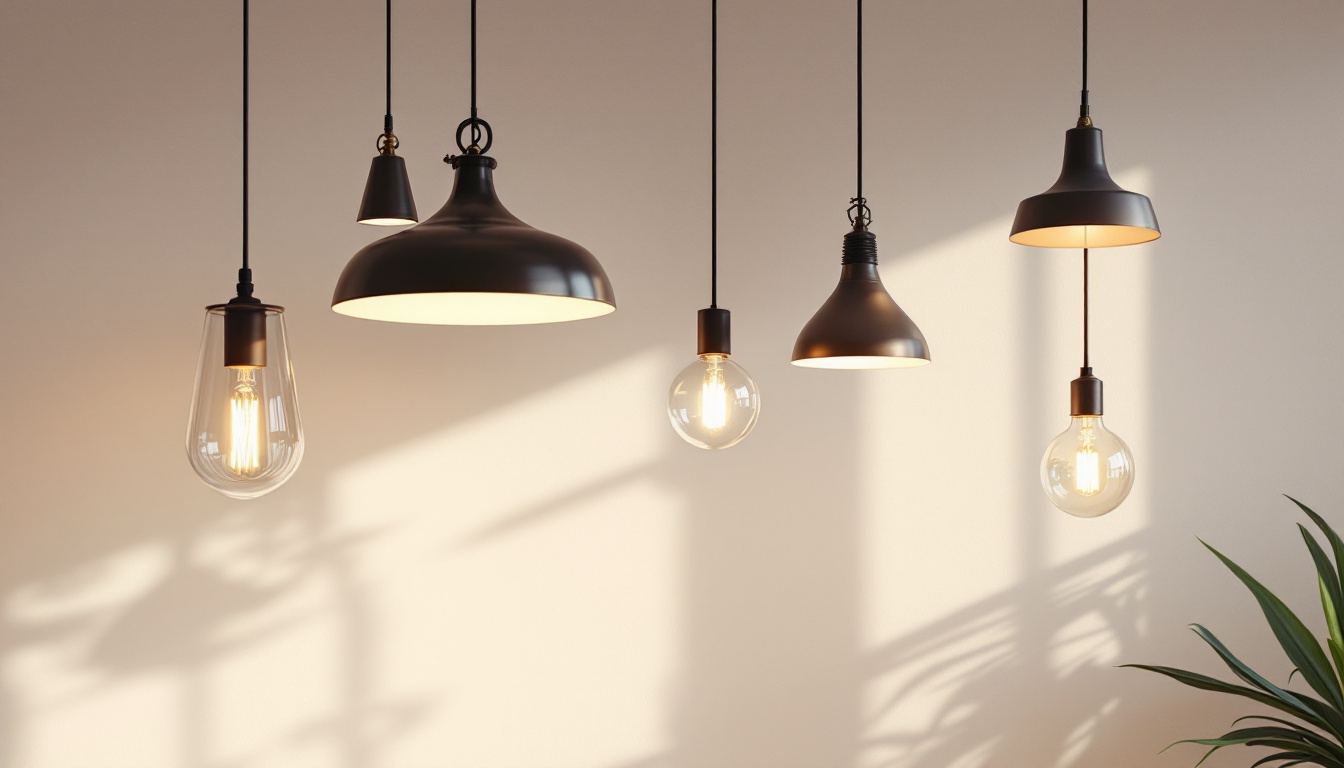
Today, pendant lights are available in an array of styles, sizes, and technologies. From minimalist designs that complement modern aesthetics to elaborate fixtures that serve as statement pieces, the options are virtually limitless. Moreover, advancements in LED technology have allowed for energy-efficient solutions that do not compromise on style or brightness.
Smart technology integration has also become a significant trend. Many pendant lights now come equipped with features that allow for remote control, dimming options, and even color changes, providing homeowners with greater flexibility and control over their lighting environment.
Benefits of Hanging Pendant Lights
Hanging pendant lights offer numerous advantages that make them an attractive option for various applications. Understanding these benefits can help lighting contractors recommend the right solutions to their clients.
Versatility in Design
One of the most significant benefits of pendant lights is their versatility. They can be used in a variety of settings, from kitchens and dining areas to living rooms and commercial spaces. Their ability to complement different design styles, whether modern, rustic, or industrial, makes them a go-to choice for many designers and homeowners.
Contractors can leverage this versatility by offering clients tailored solutions that align with their specific design preferences and functional needs. For instance, a cluster of pendant lights can create a dramatic focal point in a dining area, while a single, sleek pendant can enhance the minimalist appeal of a modern kitchen.
Functional Illumination
Beyond aesthetics, pendant lights provide functional illumination that can enhance the usability of a space. They can be strategically placed to provide task lighting over work areas, such as kitchen islands or desks, ensuring that the light is directed where it is needed most.
In commercial settings, pendant lights can help define spaces, guiding customers and enhancing their experience. For example, using pendant lights in a retail environment can draw attention to specific products or areas, creating an inviting atmosphere that encourages exploration.
Trends Shaping Pendant Lighting
Staying updated on the latest trends in pendant lighting is crucial for lighting contractors. These trends not only reflect changing consumer preferences but also influence the types of products that are available in the market.
Eco-Friendly Options
As sustainability becomes an increasingly important consideration for consumers, eco-friendly lighting options are gaining traction. Many manufacturers are now producing pendant lights using sustainable materials, such as recycled metals or responsibly sourced wood. Additionally, energy-efficient LED bulbs are becoming standard in pendant lighting designs, reducing energy consumption and lowering utility bills for homeowners.
Contractors should be prepared to discuss these eco-friendly options with clients, highlighting the long-term benefits of choosing sustainable lighting solutions. This not only appeals to environmentally conscious consumers but also positions contractors as knowledgeable professionals in the industry.
Customization and Personalization
Another trend that is shaping the pendant lighting market is customization and personalization. Homeowners are increasingly looking for unique lighting solutions that reflect their individual style and preferences. This trend has led to the rise of customizable pendant lights, where clients can choose from various materials, colors, and designs to create a fixture that is truly one-of-a-kind.
Lighting contractors can capitalize on this trend by partnering with manufacturers who offer customizable options. This not only enhances the contractor’s service offerings but also allows clients to feel more connected to their lighting choices, resulting in greater satisfaction.
Installation Considerations
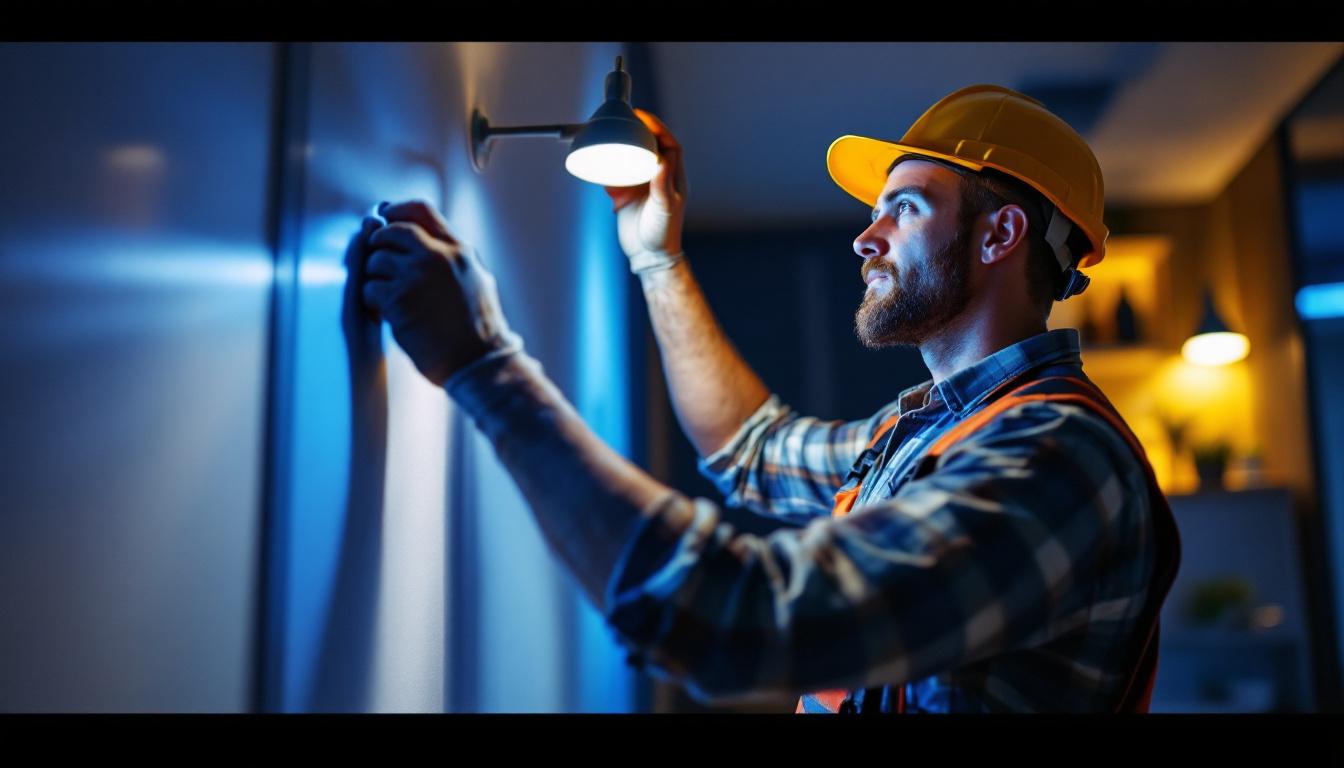
While pendant lights offer numerous benefits, proper installation is crucial to ensure their effectiveness and safety. Lighting contractors must be well-versed in the best practices for installing these fixtures, as well as the potential challenges that may arise during the process.
Height and Placement
One of the key considerations when installing pendant lights is determining the appropriate height and placement. The height at which pendant lights are hung can significantly impact both the functionality and aesthetics of a space. For example, in dining areas, pendant lights should typically be hung 30 to 36 inches above the table to provide adequate illumination without obstructing views.
In contrast, pendant lights used for task lighting, such as over kitchen islands, may need to be hung slightly lower to ensure that the light is directed where it is needed most. Contractors should also consider the scale of the pendant light in relation to the space, ensuring that it complements rather than overwhelms the surrounding decor.
Electrical Considerations
Proper electrical installation is another critical aspect of pendant light installation. Contractors must ensure that the electrical wiring is capable of supporting the fixture’s weight and power requirements. This may involve upgrading existing wiring or installing new circuits, particularly in older homes where electrical systems may not meet current standards.
Additionally, contractors should be familiar with local building codes and regulations governing lighting installations. Adhering to these codes not only ensures safety but also protects the contractor from potential liability issues.
Marketing Pendant Lighting Services
In a competitive market, lighting contractors must effectively market their pendant lighting services to attract clients. Developing a strong marketing strategy can help contractors differentiate themselves and showcase their expertise in this area.
Showcasing Past Projects
One effective way to market pendant lighting services is by showcasing past projects. Creating a portfolio that highlights successful installations can demonstrate the contractor’s skills and design sensibilities. High-quality photographs of completed projects, along with client testimonials, can provide potential clients with a clear understanding of what to expect.
Contractors can also leverage social media platforms to share images and videos of their work, engaging with a broader audience and attracting new clients. Regularly posting content related to pendant lighting trends, tips, and installations can position the contractor as a thought leader in the industry.
Networking with Designers and Architects
Building relationships with interior designers and architects can also be a valuable marketing strategy. These professionals often seek reliable lighting contractors for their projects, and establishing a network can lead to referrals and collaborations. Attending industry events, trade shows, and local design fairs can provide opportunities for contractors to connect with potential partners and showcase their expertise.
By positioning themselves as knowledgeable and reliable partners in the design process, lighting contractors can increase their chances of being recommended for pendant lighting installations.
The Future of Pendant Lighting
As technology continues to advance and consumer preferences evolve, the future of pendant lighting looks promising. Lighting contractors who stay informed about emerging trends and innovations will be well-equipped to meet the changing needs of their clients.
Integration with Smart Home Technology
The integration of pendant lighting with smart home technology is one of the most exciting developments on the horizon. As homeowners increasingly embrace smart devices, the demand for lighting solutions that can be controlled remotely is on the rise. This includes the ability to adjust brightness, color, and even create lighting schedules through smartphone apps or voice-activated assistants.
Contractors should familiarize themselves with the latest smart lighting products and systems to offer clients comprehensive solutions that enhance their living spaces. Understanding how to integrate pendant lights with smart home technology will not only meet client demands but also position contractors as forward-thinking professionals in the industry.
Emphasis on Wellness and Biophilic Design
Another trend gaining traction is the emphasis on wellness and biophilic design in lighting. As more people recognize the impact of lighting on mood and well-being, there is a growing interest in fixtures that promote a healthy environment. Pendant lights that mimic natural light or incorporate elements of nature can contribute to a more harmonious living space.
Lighting contractors can explore options that align with this trend, offering clients solutions that enhance their overall well-being. By promoting the benefits of wellness-focused lighting, contractors can differentiate themselves in a crowded market and appeal to health-conscious consumers.
Conclusion
Hanging pendant lights have become a staple in modern interior design, offering both functional illumination and aesthetic appeal. For lighting contractors, staying updated on the latest trends, technologies, and installation practices is essential for delivering exceptional service and meeting client expectations. By understanding the evolution of pendant lighting, embracing current trends, and effectively marketing their services, contractors can position themselves as leaders in the industry.
As the market continues to evolve, those who adapt and innovate will thrive, ensuring that their clients enjoy the beauty and functionality that pendant lights can bring to their spaces.
Illuminate Your Projects with LumenWholesale
Ready to elevate your lighting game with the latest pendant light designs and technologies? Look no further than LumenWholesale, where we provide lighting contractors with top-quality, spec-grade lighting products at unbeatable wholesale prices. Our extensive selection is curated to meet the highest industry standards, ensuring you deliver reliable, high-performance lighting for every project. Plus, with free shipping on bulk orders, you can enjoy premium lighting at the best value — without hidden fees or compromises. Don’t miss out on the perfect blend of quality, affordability, and convenience. Wholesale Lighting at the Best Value is just a click away.