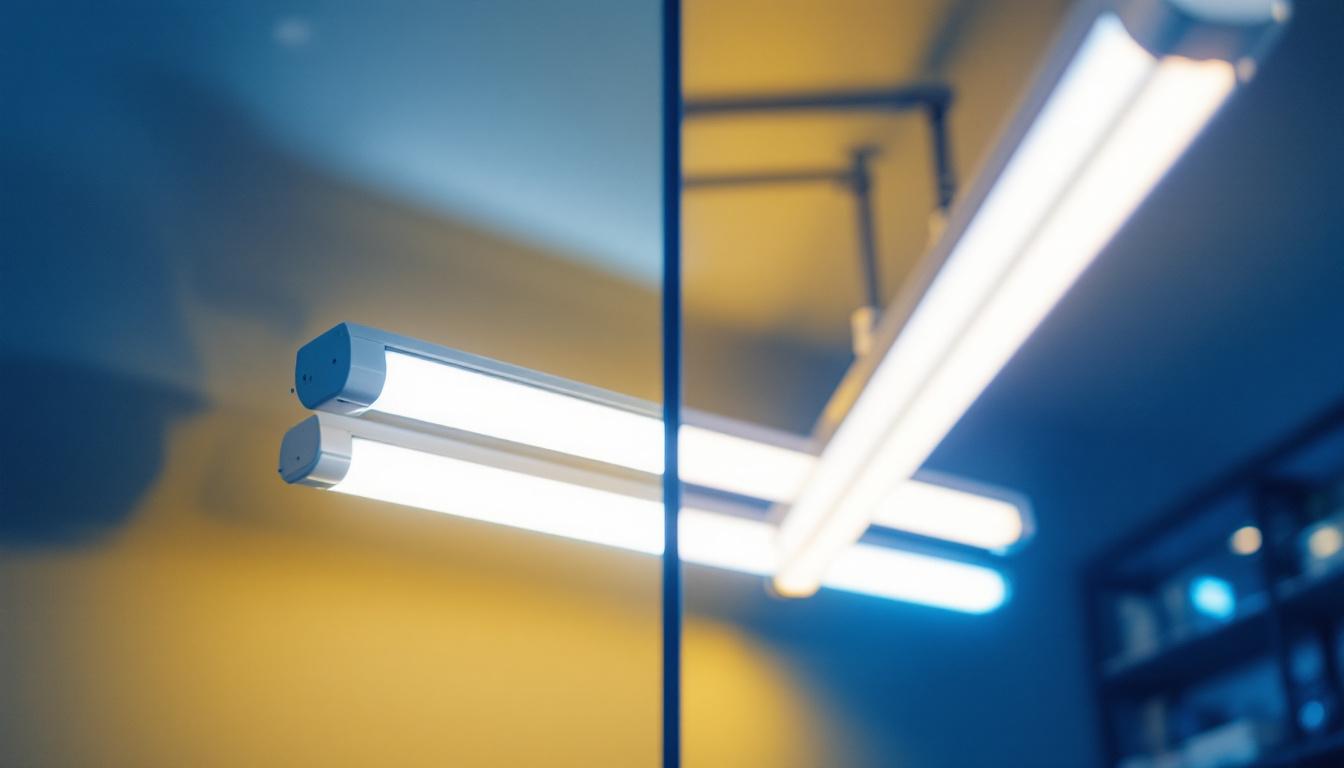
Lighting plays a crucial role in enhancing the functionality and aesthetics of any space. For lighting contractors, understanding the differences between various types of fluorescent lights is essential for making informed decisions that meet client needs. Two of the most common types are T8 and T12 lights. This guide will delve into the characteristics, advantages, and applications of T8 and T12 lights, helping contractors choose the right option for their projects.
Understanding T8 and T12 Lights
T8 and T12 refer to the diameter of the fluorescent tubes, measured in eighths of an inch. T8 lights have a diameter of 1 inch, while T12 lights measure 1.5 inches. This seemingly small difference in size can lead to significant variations in performance, energy efficiency, and application suitability.
Physical Characteristics
The physical attributes of T8 and T12 lights play a vital role in their installation and usage. T8 bulbs are typically more compact and lighter than T12 bulbs, which can make installation easier in certain fixtures. Additionally, the smaller diameter of T8 bulbs allows for a more modern and sleek appearance, which can be a consideration in design-oriented projects.
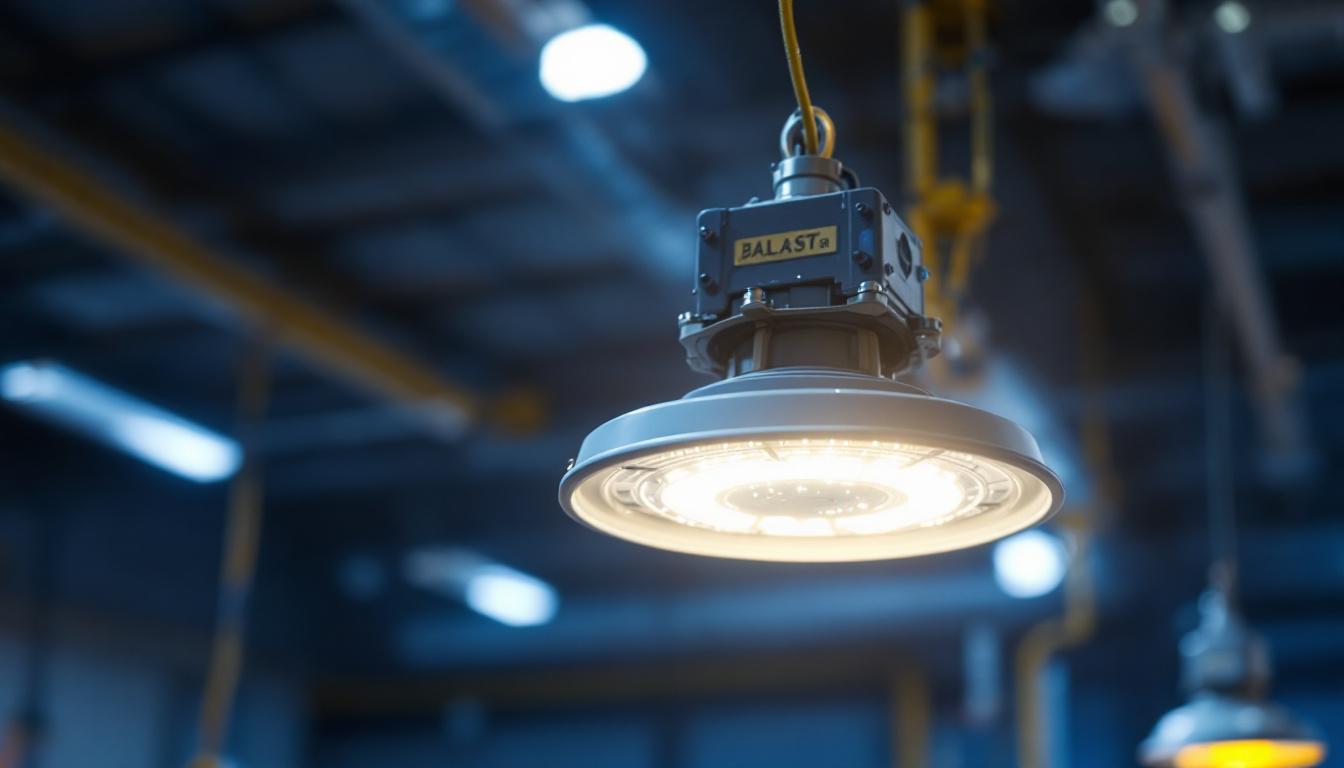
Furthermore, the sockets and ballasts used for T8 and T12 lights differ. T8 fixtures are designed specifically for T8 bulbs, and using the wrong type can result in performance issues or even damage. Understanding these physical characteristics is crucial for ensuring compatibility and optimal performance. In many cases, retrofitting older T12 fixtures to accommodate T8 bulbs can be a viable option, allowing for a more energy-efficient solution without the need for complete fixture replacement.
Energy Efficiency
Energy efficiency is a significant factor for contractors and clients alike. T8 lights are generally more energy-efficient than T12 lights. T8 fluorescent tubes typically consume less power for the same amount of light output, which can result in lower energy bills for clients over time. This efficiency is particularly important in commercial settings where lighting is used extensively.
Moreover, the advancements in technology have led to the development of high-efficiency T8 bulbs that can further reduce energy consumption. These bulbs often provide better lumen output per watt, making them an attractive option for contractors looking to promote sustainability and cost savings. Additionally, the longer lifespan of T8 bulbs compared to T12 bulbs means that clients can benefit from reduced maintenance costs and less frequent replacements, contributing to overall operational efficiency in facilities.
As energy regulations become stricter, many businesses are finding that switching from T12 to T8 lighting is not just a matter of preference but a necessity for compliance. Various incentives and rebates are often available for businesses that make the switch, further enhancing the financial benefits of adopting T8 technology. This shift not only aligns with energy conservation goals but also reflects a growing commitment to environmental stewardship in the commercial sector.
Performance Comparison
When it comes to performance, both T8 and T12 lights have their strengths and weaknesses. Understanding these differences can help contractors make informed recommendations to their clients based on specific lighting needs.
Lumen Output
Lumen output is a critical factor in determining the effectiveness of a lighting solution. T8 lights typically offer a higher lumen output compared to T12 lights, which means they can illuminate a space more effectively. This is particularly advantageous in environments that require bright, consistent lighting, such as warehouses, retail spaces, and offices.
However, T12 lights can still be suitable for applications where lower light levels are acceptable. For instance, in areas like storage rooms or corridors, where bright lighting is not a priority, T12 lights may still be used effectively. Additionally, the lower lumen output of T12 lights can sometimes create a softer ambiance, which might be desirable in specific settings like waiting rooms or lounges where a more relaxed atmosphere is preferred. This versatility allows for a broader application of T12 lights in less demanding environments.
Color Rendering Index (CRI)
The Color Rendering Index (CRI) measures how accurately a light source displays colors compared to natural light. T8 lights generally have a higher CRI than T12 lights, which means they can render colors more accurately. This characteristic is particularly important in settings such as art galleries, retail stores, and design studios, where color accuracy is essential.
Contractors should consider the CRI when selecting lighting solutions for spaces where color perception is critical. A higher CRI can enhance the overall aesthetic appeal of a space and improve the experience for occupants. Furthermore, environments such as photography studios or fashion boutiques may benefit from the superior color rendering of T8 lights, as they help to showcase products in their true colors, thereby influencing customer decisions. In contrast, T12 lights, while less effective in color rendering, can still serve practical purposes in environments where the focus is less on aesthetics and more on functionality, such as in industrial settings or utility areas.
Cost Considerations
Cost is always a significant factor in any lighting project. When comparing T8 and T12 lights, it’s essential to consider both initial costs and long-term savings.
Initial Investment
In terms of initial investment, T12 lights are often less expensive than T8 lights. This lower upfront cost can make T12 lights an attractive option for budget-conscious clients or projects where the lighting will not be used extensively. However, it’s important to remember that the lower initial cost may lead to higher energy bills over time due to their lower efficiency.
On the other hand, while T8 lights may have a higher initial cost, their energy efficiency can lead to significant savings in the long run. Contractors should weigh the initial investment against potential savings when making recommendations to clients.
Maintenance and Replacement Costs
Maintenance and replacement costs are also critical considerations. T8 lights typically have a longer lifespan compared to T12 lights, which means they require less frequent replacement. This longevity can reduce maintenance costs and downtime, making T8 lights a more cost-effective choice in the long run.
Additionally, the ease of installation and replacement of T8 fixtures can save contractors time and labor costs, further enhancing their appeal. Clients often appreciate solutions that minimize disruptions and maintenance requirements.
Applications and Suitability
Understanding the applications and suitability of T8 and T12 lights is essential for lighting contractors. Each type of light has its ideal environments and uses, which can influence the decision-making process.
Commercial Spaces
In commercial spaces, T8 lights are often the preferred choice due to their energy efficiency, higher lumen output, and better CRI. These characteristics make T8 lights suitable for offices, retail stores, and warehouses, where bright, accurate lighting is essential for productivity and customer experience.
Conversely, T12 lights may still find applications in less demanding commercial environments or in older facilities where retrofitting to T8 fixtures may not be feasible. Contractors should assess the specific lighting needs of the space and the client’s budget when making recommendations.
Industrial Applications
In industrial settings, the choice between T8 and T12 lights can depend on the specific requirements of the workspace. T8 lights are often favored for their energy efficiency and longer lifespan, making them ideal for factories, manufacturing plants, and warehouses where lighting is critical for safety and productivity.
However, T12 lights may still be found in older industrial facilities. Contractors should consider the potential for upgrades to T8 lighting to improve energy efficiency and performance in these environments.
Future Trends in Lighting Technology
The lighting industry is continually evolving, with new technologies and trends emerging regularly. Understanding these trends can help contractors stay ahead of the curve and provide the best solutions for their clients.
LED Lighting
One of the most significant trends in the lighting industry is the shift towards LED lighting. LED technology offers numerous advantages over traditional fluorescent lighting, including even greater energy efficiency, longer lifespans, and reduced maintenance costs. As LED technology continues to advance, many contractors are considering transitioning from T8 and T12 fluorescent lights to LED alternatives.
LEDs can provide similar or even superior lumen output and CRI, making them a compelling choice for a wide range of applications. Contractors should stay informed about the latest LED products and technologies to offer clients the most efficient and effective lighting solutions.
Smart Lighting Solutions
Another trend gaining traction is the integration of smart lighting solutions. These systems allow for greater control over lighting environments, enabling features such as dimming, scheduling, and remote access. Smart lighting can enhance energy efficiency and improve user experience, making it an attractive option for both residential and commercial applications.
Contractors should consider incorporating smart lighting options into their proposals, particularly for clients interested in modernizing their spaces and enhancing energy management.
Conclusion
In conclusion, the choice between T8 and T12 lights involves various factors, including energy efficiency, performance, cost, and application suitability. T8 lights generally offer superior efficiency, longer lifespans, and better performance, making them a preferred choice for many lighting contractors and clients. However, T12 lights may still have their place in specific applications, particularly in budget-sensitive projects.
As the lighting industry continues to evolve with advancements in technology, contractors should remain informed about the latest trends, including the shift towards LED lighting and smart solutions. By understanding the differences between T8 and T12 lights and staying updated on industry developments, lighting contractors can provide valuable insights and recommendations to their clients, ensuring successful and efficient lighting solutions for every project.
Illuminate Your Projects with LumenWholesale
Ready to elevate your lighting projects with the most efficient, cost-effective solutions? Look no further than LumenWholesale, where we specialize in providing contractors with the highest quality, spec-grade lighting products at unbeatable wholesale prices. Say goodbye to the middleman and hello to superior lighting without the inflated markups. Our extensive selection is designed to meet the highest industry standards, ensuring your projects shine with reliable, high-performance lighting. Plus, with free shipping on bulk orders, you can secure premium lighting at the best value — without hidden fees or compromises. Make the smart choice for your lighting needs and experience the perfect blend of quality, affordability, and convenience. Visit LumenWholesale today for Wholesale Lighting at the Best Value.