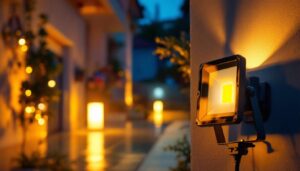
In the world of electrical installations, especially in outdoor and damp environments, the choice of connectors can significantly impact the longevity and reliability of the lighting systems. Water proof wire connectors are essential components that ensure safety and functionality in various applications. This article aims to provide lighting contractors with a comprehensive understanding of these connectors, their types, applications, and best practices for installation.
Understanding Water Proof Wire Connectors
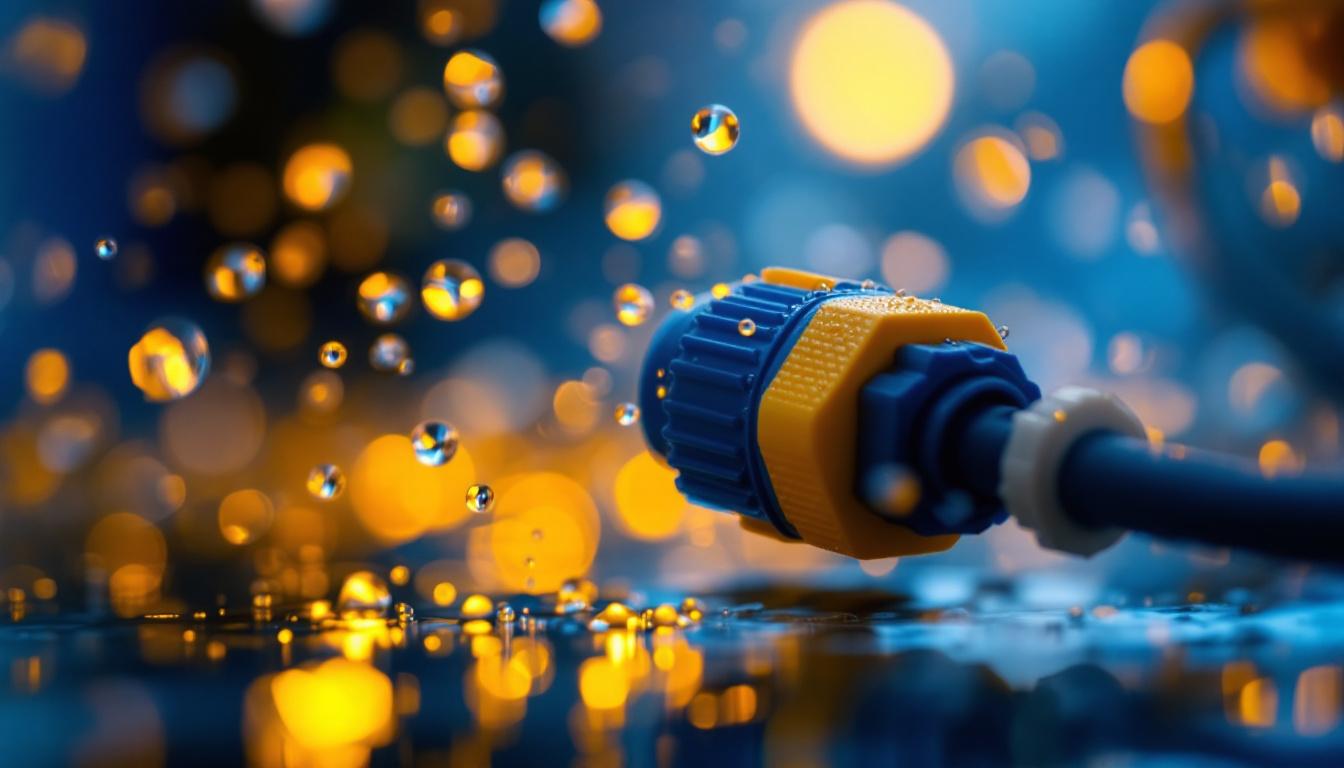
Water proof wire connectors are designed to prevent moisture ingress, which can lead to electrical failures, short circuits, and even hazardous situations. These connectors are particularly important in outdoor lighting, landscape lighting, and any installation exposed to the elements. Their ability to maintain a secure connection in adverse weather conditions is vital for the longevity and safety of electrical systems.
When selecting a water proof wire connector, it is crucial to consider the environment in which it will be used. Factors such as humidity, temperature fluctuations, and exposure to water can influence the choice of connector. Understanding the specifications and ratings of these connectors is vital for ensuring a reliable installation. Additionally, it is important to assess the potential for physical damage from environmental factors like wind, debris, or even wildlife, which can further dictate the type of connector best suited for the job.
Types of Water Proof Wire Connectors
There are several types of water proof wire connectors available on the market, each designed for specific applications and environmental conditions. Some of the most common types include:
- Heat Shrink Connectors: These connectors are coated with a heat-sensitive material that shrinks when heated, creating a tight seal around the wire. They are ideal for outdoor applications where moisture is a concern. The heat shrink process not only seals the connector but also reinforces the joint, making it more resistant to vibrations and mechanical stress.
- Gel-filled Connectors: These connectors contain a gel that provides a moisture barrier, making them suitable for underground or submerged applications. The gel not only protects against water but also acts as an insulator, preventing corrosion and enhancing the durability of the connection over time.
- Twist-on Wire Connectors: Often used in residential applications, these connectors can be made water resistant by using silicone sealants or other protective measures. They offer a simple and effective solution for connecting wires in areas where water exposure is possible, and their ease of use makes them a favorite among DIY enthusiasts.
Key Features to Look For
When selecting water proof wire connectors, there are several key features to consider:
- IP Rating: The Ingress Protection (IP) rating indicates the level of protection against dust and water. A higher IP rating means better protection. For instance, an IP68 rating signifies that the connector can withstand continuous immersion in water, making it ideal for applications in wet environments.
- Material Quality: Look for connectors made from high-quality materials that can withstand environmental stressors, such as UV exposure and temperature variations. Connectors made from thermoplastic elastomers or high-grade polyvinyl chloride (PVC) are often more durable and resistant to degradation over time.
- Ease of Installation: Some connectors are designed for quick and easy installation, which can save time on the job site. Features like built-in strain relief or color-coded wiring can simplify the process, making it accessible even for those with limited electrical experience.
In addition to these features, it is also beneficial to consider the connector’s compatibility with various wire gauges and types. Some connectors are designed to accommodate a wide range of wire sizes, which can be particularly useful in applications where different gauges are used. Furthermore, investing in connectors that come with a warranty or guarantee can provide additional peace of mind, ensuring that you are protected against any manufacturing defects or failures that may occur during use.
Lastly, it’s worth noting that proper installation is just as critical as the quality of the connectors themselves. Ensuring that wires are stripped correctly, connections are tight, and that the connectors are used in accordance with the manufacturer’s guidelines will greatly enhance the effectiveness of water proof wire connectors. This attention to detail can make the difference between a reliable electrical system and one that is prone to failure in challenging conditions.
Applications of Water Proof Wire Connectors
Water proof wire connectors are used in a variety of applications, particularly in settings where exposure to moisture is a concern. Understanding these applications can help lighting contractors make informed decisions when selecting connectors for their projects.
Outdoor Lighting Installations
Outdoor lighting systems, including pathway lights, garden lights, and security lighting, often require water proof connectors to ensure reliability. These connectors help protect the electrical connections from rain, snow, and humidity, preventing potential failures.
When installing outdoor lighting, it is essential to use connectors that are rated for outdoor use. This not only enhances the longevity of the installation but also ensures the safety of the system. Additionally, many outdoor connectors come with features such as strain relief and locking mechanisms, which further secure the connections against environmental stressors. Choosing the right connectors can also contribute to energy efficiency, as a well-sealed connection minimizes the risk of power loss due to moisture ingress.
Landscape Lighting
Landscape lighting is another area where water proof wire connectors play a crucial role. These systems are often installed in environments where they are exposed to soil, moisture, and other elements.
Using the right connectors can prevent corrosion and electrical failures, ensuring that the landscape lighting remains functional and aesthetically pleasing throughout its lifespan. Moreover, landscape lighting often involves intricate designs that require multiple connections; thus, utilizing high-quality waterproof connectors can simplify maintenance and reduce the frequency of repairs. The ability to withstand temperature fluctuations and UV exposure is also vital, as these factors can significantly impact the performance of the connectors over time.
Submersible Applications
In some cases, lighting installations may require submersible applications, such as underwater lights for pools or ponds. For these installations, specialized water proof connectors are necessary to ensure that the electrical connections remain safe and operational.
These connectors are designed to withstand prolonged exposure to water and must meet specific safety standards to protect both the installation and the users. In addition to their water resistance, these connectors often feature robust insulation materials that prevent electrical leakage and short circuits. Furthermore, the selection of connectors for submersible applications should also consider factors like the type of water (freshwater vs. saltwater) and the expected pressure at varying depths, as these can influence the durability and effectiveness of the connectors over time.
Installation Best Practices
Proper installation of water proof wire connectors is crucial for ensuring their effectiveness and longevity. Following best practices can help lighting contractors achieve reliable and safe installations.
Preparation of Wires
Before connecting wires, it is essential to prepare them properly. Stripping the insulation should be done carefully to avoid damaging the wire strands. Additionally, the exposed wire should be free from corrosion and dirt to ensure a secure connection.
Using the right tools for stripping and cutting wires can make this process more efficient and reduce the risk of errors during installation.
Sealing Techniques
For connectors that require additional sealing, using silicone sealants or heat shrink tubing can enhance water resistance. Applying these materials correctly is essential for creating a reliable barrier against moisture.
Contractors should ensure that the sealing materials are compatible with the connectors being used and follow manufacturer guidelines for application.
Testing Connections
After installation, it is crucial to test the connections to ensure they are secure and functioning correctly. This can involve checking for continuity and verifying that there are no signs of moisture ingress.
Regular maintenance checks can also help identify potential issues before they become significant problems, ensuring the longevity of the lighting installation.
Common Mistakes to Avoid
Even experienced contractors can make mistakes during the installation of water proof wire connectors. Being aware of common pitfalls can help ensure a successful project.
Using Inappropriate Connectors
One of the most significant mistakes is using connectors that are not rated for the specific application. For instance, using standard connectors in outdoor or wet environments can lead to failures.
Always verify the specifications of connectors and ensure they are suitable for the intended use. This includes checking the IP rating and material compatibility.
Neglecting Proper Sealing
Failing to properly seal connections can lead to moisture ingress, which can cause corrosion and electrical failures. It is essential to take the time to apply sealing materials correctly and ensure that all connections are adequately protected.
Contractors should also be aware that over-sealing can be just as problematic as under-sealing, as it can lead to pressure buildup and connector damage.
Ignoring Manufacturer Guidelines
Each type of water proof wire connector comes with specific installation guidelines provided by the manufacturer. Ignoring these guidelines can lead to improper installation and increased risk of failure.
Contractors should familiarize themselves with these guidelines and ensure they are followed during the installation process to achieve optimal results.
Conclusion
Water proof wire connectors are a vital component in ensuring the reliability and safety of lighting installations, particularly in outdoor and damp environments. By understanding the types, applications, and best practices for installation, lighting contractors can make informed decisions that enhance the longevity of their projects.
Awareness of common mistakes and adherence to manufacturer guidelines will further ensure that installations are not only functional but also safe for end-users. With the right knowledge and tools, contractors can confidently tackle any lighting project, knowing that their connections are secure and protected against the elements.
Secure Your Lighting Projects with LumenWholesale
Ready to elevate the safety and durability of your lighting installations? Look no further than LumenWholesale for all your waterproof wire connector needs. Our extensive selection of high-quality, spec-grade lighting products ensures that you have access to the best materials for any environment, all at unbeatable wholesale prices. Say goodbye to local distributor markups and hello to premium lighting with the convenience of free shipping. Make your next project a shining success and experience the best value in wholesale lighting today.