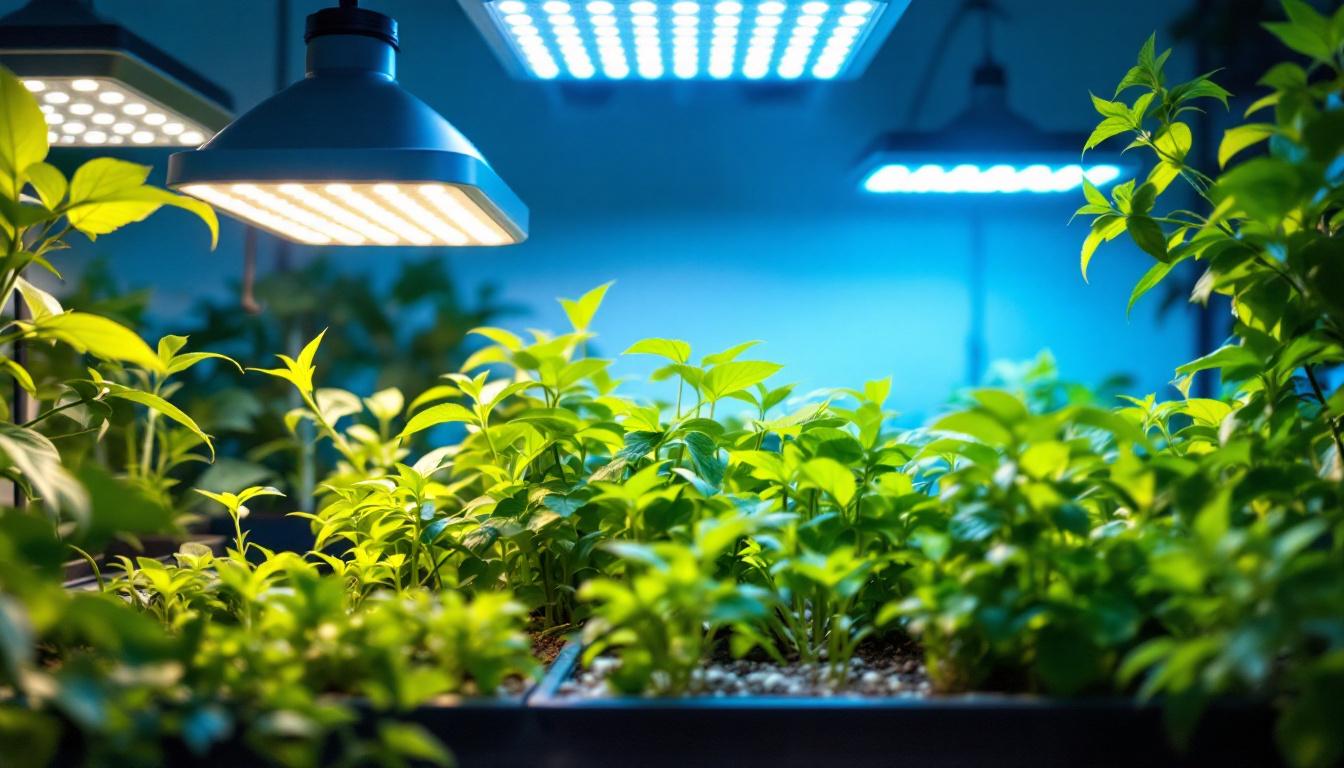
In the ever-evolving world of horticulture, lighting plays a pivotal role in the growth and development of plants. For lighting contractors, understanding the nuances of Growers Choice lights is essential for providing optimal solutions to clients. This guide aims to equip contractors with the knowledge needed to select the right lighting systems for various horticultural applications.
Understanding Growers Choice Lights
Growers Choice lights are specifically designed to cater to the needs of indoor gardening, hydroponics, and greenhouse applications. These lights are engineered to provide the right spectrum, intensity, and duration of light, which are critical for plant growth. By understanding the different types of Growers Choice lights available, contractors can make informed decisions that align with their clients’ needs.
Types of Growers Choice Lights
There are several types of Growers Choice lights, each with unique features and benefits. The most common types include LED, HPS (High-Pressure Sodium), and CMH (Ceramic Metal Halide). Each type serves different purposes and can be tailored to specific plant growth stages.
LED lights are known for their energy efficiency and long lifespan. They emit less heat, which can be beneficial in maintaining optimal growing conditions. HPS lights, on the other hand, are favored for their high intensity and effectiveness in promoting flowering and fruiting stages. CMH lights provide a full spectrum of light, making them versatile for various growth stages. Additionally, some growers are now exploring the use of hybrid systems that combine the strengths of these different lighting technologies to achieve even better results in plant health and yield.
Key Features to Consider
When selecting Growers Choice lights, several key features should be taken into account. These include light spectrum, energy efficiency, heat output, and coverage area. Understanding these features will help contractors recommend the best lighting solutions for their clients.
The light spectrum is crucial as different plants require specific wavelengths for photosynthesis. For instance, blue light is essential for vegetative growth, while red light plays a significant role during the flowering phase. Energy efficiency is another important factor, as it directly impacts operational costs. High-efficiency lights can lead to substantial savings over time, making them a wise investment for growers. Heat output is essential for maintaining the right environment, while coverage area determines how many plants can be effectively illuminated. Furthermore, the ability to adjust the height and angle of the lights can enhance coverage and ensure that all plants receive adequate light, promoting uniform growth and maximizing yield potential.
Assessing Client Needs
Before recommending any lighting solution, it is vital for contractors to assess the specific needs of their clients. Each horticultural setup is unique, and understanding the client’s goals, plant types, and growing environment will lead to better lighting choices. This initial assessment not only helps in selecting the appropriate lighting but also builds a foundation of trust and understanding between the contractor and the client, ensuring a more collaborative approach to the project.
Identifying Plant Types
Different plants have varying light requirements. For instance, leafy greens may thrive under lower light intensities, while fruiting plants often require higher light levels. Contractors should inquire about the types of plants their clients are growing to tailor the lighting solution accordingly. This is particularly important in mixed-crop environments, where a variety of plants with differing light needs may be cultivated together. Understanding the specific needs of each plant type can help in creating a balanced lighting strategy that maximizes growth and yield.
Additionally, understanding whether the client is growing from seed, vegetative stage, or flowering stage will influence the choice of lighting. This knowledge ensures that the recommended Growers Choice lights will support the plants’ growth effectively. For example, during the seedling phase, plants benefit from softer, more diffuse light to prevent stress, while during the flowering phase, they require intense light to promote bud development. By aligning the lighting strategy with these growth phases, contractors can significantly enhance the success rate of their clients’ horticultural endeavors.
Evaluating Growing Environment
The growing environment plays a significant role in determining the right lighting solution. Factors such as space availability, ambient temperature, and humidity levels must be considered. For instance, if a client has limited vertical space, low-profile LED lights may be the best option. Additionally, the layout of the growing area should be assessed to ensure that light is distributed evenly across all plants, avoiding any shaded spots that could hinder growth.
Moreover, if the environment tends to be warmer, lights that produce less heat, like LEDs, may be more suitable. Evaluating these conditions allows contractors to provide tailored recommendations that enhance plant growth while maintaining optimal growing conditions. Furthermore, it’s essential to consider the potential for future expansion. Clients may wish to scale their operations, and having a flexible lighting solution that can adapt to increased plant numbers or different plant types will save time and resources in the long run. By taking these factors into account, contractors can help clients achieve not just immediate success, but also long-term sustainability in their horticultural practices.
Installation Considerations
Proper installation of Growers Choice lights is crucial for maximizing their effectiveness. Lighting contractors must ensure that the lights are positioned correctly and that the electrical setup adheres to safety standards. A well-planned installation can lead to healthier plants and increased yields, making it a vital aspect of any indoor growing operation.
Light Placement and Height
The placement and height of the lights can significantly impact their effectiveness. Lights should be positioned at an appropriate distance from the plants to avoid light burn while ensuring adequate light penetration. For instance, LED lights can often be placed closer to the plants than HPS lights due to their lower heat output. This proximity allows for more intense light without the risk of damaging delicate foliage, which can be particularly beneficial during the critical stages of plant development.
Contractors should also consider the angle of light distribution. Properly angling the lights can help ensure even coverage across the growing area, preventing shadowed spots that could hinder plant growth. Utilizing adjustable mounting systems can provide flexibility, allowing growers to modify light angles as plants mature and their light needs change. Furthermore, understanding the specific light requirements of different plant species can guide contractors in customizing the setup to optimize growth conditions tailored to each crop.
Electrical Requirements
Understanding the electrical requirements of Growers Choice lights is essential for safe installation. Contractors must ensure that the electrical system can handle the load of the lighting setup. This includes checking circuit capacities and ensuring that proper wiring is in place. It is also advisable to incorporate surge protectors to safeguard the equipment from power fluctuations, which can be detrimental to both the lights and the plants they illuminate.
Additionally, contractors should educate clients about the importance of using timers and dimmers to optimize light cycles. This not only enhances plant growth but also contributes to energy efficiency. Timers can automate light schedules, ensuring that plants receive the right amount of light for their growth stage, while dimmers allow for adjustments in light intensity, catering to the specific needs of plants throughout their lifecycle. By implementing these tools, growers can create a more controlled environment that promotes robust plant health and maximizes the potential of their lighting systems.
Maintenance and Upkeep
Regular maintenance of Growers Choice lights is vital for ensuring their longevity and effectiveness. Contractors should advise clients on proper care and maintenance practices to maximize the lifespan of their lighting systems.
Cleansing and Inspection
Dust and debris can accumulate on light fixtures, reducing their efficiency. Regular cleaning of the lights is essential to maintain optimal light output. Contractors should recommend a cleaning schedule that includes wiping down fixtures and checking for any signs of wear or damage.
Additionally, periodic inspections of electrical connections and components can prevent potential issues. Identifying problems early can save clients from costly repairs and downtime.
Upgrading Lighting Systems
As technology advances, newer and more efficient lighting solutions become available. Contractors should keep abreast of the latest developments in Growers Choice lights and recommend upgrades when appropriate. This ensures that clients benefit from the best possible lighting solutions for their growing needs.
Upgrading can also involve transitioning from older technologies, such as HPS, to more efficient options like LED. These upgrades can lead to significant energy savings and improved plant growth outcomes.
Cost Considerations
Cost is a significant factor in any lighting project. Contractors must balance the initial investment with the long-term benefits of Growers Choice lights. Understanding the total cost of ownership, including energy consumption and maintenance, is crucial for providing clients with realistic budgets.
Initial Investment vs. Long-Term Savings
While the initial cost of high-quality Growers Choice lights may be higher, the long-term savings in energy costs can offset this investment. LED lights, for instance, have a higher upfront cost but consume significantly less energy over their lifespan.
Contractors should provide clients with a cost-benefit analysis that outlines potential savings over time. This can help clients make informed decisions about their lighting investments.
Financing Options
Many clients may require financing options to manage the costs associated with installing Growers Choice lights. Contractors should be prepared to discuss various financing solutions, including leasing options, government incentives, and rebates for energy-efficient systems.
By offering financing options, contractors can help clients overcome budget constraints and invest in the best lighting solutions for their needs.
Conclusion
Choosing the right Growers Choice lights is a critical aspect of successful horticultural projects. Lighting contractors play a vital role in guiding clients through the selection process, ensuring that they choose the most suitable lighting solutions for their specific needs.
By understanding the types of Growers Choice lights available, assessing client needs, considering installation and maintenance, and addressing cost considerations, contractors can provide valuable insights that lead to successful outcomes. As the demand for indoor gardening and horticultural lighting continues to grow, staying informed about the latest advancements in lighting technology will enhance the contractor’s ability to serve their clients effectively.
Ultimately, the right lighting solution can make a significant difference in plant growth, yield, and overall success in the horticultural industry. By following this guide, lighting contractors can confidently navigate the complexities of Growers Choice lights and deliver exceptional results for their clients.
Illuminate Your Projects with LumenWholesale
Ready to elevate your horticultural lighting projects with the right Growers Choice lights? At LumenWholesale, we offer an exceptional range of high-quality, spec-grade lighting products at unbeatable wholesale prices. Say goodbye to local distributor markups and hello to premium lighting that meets the highest industry standards. With free shipping on bulk orders, you can trust that you’re getting the best value without any hidden fees. Don’t compromise on quality or affordability. Click now to explore our selection and experience the convenience of Wholesale Lighting at the Best Value for your next project.