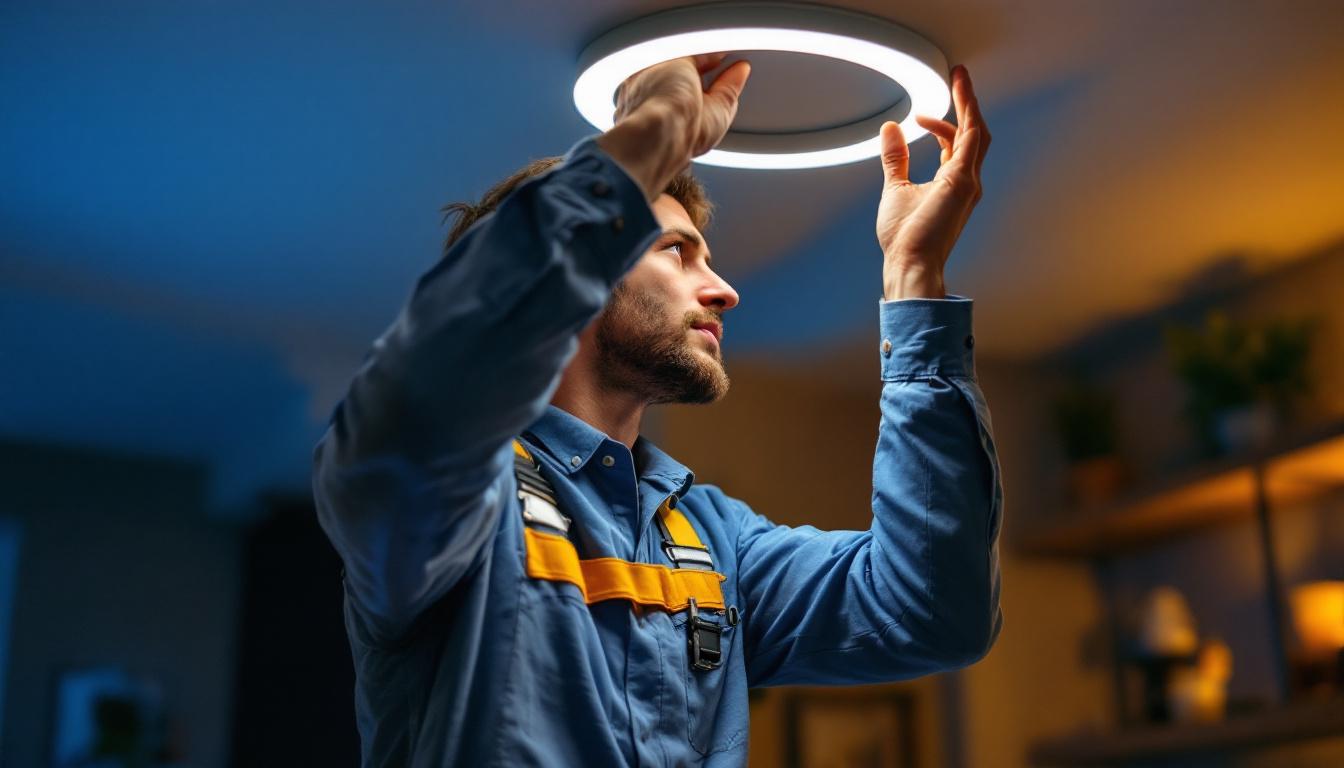
In the world of lighting design and installation, can lights, often referred to as recessed lights or halo lights, have become a staple for both residential and commercial applications. Their sleek design and ability to provide ambient lighting make them a preferred choice among homeowners and designers alike. However, mastering the art of installing and utilizing can lights requires a deep understanding of their features, benefits, and best practices. This article delves into the secrets that lighting contractors need to know to effectively work with halo lights.
Understanding Can Lights
Can lights are cylindrical fixtures that are installed into a hollow opening in the ceiling. They are designed to provide a clean, unobtrusive look while delivering effective lighting. The term “halo” often refers to the trim that surrounds the light bulb, adding a polished finish to the installation. Understanding the components and functionality of can lights is crucial for any lighting contractor.
Components of Can Lights
Can lights consist of several key components: the housing, trim, and bulb. The housing is the part that is installed within the ceiling and can vary in size and type depending on the application. There are new construction housings, which are designed for use in ceilings that are being built, and remodel housings, which are intended for retrofitting into existing ceilings.
The trim is the visible part of the fixture that can be customized in various styles and finishes, allowing for personalization in design. This can include options like baffle trims, which help to reduce glare, or reflector trims that enhance brightness. Finally, the bulb type—whether incandescent, LED, or fluorescent—affects the light quality, energy efficiency, and longevity of the installation. LEDs, for example, have become increasingly popular due to their low energy consumption and long lifespan, making them a smart choice for both residential and commercial applications.
Types of Can Lights
There are several types of can lights available on the market, each suited for different applications. For instance, adjustable can lights allow for directional lighting, making them ideal for highlighting artwork or architectural features. On the other hand, fixed can lights provide a consistent light source, perfect for general illumination. The versatility of can lights means they can be used in a variety of settings, from cozy living rooms to expansive retail spaces.
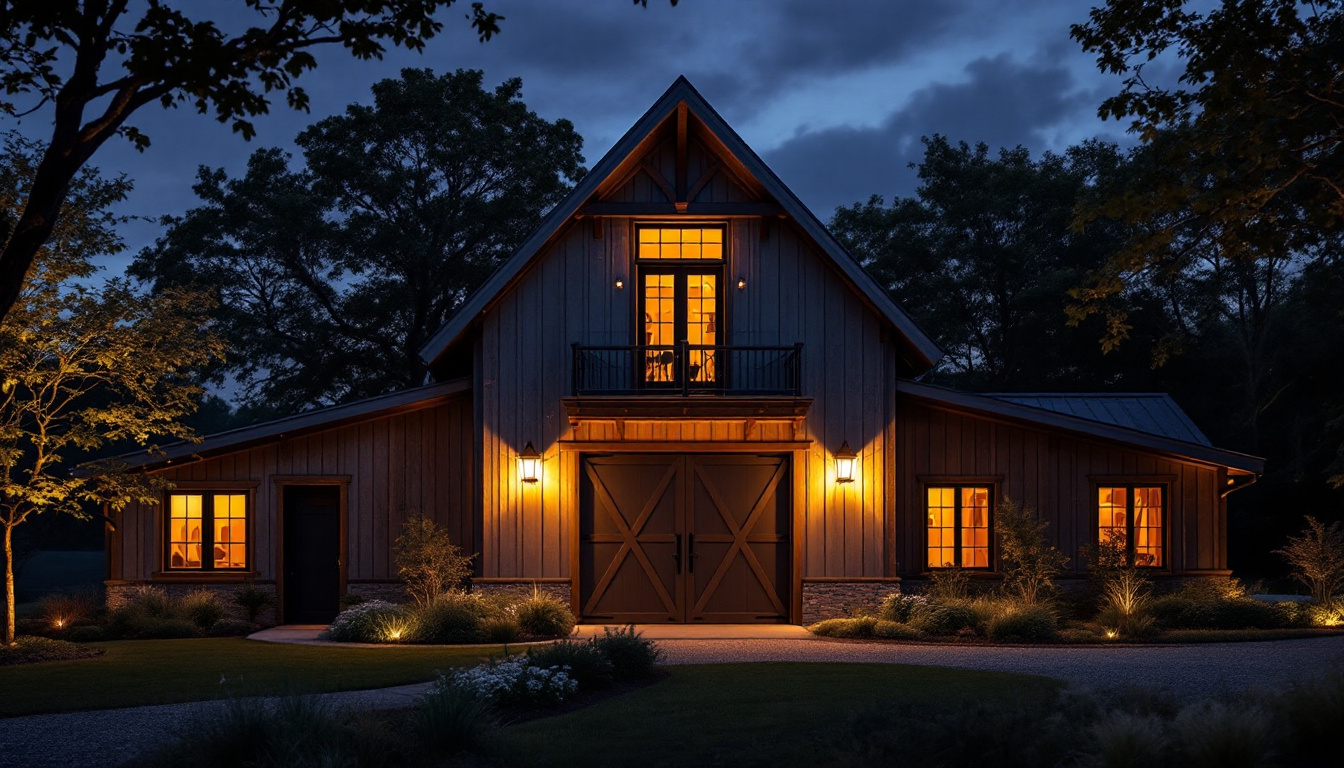
Additionally, there are specialized can lights designed for wet or damp locations, which are essential for bathrooms or outdoor areas. These fixtures are built to withstand moisture and humidity, ensuring safety and durability in challenging environments. Understanding these different types enables contractors to make informed decisions based on the specific needs of their clients. Furthermore, with the rise of smart home technology, many can lights can now be integrated with smart systems, allowing users to control brightness and color temperature via mobile apps or voice commands, adding another layer of functionality and convenience to modern lighting solutions.
Benefits of Using Can Lights
The advantages of can lights extend beyond aesthetics. Their design allows for versatile lighting solutions that can enhance the functionality and ambiance of a space. Here are some key benefits that make can lights a popular choice among contractors and homeowners alike.
Space-Saving Design
One of the most significant advantages of can lights is their space-saving design. Unlike traditional light fixtures that hang from the ceiling, can lights are recessed, which means they do not take up any visual space in a room. This feature is particularly beneficial in areas with low ceilings or where a streamlined look is desired.
By minimizing visual clutter, can lights can make a room feel larger and more open, contributing to a more spacious atmosphere. This is especially important in modern design, where minimalism is often key.
Versatile Lighting Options
Can lights offer a range of lighting options that can be tailored to suit various needs. They can be used for general ambient lighting, task lighting, or accent lighting, depending on the arrangement and bulb selection. By strategically placing can lights throughout a space, contractors can create layers of light that enhance both functionality and aesthetics.
Moreover, the ability to dim can lights adds another layer of versatility, allowing homeowners to adjust the lighting according to the time of day or mood. This flexibility is a significant selling point for contractors when discussing lighting solutions with clients.
Installation Considerations
While can lights offer numerous benefits, proper installation is critical to achieving the desired lighting effect. Lighting contractors must consider several factors during the installation process to ensure optimal performance and safety.
Choosing the Right Location
The placement of can lights is essential for achieving effective lighting. Contractors should consider the purpose of the space and the activities that will take place there. For example, in a kitchen, can lights should be positioned to illuminate work areas like countertops and islands, while in a living room, they may be better suited for general lighting.
Additionally, spacing is crucial. A common guideline is to install can lights approximately 4 to 6 feet apart, but this can vary based on the ceiling height and the desired light intensity. Proper spacing helps to avoid dark spots and ensures even illumination throughout the room.
Electrical Considerations
Electrical safety is paramount when installing can lights. Contractors must ensure that the electrical wiring is up to code and that the fixtures are rated for the intended use. This includes using the correct wattage bulbs and ensuring proper insulation around the housing to prevent overheating.
Moreover, it is essential to consider the type of dimmer switch that will be used with the can lights. Not all LED bulbs are compatible with all dimmers, so selecting the right combination is crucial to avoid flickering or reduced performance.
Design Tips for Can Lights
Incorporating can lights into a design requires a thoughtful approach to achieve the best results. Here are some design tips that can help contractors enhance their lighting projects.
Layering Light
Layering light is a fundamental principle in lighting design. By combining can lights with other types of lighting, such as pendant lights or wall sconces, contractors can create a more dynamic and inviting atmosphere. This technique not only adds depth to the space but also allows for greater control over the lighting environment.
For instance, in a dining area, can lights can provide ambient lighting while a statement pendant light serves as a focal point. This combination creates a balanced and visually appealing arrangement.
Accent Lighting Techniques
Using can lights for accent lighting can dramatically enhance the visual interest of a space. By directing can lights towards artwork, architectural features, or textured walls, contractors can create a dramatic effect that draws attention to specific elements within a room.
When using can lights for accent lighting, it is essential to consider the angle and intensity of the light. A well-placed can light can transform a simple feature into a stunning focal point, adding character and sophistication to the design.
Maintenance and Troubleshooting
Like any lighting fixture, can lights require maintenance to ensure they continue to perform optimally. Understanding common issues and how to address them can help contractors provide better service to their clients.
Cleaning and Upkeep
Dust and debris can accumulate on can lights over time, affecting their performance and appearance. Regular cleaning is essential to maintain the quality of light and the aesthetic appeal of the fixture. Contractors should advise clients on the best cleaning methods, which typically involve using a soft cloth and a mild cleaning solution.
Additionally, checking the bulbs periodically for any signs of burnout or flickering is crucial. Replacing bulbs promptly not only ensures consistent lighting but also prevents potential damage to the fixture.
Troubleshooting Common Issues
Contractors should be prepared to troubleshoot common issues that may arise with can lights. Flickering lights can indicate compatibility issues between the bulb and dimmer switch or a loose connection. In such cases, checking the wiring and ensuring all connections are secure can often resolve the problem.
Another common issue is overheating, which can occur if the wrong type of bulb is used or if the housing is not adequately insulated. Educating clients about the importance of using the correct bulbs and ensuring proper installation can help prevent these issues from arising.
Future Trends in Can Lighting
The lighting industry is continually evolving, with new technologies and trends emerging regularly. Staying informed about these developments is essential for lighting contractors looking to remain competitive and offer the best solutions to their clients.
Smart Lighting Integration
One of the most significant trends in lighting is the integration of smart technology. Smart can lights allow users to control their lighting through mobile apps or voice-activated devices, providing convenience and customization. This technology enables homeowners to adjust brightness, color temperature, and even set schedules for their lighting.
As more clients seek smart home solutions, contractors who are knowledgeable about smart can lighting options will be better positioned to meet their needs. Offering these advanced solutions can enhance a contractor’s reputation and attract a broader clientele.
Energy Efficiency and Sustainability
With an increasing focus on sustainability, energy-efficient lighting solutions are becoming more popular. LED can lights are a prime example, offering long lifespans and lower energy consumption compared to traditional bulbs. Contractors should stay informed about the latest energy-efficient products and educate clients on the benefits of making the switch.
Furthermore, incorporating sustainable practices into lighting installations, such as using recyclable materials and energy-efficient designs, can help contractors appeal to environmentally conscious clients.
Conclusion
Can lights, or halo lights, are a versatile and stylish lighting solution that can enhance any space. For lighting contractors, mastering the intricacies of can lights—from understanding their components and installation techniques to staying abreast of industry trends—is essential for success. By applying the secrets outlined in this article, contractors can elevate their lighting projects, providing clients with exceptional results that blend functionality and aesthetics.
As the demand for innovative lighting solutions continues to grow, those who embrace the challenges and opportunities presented by can lights will undoubtedly thrive in the ever-evolving world of lighting design.
Illuminate Your Projects with LumenWholesale
Ready to take your lighting projects to the next level with the sleek and efficient can lights? Look no further than LumenWholesale for all your lighting needs. Our spec-grade lighting products are designed to meet the highest industry standards, ensuring that you deliver outstanding results to your clients every time. With unbeatable wholesale prices and the convenience of free shipping on bulk orders, LumenWholesale is your go-to source for premium lighting without the premium price tag. Elevate your lighting designs today and discover the best value in wholesale lighting at LumenWholesale.