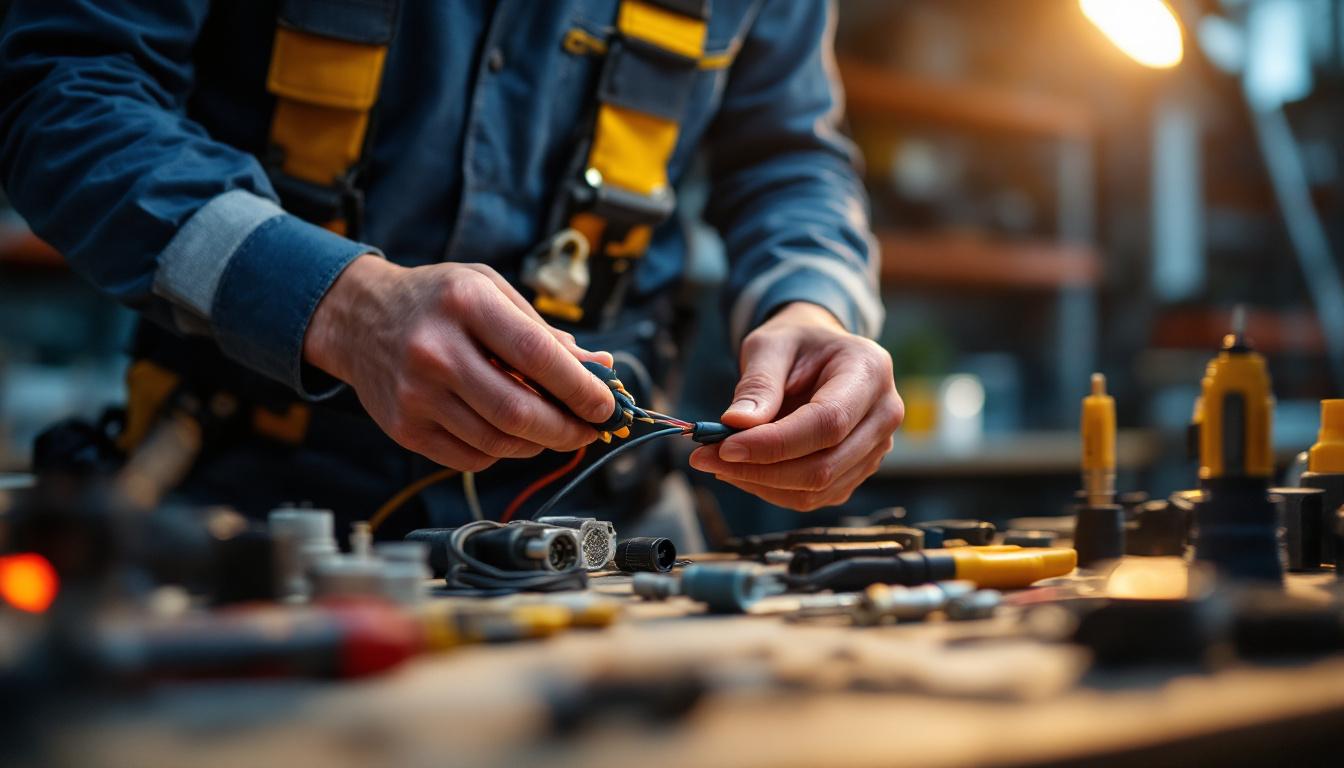
In the world of lighting installation, connecting wires safely and efficiently is paramount. Wire connectors are essential tools that every lighting contractor should be familiar with. They not only ensure a secure connection but also enhance the longevity and safety of electrical systems. This article delves into the various aspects of wire connectors, including their types, benefits, and best practices for use.
The Importance of Wire Connectors in Lighting Projects
Wire connectors play a vital role in the overall success of lighting installations. They facilitate the joining of electrical wires, allowing for seamless connectivity between different components of a lighting system. Understanding their importance can help lighting contractors execute their projects more effectively.
Ensuring Safety
Safety is a top priority in any electrical work. Wire connectors are designed to provide a secure connection that minimizes the risk of short circuits and electrical fires. Using the appropriate connector for each application helps to ensure that the electrical system operates safely and efficiently.
Moreover, improper connections can lead to overheating, which poses a significant hazard. By utilizing high-quality wire connectors, contractors can mitigate these risks and protect both their clients and their own reputation. The selection of connectors that are rated for specific voltage and current levels is essential, as it ensures that the connectors can handle the electrical load without failing. Additionally, connectors that are resistant to environmental factors, such as moisture and corrosion, further enhance safety by preventing deterioration over time.
Enhancing Reliability
Reliability is crucial in lighting systems, especially in commercial and residential settings where consistent performance is expected. Wire connectors enhance the reliability of electrical connections by providing a robust and stable link between wires. This stability reduces the likelihood of connection failures, which can lead to costly repairs and downtime.
Contractors who prioritize the use of reliable wire connectors can ensure that their installations stand the test of time, ultimately leading to satisfied clients and repeat business. Furthermore, the variety of wire connectors available—such as twist-on, push-in, and solderless connectors—allows contractors to choose the best option for their specific project needs. This versatility not only improves the installation process but also allows for easier modifications or expansions in the future. In addition, proper training on the installation of these connectors can empower contractors to make informed decisions, ensuring that every connection is made with precision and care, thus enhancing the overall integrity of the lighting system.
Types of Wire Connectors
There are several types of wire connectors available, each designed for specific applications. Understanding these types can help lighting contractors choose the right connector for their projects.
Twist-On Wire Connectors
Twist-on wire connectors, often referred to as wire nuts, are among the most common types used in lighting installations. They consist of a plastic cap with a metal spring inside that grips the wires when twisted together. These connectors are easy to use and provide a strong, reliable connection.
Twist-on connectors are suitable for a wide range of wire sizes and are ideal for connecting multiple wires together. However, it is essential to ensure that the wires are properly stripped and twisted before applying the connector to achieve the best results. Additionally, these connectors come in various sizes and colors, which can indicate the gauge of wire they are designed to accommodate. This feature helps contractors quickly identify the appropriate connector for their specific needs, streamlining the installation process.
Push-In Wire Connectors
Push-in wire connectors offer a more straightforward approach to wire connections. They allow contractors to insert stripped wires directly into the connector without the need for twisting. This feature can save time and reduce the risk of improper connections.
These connectors are particularly useful in tight spaces where maneuvering can be challenging. However, it is crucial to ensure that the wires are fully inserted to avoid any connection issues. Moreover, push-in connectors are often color-coded, which assists in identifying the maximum number of wires that can be inserted, as well as the appropriate wire gauge. This added layer of convenience makes them an attractive option for both novice and experienced electricians alike, enhancing efficiency on the job site.
Terminal Blocks
Terminal blocks provide a more permanent solution for wire connections. They consist of multiple terminals that allow for the connection of several wires in a single location. Terminal blocks are often used in junction boxes and are ideal for larger lighting systems that require multiple connections.
While they may take more time to install compared to twist-on or push-in connectors, terminal blocks offer excellent reliability and ease of maintenance, making them a favorite among experienced contractors. Additionally, terminal blocks can be mounted on a DIN rail or directly onto a panel, providing flexibility in installation. They also allow for easy troubleshooting, as individual connections can be accessed without disturbing the entire assembly. This feature is particularly beneficial in complex lighting setups, where modifications or repairs may be necessary over time.
Choosing the Right Wire Connector
Selecting the appropriate wire connector is crucial for the success of any lighting project. Several factors should be considered when making this decision.
Wire Size and Type
Different wire connectors are designed for specific wire sizes and types. It is essential to match the connector to the wire gauge being used. Using a connector that is too large or too small can lead to poor connections and potential hazards.
Additionally, the type of wire insulation (such as THHN, NM, or UF) can influence the choice of connector. Contractors should always refer to manufacturer specifications to ensure compatibility.
Furthermore, it is important to note that wire connectors come in various styles, including twist-on, crimp, and push-in types. Each style has its own advantages and applications. For instance, twist-on connectors are popular for their ease of use and reliability, making them a go-to choice for many electricians. On the other hand, crimp connectors provide a more permanent solution, which can be beneficial in high-vibration environments where connections might otherwise loosen over time.
Application Environment
The environment in which the lighting system will operate can also impact the choice of wire connector. For outdoor installations, connectors that offer moisture and corrosion resistance are essential. In contrast, indoor applications may allow for more flexibility in connector selection.
Contractors should consider factors such as temperature fluctuations, humidity, and exposure to chemicals when choosing wire connectors for specific applications. For example, in coastal areas where saltwater exposure is a concern, using connectors with a higher corrosion resistance rating can prolong the lifespan of the installation. Additionally, in environments subject to extreme temperatures, such as attics or basements, connectors rated for higher temperature ranges will help ensure a reliable connection over time.
Moreover, the use of heat-shrink tubing in conjunction with connectors can provide an extra layer of protection against moisture and environmental factors. This added measure can be particularly beneficial in ensuring the longevity and safety of electrical connections in challenging conditions. Understanding the specific needs of the installation environment is key to making informed decisions about wire connectors, ultimately leading to safer and more efficient lighting solutions.
Best Practices for Using Wire Connectors
To maximize the effectiveness of wire connectors, lighting contractors should adhere to best practices during installation. These practices can enhance safety, reliability, and overall project quality.
Proper Stripping of Wires
Before connecting wires, it is crucial to strip them correctly. The insulation should be removed to expose enough copper wire for a secure connection, but not so much that excess wire is exposed. A good rule of thumb is to strip about 3/4 inch of insulation from the end of each wire.
Using a wire stripper ensures clean cuts and minimizes damage to the wire strands, which can compromise the connection’s integrity.
Securing Connections
Once the wires are stripped, they should be twisted together securely before applying the connector. A firm twist ensures that the wires make good contact, which is vital for a reliable electrical connection. For twist-on connectors, the connector should be twisted on until it feels tight and secure.
For push-in connectors, it is essential to ensure that the wires are fully inserted and that the connector is rated for the number of wires being used.
Common Mistakes to Avoid
Even experienced contractors can make mistakes when working with wire connectors. Being aware of common pitfalls can help avoid costly errors.
Using the Wrong Connector
Choosing the wrong type or size of wire connector can lead to connection failures. It is essential to assess the specific requirements of each project and select connectors accordingly. Taking the time to verify compatibility can save significant time and resources in the long run.
Neglecting to Test Connections
After completing the connections, it is crucial to test them before finalizing the installation. Neglecting this step can result in undetected issues that may lead to system failures or safety hazards. Using a multimeter or continuity tester can help ensure that all connections are secure and functioning correctly.
Conclusion
Wire connectors are indispensable tools for lighting contractors, playing a crucial role in ensuring safety, reliability, and efficiency in electrical installations. By understanding the various types of connectors, selecting the right one for each application, and adhering to best practices, contractors can significantly enhance the quality of their work.
Investing time in learning about wire connectors and their proper use will not only improve project outcomes but also contribute to a contractor’s reputation for excellence in the field. As the demand for skilled lighting contractors continues to grow, mastering the art of wire connections will remain a vital skill in the industry.
Get Your Premium Wire Connectors at LumenWholesale
Ready to elevate your lighting installations with the best wire connectors on the market? Look no further than LumenWholesale, where we offer the highest quality, spec-grade lighting products at unbeatable wholesale prices. Say goodbye to local distributor markups and hello to superior lighting products that meet the highest industry standards. With LumenWholesale, you can trust that your lighting projects will shine with reliability and performance. Plus, enjoy the convenience of bulk buying with free shipping, ensuring you get the premium lighting you need at the best value — without any hidden fees. Make your next project a success and experience the perfect blend of quality, affordability, and convenience. Visit us now at Wholesale Lighting at the Best Value and take the first step towards impeccable lighting solutions.