LED Patio Lamps: Mastering Tips for Lighting Contractors
In the ever-evolving world of outdoor lighting, LED patio lamps have emerged as a popular choice among homeowners and businesses alike. For lighting contractors, understanding the nuances of LED technology and its applications is essential for delivering quality installations that meet client expectations. This article delves into key considerations, installation techniques, and design tips that will help lighting contractors master the art of LED patio lighting.
Understanding LED Technology
Before diving into installation and design, it is crucial for lighting contractors to have a solid grasp of LED technology. LEDs, or Light Emitting Diodes, are semiconductor devices that emit light when an electric current passes through them. Their efficiency and longevity make them an ideal choice for outdoor applications.
Energy Efficiency and Longevity
One of the most significant advantages of LED patio lamps is their energy efficiency. Compared to traditional incandescent or halogen bulbs, LEDs consume significantly less power, translating to lower energy bills for clients. Moreover, LEDs have a longer lifespan, often lasting up to 25,000 hours or more, which means less frequent replacements and reduced maintenance costs.
For lighting contractors, emphasizing these benefits can help in persuading clients to opt for LED solutions. Providing data on energy savings and longevity can bolster the case for LED installations, making it easier to justify the initial investment. Additionally, the reduced heat output of LEDs compared to traditional bulbs can contribute to a safer outdoor environment, minimizing the risk of burns or fire hazards, particularly in areas where children or pets may be present.
Color Temperature and Quality of Light
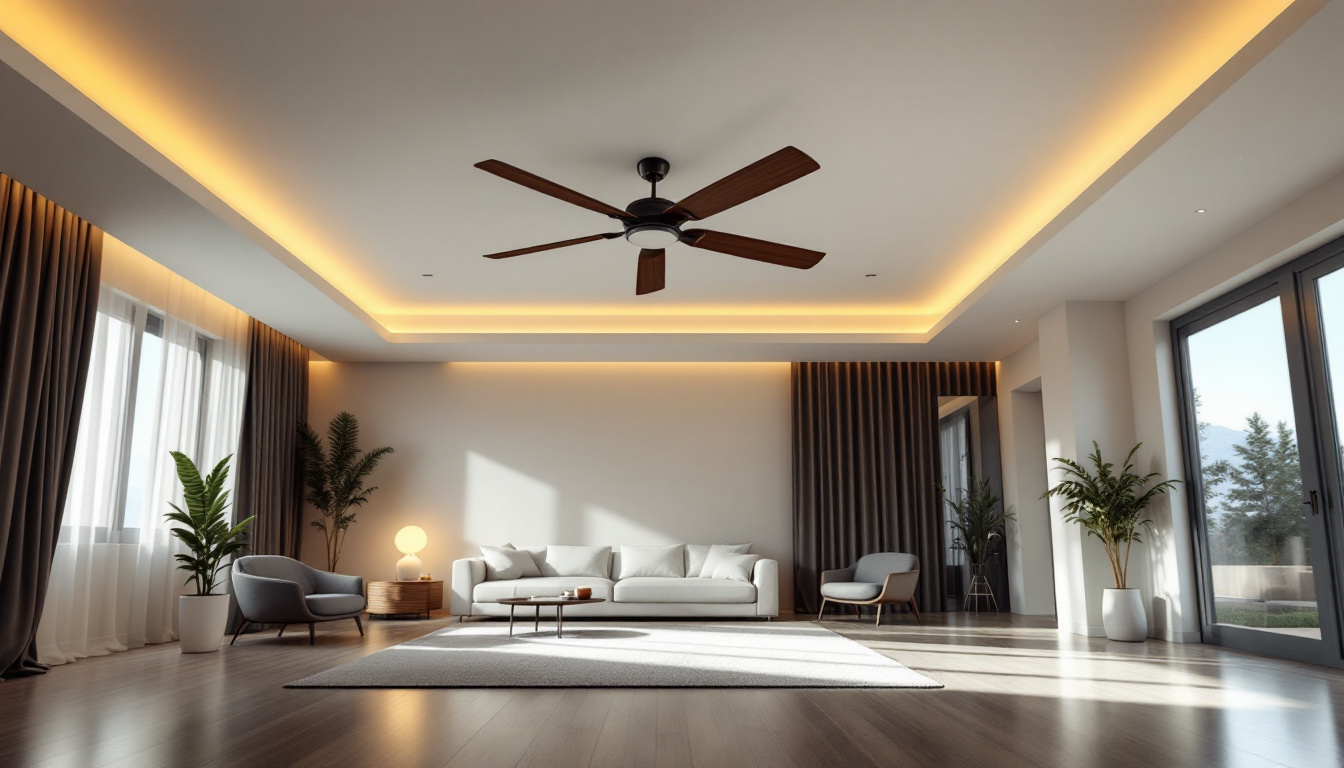
Another critical aspect of LED technology is the range of color temperatures available. LEDs can produce warm, neutral, or cool light, allowing for flexibility in design. Warm white (2700K-3000K) creates a cozy ambiance, ideal for residential patios, while cooler temperatures (4000K-5000K) can provide a more modern, vibrant atmosphere suitable for commercial spaces.
Contractors should also consider the Color Rendering Index (CRI) when selecting LEDs. A higher CRI means colors appear more true to life, which can enhance the overall aesthetic of outdoor spaces. Educating clients about these options can lead to more informed decisions and ultimately more satisfying results. Furthermore, the ability to dim LED lights or integrate them with smart home systems offers clients additional customization, allowing them to adjust the lighting to match their mood or occasion seamlessly. This adaptability not only enhances the user experience but also demonstrates the versatility of LED technology in meeting diverse lighting needs.
Installation Best Practices
Proper installation is crucial for maximizing the performance and longevity of LED patio lamps. Lighting contractors should adhere to best practices to ensure that installations are both safe and effective.
Planning the Layout
Before installation begins, careful planning of the lighting layout is essential. Consider factors such as the size of the patio, the desired ambiance, and specific areas that require illumination, such as seating areas, pathways, and decorative features. Utilizing software or design tools can help visualize the layout and make adjustments as needed.
It’s also important to take into account the placement of fixtures to minimize shadows and ensure even lighting distribution. This can enhance the overall usability of the space and create a welcoming atmosphere for users. Additionally, incorporating dimmable options or smart lighting systems can provide flexibility, allowing users to adjust brightness levels according to their needs or mood. This adaptability not only enhances the aesthetic appeal but also promotes energy efficiency, as lights can be dimmed or turned off when not in use.
Electrical Considerations
When installing LED patio lamps, contractors must pay close attention to electrical considerations. Ensuring that the electrical system can support the load of the new lighting fixtures is paramount. This includes checking circuit capacity and using appropriate wiring and connectors.
Additionally, outdoor installations require weatherproof fixtures and components to prevent damage from the elements. Utilizing fixtures rated for outdoor use will ensure durability and safety, reducing the likelihood of future issues. It’s also advisable to install GFCI (Ground Fault Circuit Interrupter) outlets, which provide an added layer of protection against electrical shocks in wet conditions. This is particularly important for outdoor environments where moisture can be a concern, ensuring that the lighting system remains both functional and safe throughout its lifespan.
Testing and Adjustments
After installation, thorough testing is necessary to ensure that all fixtures are functioning as intended. This includes checking for proper illumination levels, color consistency, and any potential flickering issues. Making adjustments at this stage can save time and resources in the long run, as it allows for corrections before the project is completed.
Moreover, it’s beneficial to conduct a walkthrough of the space during the evening hours to assess the lighting in real-time. This not only allows for a better understanding of how the light interacts with the surrounding environment but also helps identify any areas that may require additional lighting or adjustments. Engaging with the client during this phase can provide valuable feedback, ensuring that the final outcome aligns with their expectations and enhances their outdoor experience. Regular maintenance checks should also be scheduled to keep the lighting system in optimal condition, ensuring that it continues to provide the desired ambiance for years to come.
Design Tips for LED Patio Lighting
Designing an effective lighting scheme for patios involves more than just functionality; it also requires an understanding of aesthetics and user experience. Here are some design tips that lighting contractors can implement to enhance outdoor spaces.
Layered Lighting Approach
A layered lighting approach combines different types of lighting to create a dynamic and inviting atmosphere. This includes ambient, task, and accent lighting. Ambient lighting provides overall illumination, while task lighting focuses on specific areas, such as dining tables or cooking stations. Accent lighting can highlight architectural features or landscaping elements.
By employing a layered approach, contractors can create depth and interest in outdoor spaces, making them more enjoyable for users. This strategy also allows for flexibility, as different lighting modes can be utilized depending on the occasion. For example, during a casual family gathering, soft ambient lighting can set a relaxed mood, while brighter task lighting can be activated for evening barbecues or parties, ensuring safety and functionality without compromising the aesthetic appeal.
Incorporating Smart Technology
As smart home technology continues to gain popularity, integrating smart controls into LED patio lighting can enhance user experience. Smart lighting systems allow users to control their outdoor lights remotely, set schedules, and even adjust brightness and color temperature.
Contractors should familiarize themselves with various smart lighting options and how to integrate them into their installations. Providing clients with the ability to customize their lighting experience can set a contractor apart from competitors, adding value to their service. Moreover, the integration of voice-activated systems or mobile apps can make controlling outdoor lighting as easy as a simple command or tap on a screen, allowing homeowners to create the perfect ambiance for any occasion without the need for manual adjustments.
Seasonal Considerations
When designing patio lighting, it is essential to consider seasonal changes and how they affect outdoor spaces. For instance, in colder months, homeowners may want warmer lighting to create a cozy atmosphere, while in summer, cooler lighting might be preferred for a more vibrant feel.
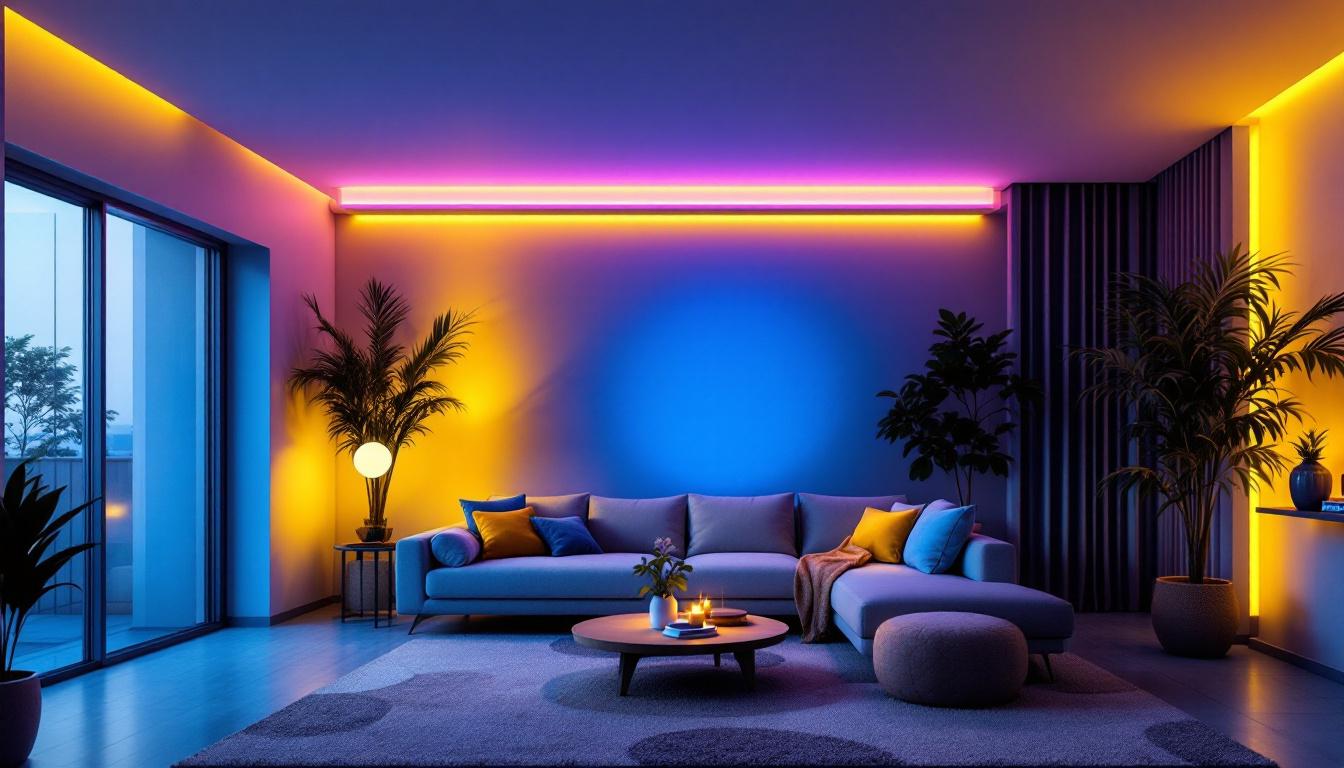
Contractors can also suggest the use of adjustable fixtures or color-changing LEDs that allow homeowners to modify their lighting according to the season or occasion. This adaptability can enhance the overall appeal of the patio throughout the year. Additionally, incorporating seasonal decorations, such as string lights during the winter holidays or colorful lanterns in the summer, can further enhance the lighting scheme, making the outdoor space a focal point for gatherings and celebrations. By considering these seasonal elements, contractors can help homeowners maximize the enjoyment of their patios, regardless of the time of year.
Maintenance and Troubleshooting
Even with high-quality LED fixtures, maintenance is necessary to ensure optimal performance. Lighting contractors should educate clients on proper care and troubleshooting techniques to prolong the life of their patio lamps.
Regular Cleaning and Inspection
Dust, dirt, and debris can accumulate on outdoor fixtures, affecting their performance and appearance. Regular cleaning is essential to maintain brightness and prevent overheating. Contractors should recommend a cleaning schedule and provide guidelines on how to safely clean LED fixtures.
Additionally, periodic inspections can help identify any potential issues before they become significant problems. Checking for loose connections, damaged wiring, or signs of wear can save clients from costly repairs in the future.
Troubleshooting Common Issues
Lighting contractors should be prepared to address common issues that may arise with LED patio lamps. Flickering lights, for instance, can be caused by loose connections or incompatible dimmers. Educating clients on these potential problems can empower them to troubleshoot minor issues on their own.
For more complex problems, contractors should be ready to provide support and solutions. Building a reputation for reliable service can lead to repeat business and referrals.
Conclusion
LED patio lamps offer a range of benefits for outdoor lighting, from energy efficiency to design versatility. For lighting contractors, mastering the intricacies of LED technology, installation best practices, and design principles is essential for delivering exceptional results.
By understanding the unique characteristics of LEDs, planning installations meticulously, and providing ongoing support to clients, contractors can elevate their services and ensure client satisfaction. As the demand for outdoor lighting continues to grow, staying informed and adaptable will be key to thriving in this competitive industry.
Incorporating these tips into daily practices can help lighting contractors not only meet but exceed client expectations, establishing themselves as trusted experts in the field of outdoor lighting.
Illuminate Your Projects with LumenWholesale
Ready to take your LED patio lighting projects to the next level? At LumenWholesale, we provide lighting contractors like you with the highest quality, spec-grade LED lamps and fixtures at unbeatable wholesale prices. Say goodbye to local distributor markups and hello to superior products that meet the most rigorous industry standards. With our hassle-free bulk buying and free shipping, you can trust that you’re getting premium lighting solutions at the best value — no hidden fees, no compromises. Elevate your lighting installations today and ensure every outdoor space shines with excellence. Discover the perfect blend of quality, affordability, and convenience at LumenWholesale — your destination for Wholesale Lighting at the Best Value.