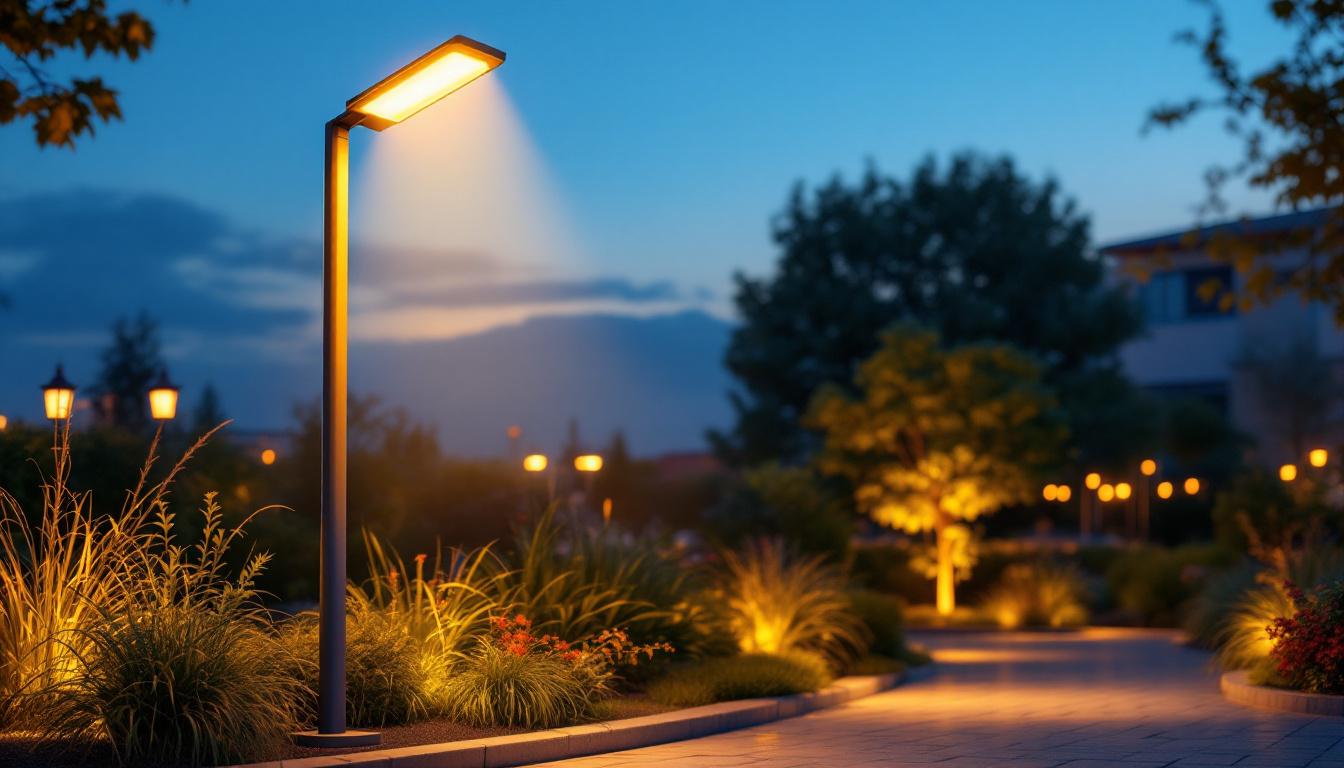
In the ever-evolving world of lighting design, decor light bulbs play a pivotal role in shaping the ambiance and functionality of spaces. For lighting contractors, understanding the nuances of these bulbs is essential for delivering exceptional results to clients. This article delves into various aspects of decor light bulbs, offering insights that can enhance both professional practice and client satisfaction.
Understanding Decor Light Bulbs
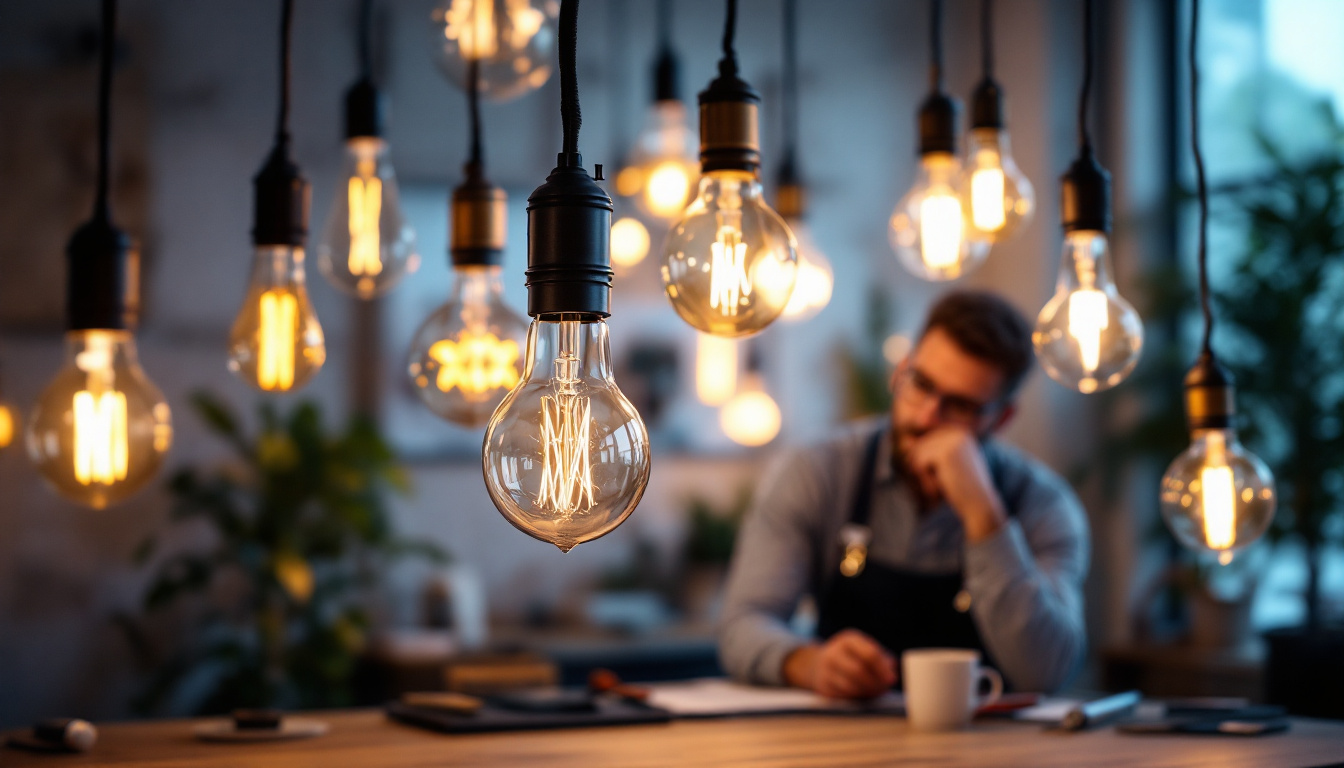
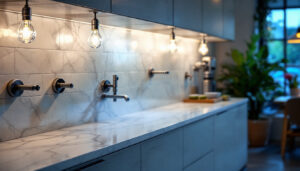
Decor light bulbs are not just functional elements; they are integral to the aesthetic appeal of any environment. These bulbs come in various shapes, sizes, and technologies, each serving a unique purpose. From vintage-style Edison bulbs to modern LED options, the choices available can significantly influence the overall design scheme.
Types of Decor Light Bulbs
There are several types of decor light bulbs, each with its characteristics and applications. Understanding these types is crucial for lighting contractors looking to provide tailored solutions for their clients.
- Incandescent Bulbs: Known for their warm glow and excellent color rendering, incandescent bulbs are a classic choice. They are often used in decorative fixtures and provide a cozy atmosphere.
- LED Bulbs: These energy-efficient options have gained popularity due to their longevity and versatility. Available in various color temperatures, LED bulbs can mimic the warm glow of incandescent bulbs or provide cooler, more modern lighting.
- Halogen Bulbs: A type of incandescent bulb, halogen bulbs offer brighter light and improved energy efficiency. They are often used in track lighting and accent lighting applications.
Applications of Decor Light Bulbs
Decor light bulbs find applications in various settings, from residential to commercial spaces. Understanding where and how to use these bulbs can enhance the overall design and functionality of a space.
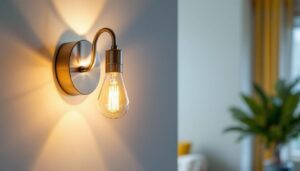
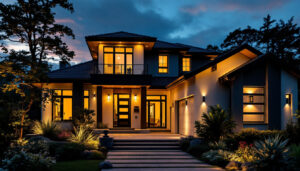
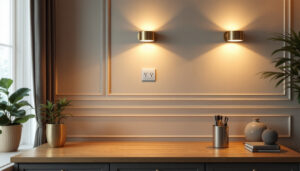
In residential settings, decor light bulbs can be used in chandeliers, pendant lights, and wall sconces to create a warm and inviting atmosphere. In commercial spaces, they can serve as statement pieces that not only illuminate but also enhance the brand’s identity. For example, a trendy cafe might opt for vintage Edison bulbs to create a rustic vibe, while a modern office may choose sleek LED fixtures for a contemporary look.
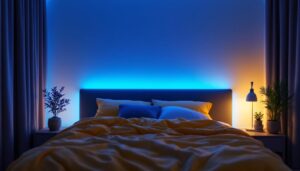
Moreover, the placement and type of decor light bulbs can dramatically affect the mood of a room. For instance, dimmable LED bulbs can allow for adjustable lighting, making it easy to transition from bright, energizing light during the day to a softer, more relaxing ambiance in the evening. Additionally, smart bulbs have emerged as a popular choice, allowing users to control brightness and color through smartphone apps or voice commands, adding a layer of convenience and personalization to any space.
Furthermore, the environmental impact of decor light bulbs cannot be overlooked. With the increasing emphasis on sustainability, many consumers are now opting for LED bulbs not only for their energy efficiency but also for their reduced carbon footprint. This shift towards eco-friendly lighting solutions reflects a growing awareness of the importance of responsible consumption, making it essential for designers and contractors to stay informed about the latest advancements in lighting technology and energy-saving practices.
Choosing the Right Decor Light Bulb
Selecting the appropriate decor light bulb involves several considerations, including the intended ambiance, energy efficiency, and compatibility with existing fixtures. Lighting contractors must be well-versed in these factors to guide their clients effectively.
Evaluating Color Temperature
Color temperature is a critical aspect of decor light bulbs that affects the mood of a space. Measured in Kelvins (K), color temperature can range from warm (around 2700K) to cool (upwards of 5000K). For cozy, intimate settings, warm light is often preferred, while cooler light is suitable for workspaces where clarity and focus are essential.
Contractors should educate clients about the impact of color temperature on their environment. For instance, a restaurant might benefit from warm lighting to enhance the dining experience, while a retail store may opt for cooler lighting to highlight products effectively. Additionally, understanding the concept of color rendering index (CRI) can further aid in making informed decisions. A higher CRI means that colors will appear more vibrant and true to life, which is particularly important in settings like art galleries or fashion boutiques, where the accurate representation of colors can influence customer perceptions and sales.
Assessing Energy Efficiency
Energy efficiency is another crucial consideration when selecting decor light bulbs. With the increasing emphasis on sustainability, many clients are looking for options that reduce energy consumption without compromising on quality. LED bulbs stand out in this regard, providing significant energy savings and a longer lifespan compared to traditional incandescent bulbs.
Contractors can help clients understand the long-term benefits of investing in energy-efficient lighting solutions. By highlighting potential cost savings on energy bills and the reduced need for frequent replacements, contractors can position themselves as knowledgeable advisors in the lighting industry. Furthermore, discussing the environmental impact of lighting choices can resonate with eco-conscious clients. By opting for energy-efficient bulbs, clients not only lower their carbon footprint but also contribute to a larger movement towards sustainable living, which is increasingly becoming a priority for many consumers today. This holistic approach to lighting selection can lead to more meaningful conversations and stronger client relationships.
Installation Best Practices
Once the right decor light bulbs have been selected, proper installation is paramount to ensure optimal performance and safety. Lighting contractors must adhere to best practices to avoid common pitfalls and deliver high-quality results.
Understanding Fixture Compatibility
Before installation, it is essential to ensure that the chosen decor light bulbs are compatible with the fixtures. Different fixtures may require specific bulb types, wattages, or bases. For example, a chandelier designed for incandescent bulbs may not support the wattage of a high-output LED bulb.
Contractors should always verify the specifications of both the bulbs and the fixtures to prevent issues such as flickering or overheating. This attention to detail not only enhances the safety of the installation but also contributes to the longevity of the lighting solution.
Ensuring Proper Placement
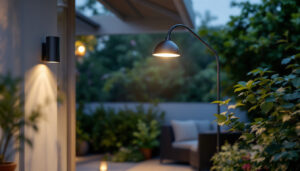
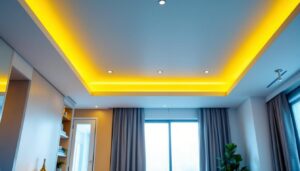
Placement of decor light bulbs is crucial for achieving the desired lighting effect. Whether it’s highlighting architectural features or creating a cozy nook, the positioning of light sources can dramatically alter the perception of space.
Lighting contractors should consider factors such as the height of the fixtures, the direction of light, and the surrounding decor when planning placements. Utilizing dimmers can also provide flexibility, allowing clients to adjust the lighting according to their needs and preferences.
Trends in Decor Lighting
The lighting industry is continually evolving, with new trends emerging that influence the selection and use of decor light bulbs. Staying informed about these trends can give lighting contractors a competitive edge and enhance their service offerings.
Smart Lighting Solutions
One of the most significant trends in decor lighting is the rise of smart lighting solutions. These systems allow users to control their lighting remotely via smartphones or voice commands, offering convenience and customization.
Contractors can educate clients about the benefits of integrating smart lighting into their decor, such as the ability to create dynamic lighting scenes for different occasions. This technology not only enhances user experience but also appeals to the growing demand for energy-efficient solutions.
Vintage and Retro Styles
Despite the advancements in lighting technology, there is a strong trend towards vintage and retro styles. Decor light bulbs that mimic the look of traditional incandescent bulbs, such as Edison-style bulbs, are increasingly popular in both residential and commercial settings.
Contractors can leverage this trend by offering clients a range of vintage-inspired options that combine modern efficiency with nostalgic aesthetics. This approach not only meets client preferences but also showcases the contractor’s ability to adapt to evolving design trends.
Client Education and Engagement
Educating clients about decor light bulbs and their applications can significantly enhance the contractor-client relationship. By providing valuable information, contractors can position themselves as trusted advisors in the lighting space.
Providing Resources and Recommendations
Lighting contractors should consider creating informative resources, such as brochures or digital content, that outline the benefits and features of different decor light bulbs. This can help clients make informed decisions and feel more confident in their choices.
Additionally, offering personalized recommendations based on the client’s specific needs and preferences can foster a sense of partnership. Engaging clients in discussions about their vision for the space can lead to more successful outcomes and satisfied customers.
Showcasing Successful Projects
Another effective way to engage clients is by showcasing successful projects that highlight the impact of decor light bulbs. Before-and-after photos, case studies, and testimonials can serve as powerful tools to demonstrate the transformative power of lighting.
By sharing these success stories, contractors can inspire clients and instill confidence in their ability to deliver exceptional results. This not only enhances the contractor’s reputation but also encourages referrals and repeat business.
Conclusion
Decor light bulbs are a vital component of any lighting project, influencing both the functionality and aesthetic appeal of spaces. For lighting contractors, understanding the various types, applications, and trends associated with these bulbs is essential for providing exceptional service to clients.
By staying informed, offering tailored solutions, and engaging clients through education and successful project showcases, contractors can position themselves as leaders in the lighting industry. As the demand for innovative and efficient lighting solutions continues to grow, embracing the intricacies of decor light bulbs will undoubtedly lead to greater success in the field.
Illuminate Your Projects with LumenWholesale
Ready to elevate your lighting projects with the finest decor light bulbs on the market? Look no further than LumenWholesale, where we provide lighting contractors with exceptional, spec-grade lighting products at unbeatable wholesale prices. Say goodbye to local distributor markups and hello to a vast selection of top-tier lighting solutions that meet the highest industry standards. With LumenWholesale, you can enjoy the convenience of bulk buying with free shipping, ensuring you get premium lighting at the best value — without hidden fees or compromises. Transform your lighting projects today by visiting Wholesale Lighting at the Best Value and discover the perfect blend of quality, affordability, and convenience.