Understanding the BR30 Bulb: A Comprehensive Overview
For lighting contractors, selecting the right bulb is critical to achieving optimal illumination, energy efficiency, and client satisfaction. Among the many bulb types available, the BR30 bulb stands out as a versatile and widely used option in residential and commercial lighting projects. But what exactly is a BR30 bulb, and why should it be a staple in your toolkit?
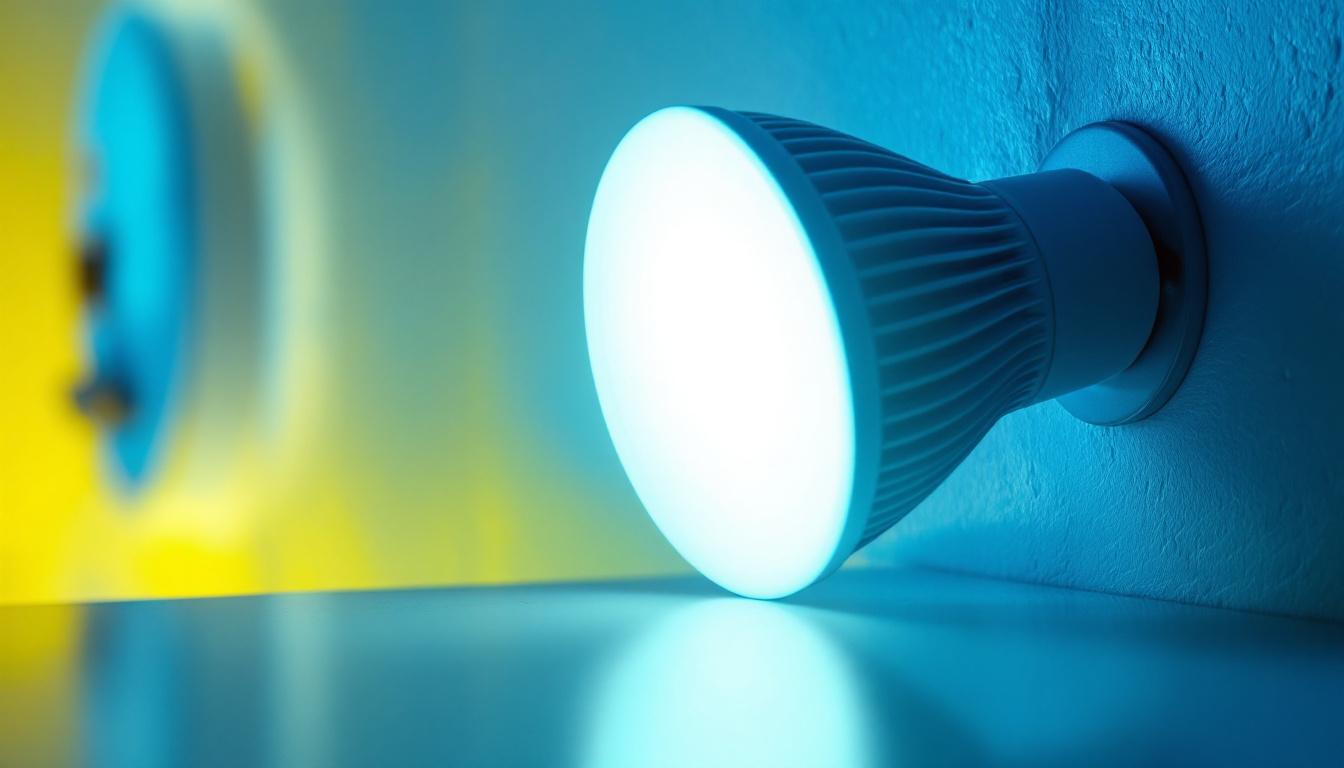
The BR30 bulb is a type of reflector bulb, characterized by its “BR” designation, which stands for “bulged reflector.” The number “30” refers to the diameter of the bulb in eighths of an inch, meaning a BR30 bulb is approximately 3.75 inches in diameter. This size makes it larger than standard A19 bulbs and ideal for directional lighting applications where a wider beam spread is necessary.
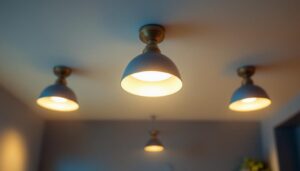
Typically, BR30 bulbs are used in recessed cans, track lighting, and other fixtures that require focused yet broad illumination. Their design allows them to direct light forward with a soft edge, reducing glare and creating an inviting atmosphere. This makes them a popular choice for living rooms, kitchens, retail spaces, and hospitality environments.
One of the key advantages of BR30 bulbs is their energy efficiency. Many BR30 bulbs are available in LED versions, which consume significantly less energy than traditional incandescent or halogen bulbs. This not only reduces electricity bills but also contributes to a lower carbon footprint, making them an environmentally friendly choice. Additionally, LED BR30 bulbs have a longer lifespan, often lasting up to 25,000 hours or more, which means fewer replacements and less waste over time.
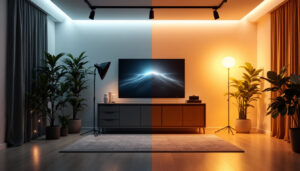
Another important aspect to consider is the color temperature of BR30 bulbs. They are available in various color temperatures, ranging from warm white (around 2700K) to cool white (up to 5000K). This variety allows contractors to tailor the lighting to specific environments and moods, whether aiming for a cozy, intimate setting or a bright, energizing atmosphere. Furthermore, the dimmable options available for BR30 bulbs provide even greater flexibility, enabling users to adjust the brightness according to their needs and preferences, enhancing the overall functionality of the space.
Key Features and Specifications of BR30 Bulbs
Beam Angle and Light Distribution
One of the defining characteristics of BR30 bulbs is their beam angle, which generally ranges between 60 to 120 degrees. This wide beam angle is advantageous for lighting contractors because it provides ample coverage without the harshness of a spotlight. A 90-degree beam angle is common, striking a balance between focused and ambient light.
Understanding the beam angle is essential when designing lighting layouts, especially in commercial settings where uniform illumination is necessary. For example, in retail stores, BR30 bulbs can highlight merchandise effectively without creating distracting shadows or hotspots. Additionally, the ability to adjust the positioning of these bulbs allows for dynamic lighting designs that can adapt to seasonal displays or promotional events, enhancing the shopping experience and drawing customers’ attention to specific products.
Wattage and Energy Efficiency
BR30 bulbs come in various wattages, typically ranging from 40 to 65 watts in incandescent versions. However, the lighting industry has seen a significant shift towards LED BR30 bulbs, which consume far less energy—often between 9 and 15 watts—while delivering equivalent or superior brightness.
For lighting contractors, recommending LED BR30 bulbs is a smart move to meet client demands for energy efficiency and sustainability. LEDs also offer longer lifespans, reducing maintenance costs and enhancing the overall value proposition for end-users. Furthermore, the reduced energy consumption of LED bulbs contributes to lower electricity bills, making them an attractive option for both residential and commercial properties looking to cut costs while being environmentally conscious.
Color Temperature and CRI
Color temperature plays a vital role in setting the mood and functionality of a space. BR30 bulbs are available in a range of color temperatures, from warm white (2700K) to daylight (5000K). Warm white tones create cozy, inviting environments, ideal for residential and hospitality applications, while cooler temperatures are better suited for task lighting and commercial environments.
The Color Rendering Index (CRI) is another critical specification. A high CRI (above 80) ensures that colors appear natural and vibrant under the light source. Lighting contractors should prioritize BR30 bulbs with a CRI of 90 or higher for applications where accurate color representation is crucial, such as art galleries or retail displays. Additionally, the choice of color temperature can influence consumer behavior; studies have shown that warmer light can encourage relaxation and spending, while cooler light can enhance alertness and productivity, making the selection of BR30 bulbs a strategic decision in various settings.
Applications and Installation Best Practices for Lighting Contractors
Residential Lighting Applications
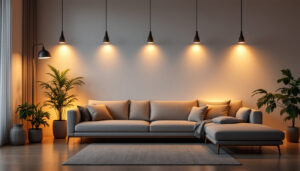
In residential settings, BR30 bulbs are commonly installed in recessed lighting fixtures, often referred to as can lights. Their wide beam angle and soft light distribution make them ideal for general ambient lighting in living rooms, kitchens, and hallways. Lighting contractors should consider the room size and ceiling height to determine the optimal number and placement of BR30 bulbs.
Additionally, BR30 bulbs can be used in track lighting systems to highlight artwork, architectural features, or task areas. When installing, ensure that the fixture is rated for the bulb’s wattage and that the bulb fits securely to avoid overheating or electrical issues.
Commercial and Hospitality Environments
In commercial spaces such as retail stores, restaurants, and hotels, BR30 bulbs provide a balance between functional illumination and aesthetic appeal. Their ability to evenly light large areas while reducing glare makes them a preferred choice for creating welcoming atmospheres that encourage customer engagement.
Lighting contractors should pay close attention to the dimmability of BR30 bulbs in these settings. Many LED BR30 bulbs are compatible with dimmer switches, allowing for dynamic lighting control that can adjust to different times of day or specific events. Confirming compatibility with existing dimmer systems is essential to avoid flickering or reduced bulb lifespan.
Outdoor and Specialty Uses
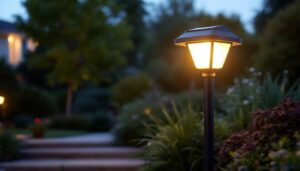
While BR30 bulbs are primarily designed for indoor use, certain models are rated for damp or wet locations, making them suitable for covered outdoor fixtures such as porches or patios. Lighting contractors should verify the bulb’s UL rating to ensure it meets the environmental requirements of the installation site.
Specialty BR30 bulbs with enhanced features, such as smart lighting capabilities or color tuning, are also gaining popularity. These options allow contractors to offer clients advanced lighting solutions that can be controlled via mobile apps or integrated into building automation systems.
Mastering Installation and Maintenance: Tips for Lighting Contractors
Ensuring Proper Fixture Compatibility
One of the most common challenges lighting contractors face is ensuring that the BR30 bulb is compatible with the fixture. This includes verifying the socket type (usually medium E26 base), fixture wattage rating, and physical space within recessed cans or track heads.
Improper fit or exceeding the fixture’s wattage rating can lead to overheating, reduced bulb lifespan, or even fire hazards. Always consult manufacturer guidelines and use quality fixtures designed for reflector bulbs to avoid these issues.
Optimizing Lighting Layout and Spacing
Effective lighting design involves more than just bulb selection. Contractors should calculate the appropriate spacing between BR30 bulbs to achieve uniform illumination without dark spots or excessive overlap. As a rule of thumb, spacing should be about 1.5 to 2 times the ceiling height for recessed lighting.
Using lighting design software or photometric data can assist in planning layouts that maximize both aesthetics and functionality. This approach also helps in meeting energy codes and standards, which are increasingly stringent in many jurisdictions.
Maintenance and Troubleshooting
Although LED BR30 bulbs have long lifespans, regular maintenance checks are still necessary to ensure consistent performance. Contractors should advise clients to periodically inspect bulbs for signs of flickering, dimming, or discoloration, which may indicate electrical issues or the need for replacement.
When troubleshooting, start by checking the fixture, wiring, and dimmer compatibility before replacing bulbs. Proper documentation of installations and maintenance schedules can also streamline service calls and enhance client trust.
Emerging Trends and Innovations in BR30 Lighting
Smart and Connected Lighting Solutions
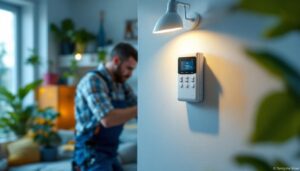
The integration of smart technology into BR30 bulbs is revolutionizing how lighting contractors approach projects. Smart BR30 bulbs offer features such as remote control, scheduling, color tuning, and integration with voice assistants. These capabilities provide clients with unprecedented control over their lighting environments.
For contractors, understanding the installation requirements and network compatibility of smart bulbs is essential. This includes ensuring robust Wi-Fi or Zigbee connectivity and educating clients on app usage and troubleshooting.
Advancements in LED Technology
LED technology continues to evolve, with improvements in luminous efficacy, color accuracy, and thermal management. Modern LED BR30 bulbs offer brighter light output with lower energy consumption and reduced heat generation compared to earlier models.
Lighting contractors should stay informed about these advancements to recommend the most efficient and cost-effective solutions. Additionally, emerging standards and certifications, such as ENERGY STAR and DesignLights Consortium (DLC), help identify high-quality LED BR30 bulbs suitable for various applications.
Sustainability and Environmental Considerations
With growing emphasis on sustainability, lighting contractors play a pivotal role in promoting environmentally responsible choices. BR30 bulbs, especially LEDs, contribute to reducing energy consumption and carbon footprints. Moreover, many LED BR30 bulbs are recyclable, further enhancing their environmental benefits.
Contractors should guide clients on proper disposal and recycling practices and consider the full lifecycle impact of lighting products when making recommendations.
Conclusion: Elevating Your Expertise with BR30 Bulbs
Mastering the use of BR30 bulbs empowers lighting contractors to deliver superior lighting solutions tailored to diverse client needs. From understanding technical specifications and application nuances to embracing emerging technologies and sustainability practices, the BR30 bulb is more than just a lighting component—it is a versatile tool for creating impactful environments.
By staying informed and applying best practices in installation, maintenance, and design, contractors can enhance project outcomes, increase client satisfaction, and position themselves as trusted experts in the competitive lighting industry.
Get Your Premium BR30 Bulbs at LumenWholesale
Ready to elevate your lighting projects with the best BR30 bulbs in the market? Look no further than LumenWholesale, where we offer an extensive selection of top-quality, spec-grade lighting products at unbeatable wholesale prices. Say goodbye to inflated markups and hello to reliable, high-performance lighting that meets the highest industry standards. With free shipping on bulk orders, you can stock up on premium lighting without the hassle of hidden fees or compromises. Make your next project shine and experience the best value in wholesale lighting with LumenWholesale.