Introduction to Under Cabinet LED Lighting Strips
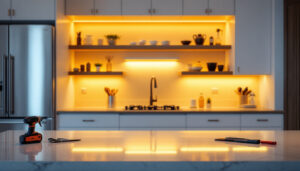
Under cabinet LED lighting strips have become a staple in modern interior design, especially in kitchens, offices, and retail spaces. For lighting contractors, understanding the nuances of these lighting solutions is essential to delivering quality installations that meet client expectations and comply with safety standards.
LED technology offers significant advantages over traditional lighting, including energy efficiency, longevity, and versatility. However, selecting the right product and installation method requires a comprehensive understanding of the various types of LED strips, power requirements, and aesthetic considerations.
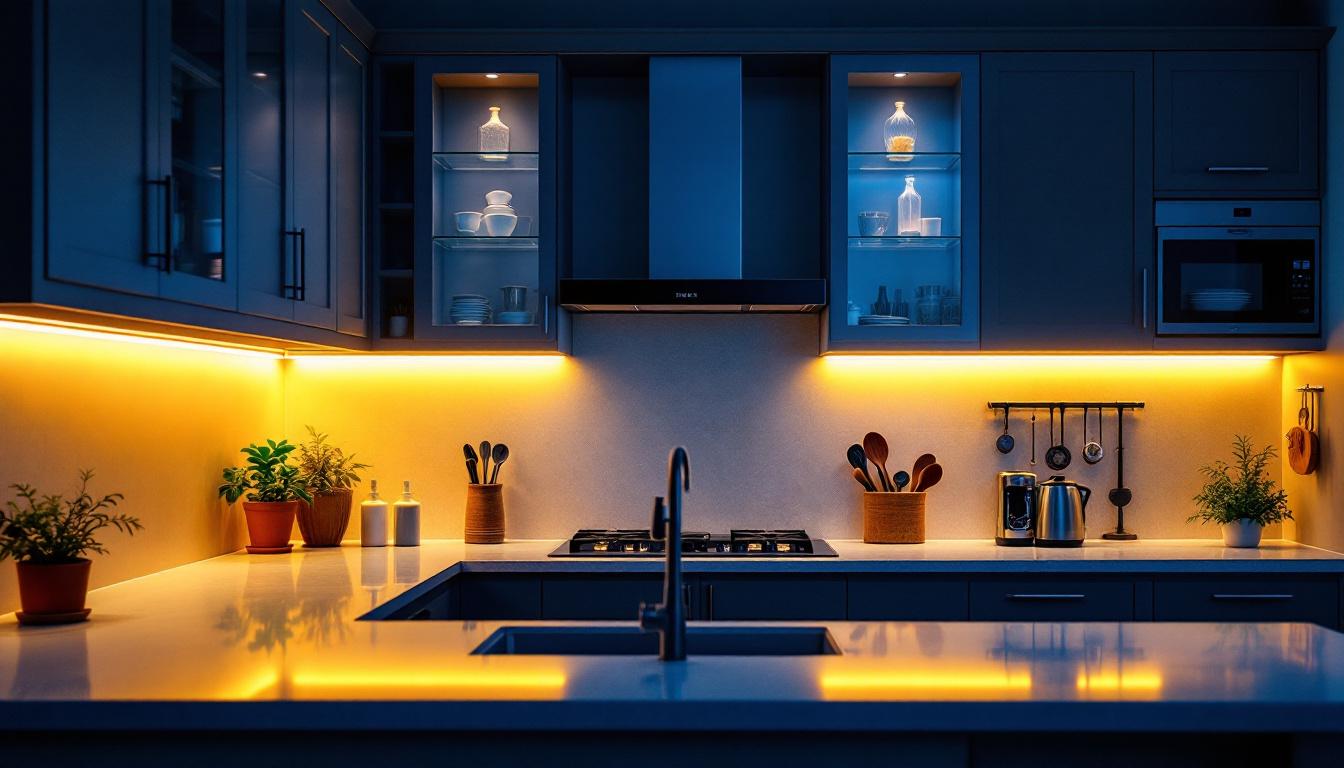
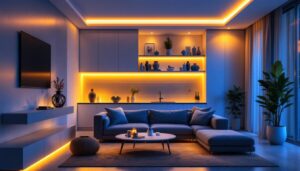
One of the most appealing aspects of under cabinet LED lighting is its ability to enhance both functionality and ambiance. These strips can illuminate workspaces, making tasks such as cooking or crafting easier and safer. Additionally, they can create a warm, inviting atmosphere in a room, especially when dimmable options are used. The color temperature of the LEDs can also be tailored to fit the mood of the space, ranging from a cool white light that promotes alertness to a soft yellow hue that fosters relaxation.
Moreover, the installation of under cabinet LED lighting strips can be customized to fit the unique layout and design of any space. With options for hardwired connections or plug-in models, contractors can choose the most suitable installation method based on the client’s needs and the existing electrical infrastructure. Furthermore, the flexibility of LED strips allows them to be cut to size, enabling seamless integration into various cabinet designs. This adaptability not only enhances the visual appeal of the installation but also ensures that the lighting is precisely where it is needed most.
Why LED Under Cabinet Lighting is a Contractor’s Best Bet
Energy Efficiency and Cost Savings
LED strips consume significantly less power than incandescent or fluorescent alternatives. This efficiency translates to lower operating costs for clients and aligns with growing environmental regulations and consumer demand for sustainable solutions. For contractors, recommending LED strips can enhance client satisfaction by reducing long-term energy expenses. Furthermore, the reduced energy consumption not only benefits the wallet but also contributes to a smaller carbon footprint, appealing to environmentally conscious homeowners. As energy prices continue to rise, the financial advantages of LED lighting become even more pronounced, making it a wise investment for both contractors and their clients.
Longevity and Durability
LEDs typically have lifespans exceeding 25,000 hours, reducing the frequency of maintenance and replacement. This durability is a selling point for contractors, as it minimizes callbacks and builds trust with clients. Additionally, many LED strips are designed with robust materials that resist moisture and heat, making them suitable for kitchen environments. Beyond just their lifespan, LEDs also maintain their brightness over time without flickering or dimming, ensuring that the quality of light remains consistent throughout their use. This reliability can be particularly important in spaces where proper illumination is crucial for safety and functionality, such as in cooking areas where precision is key. Moreover, the low heat output of LED lights means they are less likely to cause damage to cabinetry or surrounding materials, further extending the life of the installation and enhancing the overall value of the project.
Types of Under Cabinet LED Lighting Strips
Monochrome vs. RGB LED Strips
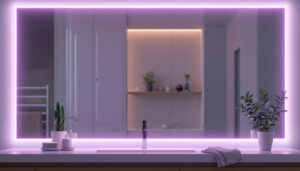
Monochrome LED strips emit a single color, usually warm or cool white, which is ideal for task lighting under cabinets. RGB (Red, Green, Blue) LED strips offer color-changing capabilities, allowing for dynamic lighting effects. While RGB strips can add ambiance, contractors should carefully assess client needs to avoid unnecessary complexity and cost. The versatility of RGB strips can be particularly appealing for homeowners who enjoy hosting gatherings or want to create a specific mood for different occasions. By utilizing smart home technology, these strips can be programmed to change colors with the seasons or sync with music, enhancing the overall atmosphere of the space.
Flexible vs. Rigid LED Strips
Flexible LED strips are highly adaptable and can be installed on curved or uneven surfaces, making them popular for custom cabinetry. Rigid LED strips, often mounted on aluminum channels, provide a more uniform light output and are easier to maintain. Choosing between these depends on the installation environment and client preferences. Additionally, flexible strips are often favored in creative applications, such as accent lighting in architectural features or decorative elements, while rigid strips are preferred in commercial settings where consistent lighting is paramount. Understanding the specific requirements of each project can help contractors make informed recommendations that enhance both functionality and aesthetics.
Water-Resistant and Waterproof Options
For kitchens and wet areas, selecting LED strips with appropriate IP ratings is critical. IP65 or higher-rated strips offer protection against water splashes and humidity, ensuring safety and longevity. Lighting contractors must verify these ratings and recommend suitable products for each application. Furthermore, the installation of water-resistant strips can significantly reduce the risk of electrical hazards, making them a wise choice for areas prone to moisture. In addition to kitchens, these strips are also ideal for outdoor applications, such as under patio covers or in outdoor kitchens, where exposure to the elements is a concern. This versatility not only enhances safety but also expands the potential for creative lighting solutions in various settings.
Technical Considerations for Installation
Power Supply and Voltage Requirements
Most LED strips operate on low voltage, typically 12V or 24V DC. Contractors must ensure the power supply matches the strip specifications to prevent damage and ensure optimal performance. Additionally, calculating the total wattage and selecting a power supply with adequate capacity and safety certifications is crucial.
Wiring and Circuit Design
Proper wiring ensures consistent illumination and prevents voltage drop, which can cause dimming towards the end of the strip. For longer runs, contractors may need to use multiple power injection points or select higher voltage strips. Understanding circuit design principles helps avoid common pitfalls and enhances system reliability.
Heat Management
Although LEDs generate less heat than traditional bulbs, heat dissipation remains important for maintaining longevity. Installing LED strips on aluminum channels or heat sinks can improve thermal management. Contractors should educate clients on the benefits of proper heat dissipation to justify potential additional costs.
Design and Aesthetic Factors
Color Temperature and CRI (Color Rendering Index)
Choosing the right color temperature (measured in Kelvins) affects the ambiance and functionality of the space. Warm white (2700K-3000K) creates a cozy atmosphere, while cool white (4000K-5000K) enhances visibility for tasks. Additionally, a high CRI (above 80) ensures colors appear natural, which is particularly important in kitchens and retail displays.
Light Diffusion and Uniformity
LED strips can sometimes produce hotspots or uneven lighting. Using diffusers or frosted covers helps create a smooth, uniform glow that enhances the overall look. Lighting contractors should consider these accessories during installation to meet client expectations for quality and aesthetics.
Integration with Smart Controls
Smart lighting solutions are increasingly popular, allowing users to adjust brightness, color, and schedules via mobile devices or voice assistants. Contractors knowledgeable in integrating LED strips with smart home systems can offer added value and future-proof installations.
Safety and Compliance
Electrical Codes and Standards
Compliance with local electrical codes is non-negotiable. Contractors must ensure all components, including power supplies and connectors, meet relevant certifications such as UL or CE. Proper grounding, circuit protection, and adherence to load limits are essential to prevent hazards.
Fire Safety Considerations
LED strips and their installations should minimize fire risks. Using fire-retardant materials, avoiding overloading circuits, and ensuring adequate ventilation contribute to safer installations. Contractors should stay informed about best practices and manufacturer guidelines.
Common Challenges and Troubleshooting Tips
Addressing Voltage Drop
Voltage drop is a frequent issue that causes dimming towards the end of long LED strips. To mitigate this, contractors can use thicker gauge wiring, multiple power injection points, or choose higher voltage strips. Planning the layout carefully before installation reduces the likelihood of this problem.
Dealing with Adhesive Failures
Many LED strips come with adhesive backing, but this may fail over time, especially on textured or oily surfaces. Contractors should prepare surfaces properly—cleaning and drying them thoroughly—and consider supplemental mounting methods such as clips or channels for secure attachment.
Ensuring Consistent Color Matching
When combining multiple LED strips or replacing sections, color inconsistency can occur. Contractors should purchase strips from the same batch and supplier and verify color temperature and CRI before installation. Maintaining inventory records helps manage future replacements.
Best Practices for Lighting Contractors
Client Consultation and Needs Assessment
Understanding the client’s functional and aesthetic goals is the foundation of a successful project. Contractors should discuss lighting preferences, control options, and budget constraints early in the process to tailor solutions effectively.
Product Selection and Vendor Relationships
Building relationships with reputable suppliers ensures access to quality products and technical support. Contractors should stay updated on the latest LED technologies and trends to offer informed recommendations.
Documentation and After-Sales Support
Providing clients with clear documentation, including wiring diagrams, warranty information, and maintenance tips, enhances professionalism and client satisfaction. Offering after-sales support for troubleshooting or upgrades can lead to repeat business and referrals.
Conclusion
Under cabinet LED lighting strips represent a versatile and efficient solution for enhancing interior spaces. For lighting contractors, mastering the technical, aesthetic, and safety aspects of these installations is crucial to delivering high-quality results. By staying informed about product options, installation best practices, and evolving client needs, contractors can position themselves as trusted experts in this growing segment of the lighting industry.
Illuminate Your Projects with LumenWholesale
Ready to elevate your lighting installations with the highest quality LED strips? At LumenWholesale, we provide lighting contractors with spec-grade, energy-efficient lighting solutions at unbeatable wholesale prices. Say goodbye to local distributor markups and hello to a vast selection of reliable, high-performance lighting that meets the most rigorous industry standards. Plus, with free shipping on bulk orders, you can stock up on premium lighting without worrying about hidden fees or compromises. Don’t miss out on the perfect blend of quality, affordability, and convenience. Visit LumenWholesale now for Wholesale Lighting at the Best Value and start transforming your lighting projects today.