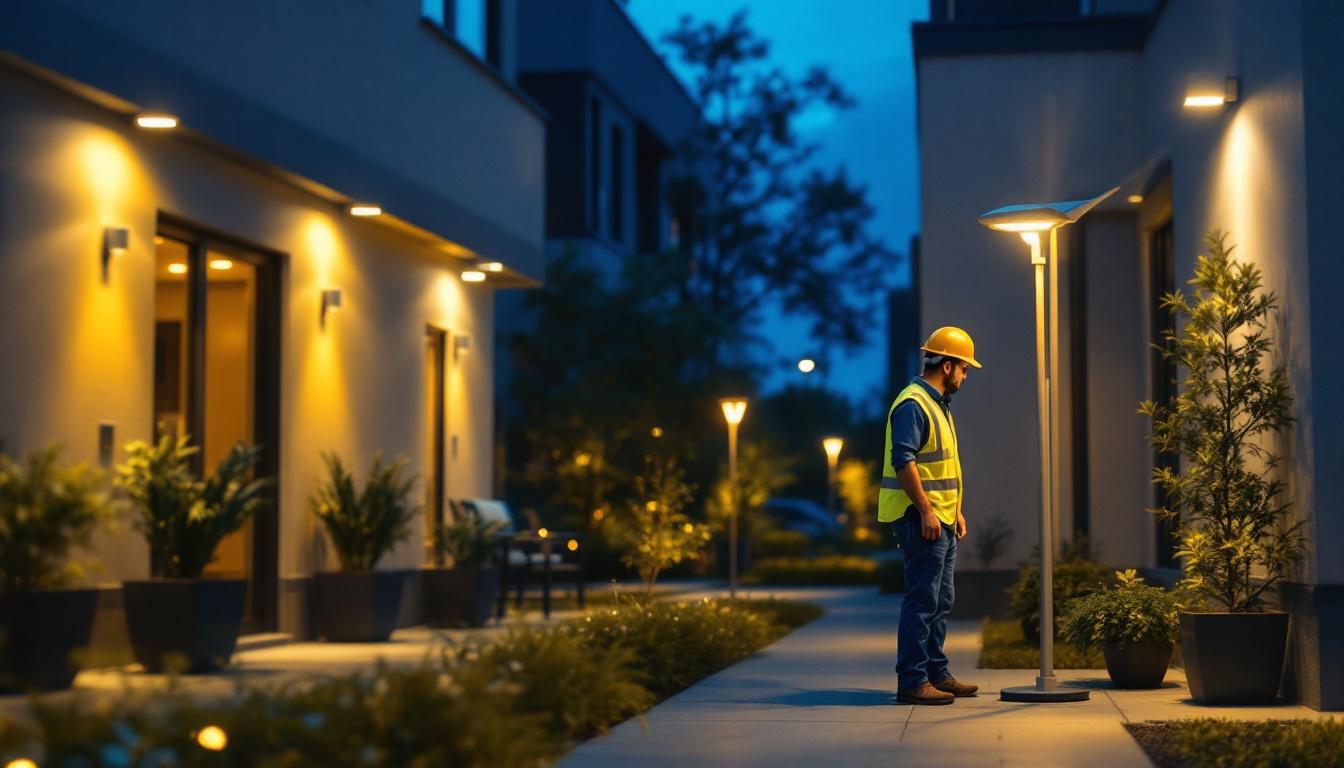
As the demand for sustainable energy solutions continues to rise, solar exterior lighting has emerged as a popular choice for commercial applications. Lighting contractors play a crucial role in the successful implementation of these systems, ensuring they meet both aesthetic and functional requirements. This article explores best practices for lighting contractors when working with solar exterior lights in commercial settings.
Understanding Solar Exterior Lighting
Before diving into best practices, it’s essential to understand what solar exterior lighting entails. These systems harness solar energy to power outdoor lighting fixtures, making them an eco-friendly alternative to traditional electric lights. They are particularly advantageous for commercial properties, offering benefits such as reduced energy costs, minimal maintenance, and ease of installation.
Benefits of Solar Exterior Lighting
Solar exterior lights provide numerous advantages that make them an appealing choice for commercial projects. One of the primary benefits is energy efficiency. By utilizing solar panels, these lights convert sunlight into electricity, significantly lowering energy bills. Additionally, they contribute to sustainability efforts, aligning with the increasing emphasis on green building practices.
Another benefit is the reduced installation complexity. Unlike traditional lighting systems that require extensive wiring and electrical work, solar lights can often be installed quickly and easily. This can lead to lower labor costs and faster project completion times. Moreover, solar lights are generally low-maintenance, requiring minimal upkeep once installed.
Types of Solar Exterior Lights
Lighting contractors should be familiar with the various types of solar exterior lights available to recommend the best options for their clients. Common types include solar pathway lights, flood lights, wall-mounted lights, and decorative fixtures. Each type serves a unique purpose and can enhance the overall safety and aesthetics of a commercial property.
Pathway lights illuminate walkways and driveways, providing safety for pedestrians. Flood lights are ideal for larger areas, offering broad illumination for security purposes. Wall-mounted fixtures can enhance building facades while providing functional lighting. Decorative solar lights can add charm and character to outdoor spaces, making them more inviting.
Best Practices for Installation
Proper installation is critical to the performance and longevity of solar exterior lights. Lighting contractors should follow established best practices to ensure optimal results. This section outlines key considerations during the installation process.
Site Assessment
Before installation, a thorough site assessment is essential. Contractors should evaluate the location to determine the best placement for solar lights. Factors such as sunlight exposure, landscape features, and existing structures can significantly influence the effectiveness of solar lighting.
Identifying areas with adequate sunlight is crucial. Solar panels require direct sunlight to charge effectively, so it’s important to avoid locations that may be shaded by trees, buildings, or other obstructions. A well-planned site assessment can help maximize the efficiency and performance of the lighting system.
Choosing the Right Fixtures
Selecting the appropriate solar fixtures is another critical step in the installation process. Contractors should consider factors such as brightness, battery capacity, and design aesthetics when choosing lights for a commercial project. The brightness of solar lights is typically measured in lumens, and contractors should match the lumen output to the specific lighting needs of the area.
Battery capacity is also vital, as it determines how long the lights will operate after sunset. Choosing fixtures with higher-capacity batteries can ensure consistent performance, especially in areas with limited sunlight. Additionally, the design of the fixtures should complement the architecture and landscape of the property, enhancing its overall appeal.
Installation Techniques
When it comes to installation techniques, attention to detail is paramount. Contractors should ensure that solar panels are positioned at the correct angle to maximize sunlight exposure. Typically, solar panels should face south in the northern hemisphere to capture the most sunlight throughout the day.
Furthermore, securing fixtures properly is essential to withstand various weather conditions. Using durable materials and ensuring that fixtures are mounted securely can prevent damage and prolong the lifespan of the lighting system. Regular inspections and maintenance checks can also help identify any issues early on.
Maintenance and Troubleshooting
While solar exterior lights require less maintenance than traditional lighting systems, they still need periodic care to ensure optimal performance. Lighting contractors should educate clients on basic maintenance practices and troubleshooting techniques.
Regular Cleaning
One of the simplest yet most effective maintenance tasks is cleaning the solar panels. Dust, dirt, and debris can accumulate on the surface, reducing the panel’s ability to absorb sunlight. Contractors should recommend that clients clean the panels regularly, especially after storms or periods of heavy dust.
Using a soft cloth and mild soap can help maintain the efficiency of the solar panels. Clients should also be advised to check for any obstructions, such as branches or leaves, that may block sunlight from reaching the panels.
Troubleshooting Common Issues
In the event of performance issues, contractors should be prepared to troubleshoot common problems. One frequent issue is dim lighting or lights not turning on at all. This can often be attributed to low battery levels, which may occur if the panels are not receiving adequate sunlight.
Contractors should guide clients on how to check the battery and solar panel condition. If the battery is old or damaged, it may need replacement. Additionally, ensuring that the lights are positioned correctly and free from obstructions can help resolve performance issues.
Design Considerations for Commercial Spaces
When integrating solar exterior lights into commercial spaces, design considerations play a significant role in achieving a cohesive look. Lighting contractors should focus on creating a harmonious balance between functionality and aesthetics.
Lighting Layout
A well-planned lighting layout can enhance safety and visibility while also contributing to the overall ambiance of the space. Contractors should consider the specific needs of the area, such as pathways, parking lots, and entrances, when designing the lighting layout.
Utilizing a combination of different types of solar lights can create an inviting atmosphere while ensuring adequate illumination. For instance, pathway lights can guide visitors safely, while decorative fixtures can enhance the visual appeal of outdoor seating areas.
Color Temperature and Brightness
Another important aspect of design is the color temperature of the lights. Different color temperatures can evoke various moods and feelings. For commercial spaces, a neutral white light (around 4000K) is often preferred as it provides a clean and professional appearance.
Contractors should also consider brightness levels to ensure that the lighting is sufficient for the intended use. Areas requiring higher visibility, such as parking lots, may benefit from brighter fixtures, while softer lighting may be suitable for outdoor dining areas.
Regulatory Compliance and Safety Standards
Compliance with local regulations and safety standards is a critical aspect of any lighting project. Lighting contractors must stay informed about relevant codes and guidelines to ensure that solar exterior lights meet all necessary requirements.
Permits and Regulations
Before commencing installation, contractors should research and obtain any required permits. Local regulations may dictate specific requirements for outdoor lighting, including brightness levels, fixture types, and placement. Failing to comply with these regulations can result in fines or the need for costly modifications.
Contractors should also be aware of any zoning laws that may affect the installation of solar lights. Understanding these regulations can streamline the installation process and ensure that the project adheres to local standards.
Safety Standards
Safety is paramount in any lighting installation. Contractors should ensure that all solar exterior lights are manufactured to meet safety standards. This includes verifying that fixtures are weather-resistant and suitable for outdoor use.
Additionally, proper installation techniques should be followed to minimize risks. Ensuring that fixtures are securely mounted and that electrical components are protected from moisture can help prevent accidents and injuries.
Future Trends in Solar Exterior Lighting
The field of solar exterior lighting is continually evolving, with new technologies and trends emerging regularly. Lighting contractors should stay informed about these developments to provide clients with the most up-to-date solutions.
Smart Solar Lighting
One notable trend is the rise of smart solar lighting systems. These innovative solutions incorporate advanced technologies, such as motion sensors and remote control capabilities, allowing for greater flexibility and efficiency. Smart solar lights can automatically adjust brightness levels based on surrounding conditions, enhancing energy savings.
Contractors should consider recommending smart solar lighting options to clients looking for cutting-edge solutions that enhance security and convenience. These systems can provide real-time data on energy usage and performance, allowing for informed decision-making regarding maintenance and upgrades.
Integration with Renewable Energy Systems
Another trend is the integration of solar exterior lights with other renewable energy systems, such as solar panels for buildings. This holistic approach to energy management can maximize efficiency and reduce reliance on traditional energy sources.
Contractors should explore opportunities to combine solar lighting with other renewable technologies, offering clients comprehensive solutions that align with their sustainability goals. This can also enhance the overall value of the property, making it more attractive to environmentally conscious consumers.
Conclusion
Solar exterior lights represent a significant advancement in sustainable lighting solutions for commercial applications. By following best practices in installation, maintenance, and design, lighting contractors can ensure that these systems deliver optimal performance and aesthetics.
Staying informed about emerging trends and regulatory requirements will further enhance the contractor’s ability to provide valuable services to clients. As the demand for eco-friendly solutions continues to grow, embracing solar exterior lighting will not only benefit the environment but also position contractors as leaders in the industry.
Incorporating these best practices into everyday operations can lead to successful projects and satisfied clients, paving the way for a brighter, more sustainable future in commercial lighting.
Illuminate Your Projects with LumenWholesale
Ready to elevate your commercial lighting projects with the most efficient solar exterior lights? At LumenWholesale, we provide lighting contractors with the highest quality, spec-grade lighting products at unbeatable wholesale prices. Say goodbye to local distributor markups and hello to superior lighting solutions that meet the highest industry standards. With our hassle-free bulk buying and free shipping, you can trust that you’re getting premium lighting at the best value — all without hidden fees or compromises. Enhance your lighting projects by choosing LumenWholesale, where quality, affordability, and convenience come together. Wholesale Lighting at the Best Value.