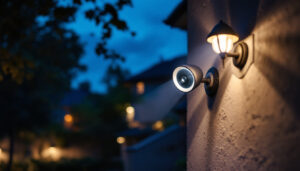
Understanding Photocell Technology in Outdoor Lighting
Photocells, also known as photoelectric sensors or dusk-to-dawn sensors, have transformed outdoor lighting by automating when fixtures turn on and off based on ambient light levels. For lighting contractors, mastering photocell technology is essential to delivering efficient, reliable, and cost-effective lighting solutions.
At its core, a photocell detects natural light and triggers lighting circuits accordingly. When daylight fades below a certain threshold, the photocell activates the light. Conversely, it switches off the light when daylight is sufficient. This simple yet effective mechanism reduces energy waste and extends the lifespan of lighting components.
Understanding the nuances of photocell operation—such as sensitivity adjustments, response time, and compatibility with different lighting types—enables contractors to tailor installations to client needs and environmental conditions. For instance, some photocells come with adjustable sensitivity settings, allowing users to fine-tune the threshold at which the lights turn on and off. This feature is particularly useful in areas where ambient light levels can vary significantly due to nearby streetlights or reflective surfaces, ensuring that outdoor spaces are illuminated only when truly necessary.
Moreover, the integration of photocells with smart lighting systems is becoming increasingly popular. By incorporating wireless technology, these advanced sensors can communicate with other smart devices, enabling features like remote control and scheduling. This not only enhances user convenience but also contributes to energy savings by optimizing lighting based on real-time data. For example, a smart photocell can adjust the lighting based on weather conditions or the presence of people in the area, providing a dynamic and responsive lighting solution that adapts to changing circumstances.
Choosing the Right Photocell for the Job
Types of Photocells and Their Applications
Not all photocells are created equal. Lighting contractors must select the appropriate type based on the project’s requirements. The main categories include:
- Integral Photocells: Built into the lighting fixture, these are convenient for retrofit projects or when minimal wiring is preferred.
- External Photocells: Installed separately from the fixture, offering greater flexibility in placement and often easier maintenance.
- Adjustable Photocells: Allow fine-tuning of the light activation threshold, useful in areas with variable ambient light conditions.
- Photocells with Time Delay: Prevent lights from cycling on and off rapidly during fluctuating light conditions like passing clouds or vehicle headlights.
Each type serves a distinct purpose. For example, adjustable photocells are ideal for commercial parking lots where lighting needs may vary seasonally or with surrounding structures. Meanwhile, integral photocells suit residential applications where simplicity and aesthetics matter. Additionally, in large-scale industrial settings, external photocells can be strategically placed to optimize lighting across expansive areas, ensuring that every corner is adequately illuminated while minimizing energy waste.
Furthermore, understanding the specific environment where the photocell will be installed can greatly influence the choice. For instance, in coastal regions where saltwater can corrode electrical components, selecting robust, weather-resistant external photocells can enhance durability and longevity. Similarly, in regions with heavy snowfall, adjustable photocells can be set to activate lights earlier in the evening, providing safety and visibility during darker hours.
Compatibility with LED and Other Lighting Technologies
LED lighting has become the standard for outdoor illumination due to its energy efficiency and longevity. However, not all photocells are compatible with LED drivers. Some photocells designed for traditional incandescent or HID lamps may cause flickering or fail to operate correctly when paired with LEDs.
Contractors should verify photocell compatibility with the lighting fixture manufacturer’s specifications. Using photocells rated for LED loads ensures smooth operation and prevents premature equipment failure. In addition, some advanced photocells come equipped with features that enhance their compatibility with LED systems, such as built-in surge protection and adjustable sensitivity settings, which can help mitigate issues related to voltage fluctuations that are more common in LED installations.
Moreover, the integration of smart technology into lighting systems has led to the development of photocells that can be controlled remotely. These smart photocells can be programmed to adjust lighting based on real-time data, such as weather conditions or occupancy levels, providing not only energy savings but also enhanced security. As the demand for smart city solutions grows, understanding the interplay between photocells and modern lighting technologies will be crucial for contractors aiming to deliver cutting-edge solutions to their clients.
Installation Best Practices for Photocell Outdoor Lighting
Optimal Placement and Orientation
Proper placement of photocells is critical. Positioning the sensor where it can accurately detect ambient light without interference is key to reliable operation. Common pitfalls include:
- Mounting the photocell too close to the light fixture it controls, causing false readings from the fixture’s own illumination.
- Placing the sensor near artificial light sources like street lamps or security lights, which can cause the photocell to switch off prematurely.
- Installing in shaded areas or behind obstructions that block natural light.
For best results, mount photocells facing the open sky, away from direct light sources. Heights between 10 and 15 feet often work well for commercial applications, while residential setups may vary depending on landscaping and structure. Additionally, consider the seasonal changes in sunlight; for instance, trees may grow or foliage may thicken, potentially obstructing light detection. Regular maintenance checks can ensure that the photocell remains unobstructed and functioning optimally throughout the year.
Wiring and Electrical Considerations
Correct wiring is fundamental to safe and effective photocell operation. Contractors should adhere to local electrical codes and manufacturer instructions. Key points include:
- Ensuring the photocell’s voltage and current ratings match the lighting load.
- Using weatherproof connectors and enclosures to protect wiring from moisture and corrosion.
- Incorporating surge protection devices to guard against voltage spikes, especially in outdoor environments prone to lightning or power fluctuations.
Double-checking connections before energizing the system prevents costly callbacks and enhances client satisfaction. It’s also advisable to label wiring clearly to facilitate future maintenance or adjustments. Using color-coded wires can help distinguish between different circuits and functions, reducing the risk of errors during troubleshooting. Furthermore, consider the potential for future upgrades; leaving extra length in the wiring can provide flexibility for modifications or expansions without the need for complete rewiring.
Testing and Calibration
After installation, thorough testing is essential. Contractors should observe the photocell’s response during dusk and dawn transitions to confirm proper timing and sensitivity. Adjustments may be necessary to accommodate local light conditions or client preferences.
Using a light meter can help verify ambient light levels and ensure the photocell activates at the desired threshold. Additionally, testing under various weather conditions helps identify any issues with false triggering or delayed response. It’s also beneficial to educate clients on how the photocell operates, including its sensitivity to changing light conditions, so they can better understand and appreciate the technology. Providing a simple guide for troubleshooting common issues can empower clients and enhance their overall experience with the photocell lighting system.
Maintenance and Troubleshooting for Long-Term Reliability
Routine Inspection and Cleaning
Photocells exposed to the elements can accumulate dirt, dust, or debris, impairing their ability to detect light accurately. Regular cleaning with a soft cloth and mild detergent keeps sensors functioning optimally.
Contractors should advise clients on maintenance schedules or offer service contracts to ensure ongoing performance. Preventive maintenance reduces the likelihood of unexpected outages and extends the life of the lighting system.
Common Issues and How to Address Them
Lighting contractors frequently encounter problems such as:
- Lights not turning on at dusk: Could indicate a malfunctioning photocell, wiring issues, or sensor obstruction.
- Lights staying on during the day: Often caused by sensor damage, incorrect wiring, or nearby artificial light interference.
- Flickering lights: May result from incompatible photocells with LED fixtures or loose electrical connections.
Systematic troubleshooting-starting with visual inspection, followed by electrical testing-helps pinpoint the root cause. Replacing faulty photocells with high-quality, compatible models usually resolves persistent problems.
Energy Efficiency and Client Benefits
Reducing Energy Consumption and Costs
Photocell-controlled outdoor lighting significantly cuts energy use by ensuring lights operate only when needed. For commercial clients, this translates into substantial savings on electricity bills. Studies show that automated lighting controls can reduce outdoor lighting energy consumption by up to 50% compared to manual or timer-based systems.
Contractors who emphasize these benefits during sales consultations can differentiate their services and justify upfront investment in quality photocell systems.
Enhancing Safety and Security
Consistent, well-timed outdoor lighting improves safety for pedestrians and drivers by illuminating pathways, parking areas, and building perimeters. Photocells ensure lights activate promptly at dusk, maintaining visibility without relying on manual intervention.
For security purposes, reliable lighting deters potential intruders and supports surveillance systems. Contractors should recommend photocell sensors as part of integrated security lighting designs to maximize effectiveness.
Staying Ahead: Emerging Trends in Photocell Lighting
Integration with Smart Lighting Systems
Smart photocells equipped with wireless connectivity allow remote monitoring and control of outdoor lighting. Lighting contractors can offer clients solutions that adjust lighting levels based on occupancy, weather conditions, or time schedules, further enhancing energy savings and convenience.
These advanced systems often integrate with building management platforms, enabling centralized control across multiple sites. Understanding how to install and configure smart photocell devices positions contractors as leaders in modern lighting technology.
Durability and Environmental Considerations
Photocell sensors designed with robust, weather-resistant materials withstand harsh outdoor environments better than standard models. Contractors should prioritize products with IP65 or higher ratings to ensure longevity in wet, dusty, or extreme temperature conditions.
Additionally, selecting photocells manufactured with sustainable materials and energy-efficient designs aligns with increasing client demand for environmentally responsible solutions.
Conclusion: Delivering Value Through Photocell Expertise
Mastering photocell outdoor lighting is a valuable skill set for lighting contractors. From selecting the right sensor and ensuring proper installation to maintaining performance and troubleshooting issues, attention to detail makes all the difference.
By leveraging photocell technology effectively, contractors can provide clients with lighting systems that save energy, enhance safety, and require minimal upkeep. Staying informed about emerging trends and best practices ensures continued success in a competitive market.
Illuminate Your Projects with LumenWholesale
Ready to elevate your outdoor lighting projects with the expertise of photocell technology? At LumenWholesale, we provide lighting contractors with the finest spec-grade lighting products at unbeatable wholesale prices. Say goodbye to inflated markups and hello to a vast selection of high-quality, reliable lighting options that meet the highest industry standards. Make the smart choice for your next project and take advantage of our hassle-free bulk buying with free shipping. Don’t compromise on quality or value—visit LumenWholesale today for the best in wholesale lighting at the best value.