Creating the perfect outdoor atmosphere requires a thoughtful approach to patio lighting. As a lighting professional, understanding the nuances of patio illumination can elevate your projects and satisfy your clients. This checklist serves as a comprehensive guide to ensure that every aspect of patio lighting is covered, from design considerations to installation details.
Understanding the Basics of Patio Lighting
Before diving into the specifics, it’s crucial to grasp the fundamental principles of patio lighting. Effective lighting not only enhances the aesthetic appeal of outdoor spaces but also improves safety and functionality. A well-lit patio invites social gatherings, encourages relaxation, and can even extend the usability of your outdoor area into the evening hours. By thoughtfully designing your patio lighting, you can create an inviting atmosphere that complements your home’s architecture and landscaping.
Types of Patio Lighting
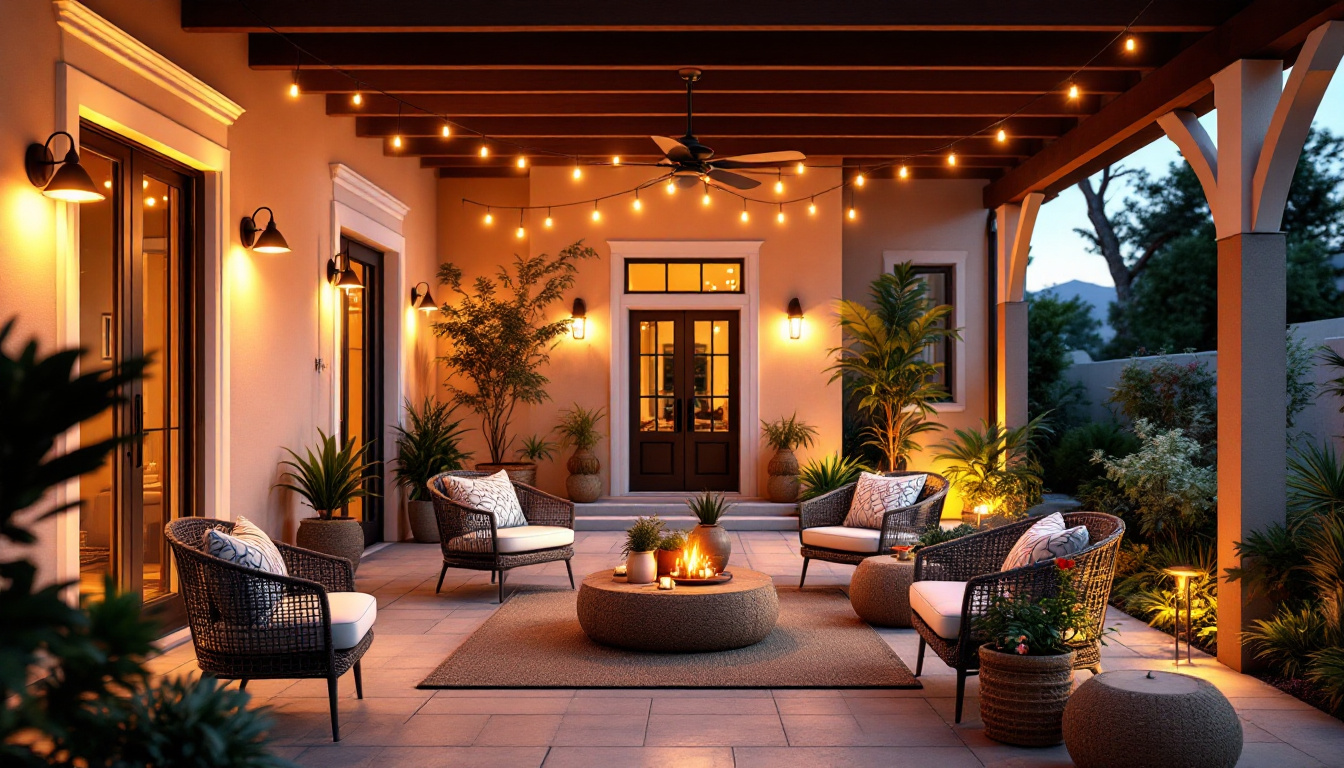
Patio lighting can be broadly categorized into three main types: ambient, task, and accent lighting. Each serves a distinct purpose and contributes to the overall atmosphere. ambient lighting provides general illumination, creating a comfortable level of brightness for the entire area. This can be achieved through overhead fixtures, wall-mounted sconces, or even string lights. Task lighting, on the other hand, focuses on specific areas where activities take place, such as dining or cooking. This type of lighting often includes pendant lights or spotlights. Lastly, accent lighting highlights architectural features or landscaping, adding depth and interest to the space. For instance, illuminating a beautiful tree or a water feature can create a stunning focal point that draws the eye and enhances the overall beauty of your outdoor environment.
Moreover, the choice of light fixtures can also reflect your personal style. From modern LED options to rustic lanterns, the variety available allows homeowners to express their aesthetic preferences while ensuring functionality. The color temperature of the lights can also play a significant role; warmer tones can create a cozy ambiance, while cooler tones may lend a more contemporary feel. Understanding these nuances can help you tailor your patio lighting to suit your vision.
Key Considerations for Design
When designing a patio lighting scheme, several factors come into play. First, consider the size and layout of the patio. A larger space may require multiple light sources to ensure even illumination, while smaller areas might benefit from fewer, strategically placed fixtures. Additionally, the height at which lights are installed can dramatically affect the overall feel of the space; higher fixtures may cast a wider glow, while lower lights can create intimate pockets of light.
Next, think about the intended use of the patio. Will it be a space for entertaining guests, a quiet retreat, or a functional outdoor kitchen? Understanding the primary activities that will take place can guide the selection of appropriate lighting types and placements. For example, if you envision hosting lively dinner parties, consider installing dimmable lights to adjust the brightness according to the mood. Furthermore, integrating smart lighting solutions can provide flexibility, allowing you to control the ambiance with ease from your smartphone or a voice-activated assistant. This way, you can effortlessly transition from a bright, festive atmosphere to a soft, romantic glow with just a few taps or commands, enhancing the overall experience of your outdoor gatherings.
Creating a Lighting Plan
A well-thought-out lighting plan is essential for successful patio illumination. This plan should detail the types of fixtures to be used, their placement, and the overall aesthetic goals.
Mapping Out the Space
Begin by sketching a layout of the patio. Identify key areas such as seating arrangements, pathways, and any focal points like fire pits or water features. Mark potential locations for light fixtures, ensuring that they provide adequate coverage without creating harsh shadows or overly bright spots.
Consider the height at which fixtures will be mounted. For example, pendant lights over dining areas should be hung at a height that allows for comfortable conversation without obstructing views. In contrast, pathway lights should be low to the ground to guide guests safely.
It’s also beneficial to think about the ambiance you want to create during different times of the evening. For instance, softer, warmer lights can evoke a cozy atmosphere for intimate gatherings, while brighter, cooler lights may be more suitable for lively parties. Using dimmers or smart lighting systems can give you the flexibility to adjust the intensity of the lights according to the mood you wish to set.
Selecting the Right Fixtures
The choice of fixtures can significantly impact the overall look and feel of the patio. Opt for weather-resistant materials to ensure longevity, especially in areas with harsh climates. LED fixtures are an excellent choice for their energy efficiency and long lifespan.
Additionally, consider the style of the fixtures. Whether aiming for a modern, rustic, or traditional aesthetic, the lighting should complement the existing design elements of the patio and home. For example, sleek, minimalist fixtures can enhance a contemporary space, while wrought iron lanterns might be perfect for a more classic or vintage look. Don’t forget to explore decorative options such as string lights or fairy lights, which can add a whimsical touch and create a magical atmosphere during evening gatherings.
Moreover, think about the functionality of your lighting choices. Task lighting, such as focused lights over grilling areas or workspaces, can enhance usability, while ambient lighting sets the overall tone. Layering different types of lighting—ambient, task, and accent—will create a well-rounded and inviting environment that caters to various activities and occasions throughout the year.
Installation Best Practices
Once the design and planning phases are complete, it’s time to focus on installation. Proper installation is crucial for both safety and functionality.
Wiring and Electrical Considerations
Before installing any fixtures, ensure that the electrical system can support the lighting plan. This may involve consulting with an electrician to assess load capacities and ensure compliance with local codes.
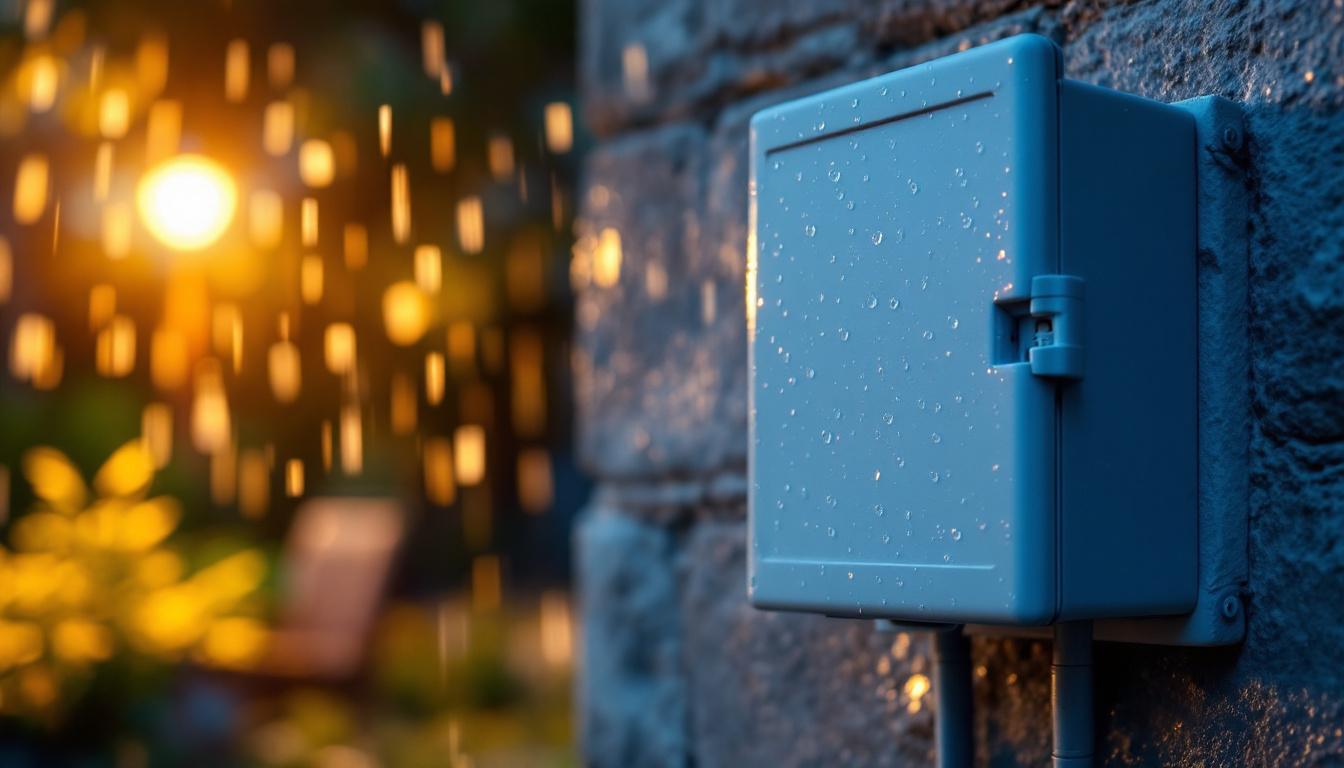
When running wiring, prioritize safety by using underground-rated cables for any outdoor installations. Additionally, consider installing weatherproof junction boxes to protect connections from moisture.
Fixture Placement and Alignment
During installation, take care to align fixtures according to the lighting plan. Use a level to ensure that wall-mounted sconces are straight and that pendant lights hang evenly. Proper alignment not only enhances the aesthetic but also ensures that light is distributed evenly across the intended areas.
It’s also essential to test the fixtures before finalizing the installation. This allows for adjustments to be made, ensuring optimal performance and satisfaction for the client.
Enhancing Safety and Security
In addition to aesthetics, patio lighting plays a vital role in enhancing safety and security. Well-lit spaces deter unwanted visitors and prevent accidents.
Pathway and Step Lighting
Pathways and steps should be adequately illuminated to guide guests safely through the outdoor space. Low-level lights, such as recessed fixtures or solar-powered path lights, can effectively mark these areas without overwhelming the ambiance.
Consider using motion-sensor lights in areas that may require additional security. These fixtures can provide illumination when movement is detected, adding an extra layer of safety for clients.
Lighting Control Options
Integrating smart lighting controls can significantly enhance the usability of patio lighting. Dimmers, timers, and smart home systems allow clients to customize their outdoor lighting experience. For instance, dimmers can create a relaxed atmosphere for evening gatherings, while timers can ensure that lights turn on automatically at dusk.
Educating clients about these options can lead to increased satisfaction and a more enjoyable outdoor experience.
Maintenance Tips for Longevity
Regular Cleaning and Inspections
Encourage clients to periodically clean their fixtures to remove dirt, dust, and debris. This is especially important for outdoor fixtures, which can accumulate grime over time. A simple wipe-down with a damp cloth can restore brightness and clarity.
Additionally, regular inspections should be conducted to check for any signs of wear or damage. This includes examining wiring, connections, and fixture integrity. Addressing issues promptly can prevent larger problems down the line.
Seasonal Adjustments
As seasons change, so too may the needs of outdoor lighting. For instance, during winter months, clients may want to adjust lighting to accommodate for shorter days and increased outdoor activity. Conversely, during summer, they may prefer softer lighting for evening gatherings.
Encouraging clients to reassess their lighting needs seasonally can enhance their outdoor experience and ensure that the patio remains a welcoming space year-round.
Incorporating Sustainable Practices
With growing awareness of environmental issues, incorporating sustainable practices into patio lighting projects can appeal to eco-conscious clients.
Energy-Efficient Lighting Solutions
LED fixtures are a prime example of energy-efficient lighting. They consume significantly less energy than traditional incandescent bulbs and have a longer lifespan, making them a cost-effective choice for clients.
Additionally, consider integrating solar-powered lights into the design. These fixtures harness sunlight during the day and provide illumination at night without relying on the electrical grid.
Smart Technology for Energy Management
Smart lighting systems not only enhance convenience but also promote energy efficiency. By allowing clients to control their lighting remotely, they can ensure that lights are only on when needed. This reduces energy consumption and can lead to lower utility bills.
Educating clients about the benefits of these technologies can position lighting professionals as knowledgeable and forward-thinking in their approach.
Final Thoughts
Patio lighting is an essential component of outdoor design that requires careful consideration and expertise. By following this essential checklist, lighting professionals can create stunning, functional, and safe outdoor spaces that meet the diverse needs of their clients.
From understanding the basics and creating a comprehensive lighting plan to ensuring proper installation and maintenance, each step plays a crucial role in the success of a patio lighting project. By staying informed about the latest trends and technologies, lighting professionals can continue to enhance their offerings and deliver exceptional results.
As the demand for outdoor living spaces continues to grow, the importance of effective patio lighting cannot be overstated. Embracing this checklist will not only streamline the lighting design process but also ensure that every project shines brightly.
Illuminate Your Projects with LumenWholesale
Ready to elevate your patio lighting projects with the finest products on the market? At LumenWholesale, we provide lighting professionals like you with spec-grade lighting solutions that blend quality, affordability, and convenience. Say goodbye to inflated markups and hello to our extensive selection of reliable, high-performance lighting at unbeatable wholesale prices. Plus, with free shipping on bulk orders, you can stock up on premium lighting without any hidden fees. Don’t compromise on your lighting needs—choose LumenWholesale for Wholesale Lighting at the Best Value and make every outdoor space shine with excellence.