Understanding the Role of Outdoor Up Lights in Residential Lighting
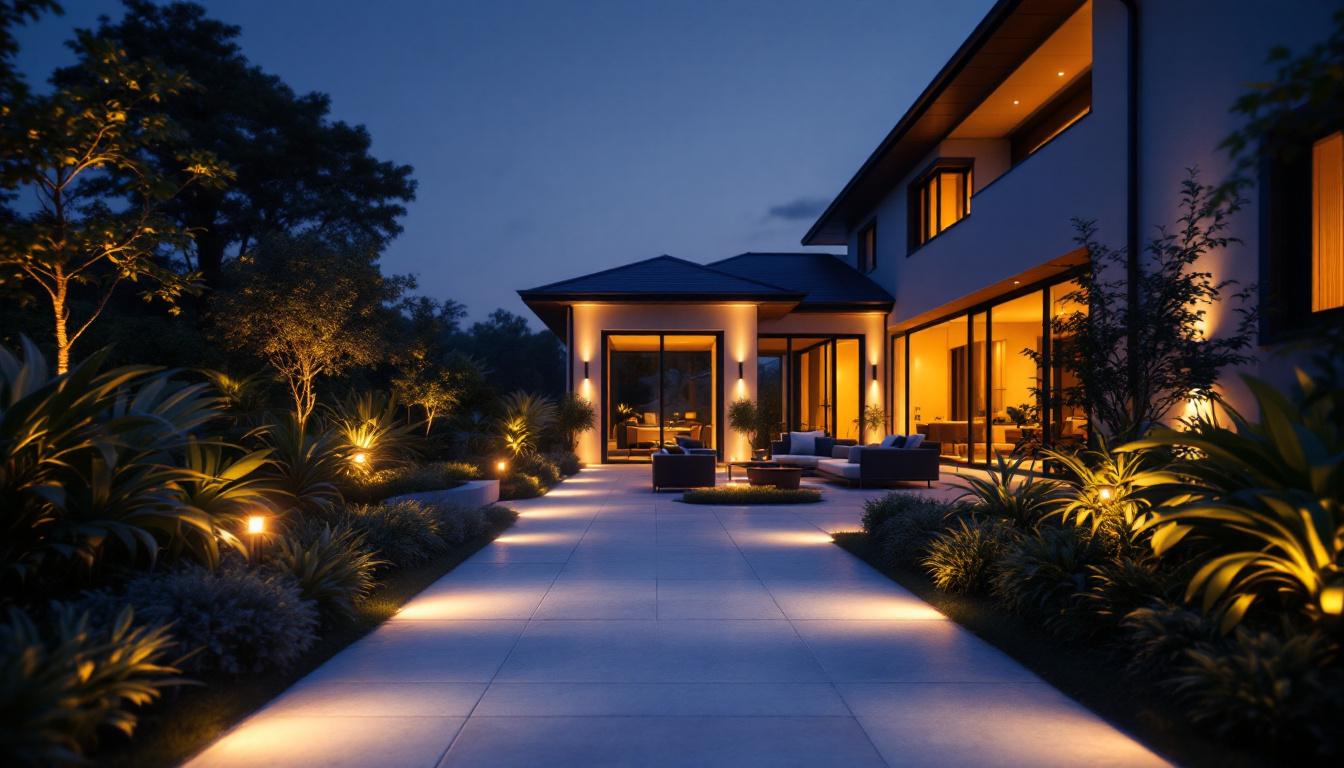
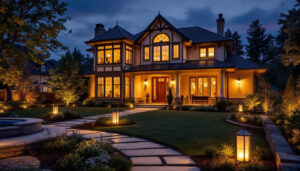
Outdoor up lighting has become an essential element in residential landscape and architectural lighting design. For lighting contractors, mastering the installation and selection of up lights is crucial to enhancing a home’s curb appeal, security, and nighttime ambiance. These fixtures, typically positioned at ground level and aimed upwards, highlight architectural features, trees, and garden elements, creating dramatic effects that transform a house after dark.
From a contractor’s perspective, outdoor up lights are more than just aesthetic tools—they are functional components that contribute to safety and energy efficiency. Properly designed and installed up lighting can deter intruders by illuminating dark areas, reduce accidents by lighting pathways, and even increase property value by showcasing the home’s best features. The strategic placement of these lights can also create a sense of depth and dimension in outdoor spaces, making them feel larger and more inviting, which is particularly beneficial for smaller yards or gardens.
Key Benefits of Outdoor Up Lighting
Understanding the benefits helps contractors communicate value to clients and tailor lighting solutions effectively:
- Architectural Highlighting: Up lights accentuate columns, textured walls, and unique architectural details, adding depth and character to the home’s exterior.
- Landscape Enhancement: Trees, shrubs, and garden sculptures become focal points, creating a layered, inviting outdoor environment.
- Safety and Security: Illuminated exteriors reduce hiding spots and improve visibility around entrances and pathways.
- Energy Efficiency: Using LED up lights with smart controls minimizes energy consumption while maintaining optimal illumination.
Moreover, the versatility of outdoor up lighting allows for creative expression in design. Contractors can experiment with different beam angles and light intensities to achieve various moods and effects, from soft, romantic glows to bold, dramatic highlights. This adaptability means that up lights can complement a wide range of architectural styles, from modern minimalist homes to classic Victorian facades. Additionally, the use of color filters can further enhance the visual impact, allowing homeowners to change the ambiance according to seasons or special occasions, such as holidays or family gatherings.
Another important aspect to consider is the technological advancements in outdoor lighting. Smart up lights can be integrated into home automation systems, enabling homeowners to control their lighting remotely via smartphones or voice commands. This not only adds convenience but also allows for programmable schedules that can enhance security by simulating occupancy when the homeowners are away. Furthermore, advancements in solar-powered up lights provide an eco-friendly option that reduces reliance on traditional electrical sources, making outdoor lighting more sustainable and cost-effective over time.
Choosing the Right Outdoor Up Lights: Factors Lighting Contractors Must Consider
Selecting the appropriate up lights involves more than picking fixtures that look good. Lighting contractors must evaluate multiple factors to ensure the installation meets client expectations and industry standards.
Fixture Type and Material
Outdoor up lights come in various styles, including well lights, spotlights, and floodlights. Contractors should choose fixtures based on the desired beam angle and intensity:
- Well Lights: Installed flush with the ground, ideal for subtle uplighting of trees or walls without protruding elements.
- Spotlights: Provide focused beams, perfect for highlighting specific architectural details or statues.
- Floodlights: Offer broader coverage, suitable for larger landscape areas or security lighting.
Material selection is equally important. Fixtures must be weather-resistant, corrosion-proof, and durable. Common materials include die-cast aluminum with powder-coated finishes, stainless steel, and impact-resistant polycarbonate lenses. Additionally, contractors should consider the aesthetic appeal of the materials, as they should complement the overall design of the outdoor space. For instance, bronze fixtures can add a touch of elegance to traditional landscapes, while sleek stainless steel may suit modern architectural styles.
Light Source and Color Temperature
LED technology dominates the outdoor lighting market due to its longevity and energy efficiency. Contractors should specify LEDs with high lumen output and appropriate beam angles to achieve the desired effect without excessive glare.
Color temperature plays a critical role in the ambiance. Warm white (2700K-3000K) creates a cozy, inviting atmosphere, while cooler temperatures (4000K-5000K) offer a crisp, modern look. For highlighting natural elements like trees, a slightly warmer temperature enhances the foliage’s natural colors. Moreover, the choice of color temperature can affect the perception of space; warmer tones can make a small area feel more intimate, while cooler tones can open up larger spaces, creating a sense of expansiveness and clarity.
IP Rating and Electrical Considerations
Since outdoor fixtures are exposed to weather, selecting fixtures with a suitable Ingress Protection (IP) rating is mandatory. A minimum of IP65 is recommended for up lights to ensure protection against dust and water jets.
Contractors must also consider voltage requirements and compatibility with existing electrical systems. Low-voltage (12V) systems are common for landscape lighting, offering safety and ease of installation, but line-voltage fixtures may be necessary for higher output needs. Additionally, it’s essential to incorporate energy-efficient transformers and timers to optimize performance and reduce energy costs. Implementing smart lighting controls can further enhance the functionality of outdoor lighting systems, allowing for remote adjustments and automated schedules that adapt to seasonal changes or specific events.
Installation Best Practices for Outdoor Up Lights
Proper installation is vital to maximize the effectiveness and longevity of outdoor up lights. Lighting contractors should follow established best practices to avoid common pitfalls.
Site Assessment and Placement Planning
Before installation, conduct a thorough site assessment to identify focal points, potential obstructions, and power source locations. Effective placement ensures balanced illumination and avoids light pollution or glare. This initial step is crucial, as it sets the foundation for the entire lighting design. Consideration of seasonal changes in foliage and landscape can also impact how light is perceived throughout the year.
Key considerations include:
- Distance from the object to be lit—too close can cause harsh shadows; too far reduces impact.
- Angle of the beam—typically between 20° and 45° to create natural-looking shadows and highlights.
- Avoiding direct line of sight to the fixture from windows or pathways to prevent discomfort.
Additionally, think about the surrounding environment. For instance, if the area is frequented by wildlife, it might be beneficial to use fixtures that minimize light spill, thus reducing disturbance to nocturnal animals. Furthermore, the aesthetic appeal of the landscape should guide the placement; lighting should enhance the beauty of the garden or architectural features rather than overwhelm them.
Wiring and Electrical Safety
Use outdoor-rated cables and connectors designed for underground or exposed installations. All wiring should comply with local electrical codes and standards. Incorporating ground fault circuit interrupters (GFCIs) enhances safety by preventing electrical shock hazards. It’s also wise to consider the future accessibility of wiring. Planning for potential maintenance needs can save time and effort down the line.
When installing low-voltage systems, ensure transformers are correctly sized and placed in weatherproof enclosures. For line-voltage fixtures, proper conduit and junction boxes are essential. Furthermore, labeling all wiring connections can simplify troubleshooting and repairs, making it easier to identify circuits and their corresponding fixtures during any future maintenance work.
Fixture Mounting and Adjustments
Secure fixtures firmly to prevent movement caused by wind or ground settling. For well lights, ensure proper drainage to avoid water accumulation. Adjustable fixtures allow fine-tuning of beam direction after installation, which is critical for achieving the desired lighting effect. This flexibility can be particularly useful during seasonal changes when foliage may obstruct light paths or when new landscaping elements are introduced.
Moreover, consider the use of dimmers or smart controls for added versatility. These technologies can enhance the user experience by allowing for adjustments based on time of day or specific events, creating a dynamic lighting environment that can adapt to various moods and occasions. Regularly revisiting the light settings can also help maintain the desired ambiance as the landscape evolves over time, ensuring that the outdoor space remains inviting and visually appealing throughout the seasons.
Maintenance and Troubleshooting for Outdoor Up Lights
Regular maintenance extends the life of outdoor up lights and maintains their performance. Lighting contractors should advise clients on routine care and be prepared to troubleshoot common issues.
Routine Cleaning and Inspection
Dirt, leaves, and debris can accumulate on fixtures, diminishing light output. Cleaning lenses and housing periodically helps maintain brightness. Inspect seals and gaskets to prevent water ingress, which can cause corrosion or electrical faults.
Replacing Bulbs and Components
While LEDs have long lifespans, eventual replacement may be necessary. Contractors should stock compatible bulbs and components and guide clients on replacement intervals. For integrated LED fixtures, entire units may need replacement.
Addressing Common Problems
Issues such as flickering lights, dimming, or complete outages often stem from wiring faults, transformer failures, or moisture intrusion. Using diagnostic tools like voltage testers and moisture meters helps identify problems quickly. Prompt repairs prevent further damage and ensure client satisfaction.
Enhancing Outdoor Up Lighting with Smart Controls and Automation
Modern lighting contractors increasingly integrate smart technology into outdoor up lighting systems. Automation enhances convenience, energy savings, and customization.
Benefits of Smart Lighting Integration
Smart controls allow homeowners to schedule lighting, adjust brightness, and change color temperature remotely via apps or voice commands. Motion sensors can trigger lights only when needed, improving security and reducing energy consumption.
Installation Considerations for Smart Systems
Contractors must ensure compatibility between fixtures, controllers, and home automation platforms. Reliable Wi-Fi or mesh networks are essential for seamless operation. Proper programming and testing during installation guarantee a user-friendly experience.
Conclusion: Delivering Excellence in Outdoor Up Lighting
For lighting contractors, outdoor up lights offer a versatile and impactful way to elevate residential lighting projects. By understanding the technical nuances, selecting the right fixtures, executing precise installations, and incorporating maintenance and smart technologies, contractors can deliver exceptional results that satisfy clients and enhance properties.
Staying informed about advances in lighting technology and industry best practices ensures contractors remain competitive and capable of meeting evolving client demands. Ultimately, a well-executed outdoor up lighting installation not only beautifies a home but also adds value, safety, and enjoyment for years to come.
Illuminate Your Projects with LumenWholesale
Ready to take your outdoor up lighting projects to the next level? LumenWholesale is here to support you with an exceptional range of spec-grade lighting products that promise quality and affordability. Say goodbye to local distributor markups and hello to our unbeatable wholesale prices, backed by the convenience of free shipping on bulk orders. Elevate your lighting installations with our reliable, high-performance solutions that meet the highest industry standards. Don’t compromise on quality or value—choose LumenWholesale for your lighting needs and make every project shine. Discover our extensive selection and experience the best in wholesale lighting by visiting Wholesale Lighting at the Best Value.