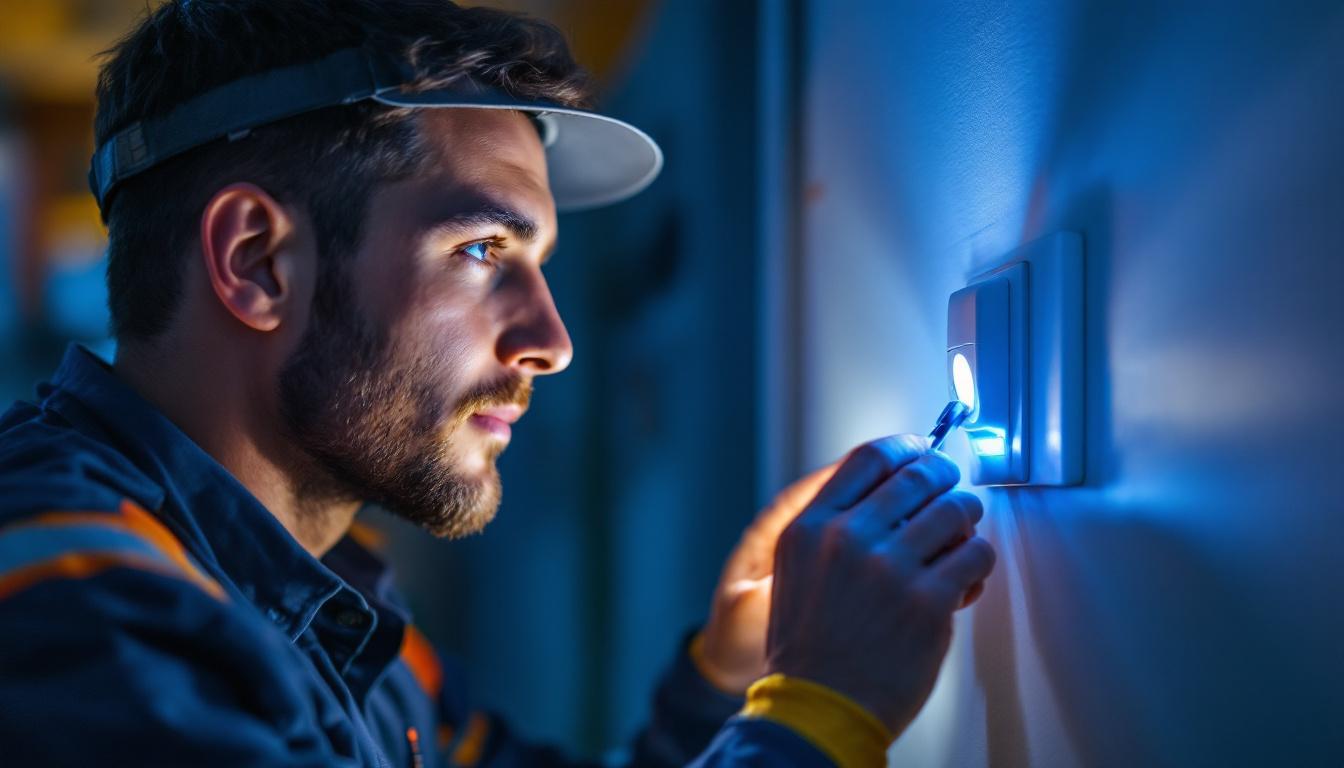
Understanding the Complexities of Motion Detector Switch Installation
Motion detector switches offer undeniable benefits: energy savings, convenience, and enhanced security. Yet, for lighting contractors, the path to flawless installation is riddled with challenges. These devices must respond accurately to movement, avoid false triggers, and integrate seamlessly with existing electrical systems. Without careful planning and expertise, the result can be frustrating for both contractor and client.
One of the primary difficulties lies in the sensitivity and placement of sensors. Motion detectors rely on infrared or ultrasonic technology to detect movement, and improper positioning can lead to missed activations or constant triggering. For example, installing a sensor near heating vents or air conditioning units can cause false alarms due to temperature fluctuations or airflow. Similarly, placing sensors where pets frequently roam can lead to unnecessary light activations, frustrating occupants and wasting energy.
Key Installation Considerations
Lighting contractors must evaluate several factors before installation. The size and layout of the space, the type of motion sensor technology, and the lighting load all influence performance. A large warehouse requires different sensor coverage compared to a small office restroom. Additionally, the choice between passive infrared (PIR), ultrasonic, or dual-technology sensors impacts sensitivity and range.
Understanding the electrical load is equally critical. Motion detector switches often have maximum wattage ratings, and exceeding these can cause premature failure or erratic operation. Contractors should carefully calculate the total wattage of connected fixtures and ensure compatibility with the switch.
Moreover, the environmental conditions of the installation site can significantly affect the performance of motion detectors. For instance, outdoor sensors must be weather-resistant and capable of functioning in varying temperatures and humidity levels. In areas prone to heavy rain or snow, selecting a model with a robust housing and a wide detection range can prevent operational issues. Additionally, contractors should consider the potential for obstructions, such as trees or fences, which may block the sensor’s line of sight and diminish its effectiveness.
Another important aspect to consider is the integration of motion detectors with smart home systems. Many modern motion sensors can connect to Wi-Fi or Bluetooth, allowing for remote monitoring and control via smartphones or tablets. This added layer of technology not only enhances convenience but also provides users with real-time alerts and the ability to customize settings from anywhere. However, ensuring compatibility with existing smart home devices requires thorough research and planning, as not all sensors work seamlessly with every system. This complexity can add another layer of challenge for contractors who aim to deliver a fully integrated solution for their clients.
Common Challenges and How to Address Them
False Triggers and Sensor Blind Spots
False triggers are a frequent complaint. These can stem from environmental factors such as sunlight glare, moving shadows, or HVAC drafts. To minimize these issues, contractors should conduct a thorough site assessment, observing potential sources of interference. Adjusting sensor angles, using shields, or selecting sensors with adjustable sensitivity settings can help reduce false activations. Additionally, it may be beneficial to educate clients on the importance of maintaining the area around the sensors. Regularly trimming nearby foliage or relocating decorative items that may sway in the wind can further enhance sensor reliability.
Blind spots also pose a problem. Motion detectors have specific detection zones, and any obstruction can prevent the sensor from detecting movement. Ensuring a clear line of sight and considering multiple sensors for larger spaces can improve coverage. In some cases, combining motion detectors with manual override switches offers occupants control when sensors fail to detect presence. Furthermore, utilizing advanced technologies such as dual-technology sensors, which combine passive infrared and microwave detection, can significantly reduce the chances of blind spots, as they can pick up movement in a wider range of conditions and environments.
Compatibility with Existing Lighting Systems
Integrating motion detector switches into existing lighting infrastructure can be tricky. Older wiring systems or incompatible dimmers may cause flickering or prevent the sensor from functioning correctly. Lighting contractors should verify the wiring setup, including neutral wire availability, as many motion switches require a neutral connection to operate. It is also wise to assess the overall load on the circuit to ensure that the addition of new devices does not exceed the circuit’s capacity, which could lead to further complications down the line.
When dealing with LED fixtures, special attention is necessary. Not all motion detectors are designed to work with low-wattage LED lighting, leading to flickering or delayed response. Selecting switches specifically rated for LED loads and testing them under actual conditions can prevent costly callbacks. Additionally, contractors should consider the potential for future upgrades. As technology evolves, recommending smart motion detectors that can integrate with home automation systems may provide clients with enhanced functionality and energy savings. These systems often allow for remote monitoring and control, providing an added layer of convenience and efficiency that can be appealing to homeowners looking to modernize their spaces.
Strategies for Successful Implementation
Thorough Site Evaluation and Planning
Before installation, contractors should perform a detailed site evaluation. This includes mapping out traffic patterns, identifying potential sources of interference, and determining the best sensor placement. Engaging with the client to understand their specific needs and expectations is equally important. For instance, a retail store may prioritize customer convenience, while a warehouse might focus on maximizing energy savings.
Using tools such as laser distance meters and infrared thermometers can aid in precise sensor positioning. Documenting the plan and discussing it with the client ensures transparency and reduces misunderstandings. Additionally, considering the layout of the space is vital; for example, open areas may require fewer sensors than complex environments with numerous obstacles. By creating a comprehensive site evaluation report, contractors can provide clients with visual aids that outline the proposed sensor locations and their expected coverage areas, making it easier for clients to visualize the final setup.
Choosing the Right Technology for the Application
Not all motion detectors are created equal. PIR sensors excel in detecting body heat and are ideal for indoor environments with clear line-of-sight. Ultrasonic sensors emit sound waves and detect movement through reflected signals, making them suitable for spaces with obstacles but prone to false triggers from air movement.
Dual-technology sensors combine both methods to enhance accuracy but come at a higher cost. Contractors should weigh the benefits against budget constraints and application requirements. For outdoor installations, weather-resistant models with adjustable time delays and sensitivity are essential to ensure reliable operation. Furthermore, understanding the specific environmental conditions—such as extreme temperatures or humidity—can influence the choice of technology. For instance, in areas prone to heavy rainfall, selecting sensors with enhanced waterproofing can prevent malfunction and extend the lifespan of the equipment.
Effective Communication with Clients
Managing client expectations is crucial. Educating customers about the capabilities and limitations of motion detector switches helps prevent dissatisfaction. For example, explaining that sensors may not detect very slow movements or that pets can trigger lights provides clarity.
Offering maintenance tips, such as periodic sensor cleaning and testing, empowers clients to keep systems functioning optimally. Providing a clear warranty and support plan also builds trust and reduces post-installation issues. Additionally, establishing a feedback loop post-installation can be beneficial; encouraging clients to share their experiences allows contractors to address any concerns promptly and adjust future installations based on real-world performance. This ongoing communication not only enhances customer satisfaction but also fosters long-term relationships, leading to potential referrals and repeat business.
Advanced Solutions and Emerging Trends
Integration with Smart Lighting Systems
Smart home and building automation systems are transforming motion detector switch applications. Lighting contractors can leverage these technologies to offer clients enhanced control, such as scheduling, remote monitoring, and adaptive lighting based on occupancy patterns.
Integration with voice assistants and mobile apps allows users to override or customize sensor behavior easily. This flexibility addresses some traditional challenges, like sensor blind spots or false triggers, by enabling manual control when needed.
Energy Efficiency and Sustainability Benefits
Beyond convenience, motion detector switches contribute significantly to energy conservation. Studies show that occupancy sensors can reduce lighting energy use by up to 30-50% in commercial buildings. This translates into lower utility bills and a smaller carbon footprint.
Lighting contractors can highlight these benefits during client consultations, positioning motion detector installations as part of a broader sustainability strategy. Combining sensors with energy-efficient LED fixtures amplifies savings and aligns with green building certifications.
Future-Proofing Installations
As technology advances, lighting contractors should stay informed about new sensor capabilities, wireless communication protocols, and integration standards. Choosing modular systems that allow easy upgrades ensures installations remain relevant and functional over time.
Training and certification in emerging technologies enhance contractor credibility and open opportunities for more complex projects. Collaborating with manufacturers and attending industry events can provide valuable insights and resources.
Conclusion: Turning Challenges into Opportunities
Motion detector switches present a unique set of challenges for lighting contractors, from technical complexities to client management. However, with careful planning, informed technology choices, and clear communication, these obstacles can be transformed into opportunities for delivering exceptional service.
By mastering the nuances of sensor placement, compatibility, and system integration, contractors not only enhance their reputation but also contribute to energy-efficient, user-friendly lighting solutions. Staying ahead of trends and embracing smart technologies will position lighting professionals as trusted advisors in a competitive market.
Get Your Premium Motion Detector Switches at LumenWholesale
Ready to tackle your next lighting project with confidence? At LumenWholesale, we provide lighting contractors with the high-quality, spec-grade motion detector switches you need to overcome any challenge. Our commitment to unbeatable wholesale prices means you can equip your installations with the best value lighting products on the market. Say goodbye to inflated markups and hello to hassle-free bulk buying with free shipping. Elevate your service offerings with reliable, high-performance lighting solutions from LumenWholesale. Discover the perfect blend of quality, affordability, and convenience today by visiting Wholesale Lighting at the Best Value.