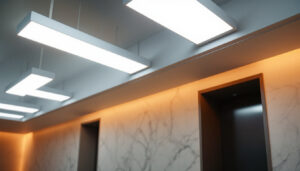
Understanding the Growing Demand for LED Recessed Lighting in New Construction
LED recessed lighting has become a cornerstone in modern residential and commercial new construction projects. As energy efficiency standards tighten and design preferences evolve, clients increasingly expect lighting contractors to be well-versed in LED technology, installation techniques, and the nuances of recessed fixtures. For contractors, this means not only mastering the technical aspects but also understanding client priorities and industry trends.
Statistics reveal that LED lighting accounts for a significant portion of new lighting installations due to its longevity and energy savings. According to industry reports, LED lights consume up to 75% less energy than incandescent bulbs and last 25 times longer, making them a cost-effective choice for builders and homeowners alike. These benefits align closely with client expectations for sustainable and low-maintenance lighting solutions.
Why LED Recessed Lighting is Preferred in New Builds
Clients favor LED recessed lighting for several reasons. First, the sleek, unobtrusive design complements contemporary architectural styles, providing clean lines and a minimalist aesthetic. Second, the directional nature of LEDs allows for precise lighting control, enhancing both ambiance and functionality. Third, LEDs generate less heat, improving comfort and safety, especially in tightly sealed new construction environments.
Additionally, LED recessed lighting supports smart home integration, a feature increasingly requested by clients. Lighting contractors who understand how to incorporate dimmers, sensors, and automation systems into LED recessed fixtures will be better positioned to meet client demands and differentiate their services. The ability to control lighting through mobile devices or voice commands not only adds convenience but also aligns with the growing trend of home automation, making spaces more adaptable to the needs of their occupants.
Moreover, the versatility of LED recessed lighting extends beyond mere aesthetics and functionality. These fixtures are available in a variety of color temperatures, allowing homeowners to tailor the mood of each room—from warm, inviting tones in living areas to cooler, more focused lighting in workspaces. This customization is particularly appealing in new builds, where homeowners often seek to create distinct atmospheres that reflect their personal style. Furthermore, with advancements in LED technology, options such as tunable white lighting are emerging, enabling users to adjust the color temperature throughout the day, mimicking natural light patterns and promoting overall well-being.
Technical Knowledge Lighting Contractors Must Master
To meet client expectations, lighting contractors must possess a comprehensive understanding of LED recessed lighting technology, including fixture types, electrical requirements, and installation best practices. This technical expertise ensures efficient project execution and optimal lighting performance.
Types of LED Recessed Fixtures and Their Applications
LED recessed fixtures come in various forms, including new construction housings, remodel housings, adjustable trims, and fixed trims. For new construction projects, contractors primarily work with new construction housings designed to be installed before drywall. These housings accommodate insulation contact (IC) ratings, airtightness, and compatibility with different ceiling types.
Clients expect contractors to recommend fixtures that align with the room’s function and design. For example, kitchens and bathrooms often require wet or damp-rated fixtures, while living areas might benefit from adjustable trims that allow directional lighting. Understanding these distinctions is critical for delivering tailored lighting solutions. Moreover, the aesthetic appeal of the fixtures should not be overlooked; sleek, modern designs can enhance the overall decor of a space. Contractors should also be familiar with the latest trends in lighting design, such as the use of smart technology that allows for remote control and customization of lighting settings, making spaces more versatile and user-friendly.
Electrical and Code Compliance Considerations
Proper wiring and adherence to electrical codes are non-negotiable in new construction. Lighting contractors must be familiar with the National Electrical Code (NEC) requirements related to LED recessed lighting, including grounding, circuit loading, and junction box accessibility. Additionally, energy codes such as ASHRAE 90.1 and local regulations often mandate specific lighting controls and efficiency standards.
Clients expect contractors to ensure that installations are safe, compliant, and energy-efficient. Failure to meet these standards can lead to costly rework, delays, and liability issues. Staying up-to-date with evolving codes and best practices is essential for maintaining professionalism and client trust. Furthermore, contractors should engage in continuous education and training to keep abreast of advancements in lighting technology and regulatory changes. This commitment not only enhances their knowledge but also positions them as trusted advisors to clients, enabling them to make informed decisions about their lighting needs.
Installation Best Practices for Longevity and Performance
Installation quality directly impacts the lifespan and performance of LED recessed lighting. Contractors should ensure that housings are securely mounted, wiring connections are tight, and fixtures are properly sealed to prevent air leaks. For IC-rated fixtures, proper insulation placement around the housing is crucial to avoid overheating and maintain energy efficiency.
Another important aspect is heat dissipation. Although LEDs produce less heat than traditional bulbs, inadequate ventilation can still cause premature failure. Lighting contractors must understand manufacturer guidelines on spacing and thermal management to maximize fixture longevity. Additionally, they should consider the use of dimmers and smart controls that can not only enhance energy savings but also extend the life of the fixtures by reducing the load on the lighting system during off-peak hours. Properly educating clients about the benefits of these features can lead to higher satisfaction and a more informed consumer base, ultimately resulting in repeat business and referrals.
Client Expectations Beyond the Basics
While technical proficiency is fundamental, clients also expect lighting contractors to provide insightful guidance and personalized service throughout the project lifecycle. This includes design consultation, energy savings analysis, and post-installation support.
Design Collaboration and Lighting Layout Expertise
Clients often rely on contractors to help translate architectural plans into effective lighting schemes. This involves calculating appropriate lumen outputs, spacing fixtures evenly, and balancing ambient, task, and accent lighting. Contractors who can suggest innovative layouts and lighting effects add significant value to new construction projects.
Moreover, knowledge of color temperature options—from warm whites to daylight hues—enables contractors to tailor lighting to client preferences and room functions. For instance, warmer tones are typically preferred in living spaces for comfort, while cooler tones may be suitable for work areas. Additionally, understanding the psychological effects of lighting can enhance the overall ambiance; for example, softer lighting can create a relaxed atmosphere in a dining area, while brighter, more focused lighting can energize a workspace, promoting productivity and focus.
Energy Efficiency and Cost Savings Communication
Clients are increasingly conscious of energy consumption and long-term costs. Lighting contractors should be prepared to present clear comparisons between LED recessed lighting and alternative options, highlighting potential savings on utility bills and maintenance. Providing data on payback periods and available rebates or incentives can help clients make informed decisions.
Furthermore, contractors can enhance their value proposition by discussing the environmental benefits of energy-efficient lighting solutions. By emphasizing how LED lighting reduces carbon footprints and contributes to sustainability goals, contractors can appeal to eco-conscious clients. Offering case studies or testimonials from previous projects that showcase significant energy savings can also reinforce the contractor’s credibility and expertise in delivering cost-effective solutions.
Post-Installation Support and Warranty Knowledge
Clients expect reliable post-installation support, including troubleshooting, maintenance advice, and warranty assistance. Lighting contractors should clearly communicate warranty terms and be responsive to any issues that arise after project completion.
Offering maintenance tips, such as cleaning recommendations and periodic inspections, helps clients maximize the lifespan of their LED recessed lighting. Contractors who provide comprehensive aftercare services often enjoy higher client satisfaction and repeat business. Additionally, establishing a follow-up schedule to check in with clients post-installation not only demonstrates commitment to service but also allows contractors to gather feedback, which can be invaluable for improving future projects. By fostering ongoing relationships with clients, contractors can position themselves as long-term partners in their lighting needs, ensuring that clients feel supported and valued long after the initial installation is complete.
Emerging Trends Lighting Contractors Should Anticipate
The lighting industry is continuously evolving, and staying ahead of emerging trends is crucial for contractors aiming to exceed client expectations in new construction projects.
Integration with Smart Home Systems
Smart lighting controls are becoming standard in new construction. Clients expect LED recessed lighting to seamlessly integrate with voice assistants, mobile apps, and home automation platforms. Lighting contractors must be proficient in installing compatible fixtures and configuring control systems to deliver customizable lighting experiences.
Understanding protocols like Zigbee, Z-Wave, and Wi-Fi, as well as interoperability challenges, equips contractors to offer cutting-edge solutions that enhance convenience and energy management.
Human-Centric Lighting and Tunable White LEDs
Human-centric lighting, which adjusts color temperature and intensity to support circadian rhythms, is gaining traction. Tunable white LED recessed fixtures allow clients to shift lighting from cool, energizing tones during the day to warmer, relaxing hues in the evening.
Contractors knowledgeable about these technologies can advise clients on health and wellness benefits, adding a valuable dimension to lighting design in new construction.
Sustainability and Environmental Certifications
Clients increasingly seek environmentally responsible building practices, including lighting choices. Lighting contractors should be familiar with certifications such as ENERGY STAR, LEED, and WELL Building Standard, which often influence project specifications and client preferences.
Advising clients on how LED recessed lighting contributes to sustainability goals can differentiate contractors and align their services with broader green building initiatives.
Conclusion: Meeting and Exceeding Client Expectations
In the realm of new construction, LED recessed lighting represents both a technical challenge and an opportunity for lighting contractors. Clients expect contractors to possess deep technical knowledge, deliver tailored design solutions, ensure code compliance, and provide ongoing support. By mastering these areas and staying attuned to emerging trends, lighting contractors can position themselves as indispensable partners in creating modern, efficient, and beautiful lighting environments.
Ultimately, success in this field hinges on a commitment to continuous learning, clear communication, and a client-centric approach that balances innovation with practicality. Lighting contractors who rise to these expectations will not only enhance project outcomes but also build lasting client relationships and a strong reputation in the competitive new construction market.
Get Your Spec-Grade LED Recessed Lighting at LumenWholesale
Ready to meet and exceed your clients’ expectations with the latest in LED recessed lighting? At LumenWholesale, we provide lighting contractors with the high-quality, specification-grade products you need to complete your new construction projects with confidence. Enjoy the best value in wholesale lighting, with free shipping and no hidden fees, ensuring your project stays on budget and on trend. Elevate your lighting game and discover our unbeatable wholesale prices today.