Understanding the Heat Output of Different Light Bulbs
For lighting contractors, grasping how hot a light bulb can get is essential not only for safety but also for ensuring optimal performance and longevity of lighting installations. Different types of bulbs generate varying amounts of heat due to their design, technology, and energy consumption. This knowledge helps in selecting the right bulb for the environment and application.
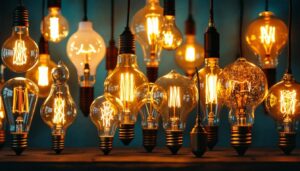
Incandescent bulbs, for example, are notorious for their high heat output. These bulbs produce light by heating a tungsten filament until it glows, which inherently generates a significant amount of heat. A standard 60-watt incandescent bulb can reach surface temperatures of around 250°C (482°F), which is hot enough to cause burns or ignite flammable materials if placed too close. This characteristic makes them less suitable for enclosed fixtures or areas where heat buildup could become a concern, such as in recessed lighting or decorative lamps.
In contrast, LED bulbs operate on a fundamentally different principle. They generate light through electroluminescence, which produces far less heat. LED bulbs typically run at surface temperatures between 30°C to 60°C (86°F to 140°F), depending on their wattage and design. This lower heat output makes LEDs safer for enclosed fixtures and reduces the risk of fire hazards. Additionally, the energy efficiency of LEDs not only translates to lower heat production but also significantly reduces electricity costs, making them a popular choice for both residential and commercial applications.
Halogen and CFL Bulbs: A Middle Ground
Halogen bulbs, a type of incandescent, burn hotter than traditional incandescent bulbs due to their smaller size and higher operating temperature. They can reach temperatures exceeding 300°C (572°F), requiring careful consideration when used in tight spaces or near combustible materials. Their bright, white light is often favored for task lighting and accent lighting, but the heat they generate necessitates the use of heat-resistant fixtures and careful placement to avoid potential hazards.
Compact Fluorescent Lamps (CFLs) fall between incandescent and LED bulbs in terms of heat generation. While they are more energy-efficient and cooler than incandescent bulbs, CFLs still produce heat, with surface temperatures often around 60°C to 80°C (140°F to 176°F). Proper ventilation is necessary to maintain safe operating conditions. Moreover, CFLs contain a small amount of mercury, which requires careful disposal and consideration in their use, especially in homes with children or pets. Understanding the heat output and disposal requirements of CFLs can guide contractors in making informed decisions about lighting solutions that are both safe and environmentally friendly.
Why Heat Management Matters in Lighting Installations
Heat management is a critical factor in lighting installations, impacting safety, bulb lifespan, and energy efficiency. For lighting contractors, understanding the implications of heat generated by bulbs ensures that installations comply with safety codes and perform reliably.
Excessive heat can lead to premature bulb failure. For instance, incandescent and halogen bulbs exposed to poor ventilation or enclosed fixtures without adequate heat dissipation can overheat, causing the filament or internal components to degrade faster. This not only increases replacement costs but also risks unscheduled downtime in commercial or industrial settings. In environments where lighting is essential for productivity, such as warehouses or factories, the failure of a single bulb can disrupt operations and lead to significant financial losses.
Moreover, heat can damage surrounding materials. Wooden fixtures, plastic covers, and insulation near high-heat bulbs may warp, discolor, or even ignite if exposed to sustained high temperatures. Contractors must assess the environment and select bulbs and fixtures that minimize these risks. Additionally, the choice of materials in the installation can play a pivotal role; for example, using heat-resistant materials can enhance the longevity of the installation and ensure safety compliance.
Energy Efficiency and Heat: A Balancing Act
From an energy perspective, heat is wasted energy. Incandescent bulbs convert only about 10% of the electrical energy into visible light; the rest is lost as heat. This inefficiency not only raises operational costs but also increases cooling loads in indoor environments, particularly in commercial buildings where lighting is extensive. The cumulative effect of this wasted energy can be staggering, leading to higher utility bills and a larger carbon footprint for businesses that rely heavily on traditional lighting solutions.
LED technology addresses this issue by producing more light per watt and generating less heat. This reduces both energy consumption and the burden on HVAC systems. Lighting contractors can leverage this advantage to design more sustainable and cost-effective lighting solutions for their clients. Furthermore, the long lifespan of LED bulbs means less frequent replacements, contributing to lower maintenance costs and less waste. As the industry moves towards more sustainable practices, incorporating efficient heat management strategies not only aligns with environmental goals but also enhances the overall performance and reliability of lighting installations.
Safety Guidelines and Best Practices for Handling Hot Light Bulbs
Safety is paramount when working with lighting systems. Contractors must be aware of the potential hazards posed by hot bulbs and implement best practices to mitigate risks.
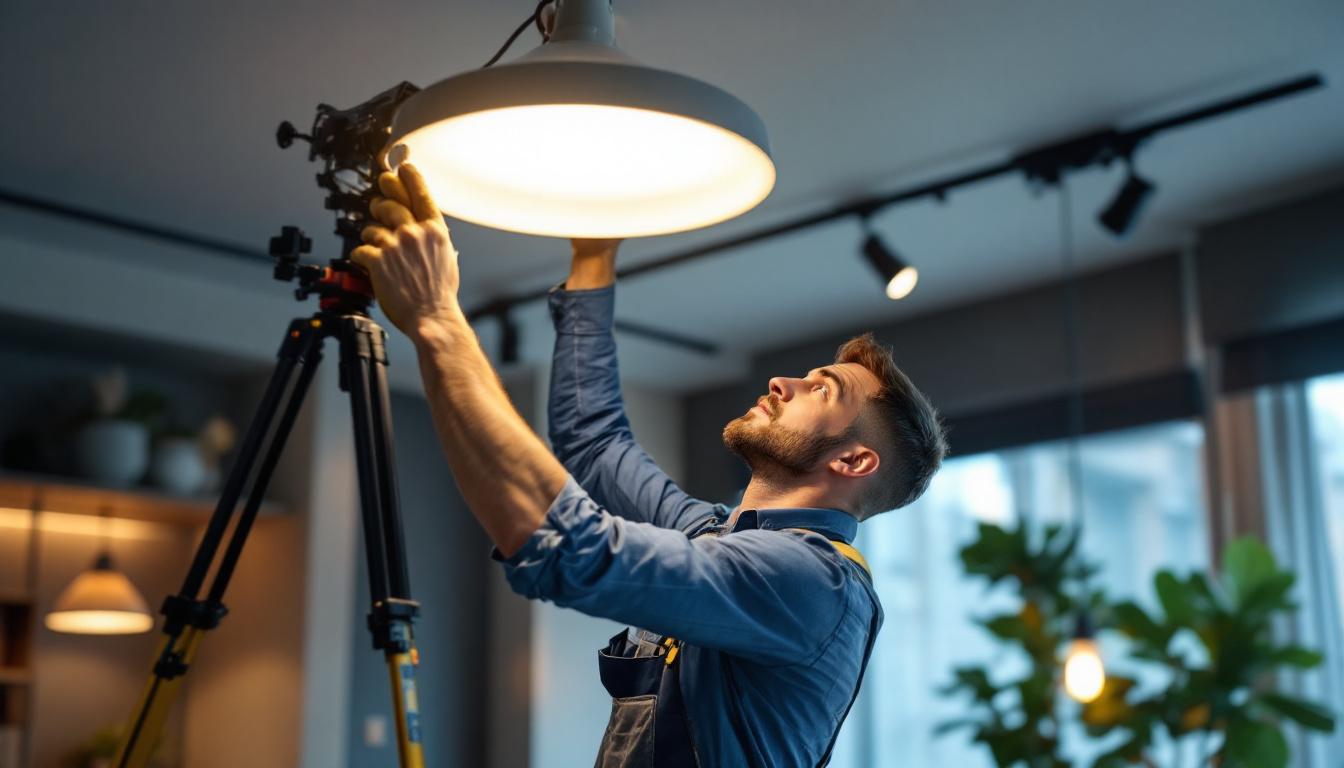
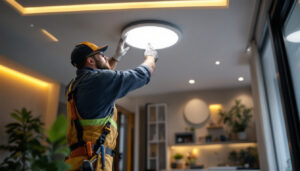
First, always allow bulbs to cool before handling or replacing them. Even low-wattage incandescent or halogen bulbs can retain heat for several minutes after being switched off. Using gloves or cloths when handling bulbs can prevent burns and protect the bulb from oils on the skin, which can cause hot spots and reduce bulb life.
Second, ensure that fixtures are rated for the bulb type and wattage being used. Installing a bulb with a higher wattage than the fixture’s rating can cause excessive heat buildup, leading to fixture damage or fire hazards. Contractors should verify fixture specifications and adhere strictly to manufacturer recommendations.
Ventilation and Fixture Selection
Proper ventilation is a critical aspect of heat management. Fixtures designed for high-heat bulbs often include vents or heat sinks to dissipate heat effectively. For enclosed fixtures, selecting bulbs with lower heat output, such as LEDs, is advisable to prevent overheating.
Additionally, contractors should consider the installation environment. In confined or poorly ventilated spaces, low-heat bulbs are preferable. When retrofitting existing fixtures, it may be necessary to upgrade to designs that accommodate modern bulb technologies safely.
Furthermore, it is essential to educate clients on the importance of regular maintenance checks for their lighting systems. Dust and debris can accumulate on bulbs and fixtures, which not only reduces light output but can also contribute to overheating. Encouraging clients to clean fixtures periodically and replace any burnt-out bulbs promptly can extend the life of their lighting systems and enhance safety. Additionally, using the right tools, such as a bulb changer for high or hard-to-reach fixtures, can minimize the risk of accidents during maintenance.
Lastly, contractors should stay informed about the latest advancements in lighting technology. The shift towards energy-efficient options like compact fluorescent lamps (CFLs) and LEDs not only reduces energy consumption but also lowers heat output, making them safer alternatives. Understanding the benefits and limitations of each type of bulb can help contractors make informed recommendations to clients, ensuring both safety and efficiency in their lighting choices.
Case Studies: Real-World Implications of Bulb Heat in Lighting Projects
Examining real-world scenarios helps illuminate the importance of understanding bulb heat characteristics in professional lighting work.
In one commercial retrofit project, a contractor replaced all incandescent bulbs in a retail store with LED equivalents. This change not only reduced the store’s energy consumption by nearly 70% but also significantly lowered the ambient temperature inside the fixtures, preventing heat damage to ceiling tiles and reducing air conditioning costs.
Conversely, a residential installation using halogen bulbs in enclosed recessed fixtures without adequate ventilation led to multiple bulb failures and discoloration of the ceiling paint. The contractor had to revisit the installation, replacing halogens with LED alternatives and installing fixtures with better airflow, highlighting the importance of matching bulb type with fixture design.
Preventing Fire Hazards Through Proper Heat Awareness
There have been documented cases where improper use of high-heat bulbs near flammable materials caused fires. For example, placing a 100-watt incandescent bulb too close to curtains or insulation can create a dangerous situation. Lighting contractors must educate clients on safe bulb placement and fixture choices to prevent such incidents.
Regular inspections and maintenance also play a role in managing heat risks. Over time, dust accumulation on bulbs and fixtures can trap heat, increasing operating temperatures. Routine cleaning and checks ensure that lighting systems function safely and efficiently.
Emerging Technologies and the Future of Heat Management in Lighting
The lighting industry continues to evolve with innovations aimed at reducing heat output and improving energy efficiency. Advances in LED technology have led to bulbs that are not only cooler but also brighter and more versatile in design.
Smart lighting systems integrate sensors and controls that adjust brightness and operating times, reducing unnecessary heat generation. For example, dimming capabilities allow bulbs to run cooler when full brightness is not needed, extending bulb life and enhancing safety.
Additionally, new materials and heat sink designs improve thermal management within bulbs and fixtures. Lighting contractors should stay informed about these developments to offer clients cutting-edge solutions that prioritize safety and efficiency.
Recommendations for Lighting Contractors
To stay ahead in the industry, contractors should:
- Regularly update knowledge on bulb technologies and heat characteristics.
- Advocate for the use of LEDs and other low-heat lighting options wherever feasible.
- Ensure all installations comply with local safety codes and manufacturer guidelines.
- Educate clients on the importance of heat management in lighting systems.
- Incorporate smart lighting controls to optimize performance and reduce heat output.
Conclusion
Understanding how hot a light bulb can get is a fundamental aspect of a lighting contractor’s expertise. Heat output varies widely among bulb types, influencing safety, energy efficiency, and system longevity. By selecting appropriate bulbs, ensuring proper fixture compatibility, and implementing effective heat management strategies, contractors can deliver safe, reliable, and cost-effective lighting solutions.
Staying informed about technological advancements and adhering to best practices not only protects clients and property but also enhances professional credibility. In a field where safety and performance are paramount, mastering the nuances of bulb heat is indispensable for every lighting contractor.
Get Your Spec-Grade Lighting From LumenWholesale
Ready to enhance your lighting installations with the best in spec-grade lighting products? Look no further than LumenWholesale for all your lighting needs. We offer an extensive selection of high-quality, reliable lighting solutions at unbeatable wholesale prices, perfect for any project you’re working on. Say goodbye to inflated markups and hello to hassle-free bulk buying with free shipping. Don’t compromise on quality or value; choose LumenWholesale for the perfect blend of affordability and performance. Wholesale Lighting at the Best Value is just a click away. Elevate your lighting game today!