Why Green LED Flood Lights Are Gaining Traction
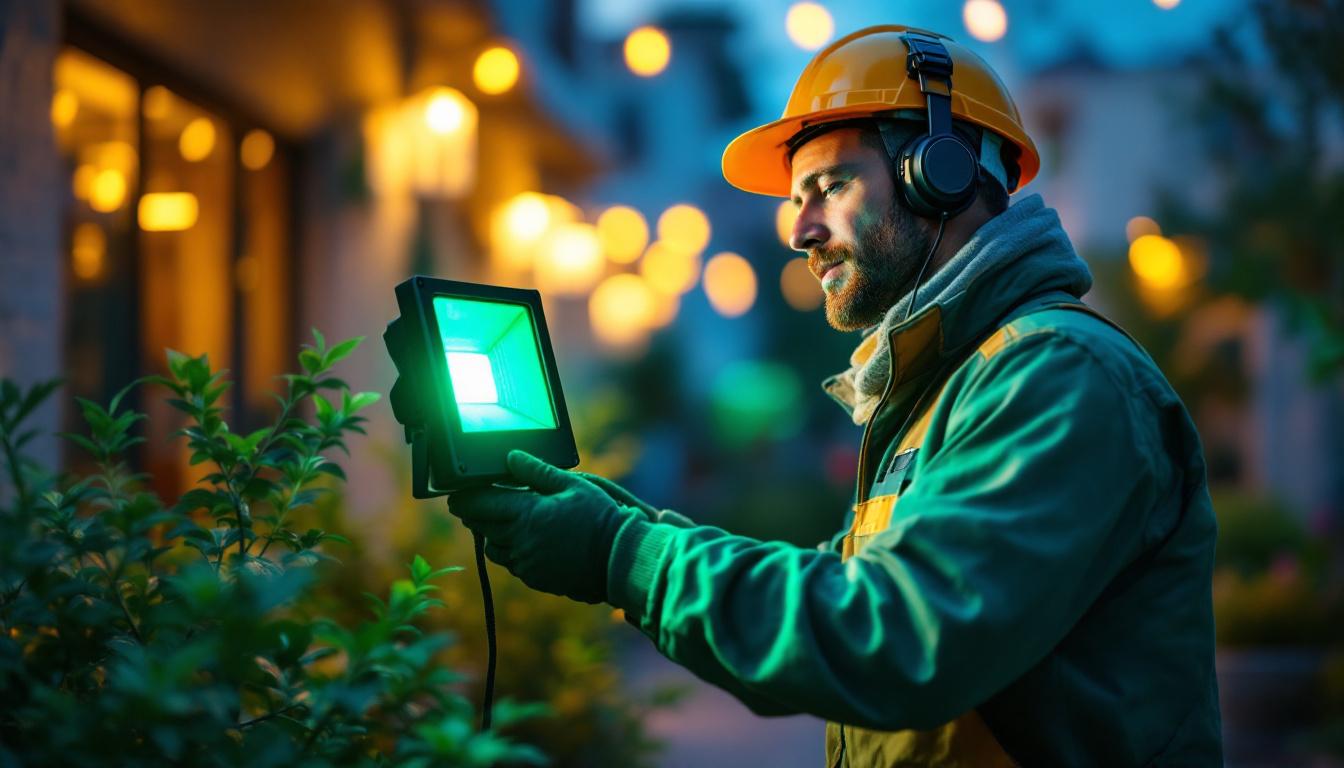
Green LED flood lights are no longer just a niche product for decorative or seasonal use. Their application has expanded into commercial, municipal, and industrial projects, making them a critical option for lighting contractors to understand and recommend. The green hue offers unique benefits that go beyond aesthetics, including energy efficiency, environmental considerations, and specialized functionality.
Contractors who grasp the nuances of green LED flood lighting can provide clients with solutions that not only meet lighting requirements but also enhance sustainability and operational efficiency. This knowledge can set a contractor apart in a competitive market where clients increasingly prioritize eco-friendly and cost-effective lighting options.
One of the standout features of green LED flood lights is their ability to reduce light pollution, a growing concern in urban areas. By emitting a wavelength that is less disruptive to nocturnal wildlife and human circadian rhythms, these lights contribute to a healthier ecosystem while still providing ample illumination for safety and visibility. This makes them an excellent choice for parks, nature reserves, and other outdoor spaces where preserving the natural environment is a priority.
Moreover, the longevity of LED technology means that green flood lights have a significantly longer lifespan compared to traditional lighting options. With a lifespan that can exceed 50,000 hours, these lights not only reduce the frequency of replacements but also lower maintenance costs over time. This durability is particularly advantageous for large-scale installations, such as stadiums or commercial complexes, where consistent lighting quality is essential for both functionality and aesthetics. As more contractors become aware of these benefits, the demand for green LED flood lights is expected to continue its upward trajectory.
Energy Efficiency and Cost Savings
LED Technology Outperforms Traditional Lighting
Green LED flood lights consume significantly less power than traditional incandescent or halogen flood lights. This translates into lower electricity bills for clients, which is a powerful selling point. For example, a typical 100-watt halogen flood light can be replaced with a 20-watt green LED flood light providing equivalent illumination levels, reducing energy consumption by up to 80%. This not only benefits the environment by lowering carbon footprints but also aligns with many businesses’ sustainability goals, making it an attractive option for eco-conscious consumers.
Lighting contractors should emphasize the long-term savings potential when proposing green LED flood lights. The initial investment might be higher than conventional options, but the return on investment through reduced energy costs and maintenance frequency is compelling. Additionally, many regions offer incentives or rebates for switching to energy-efficient lighting solutions, further enhancing the financial appeal. By highlighting these benefits, contractors can help clients understand that the transition to LED technology is not just a trend but a strategic move towards financial and environmental responsibility.
Longevity Reduces Maintenance Costs
Green LEDs boast impressive lifespans, often exceeding 50,000 hours. This durability means fewer replacements and less labor spent on maintenance, particularly in hard-to-reach or high-traffic areas. For commercial and industrial clients, this can mean significant operational savings and less downtime. The reduced frequency of replacements also minimizes waste, contributing to a more sustainable approach to lighting solutions. Furthermore, many LED products come with warranties that can last up to five years or more, providing additional peace of mind for clients concerned about their investment.
In addition to longevity, the robust nature of LED technology makes them resistant to shocks, vibrations, and extreme temperatures, which is particularly beneficial in outdoor applications or industrial settings. This resilience not only extends their life but also enhances safety by reducing the likelihood of failures that could lead to accidents or costly repairs. As businesses increasingly prioritize safety and efficiency, the advantages of switching to LED flood lights become even more pronounced, making them an essential consideration for any lighting upgrade project.
Applications Where Green LED Flood Lights Shine
Environmental and Safety Signaling
Green lighting is frequently used in safety and environmental signaling. For example, green flood lights can indicate safe zones or emergency exits in industrial settings. Their distinct color helps differentiate these areas from standard white or amber lighting, enhancing safety protocols.
In outdoor environments, green flood lights can mark environmentally sensitive areas or zones requiring restricted access. This visual cue supports compliance with environmental regulations and helps protect natural habitats.
Architectural and Landscape Lighting
Green flood lights are popular for accentuating architectural features and landscaping. Lighting contractors can use them to create dramatic effects on building facades, gardens, or public spaces. The green hue adds a natural, calming ambiance that complements foliage and outdoor settings.
Because green LEDs are energy efficient and have a long lifespan, they are ideal for installations that require continuous or extended use, such as parks, plazas, and commercial properties.
Special Event and Seasonal Lighting
Green LED flood lights are often employed for special occasions like holidays, awareness campaigns, or themed events. Contractors should be prepared to offer flexible solutions that allow for easy color changes or dimming to suit different event requirements.
Technical Considerations for Installation
Color Consistency and Quality
One challenge with colored LEDs, including green, is maintaining color consistency across multiple fixtures. Lighting contractors must source high-quality products that guarantee uniform color output to avoid patchy or uneven lighting effects.
Pay attention to the color rendering index (CRI) and color temperature specifications. While green LEDs naturally emit a specific wavelength, the quality of the diode and lens can affect the final appearance. Ensuring consistency is crucial, especially for architectural or commercial applications where visual appeal is paramount.
Beam Angle and Coverage
Green flood lights come in various beam angles, from narrow spotlights to wide flood patterns. Contractors should select the appropriate beam angle based on the project’s requirements-whether highlighting a specific feature or illuminating a broad area.
Consider the mounting height and distance to the target surface. Proper beam angle selection ensures efficient use of light, minimizing spill and glare while maximizing coverage.
Durability and Weather Resistance
Outdoor flood lights must withstand harsh environmental conditions. Look for fixtures with high ingress protection (IP) ratings, typically IP65 or higher, to ensure resistance to dust and water. Robust construction materials like die-cast aluminum housings improve durability and heat dissipation.
For coastal or industrial environments, corrosion-resistant coatings and sealed connectors are essential to prolong fixture life and maintain performance.
Regulatory and Environmental Compliance
Energy Codes and Standards
Many regions have adopted energy codes that encourage or mandate the use of energy-efficient lighting solutions. Green LED flood lights often meet or exceed these requirements, making them a straightforward choice for compliance.
Contractors should stay informed about local codes and standards such as ASHRAE 90.1, IECC, or equivalent regional regulations. Specifying compliant fixtures not only avoids costly rework but also positions contractors as knowledgeable and reliable partners.
Dark Sky and Light Pollution Considerations
Light pollution is a growing concern, particularly in urban and environmentally sensitive areas. Green LED flood lights can be integrated into designs that minimize upward light spill and glare, supporting dark sky initiatives.
Using fixtures with proper shielding and directing light only where needed helps reduce environmental impact and aligns with community standards. This is especially important for projects near residential neighborhoods or wildlife habitats.
Installation Best Practices
Proper Wiring and Power Supply
Green LED flood lights require compatible drivers and power supplies to operate efficiently and safely. Contractors should verify voltage requirements and ensure that power sources are stable and protected against surges.
Using dimmable drivers can add flexibility for clients who want adjustable lighting levels. Always follow manufacturer guidelines for wiring and grounding to prevent electrical issues.
Mounting and Positioning
Correct mounting is essential to achieve the desired lighting effect and maintain fixture longevity. Secure mounting brackets and adjustable heads allow for precise aiming and reduce the risk of damage from wind or vibration.
Consider the height and angle to avoid glare into windows or pathways. For installations on uneven surfaces, leveling mechanisms help maintain consistent light distribution.
Testing and Commissioning
After installation, thorough testing ensures the flood lights operate as intended. Check for consistent color output, proper beam spread, and stable electrical connections.
Documenting the commissioning process can be valuable for client records and future maintenance. It also demonstrates professionalism and attention to detail.
Maintenance and Troubleshooting
Routine Inspection
Periodic inspections help identify issues such as dirt accumulation, corrosion, or loose connections that can degrade performance. Cleaning lenses and housings maintains light output and color fidelity.
Establishing a maintenance schedule with clients can extend fixture life and prevent unexpected failures.
Common Issues and Solutions
Flickering or dimming lights often indicate driver problems or voltage fluctuations. Replacing faulty drivers or stabilizing power supply usually resolves these issues.
Color shifts may occur if LEDs degrade unevenly or if low-quality fixtures were used. Selecting reputable manufacturers and performing regular inspections helps mitigate this risk.
Choosing the Right Supplier and Products
Not all green LED flood lights are created equal. Lighting contractors should prioritize suppliers who provide detailed technical specifications, warranties, and reliable customer support.
Testing sample fixtures before large-scale deployment can prevent costly mistakes. Look for certifications such as UL, DLC, or CE to ensure product safety and performance standards.
Final Thoughts
Green LED flood lights offer lighting contractors a versatile and efficient tool for a wide range of applications. Understanding their benefits, technical requirements, and best practices enhances project outcomes and client satisfaction.
By integrating green LED flood lights into their offerings, contractors can deliver innovative, sustainable lighting solutions that meet modern demands and regulatory expectations.
Illuminate Your Projects with LumenWholesale
Ready to elevate your lighting projects with the efficiency and sustainability of green LED flood lights? At LumenWholesale, we provide lighting contractors with the highest quality, spec-grade lighting products at unbeatable wholesale prices. Say goodbye to middleman markups and hello to a vast selection of reliable, high-performance lighting that meets the strictest industry standards. Plus, with free shipping on bulk orders, you can stock up on premium lighting solutions at the best value — all without hidden fees or compromises. Don’t miss out on the perfect combination of quality, affordability, and convenience. Visit LumenWholesale today for Wholesale Lighting at the Best Value, and make your next project shine brighter than ever.