In the ever-evolving landscape of outdoor lighting solutions, button photocells have emerged as a vital component for lighting contractors. These devices offer an efficient way to automate lighting systems, ensuring that outdoor spaces are illuminated when needed while conserving energy during off-peak hours. Understanding the intricacies of button photocells can empower contractors to deliver superior service and enhance their project outcomes.
Understanding Button Photocells
Button photocells are light-sensitive devices that automatically turn lights on or off based on the ambient light levels. They are commonly used in outdoor lighting applications, such as streetlights, parking lots, and landscape lighting. By detecting changes in light intensity, these devices help maintain optimal illumination levels while minimizing energy consumption.
How Button Photocells Work
At the core of a button photocell is a light sensor that reacts to the surrounding light conditions. When the ambient light drops below a predetermined threshold, the photocell sends a signal to the connected lighting system to activate. Conversely, when the light levels rise above the threshold, the photocell deactivates the lights. This automatic operation not only enhances convenience but also extends the lifespan of lighting fixtures by reducing unnecessary usage. The technology behind these sensors can vary, with some utilizing photodiodes or phototransistors, which are capable of detecting even the slightest changes in light, ensuring that the lights respond promptly to environmental shifts.
Types of Button Photocells
There are several types of button photocells available on the market, each designed for specific applications. The most common types include:
- Standard Photocells: These are the most basic models, suitable for general outdoor lighting applications.
- Programmable Photocells: These advanced models allow contractors to set specific on/off times, providing greater control over lighting schedules.
- Smart Photocells: Integrating with smart home systems, these photocells can be controlled remotely via apps, offering enhanced flexibility and monitoring capabilities.
Benefits of Using Button Photocells
Incorporating button photocells into lighting designs offers numerous advantages. Firstly, they contribute to energy savings by ensuring lights are only operational when necessary. This not only reduces electricity costs but also aligns with sustainable practices that many clients are increasingly prioritizing.
Additionally, button photocells enhance safety and security in outdoor spaces. By ensuring consistent illumination during low-light conditions, they help prevent accidents and deter potential criminal activity. For contractors, this means providing clients with a reliable solution that meets both functional and safety needs. Moreover, the integration of button photocells can lead to lower maintenance costs over time, as the reduced wear and tear on lighting fixtures results in fewer replacements and repairs. This long-term efficiency is an attractive selling point for both residential and commercial clients, who seek to optimize their lighting systems without compromising on quality or safety.
Furthermore, the adaptability of button photocells allows them to be used in a variety of environments, from residential gardens to large-scale industrial complexes. Their ability to function effectively in diverse weather conditions, including rain and snow, makes them a versatile choice for outdoor lighting solutions. As technology continues to advance, we can expect even more innovative features in button photocells, such as integration with renewable energy sources like solar panels, further enhancing their sustainability and efficiency.
Installation Considerations
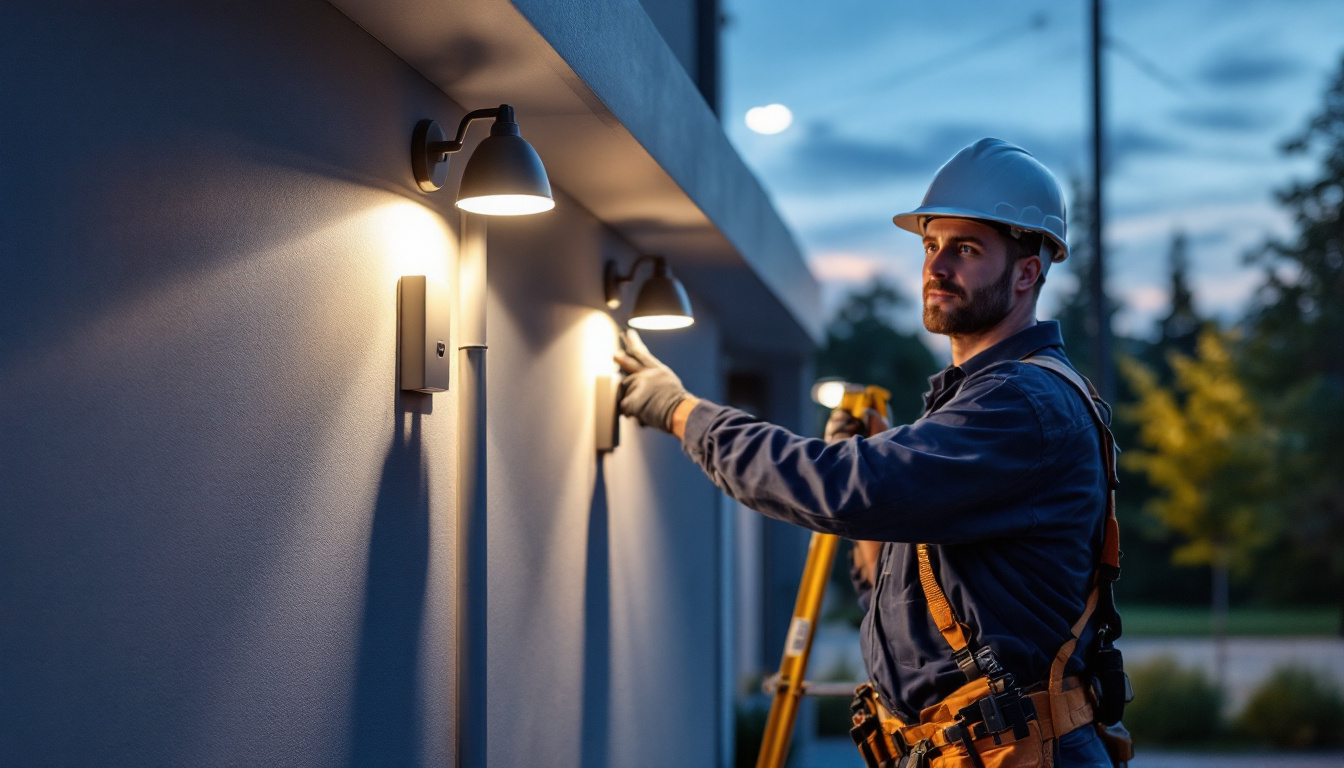
Proper installation is crucial for the effective operation of button photocells. Lighting contractors must consider various factors to ensure optimal performance and longevity of the devices.
Location and Orientation
The placement of button photocells plays a significant role in their effectiveness. Ideally, they should be installed in locations where they can accurately detect ambient light levels without interference from surrounding structures or foliage. Additionally, the orientation of the sensor should be such that it faces the primary light source, typically the sun, to ensure accurate readings throughout the day. For instance, installing the photocell on the north side of a building may lead to inaccurate readings due to reduced sunlight exposure, while a south-facing installation can maximize its responsiveness to natural light changes. Furthermore, it is advisable to avoid locations that might be subject to artificial light pollution, such as streetlights or illuminated signs, which could cause the photocell to trigger unnecessarily.
Wiring and Compatibility
When installing button photocells, it is essential to ensure compatibility with the existing lighting system. Contractors should verify that the voltage and current ratings of the photocell match those of the fixtures. Proper wiring is also critical; incorrect connections can lead to malfunction or damage to the photocell and lighting system. It is also recommended to use high-quality, weather-resistant wiring to prevent deterioration over time, especially in outdoor settings. Additionally, understanding the different types of photocells available—such as those designed for low-voltage or high-voltage systems—can further enhance the installation process. This knowledge allows contractors to select the most appropriate device for the specific application, ensuring reliability and efficiency.
Testing and Calibration
After installation, testing the photocell’s functionality is essential. This involves simulating different light conditions to ensure the device responds appropriately. Calibration may also be necessary to adjust the sensitivity settings, allowing the photocell to function optimally in varying environmental conditions. During this phase, it is beneficial to observe the photocell’s response over several days, accounting for fluctuations in weather such as cloudy skies or heavy rain, which can affect light levels. Moreover, documenting the calibration settings can provide valuable insights for future maintenance or adjustments, ensuring that the system remains effective over time. Regular inspections are also recommended to check for any obstructions that may develop, such as overgrown vegetation, which could hinder the photocell’s ability to detect light accurately.
Common Challenges and Solutions
While button photocells offer numerous benefits, they are not without challenges. Understanding these potential issues can help lighting contractors provide better service and solutions for their clients.
False Triggers
One common issue with button photocells is false triggering, where the lights turn on or off unexpectedly. This can occur due to obstructions that block the sensor or interference from other light sources. To mitigate this, contractors should ensure that the photocell is installed in a clear area, free from potential obstructions.
Weather Resistance
Button photocells are exposed to outdoor elements, which can affect their performance over time. Choosing weather-resistant models is essential for longevity. Additionally, regular maintenance checks can help identify any wear or damage that may compromise the device’s functionality.
Client Education
Clients may not fully understand how button photocells work, leading to misconceptions about their operation. Educating clients on the benefits and functionality of these devices can enhance their satisfaction and trust in the contractor’s expertise. Providing clear instructions on how to adjust settings or troubleshoot common issues can also empower clients to manage their lighting systems effectively.
Integrating Button Photocells with Smart Technology
The rise of smart technology has transformed the way lighting systems are designed and managed. Integrating button photocells with smart home systems can provide enhanced control and convenience for clients.
Remote Monitoring and Control
Smart photocells can be connected to home automation systems, allowing clients to monitor and control their outdoor lighting remotely. This feature is particularly appealing for homeowners who travel frequently or want to enhance their home security. Contractors can offer clients the option to customize their lighting schedules through smartphone apps, providing a modern solution that meets contemporary needs.
Energy Management
Integrating button photocells with smart technology also allows for more sophisticated energy management. Clients can track their energy usage in real-time, enabling them to make informed decisions about their lighting consumption. This not only promotes sustainability but can also lead to significant cost savings over time.
Compatibility with Other Smart Devices
Button photocells can work in conjunction with other smart devices, such as motion sensors and timers. This integration can create a comprehensive outdoor lighting system that adapts to various conditions and usage patterns. For contractors, offering such integrated solutions can set them apart in a competitive market.
Case Studies: Successful Implementations
Examining real-world applications of button photocells can provide valuable insights for lighting contractors. Here are a few case studies that highlight successful implementations.
Commercial Parking Lots
A large retail chain implemented button photocells in their parking lot lighting system. By using programmable photocells, they were able to set specific on/off times based on store hours, significantly reducing energy costs. The automatic operation also improved safety for customers during evening hours, leading to positive feedback from both staff and patrons.
Residential Landscape Lighting
In a residential setting, a homeowner sought to enhance their landscape lighting while minimizing energy usage. The contractor installed smart button photocells that allowed the homeowner to control the lights via a mobile app. This integration not only provided convenience but also allowed for seasonal adjustments to the lighting schedule, further optimizing energy consumption.
Municipal Street Lighting
A city council decided to upgrade their street lighting system by incorporating button photocells. The new system reduced energy costs by 30% while improving safety in poorly lit areas. The project also received acclaim for its environmentally friendly approach, showcasing how modern technology can enhance urban infrastructure.
Conclusion
Button photocells represent a significant advancement in outdoor lighting technology, offering contractors a reliable solution for energy-efficient and automated lighting systems. By understanding the functionality, installation considerations, and integration possibilities, lighting contractors can provide enhanced services to their clients.
As the demand for sustainable and smart lighting solutions continues to grow, staying informed about the latest technologies and best practices will be essential for contractors looking to thrive in this competitive industry. Embracing button photocells not only benefits clients but also positions contractors as leaders in the field of innovative lighting solutions.
Illuminate Your Projects with LumenWholesale
Ready to elevate your lighting projects with the efficiency and innovation of button photocells? At LumenWholesale, we offer an exceptional range of high-quality, spec-grade lighting products that cater to the needs of discerning contractors. With our competitive wholesale pricing and commitment to cutting out the middleman, you gain access to premium lighting solutions that fit your budget. Plus, enjoy the convenience of free shipping on bulk orders, ensuring you get the best value without any hidden costs. Make your next project shine by choosing LumenWholesale, where quality, affordability, and convenience come together seamlessly. Discover our selection and take advantage of unbeatable wholesale prices today by visiting Wholesale Lighting at the Best Value.