Introduction to Building LED Lights
For lighting contractors, understanding the fundamentals of building LED lights is essential not only to meet client expectations but also to stay competitive in an evolving industry. LED (Light Emitting Diode) technology has transformed the lighting landscape, offering energy efficiency, longevity, and design flexibility that traditional lighting solutions cannot match.
This article breaks down key concepts, components, and considerations for contractors who want to deepen their expertise in LED lighting systems. Whether you are installing new fixtures or retrofitting existing ones, mastering these essentials will help ensure high-quality outcomes and satisfied customers.
One of the most compelling advantages of LED lights is their energy efficiency. Compared to incandescent bulbs, LEDs use up to 80% less energy, which not only reduces electricity bills but also contributes to a lower carbon footprint. This efficiency is particularly important in commercial settings where lighting can account for a significant portion of energy consumption. Additionally, LED lights have a much longer lifespan, often lasting 25,000 hours or more, which translates to fewer replacements and less waste over time. Understanding these benefits allows contractors to present compelling arguments to clients considering upgrades or new installations.
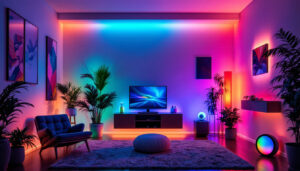
Moreover, the versatility of LED technology opens up a world of design possibilities. From adjustable color temperatures to smart lighting systems that can be controlled via mobile apps, the options are nearly limitless. Contractors can leverage this flexibility to create tailored lighting solutions that enhance the aesthetic appeal of spaces while also meeting functional needs. For instance, in residential settings, warm white LEDs can create a cozy atmosphere, while cooler tones may be more suitable for workspaces. By staying informed about the latest advancements in LED technology, contractors can offer innovative solutions that not only meet but exceed client expectations.
Why LED Lighting Is the Industry Standard
LED lighting has become the preferred choice for commercial, residential, and industrial applications due to its numerous advantages:
- Energy Efficiency: LEDs consume up to 80% less energy than incandescent bulbs, significantly reducing electricity costs.
- Longevity: With lifespans often exceeding 50,000 hours, LEDs reduce maintenance frequency and replacement expenses.
- Durability: LEDs are solid-state lights, meaning they are more resistant to shocks, vibrations, and external impacts.
- Environmental Benefits: LEDs contain no mercury and have a smaller carbon footprint compared to fluorescent or incandescent lighting.
- Design Flexibility: Compact size and directional light output allow for innovative fixture designs and precise lighting control.
For lighting contractors, these benefits translate into opportunities to offer clients sustainable, cost-effective lighting solutions that also comply with increasingly stringent energy codes and regulations. The shift towards LED technology is not merely a trend; it represents a fundamental change in how we approach lighting design and energy consumption. As cities and municipalities adopt more rigorous sustainability goals, the demand for LED installations continues to rise, making it imperative for contractors to stay informed about the latest advancements in LED technology.
Moreover, the versatility of LED lighting extends beyond mere functionality. With the advent of smart lighting systems, LEDs can now be integrated into home automation setups, allowing users to control their lighting remotely through smartphones or voice-activated devices. This integration not only enhances convenience but also promotes energy savings by enabling users to schedule lighting based on their needs. As such, the future of LED lighting is intertwined with the evolution of smart technology, paving the way for more efficient and user-friendly lighting solutions that cater to the modern lifestyle.
Core Components of Building LED Lights
Understanding the anatomy of an LED lighting system is crucial for installation, troubleshooting, and customization. The primary components include:
1. LED Chips
The LED chip is the semiconductor device that emits light when an electrical current passes through it. These chips are mounted on a substrate and are available in various colors and intensities. The quality and type of LED chip directly influence light output, efficiency, and color rendering. For instance, high-quality LED chips can produce a broader spectrum of colors, which is essential for applications requiring accurate color representation, such as in art galleries or retail environments. Additionally, advancements in chip technology, like the introduction of phosphor-converted LEDs, have allowed for improved color temperatures and better energy efficiency, making them a preferred choice for modern lighting solutions.
2. Heat Sink
LEDs generate heat during operation, which can degrade performance and lifespan if not managed properly. The heat sink, typically made from aluminum or other thermally conductive materials, dissipates this heat away from the LED chips to maintain optimal operating temperatures. The design of the heat sink is critical; it must have sufficient surface area and airflow to effectively manage heat. Innovative designs, such as those incorporating fins or active cooling systems, can enhance heat dissipation, thereby extending the lifespan of the LEDs and maintaining consistent brightness levels. Moreover, the integration of thermal interface materials can further improve the thermal connection between the chip and the heat sink, ensuring efficient heat transfer.
3. Driver
The LED driver converts alternating current (AC) from the building’s electrical supply into a constant direct current (DC) suitable for LEDs. It regulates voltage and current to protect LEDs from fluctuations that could cause damage or flickering. Drivers may be dimmable or non-dimmable depending on the application. The choice of driver is paramount, as a poorly matched driver can lead to reduced performance and efficiency. Advanced drivers now offer features such as programmable settings, enabling users to customize lighting levels and schedules, which can be particularly beneficial in smart home systems. Furthermore, the integration of power factor correction in drivers can improve energy efficiency, reducing overall electricity costs while minimizing the environmental impact.
4. Optics and Lenses
Optics control the distribution and focus of light emitted by the LEDs. Lenses and reflectors shape the beam angle and intensity, enabling precise lighting designs such as spotlights, floodlights, or ambient lighting. The choice of optics can dramatically alter the effectiveness of a lighting installation; for example, narrow beam optics are ideal for highlighting specific features in a space, while wider beam optics can create a more diffused and even light distribution. Additionally, advancements in optical technology, such as the use of micro-lenses or advanced coatings, can enhance light transmission and minimize losses, thereby improving overall efficiency and performance.
5. Housing and Enclosure
The housing protects internal components from environmental factors like dust, moisture, and mechanical damage. It also contributes to heat dissipation and aesthetic appeal. For outdoor or industrial installations, enclosures must meet specific ingress protection (IP) ratings to ensure durability. The material and design of the housing can also influence the overall energy efficiency of the lighting system; for instance, reflective coatings on the interior surfaces can enhance light output by directing more light where it is needed. Furthermore, the aesthetic design of the housing can play a significant role in integrating the lighting fixtures into the overall architecture of a space, allowing for a seamless blend of functionality and style. As sustainability becomes increasingly important, many manufacturers are now exploring eco-friendly materials and designs that reduce environmental impact while maintaining high performance standards.
Key Considerations for Lighting Contractors When Building LED Lights
Contractors must evaluate several factors to ensure LED lighting installations meet performance expectations and regulatory requirements.
Electrical Compatibility and Safety
Ensuring compatibility between LED drivers, chips, and the building’s electrical system is critical. Incorrect voltage or current can lead to premature failure or safety hazards. Lighting contractors should verify that drivers comply with safety standards such as UL or CE certifications and that wiring conforms to local electrical codes.
Color Temperature and Color Rendering Index (CRI)
Color temperature, measured in Kelvins (K), affects the ambiance of a space. Warm white (2700K–3000K) is often preferred for residential and hospitality settings, while cooler temperatures (4000K–5000K) suit offices and industrial areas. CRI indicates how accurately a light source reveals colors compared to natural light, with values above 80 considered good for most applications.
Dimming and Control Systems
Modern LED systems frequently incorporate dimming capabilities and smart controls for energy savings and user convenience. Contractors should understand protocols like 0-10V, DALI, or DMX, and ensure compatibility with existing building automation systems. Proper installation of control gear is essential to avoid flicker and maintain system reliability.
Thermal Management
Effective heat dissipation extends LED lifespan and maintains luminous efficacy. Contractors should select fixtures with adequate heat sinks and ensure proper ventilation in installation areas. Overheating is a common cause of LED failure, so thermal considerations must not be overlooked during design and installation.
Compliance and Energy Codes
Many jurisdictions have adopted energy codes such as ASHRAE 90.1 or the International Energy Conservation Code (IECC) that mandate minimum efficiency standards for lighting systems. Contractors must stay informed about local regulations to ensure installations qualify for rebates and avoid penalties.
Installation Best Practices for LED Lighting Systems
Proper installation is vital to maximize the benefits of LED lighting. Here are some best practices lighting contractors should follow:
Site Assessment and Planning
Before installation, conduct a thorough site assessment to understand spatial constraints, existing electrical infrastructure, and client requirements. Use lighting design software to simulate light distribution and identify optimal fixture placement.
Wiring and Connections
Use high-quality connectors and cables rated for LED systems. Ensure polarity is correct since LEDs are polarity sensitive. Avoid loose connections that can cause flickering or intermittent operation.
Testing and Commissioning
After installation, test each fixture for proper operation, dimming function, and light output. Document results and provide clients with user manuals and maintenance recommendations. Commissioning helps catch issues early and builds client trust.
Maintenance Considerations
Though LEDs require less maintenance than traditional lighting, contractors should educate clients on cleaning fixtures, checking drivers periodically, and recognizing signs of wear. Providing maintenance contracts can be an additional revenue stream.
Emerging Trends and Technologies in LED Lighting
Staying abreast of innovations helps contractors offer cutting-edge solutions:
Human-Centric Lighting
LED systems that adjust color temperature and intensity to mimic natural daylight cycles support occupant well-being and productivity. This approach is gaining traction in office, healthcare, and educational environments.
Integration with IoT
Smart LED lighting integrated with Internet of Things (IoT) platforms enables remote control, energy monitoring, and adaptive lighting based on occupancy or daylight sensors. Contractors skilled in these systems can deliver enhanced value to clients.
Advanced Materials and Manufacturing
Innovations such as graphene-based heat sinks and chip-on-board (COB) LEDs improve thermal management and light quality. Modular LED fixtures simplify installation and maintenance, reducing labor costs.
Conclusion
For lighting contractors, mastering the essentials of building LED lights is a gateway to delivering superior lighting solutions that meet modern performance, efficiency, and design standards. By understanding LED components, installation best practices, and emerging trends, contractors can enhance their service offerings, comply with regulations, and ultimately satisfy their clients’ evolving needs.
Investing time in learning and applying these principles will position contractors as trusted experts in a competitive market, driving business growth and fostering long-term client relationships.
Get Your Premium LED Lighting Supplies at LumenWholesale
Ready to elevate your lighting projects with the highest quality LED components? Look no further than LumenWholesale for all your lighting needs. Our spec-grade products are designed to meet the rigorous demands of modern lighting applications, ensuring you deliver excellence to your clients every time. With unbeatable wholesale prices and the convenience of free shipping on bulk orders, LumenWholesale is your go-to source for reliable and cost-effective lighting solutions. Don’t let inflated markups diminish your project’s potential. Choose LumenWholesale and experience the optimal balance of quality, value, and service. Visit our website and explore our extensive selection at Wholesale Lighting at the Best Value today.