Understanding the Importance of Under Cabinet Lighting in Modern Interiors
Under cabinet lighting has evolved from a mere functional necessity into a critical design element in both residential and commercial spaces. For lighting contractors, recognizing the impact of well-executed under cabinet lighting is essential to delivering superior lighting solutions that enhance aesthetics, functionality, and energy efficiency.
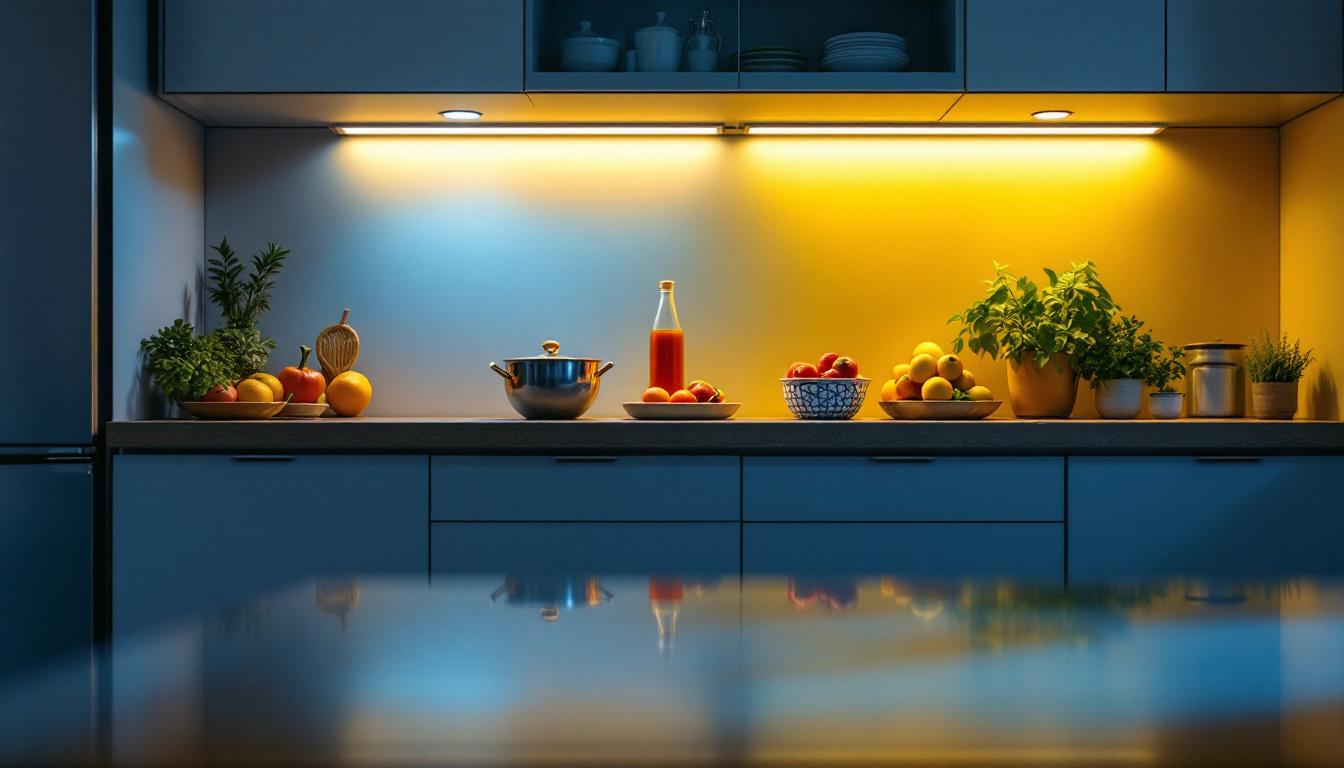
Properly installed under cabinet lights not only illuminate work surfaces but also create ambiance and improve spatial perception. Kitchens, offices, retail displays, and workshops benefit immensely from targeted lighting that reduces shadows and highlights key areas. This type of lighting is especially valuable in environments where precision and clarity are paramount. In kitchens, for instance, under cabinet lighting can illuminate countertops for meal preparation, making it easier to chop vegetables or read recipes without straining the eyes. In retail spaces, it draws attention to products, guiding customers’ focus and enhancing their shopping experience.
Why Lighting Contractors Should Prioritize Under Cabinet Solutions
Lighting contractors are uniquely positioned to influence how under cabinet lighting is integrated into projects. By leveraging the latest technologies and design principles, contractors can offer clients solutions that go beyond basic illumination. This approach adds value, enhances client satisfaction, and establishes a reputation for expertise in modern lighting trends. The use of LED strips, for example, not only provides energy-efficient lighting but also offers flexibility in design, allowing for creative configurations that can adapt to various cabinet styles and layouts.
Moreover, under cabinet lighting installations often serve as gateways to more comprehensive lighting upgrades. When contractors demonstrate proficiency in these specialized applications, they open doors to larger-scale projects and ongoing maintenance contracts. Additionally, the integration of smart technology into under cabinet lighting systems can further elevate the user experience. Clients may appreciate the ability to control lighting through mobile apps or voice-activated devices, allowing for personalized settings that cater to different moods and activities. This technological advancement not only enhances the functionality of the space but also positions contractors as forward-thinking professionals in a competitive market.
Types of Under Cabinet Lighting and Their Applications
Choosing the right type of under cabinet lighting is crucial for achieving the desired effect. Each lighting technology offers distinct advantages and considerations, making it important for contractors to understand their characteristics thoroughly.
LED Strip Lights
LED strip lights are among the most popular options due to their flexibility, energy efficiency, and low heat emission. They can be cut to size and installed in tight spaces, making them ideal for custom cabinetry and irregular surfaces.
Additionally, LED strips offer a range of color temperatures, from warm white to daylight, allowing contractors to tailor lighting to the specific ambiance of the space. Their long lifespan and low power consumption also appeal to clients focused on sustainability and cost savings. Furthermore, many LED strips now come with smart technology capabilities, enabling users to control brightness and color through mobile apps or voice commands, enhancing user convenience and personalization.
Puck Lights
Puck lights provide concentrated pools of light and are excellent for highlighting specific areas or objects beneath cabinets. They are typically round and can be surface-mounted or recessed, depending on the cabinet design.
While puck lights offer a more focused beam compared to strip lights, they may create uneven lighting if not spaced correctly. Lighting contractors must carefully plan placement to avoid shadows and ensure uniform illumination. Additionally, puck lights are available in various styles and finishes, allowing them to blend seamlessly with different kitchen aesthetics, from modern to traditional. Their versatility also extends to dimmable options, which can create a cozy atmosphere for entertaining or dining.
Linear Fluorescent and Halogen Lights
Although less common in new installations due to advancements in LED technology, linear fluorescent and halogen lights are still found in some existing setups. Fluorescent lights provide broad, diffuse lighting but consume more energy and have shorter lifespans than LEDs.
Halogen lights deliver warm, bright light but generate significant heat and are less energy-efficient. Contractors working on retrofits or repairs should be familiar with these options and advise clients on potential upgrades to LED alternatives. It’s also important to note that while halogen lights can enhance the color of food and materials, their heat output can be a concern in smaller spaces, necessitating careful consideration of placement and ventilation. Additionally, the gradual phasing out of certain fluorescent bulbs due to environmental regulations means that contractors should stay informed about compliance and the availability of replacement options for existing fixtures.
Design Considerations for Effective Under Cabinet Lighting
Successful under cabinet lighting installations require meticulous planning and attention to detail. Lighting contractors must balance technical requirements with aesthetic goals to create solutions that satisfy both functional and design criteria.
Light Placement and Spacing
Proper placement is critical to avoid shadows and glare. Lighting should be positioned towards the front edge of the cabinet to illuminate the countertop evenly. For strip lights, continuous runs minimize dark spots, while puck lights should be spaced approximately 12 to 18 inches apart depending on their beam angle.
Contractors should also consider the height and depth of the cabinets, as well as the height of the work surface, to optimize light distribution. Mock-ups or lighting simulations can be valuable tools during the design phase to visualize outcomes and make adjustments.
Color Temperature and Color Rendering Index (CRI)
Choosing the appropriate color temperature influences the mood and functionality of the space. Warm white (2700K to 3000K) creates a cozy atmosphere, ideal for residential kitchens, while cooler temperatures (3500K to 5000K) enhance visibility and are preferred in task-oriented environments like workshops or retail counters.
CRI measures how accurately a light source reveals colors compared to natural light. A CRI of 80 or above is generally recommended for under cabinet lighting to ensure colors appear vibrant and true, which is especially important in kitchens and retail displays.
Dimming and Control Options
Integrating dimming capabilities and smart controls allows users to customize lighting levels according to different tasks and times of day. Lighting contractors should consider installing compatible dimmers or smart lighting systems that offer remote control, scheduling, and scene-setting features.
These enhancements not only improve user experience but also contribute to energy savings by reducing unnecessary light output.
Installation Best Practices and Challenges
While under cabinet lighting installations may seem straightforward, several challenges can arise that require expertise and careful execution.
Wiring and Power Supply Considerations
Ensuring safe and code-compliant wiring is paramount. Lighting contractors must assess the existing electrical infrastructure and determine the best power source for the under cabinet lights. Low-voltage LED systems often require transformers, which should be installed in accessible yet discreet locations.
Contractors should also plan for future maintenance by providing adequate access to wiring and components. Concealing wires neatly enhances the overall appearance and prevents damage.
Heat Management and Ventilation
Although LED lights generate minimal heat compared to traditional bulbs, proper ventilation is still necessary to prolong fixture lifespan and maintain safety. Lighting contractors should avoid installing fixtures in enclosed spaces without airflow and use materials that dissipate heat effectively.
Surface Preparation and Mounting Techniques
Cabinet surfaces must be clean, dry, and structurally sound before installing lighting fixtures. Adhesive-backed LED strips require smooth surfaces for secure attachment, while puck lights may need drilling or mounting brackets.
Contractors should use mounting methods that allow for easy removal or replacement without damaging cabinetry, especially in rental or commercial settings.
Energy Efficiency and Sustainability in Under Cabinet Lighting
With increasing emphasis on sustainable building practices, lighting contractors must prioritize energy-efficient solutions that reduce environmental impact and operational costs.
Advantages of LED Technology
LED under cabinet lights consume significantly less energy than incandescent or halogen alternatives, often using up to 75% less power. Their extended lifespan reduces the frequency of replacements, minimizing waste and maintenance expenses.
Additionally, LEDs contain no hazardous materials like mercury, making them safer to dispose of and more environmentally friendly.
Incorporating Sensors and Automation
Motion sensors, daylight sensors, and timers can optimize energy use by ensuring lights operate only when needed. For example, motion-activated under cabinet lights in commercial kitchens or workshops can prevent lights from being left on inadvertently.
Automated lighting systems also enhance user convenience and can be integrated into broader building management systems for comprehensive energy monitoring.
Case Studies: Successful Under Cabinet Lighting Implementations
Examining real-world examples provides valuable insights into effective strategies and common pitfalls.
Residential Kitchen Renovation
A lighting contractor was tasked with upgrading a kitchen lighting scheme to improve functionality and ambiance. By installing warm white LED strip lights under upper cabinets with dimming controls, the contractor enhanced countertop visibility while creating a welcoming atmosphere.
Careful placement and integration with existing electrical systems ensured a seamless installation. The client reported improved cooking experiences and energy savings.
Retail Display Enhancement
In a boutique retail store, puck lights were installed under shelving to highlight merchandise. The contractor selected high-CRI LEDs with cool white color temperature to make products appear vibrant and attractive.
Strategic spacing and the use of smart controls allowed staff to adjust lighting scenes for different promotions and times of day, boosting customer engagement and sales.
Commercial Workshop Upgrade
A workshop required bright, shadow-free lighting for detailed assembly work. The contractor installed daylight-balanced LED strip lights with motion sensors to ensure lights were on only when the space was occupied.
This solution improved worker productivity, reduced eye strain, and contributed to energy efficiency goals.
Conclusion: Maximizing the Potential of Under Cabinet Lighting
For lighting contractors, mastering under cabinet lighting is a gateway to delivering comprehensive, high-quality lighting solutions that meet modern demands. By understanding the types of lighting available, design considerations, installation best practices, and sustainability factors, contractors can provide clients with tailored solutions that enhance both form and function.
As lighting technologies continue to advance, staying informed and adaptable will ensure contractors remain at the forefront of the industry, capable of transforming spaces with bright, efficient, and aesthetically pleasing under cabinet lighting.
Illuminate Your Projects with LumenWholesale
Ready to elevate your lighting solutions with the brightest and most efficient under cabinet lights? At LumenWholesale, we provide lighting contractors with the high-quality, spec-grade lighting products you need to outshine the competition. Our direct-to-contractor model means you enjoy unbeatable wholesale prices, cutting out the middleman and avoiding inflated markups. With our extensive selection that meets rigorous industry standards and the convenience of free shipping on bulk orders, you can trust that you’re getting premium lighting at the best value. Don’t compromise on quality or cost. Discover wholesale lighting at the best value today and transform your lighting projects with LumenWholesale.