Choosing LED Bulbs: What Lighting Contractors Prioritize
When selecting LED bulbs, lighting contractors focus on factors that impact both performance and client satisfaction. It’s not just about brightness or energy efficiency; durability, color quality, and compatibility with existing fixtures all play crucial roles. A bulb that looks great on paper but fails in the field can lead to callbacks and unhappy customers.
One key consideration is the bulb’s lumen output relative to wattage. Contractors often remind clients that watts measure energy consumption, not brightness. Instead, lumens indicate how much light the bulb emits. For example, a 10-watt LED can often replace a 60-watt incandescent bulb, delivering similar brightness with a fraction of the energy use.
Another priority is the color rendering index (CRI). This metric measures how accurately a light source reveals colors compared to natural light. A CRI above 80 is generally acceptable for most residential and commercial applications, but spaces like retail stores or art galleries benefit from bulbs with CRIs closer to 90 or higher. Accurate color rendering enhances the appearance of merchandise and interiors, which can influence customer behavior and satisfaction.
Additionally, the lifespan of LED bulbs is a significant factor for contractors. Many LED bulbs boast lifespans of 15,000 to 50,000 hours, far exceeding traditional incandescent or fluorescent options. This longevity not only reduces the frequency of replacements but also minimizes maintenance costs for clients, making it a financially savvy choice in the long run. Contractors often highlight this aspect to clients, emphasizing the long-term savings that come with investing in quality LED lighting solutions.
Moreover, the dimming capability of LED bulbs is another critical consideration. Not all LED bulbs are created equal when it comes to dimming; some may flicker or fail to provide a smooth transition when used with dimmer switches. Contractors must ensure that the selected bulbs are compatible with the existing dimming systems to avoid any issues. This compatibility can significantly enhance the ambiance of a space, allowing clients to create the perfect lighting for various activities, from bright task lighting in a kitchen to soft, warm light in a dining area.
Durability and Lifespan: What Makes an LED Bulb Reliable?
LED bulbs are known for their long lifespans, often lasting 25,000 to 50,000 hours or more. However, not all LEDs are created equal. Contractors look for bulbs with quality components, such as robust heat sinks and reliable drivers, to ensure consistent performance over time.
Heat management is critical. Excessive heat can degrade LED chips and shorten bulb life. This is why bulbs with aluminum heat sinks or other effective cooling mechanisms tend to last longer. Contractors often recommend avoiding bargain-basement bulbs that cut corners on these components, as they may fail prematurely and increase maintenance costs.
Environmental factors also matter. For outdoor or damp locations, bulbs with appropriate IP ratings ensure resistance to moisture and dust. Lighting contractors specify these ratings carefully to prevent failures in harsh conditions. Additionally, bulbs designed for frequent switching-common in commercial settings-help avoid early burnout.
Color Temperature: Matching Mood and Functionality
Color temperature, measured in Kelvins (K), influences the ambiance and utility of a space. Lighting contractors guide clients in choosing the right temperature for each application. Warm white (2700K–3000K) creates a cozy, inviting atmosphere ideal for homes, restaurants, and hospitality settings. Neutral white (3500K–4100K) suits offices and retail spaces where a balance between warmth and clarity is needed. Cool white or daylight (5000K–6500K) is preferred for task lighting, garages, and workshops where crisp, bright light enhances visibility.
The choice of color temperature also affects energy perception. Cooler temperatures can make spaces appear brighter without increasing lumen output, which can be beneficial in work environments. However, too cool a temperature in living areas may feel sterile or uncomfortable. Lighting contractors often carry sample bulbs or use lighting design software to help clients visualize how different temperatures will look in their spaces.
Compatibility and Smart Features: Staying Ahead of Technology
Modern lighting systems increasingly integrate with smart home and building automation platforms. Contractors must consider compatibility with dimmers, sensors, and control systems when recommending LED bulbs. Not all LEDs dim smoothly, and some may flicker or buzz with incompatible dimmers.
Smart LED bulbs offer features like color tuning, remote control, and scheduling. While these add convenience and energy savings, they come with higher upfront costs and require reliable wireless connectivity. Contractors advise clients to weigh these benefits against budget and technical requirements. For commercial projects, integrating smart lighting can improve operational efficiency and reduce energy consumption through occupancy sensing and daylight harvesting.
Additionally, contractors keep an eye on emerging standards such as Zigbee, Z-Wave, and Bluetooth Mesh to ensure the bulbs they install will work seamlessly with existing or future control systems. This foresight helps avoid costly upgrades or replacements down the line.
Energy Efficiency and Cost Savings: What Really Matters
Energy efficiency is a primary reason for switching to LED lighting. Contractors emphasize the total cost of ownership rather than just the initial purchase price. Although LED bulbs can be more expensive upfront compared to incandescent or CFL bulbs, the energy savings and reduced maintenance costs quickly offset that difference.
For example, replacing a 60-watt incandescent bulb with a 10-watt LED that lasts 25,000 hours can save hundreds of dollars in electricity bills over the bulb’s lifetime. In commercial settings with dozens or hundreds of fixtures, these savings multiply significantly. Lighting contractors often provide clients with detailed payback analyses to demonstrate the financial benefits.
Rebates and incentives from utility companies also play a role. Many regions offer rebates for installing energy-efficient lighting, which can reduce the effective cost of LED bulbs. Contractors stay informed about these programs to help clients maximize savings and comply with local energy codes.
Top LED Bulb Types and Their Best Uses
A19 LED Bulbs: The Versatile Workhorse
The A19 bulb shape is the most common and familiar. It fits standard household fixtures and offers a wide range of lumen outputs and color temperatures. Contractors recommend A19 LEDs for general lighting in homes, offices, and retail spaces due to their versatility and availability.
These bulbs often come in dimmable versions and can be found with enhanced CRI options for better color rendering. Their compact size and standard base make them easy to install and replace.
PAR and BR Bulbs: Directional Lighting for Focused Applications
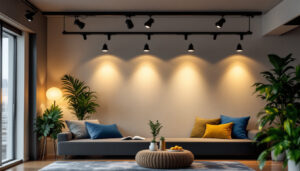
PAR (Parabolic Aluminized Reflector) and BR (Bulged Reflector) bulbs provide directional light, making them ideal for track lighting, recessed cans, and outdoor floodlights. Lighting contractors specify these bulbs when focused illumination is needed, such as highlighting artwork, signage, or landscaping.
LED versions of PAR and BR bulbs offer excellent beam control and energy efficiency compared to halogen or incandescent counterparts. They come in various beam angles, from narrow spots to wide floods, allowing precise lighting design.
G25 and Globe Bulbs: Decorative and Vanity Lighting
Globe-shaped bulbs like the G25 are popular in bathroom vanities and decorative fixtures. Contractors choose these for their aesthetic appeal and ability to provide even, flattering light around mirrors. LEDs in this category often feature frosted or clear finishes to suit different design preferences.
High CRI and warm color temperatures are common choices here to enhance skin tones and create a welcoming environment.
Specialty LED Bulbs: For Unique Fixtures and Needs
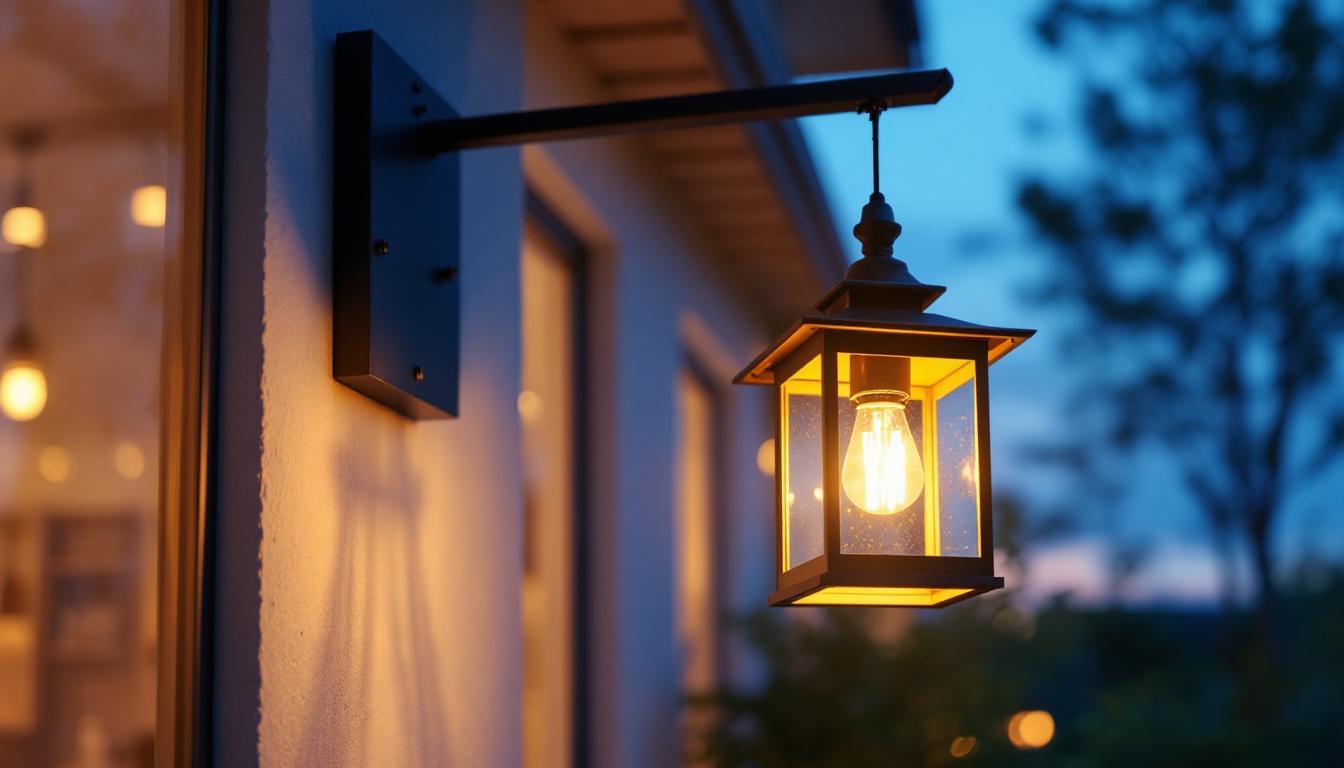
Specialty bulbs include candelabra, tube, filament-style, and vintage-look LEDs. Contractors select these when replicating traditional lighting styles or fitting unusual fixtures. Filament LEDs, for example, combine classic aesthetics with modern efficiency, making them popular in restaurants, hotels, and historic buildings.
It’s important to verify base types and sizes carefully to ensure compatibility. Specialty bulbs may also have unique dimming or control requirements, so contractors test these before installation.
Installation Tips and Best Practices for Lighting Contractors
Proper installation ensures LED bulbs perform optimally and last as expected. Contractors recommend turning off power before replacing bulbs to avoid electrical hazards. Checking fixture compatibility, especially for enclosed or recessed fixtures, prevents overheating issues.
When dimming is required, using LED-compatible dimmer switches eliminates flickering and extends bulb life. Contractors advise testing bulbs in situ before finalizing installations, especially when using smart or specialty LEDs.
Labeling circuits and documenting bulb specifications during installation helps with future maintenance and replacements. This practice saves time and reduces errors in large projects.
Common Mistakes to Avoid When Choosing LED Bulbs
One frequent mistake is focusing solely on price. Cheap LED bulbs may save money upfront but often compromise on quality, leading to early failures and dissatisfied clients. Lighting contractors stress investing in reputable brands with proven track records.
Another error is neglecting the fixture environment. Using non-rated bulbs in damp or enclosed fixtures can cause overheating and shorten lifespan. Contractors carefully match bulb specifications to installation conditions.
Ignoring color temperature and CRI can result in lighting that feels harsh or unflattering. Contractors encourage clients to consider how lighting affects mood and function, not just energy savings.
Final Thoughts: Making the Right LED Choice Every Time
Choosing the best LED bulbs involves balancing multiple factors: brightness, color quality, durability, compatibility, and cost. Lighting contractors rely on experience and technical knowledge to guide clients toward solutions that meet their specific needs.
Staying informed about product innovations and industry standards helps contractors recommend bulbs that deliver long-term value. Ultimately, the right LED bulb enhances spaces, reduces energy consumption, and minimizes maintenance hassles-benefits that every client appreciates.
Illuminate Your Projects with LumenWholesale
Ready to elevate your lighting game with the best LED bulbs on the market? Look no further than LumenWholesale, where we provide contractors with exceptional, spec-grade lighting solutions at unbeatable wholesale prices. Say goodbye to local distributor markups and hello to our extensive selection that meets the highest industry standards. With free shipping on bulk orders, LumenWholesale is your go-to source for premium lighting that combines quality, affordability, and convenience. Don’t compromise on your lighting needs—choose LumenWholesale for Wholesale Lighting at the Best Value and make every project shine.