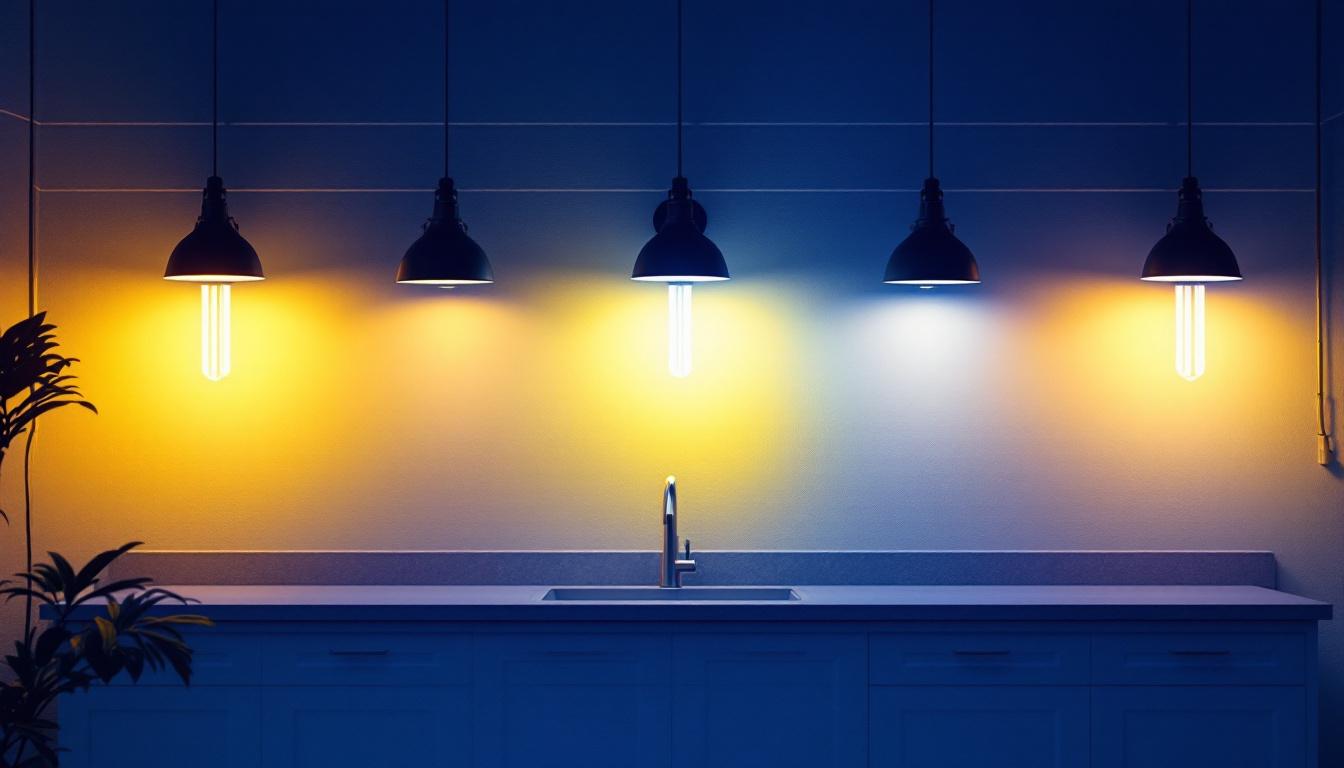
Understanding T5 Bulb Lengths and Their Impact on Lighting Design
T5 fluorescent bulbs have become a staple in commercial and residential lighting due to their efficiency, brightness, and versatility. However, one aspect that often trips up lighting contractors is the variety of lengths these bulbs come in. Selecting the right length isn’t just about fitting a fixture; it directly influences the distribution of light, energy consumption, and the overall ambiance of a space.
T5 bulbs typically come in lengths ranging from about 9 inches to 55 inches. This range allows for tailored lighting solutions that can meet specific needs—from compact task lighting to broad area illumination. The length of a T5 bulb affects its wattage and lumen output, meaning longer bulbs generally produce more light but also consume more energy. Understanding these nuances is crucial for contractors aiming to optimize both performance and cost-effectiveness.
Why Length Matters Beyond Size
Choosing a T5 bulb length isn’t simply a matter of physical fit. The length determines how the light spreads in a room. For example, a longer bulb in a wide fixture can provide even illumination over a large surface, reducing shadows and hotspots. Conversely, shorter bulbs might be better suited for smaller fixtures or areas requiring focused lighting.
Additionally, bulb length influences fixture design and installation complexity. Longer bulbs require sturdier fixtures and sometimes additional support to prevent sagging or damage. This consideration is especially important in environments where fixtures are exposed to vibration or movement, such as industrial settings. Moreover, the choice of length can also affect the aesthetic appeal of a space. Longer bulbs can create a sleek, modern look when used in linear fixtures, while shorter bulbs may lend themselves to a more compact and cozy atmosphere, making them ideal for intimate settings like cafes or reading nooks.
Furthermore, the choice of T5 bulb length can also impact maintenance and replacement cycles. Longer bulbs, while providing more light, may require more effort to replace due to their size and the fixtures they are housed in. This can lead to increased downtime in commercial settings, where consistent lighting is crucial for productivity. Conversely, shorter bulbs may be easier to handle and replace, making them a practical choice for areas that require frequent maintenance. Understanding these factors not only enhances the functionality of the lighting design but also contributes to a more efficient and user-friendly environment.
Matching T5 Bulb Lengths to Application Needs
Different environments demand different lighting solutions, and the choice of T5 bulb length plays a pivotal role in meeting those demands effectively.
Office and Commercial Spaces
In office environments, consistent and glare-free lighting is essential for productivity and comfort. Longer T5 bulbs, such as 48-inch or 54-inch lengths, are commonly used in linear fixtures to provide broad, even illumination across workspaces. These lengths strike a balance between brightness and energy efficiency, making them ideal for overhead lighting in open-plan offices and conference rooms.
Contractors should also consider the fixture layout. Using multiple shorter bulbs in a grid can create more uniform lighting but may increase installation complexity and maintenance. Longer bulbs simplify the fixture design and reduce the number of components, potentially lowering long-term costs. Additionally, the choice of color temperature can further enhance the office environment; cooler temperatures can promote alertness and focus, while warmer tones can create a more relaxed atmosphere for informal meetings or collaborative spaces.
Retail and Display Lighting
Retail environments benefit from lighting that enhances product visibility and attracts customer attention. Shorter T5 bulbs, such as 14-inch or 21-inch lengths, are often used in display cases and accent lighting. Their compact size allows for flexible fixture designs that can highlight specific products without overwhelming the space.
These shorter bulbs also facilitate directional lighting setups, enabling precise control over where light falls. This is crucial in retail, where highlighting textures, colors, and details can influence purchasing decisions. Furthermore, the strategic placement of T5 bulbs can create a sense of depth and dimension in displays, drawing customers in and encouraging them to explore the merchandise. Retailers may also consider using dimmable T5 fixtures to adjust lighting levels based on the time of day or specific promotions, enhancing the shopping experience.
Industrial and Warehouse Settings
In industrial environments, durability and brightness are paramount. Longer T5 bulbs, often at the upper end of the length spectrum, provide the high lumen output necessary to illuminate large areas efficiently. Fixtures equipped with these bulbs can reduce the number of units needed, simplifying maintenance and reducing energy consumption.
Contractors should ensure that fixture design accommodates the length and weight of these bulbs, particularly in high-vibration or dusty environments. Protective covers and robust mounting systems are often necessary to extend bulb life and maintain consistent lighting quality. Additionally, implementing smart lighting controls can optimize energy usage by adjusting the brightness based on occupancy or natural light levels, further enhancing operational efficiency in warehouses. The integration of T5 lighting with advanced sensor technology can also aid in safety, ensuring that areas are well-lit when needed, thereby reducing the risk of accidents in bustling industrial settings.
Energy Efficiency and Cost Considerations
Energy consumption is a critical factor in lighting design, especially for commercial clients looking to reduce operational costs. The length of a T5 bulb correlates with its wattage, which directly impacts energy use. Understanding this relationship is essential for making informed decisions that can lead to significant savings over time.
Balancing Brightness and Efficiency
Longer T5 bulbs generally consume more watts but also produce more lumens, offering higher brightness levels. The key is to match the bulb length and wattage to the actual lighting requirements of the space. Over-lighting leads to wasted energy and increased costs, while under-lighting can compromise safety and functionality. Additionally, the color temperature of the bulbs can influence the perception of brightness, making it crucial to choose a suitable Kelvin rating that complements the intended ambiance of the area.
Lighting contractors should perform thorough lighting calculations, considering factors such as ceiling height, room size, and surface reflectivity. This ensures the selected bulb length provides adequate illumination without excess energy use. Incorporating advanced lighting design software can further enhance these calculations, allowing for more precise modeling of light distribution and intensity across different environments. This technology not only aids in achieving optimal lighting but also helps in visualizing the final outcome, which can be beneficial for client presentations.
Maintenance and Replacement Costs
Longer T5 bulbs may have a higher upfront cost but can reduce the number of fixtures or bulbs needed, lowering maintenance frequency and replacement expenses. Conversely, shorter bulbs might be cheaper individually but require more units to achieve the same lighting level, increasing labor and inventory costs. It’s also important to consider the environmental impact of frequent bulb replacements, as this can contribute to waste and higher carbon footprints over time.
Choosing the optimal bulb length can also affect fixture lifespan. Properly sized bulbs reduce strain on fixtures, minimizing failures and downtime. This holistic approach to cost management benefits both contractors and their clients. Furthermore, regular maintenance checks and the adoption of smart lighting technologies can enhance the longevity of the lighting system, ensuring that energy efficiency remains a priority throughout the lifespan of the installation. By integrating sensors and automated controls, businesses can further optimize energy use, adjusting lighting levels based on occupancy and natural light availability, thereby maximizing both savings and sustainability.
Installation Tips for Optimal Performance
Proper installation is vital to leverage the benefits of T5 bulb lengths fully. Even the best bulb choice can underperform if not installed correctly.
Fixture Compatibility and Bulb Length
Always verify that the fixture is designed for the specific T5 bulb length chosen. Using a bulb that is too long or too short can cause poor electrical contact, flickering, or even damage to the fixture. Manufacturers typically specify compatible bulb lengths, and adhering to these guidelines ensures safety and performance.
For custom or retrofit projects, consider adjustable fixtures or modular designs that accommodate multiple bulb lengths. This flexibility can future-proof installations and simplify upgrades.
Ensuring Proper Light Distribution
Positioning bulbs to maximize light spread is essential. For longer bulbs, ensure they are centered within the fixture to avoid uneven lighting. In fixtures with multiple bulbs, stagger placement if possible to reduce shadowing and create a more uniform light field.
Reflectors and diffusers also play a role. Pairing the right bulb length with appropriate optical components can enhance efficiency and visual comfort.
Future Trends: LED T5 Equivalents and Length Considerations
While traditional fluorescent T5 bulbs remain popular, LED technology is rapidly advancing, offering alternatives that mimic T5 bulb lengths. LED tubes come in standard T5 lengths, allowing contractors to upgrade existing fixtures without major modifications.
LED equivalents often provide higher energy efficiency, longer lifespan, and better color rendering. However, the choice of length remains critical. Matching LED tube length to the original T5 bulb ensures fixture compatibility and preserves lighting design integrity.
Contractors should stay informed about emerging LED options, as these can offer clients improved performance and sustainability without sacrificing the benefits of familiar T5 bulb lengths.
Conclusion: Leveraging T5 Bulb Lengths for Tailored Lighting Solutions
Mastering the nuances of T5 bulb lengths empowers lighting contractors to deliver solutions that are efficient, cost-effective, and tailored to the specific needs of each project. From office environments to industrial spaces, the right bulb length influences light quality, energy consumption, and maintenance demands.
By carefully considering application requirements, fixture compatibility, and future technology trends, contractors can optimize lighting designs that meet client expectations and stand the test of time.
Illuminate Your Projects with LumenWholesale
Ready to enhance your lighting projects with the perfect T5 bulb lengths? At LumenWholesale, we offer an extensive selection of spec-grade lighting products that meet your project’s specific needs. Say goodbye to inflated markups and hello to top-quality lighting at unbeatable wholesale prices. Plus, with free shipping on bulk orders, you can trust that you’re getting premium lighting solutions at the best value. Don’t compromise on quality or cost—choose LumenWholesale for a seamless blend of efficiency, affordability, and convenience. Explore our wholesale lighting options now and light up your space like never before.