Understanding the Importance of LED Undercounter Lighting
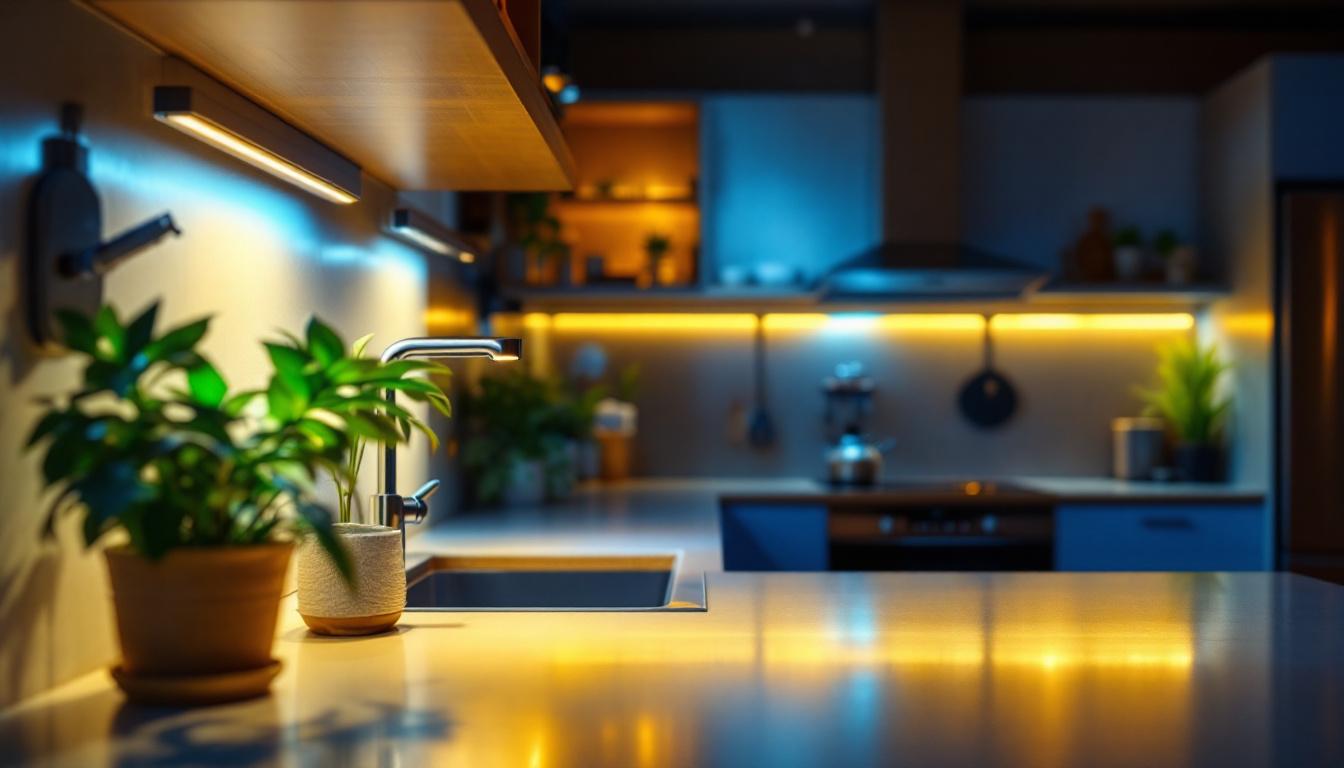
Undercounter lighting might seem like a small detail in a larger lighting project, but it plays a crucial role in both functionality and aesthetics. For contractors, selecting the right LED undercounter light can make or break a project. These lights illuminate workspaces, enhance design elements, and contribute to energy efficiency. When done right, undercounter lighting adds value to kitchens, bars, retail displays, and even office environments. The right lighting can transform a mundane space into a vibrant area that encourages productivity and creativity, making it a vital consideration in any design plan.
Yet, despite its importance, many contractors overlook critical factors that lead to costly mistakes. Choosing the wrong type of LED strip, misjudging brightness levels, or ignoring installation nuances can result in client dissatisfaction, increased labor costs, and wasted materials. Understanding the specifics of LED undercounter lighting is essential to avoid these pitfalls. For instance, the color temperature of the LEDs can significantly affect the ambiance of a space; warmer tones create a cozy atmosphere, while cooler tones can enhance focus and clarity. Additionally, dimmable options allow for greater flexibility, enabling users to adjust the lighting according to their needs and preferences, further enhancing the versatility of undercounter lighting solutions.
Moreover, the placement of undercounter lights is equally important. Strategically positioning these lights can minimize shadows and maximize visibility, ensuring that work areas are well-lit without being harsh. For example, in a kitchen, placing lights directly under cabinets can illuminate countertops effectively, making food preparation safer and more enjoyable. In retail environments, undercounter lighting can highlight products, drawing customers’ attention and encouraging purchases. This kind of thoughtful design not only improves functionality but also elevates the overall aesthetic appeal of the space, creating an inviting atmosphere that can enhance user experience and satisfaction.
Choosing the Right LED Undercounter Light: What Matters Most
Brightness and Color Temperature
One of the most common errors contractors make is underestimating the importance of brightness and color temperature. LED undercounter lights come in various lumen outputs and color temperatures, typically ranging from warm white (2700K-3000K) to cool white (4000K-5000K).
Warm white creates a cozy, inviting atmosphere, often preferred in residential kitchens or hospitality settings. Cool white, on the other hand, offers a brighter, more clinical light that’s ideal for task-oriented spaces like commercial kitchens or workstations. Selecting the wrong color temperature can clash with the overall lighting scheme and reduce the effectiveness of the undercounter lighting.
Brightness should also be tailored to the space. Too dim, and the lighting fails its purpose. Too bright, and it causes glare or harsh shadows. A good rule of thumb is to aim for 300-500 lumens per foot of undercounter lighting, but this varies depending on the application and ambient light levels. Additionally, consider the layout of the kitchen or workspace; areas with dark cabinetry or countertops may require more lumens to achieve a balanced illumination, while lighter surfaces might reflect light better and need less intensity.
LED Quality and Lifespan
Not all LEDs are created equal. The quality of the LED chips directly affects longevity, color consistency, and energy consumption. Opt for LEDs with a high Color Rendering Index (CRI) of 80 or above to ensure colors appear natural and vibrant under the light.
Investing in high-quality LEDs reduces maintenance costs and replacement frequency. Cheaper options might save money upfront but often lead to premature failure or color shifts, which can be costly to fix once installed. Furthermore, consider the thermal management of the LEDs; those with better heat dissipation mechanisms tend to last longer and maintain their brightness over time. This is particularly important in undercounter applications where heat buildup can be an issue.
Water Resistance and Durability
Undercounter lighting is often installed in kitchens or bathrooms where moisture exposure is common. Choosing LED strips or fixtures with an appropriate IP rating (usually IP65 or higher) ensures resistance to water and dust. Ignoring this can lead to corrosion, electrical shorts, or complete failure of the lighting system.
Moreover, the materials used in the construction of the fixtures play a significant role in their durability. Look for options made from high-quality aluminum or polycarbonate, which not only withstand moisture but also resist impacts and scratches. This is especially crucial in busy kitchens where accidental bumps and spills are frequent. Additionally, consider the installation environment; for example, areas near sinks or dishwashers may benefit from extra protective measures, such as sealed fixtures or additional coatings, to enhance longevity and performance.
Installation Best Practices to Avoid Common Pitfalls
Planning the Layout and Power Supply
Proper planning is essential before installation begins. Map out the exact length and placement of LED strips or fixtures. Measure carefully to avoid cutting strips incorrectly or leaving gaps in lighting coverage. Consider the overall design and functionality of the space; for instance, accentuating certain areas like a kitchen island or workspace can enhance both aesthetics and usability. Utilize design software or simple sketches to visualize the layout, allowing for adjustments before any physical work starts.
Power supply selection is equally critical. Undercounter LED lights require a stable, compatible driver that matches the voltage and wattage requirements. Using an underpowered or incompatible driver can cause flickering, dimming, or damage to the LEDs. It’s also wise to account for future expansions; choosing a power supply with a slightly higher wattage than currently needed can provide flexibility for adding more lights later without the need for a complete overhaul.
Managing Heat and Ventilation
LEDs generate heat, and undercounter spaces can be tight and poorly ventilated. Without adequate heat dissipation, LED lifespan shortens drastically. Use aluminum channels or heat sinks designed for LED strips to draw heat away from the diodes. Additionally, consider the orientation of the LED strips; mounting them vertically rather than horizontally can promote better airflow and cooling. Regularly check the installation for any signs of overheating, as this can indicate that adjustments are necessary.
Failing to address heat buildup is a common mistake that leads to early failure and increased warranty claims. Proper installation techniques that incorporate heat management will save time and money in the long run. Furthermore, integrating smart home technology can help monitor temperature levels and adjust lighting accordingly, ensuring optimal performance and longevity of your LED fixtures.
Securing and Concealing Wiring
Visible wires can ruin the clean look of undercounter lighting. Use cable management solutions such as clips, conduits, or raceways to keep wiring neat and hidden. Additionally, ensure all connections are secure and waterproof if necessary. When planning your wiring layout, consider the use of color-coded cables or labels to simplify future troubleshooting or modifications. This foresight can be invaluable, especially in complex installations where multiple fixtures are involved.
Loose or exposed wiring not only looks unprofessional but also poses safety hazards. Taking the time to properly secure and conceal wiring enhances both aesthetics and safety. Moreover, consider the potential for future upgrades; using modular wiring solutions can facilitate easy changes without extensive rewiring. This approach not only improves the overall installation but also allows for adaptability as lighting needs evolve over time.
Common Mistakes That Drive Up Costs and How to Avoid Them
Overlooking Compatibility with Existing Fixtures
Many contractors fail to verify that new LED undercounter lights are compatible with existing dimmers, switches, or control systems. Incompatibility can cause flickering, buzzing, or complete failure of the lighting system.
Always test LED products with the client’s current controls or specify compatible controls upfront. This prevents costly rework and unhappy clients.
Neglecting Proper Sealing and Moisture Protection
In areas prone to moisture, improper sealing of LED strips or fixtures leads to water ingress and electrical failures. Use silicone sealants or waterproof enclosures where necessary, especially under sinks or near dishwashers.
Skipping this step may save a few minutes during installation but can result in expensive repairs or replacements later.
Ignoring Client Needs and Preferences
Sometimes contractors focus solely on technical specifications and overlook the client’s aesthetic preferences or functional requirements. For example, a client may want dimmable undercounter lighting or a specific color temperature to match cabinetry.
Engage clients early in the decision-making process to understand their expectations. This reduces change orders and ensures satisfaction.
Maximizing Efficiency and Longevity in LED Undercounter Lighting
Using Smart Controls and Automation
Integrating smart controls such as dimmers, motion sensors, or app-based systems can enhance the functionality of undercounter lighting. These features allow users to adjust brightness, set schedules, or automate lighting based on occupancy.
Smart lighting not only improves user experience but also contributes to energy savings, a key selling point for environmentally conscious clients.
Routine Maintenance and Inspection
LED lighting requires minimal maintenance, but regular inspections help identify issues early. Check for loose connections, dust buildup, or signs of wear on fixtures and wiring.
Establishing a maintenance schedule with clients can extend the lifespan of the lighting system and prevent unexpected failures.
Proper Disposal and Recycling
LEDs contain electronic components that should not be discarded with regular waste. Follow local regulations for recycling electronic waste to minimize environmental impact.
Educating clients about responsible disposal reinforces professionalism and environmental responsibility.
Conclusion: Avoiding Costly Mistakes Pays Off
LED undercounter lighting is a nuanced element of lighting projects that demands careful attention to detail. From selecting the right product to precise installation and client communication, each step influences the final outcome.
Contractors who invest time in understanding the technical and aesthetic aspects of LED undercounter lights avoid costly mistakes, reduce callbacks, and build stronger client relationships. The payoff is a lighting installation that performs flawlessly, looks great, and lasts for years.
Illuminate Your Projects with LumenWholesale
Ready to elevate your lighting projects with the best LED undercounter lights on the market? At LumenWholesale, we provide contractors with exceptional, spec-grade lighting solutions at prices that can’t be beaten. Say goodbye to unnecessary markups and hello to a vast selection of premium lighting that meets rigorous industry standards. Plus, with free shipping on bulk orders, you can stock up on high-quality lighting without any hidden costs. Don’t compromise on quality or value — Wholesale Lighting at the Best Value is just a click away. Make the smart choice for your next project with LumenWholesale.