Understanding the Importance of Outdoor Entry Lighting
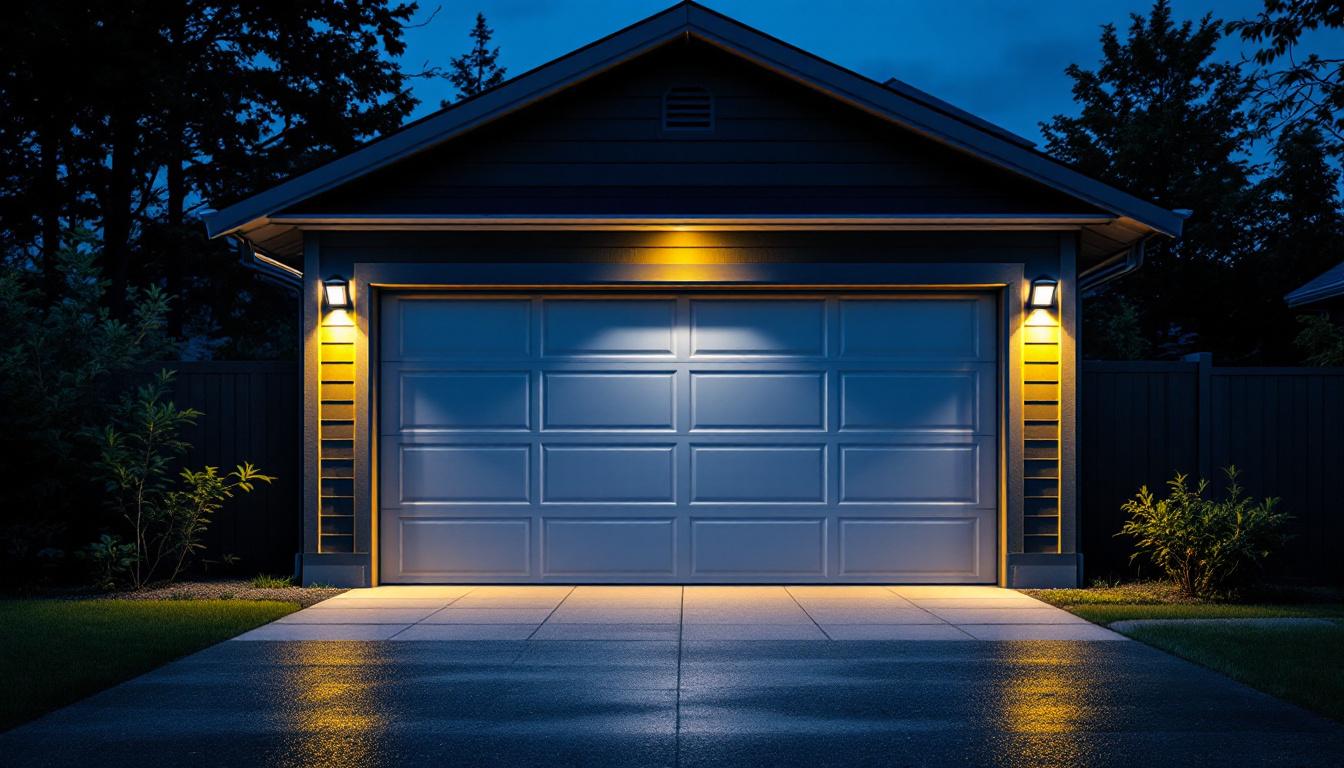
Outdoor entry lighting is more than just a functional necessity—it sets the tone for safety, security, and aesthetic appeal. For lighting contractors, mastering this niche means understanding how to balance brightness, energy efficiency, and design. The right outdoor entry light can transform a property’s curb appeal and provide peace of mind to homeowners and businesses alike.
Training your team to grasp these nuances ensures they deliver installations that meet client expectations and industry standards. It’s not just about wiring a fixture; it’s about crafting an experience that welcomes and protects.
Why Outdoor Entry Lighting Matters
Entryways are the first point of contact for visitors and passersby. Proper lighting here reduces accidents by illuminating steps and walkways, deters criminal activity by eliminating dark hiding spots, and highlights architectural features that enhance the property’s value. According to safety studies, well-lit entrances can reduce the risk of falls by up to 50% and discourage up to 30% of opportunistic crimes.
For contractors, understanding these benefits helps frame the conversation with clients, making it easier to recommend appropriate solutions and justify investment in quality fixtures and smart controls. Furthermore, the integration of smart technology, such as motion sensors and timers, allows for energy-efficient lighting that adapts to the needs of the property. This not only conserves energy but also enhances security by ensuring that lights are on when needed, creating a consistently safe environment.
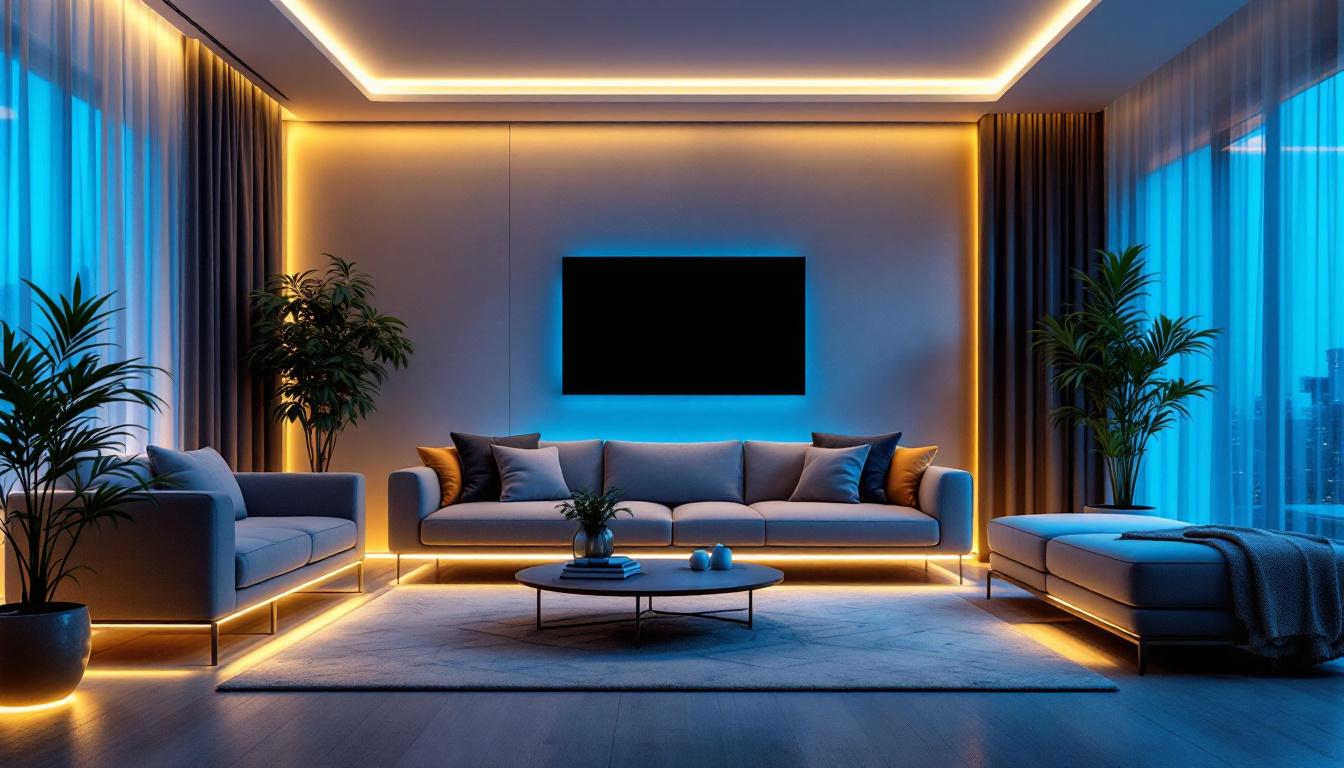
Moreover, the aesthetic aspect of outdoor entry lighting cannot be overlooked. A well-designed lighting scheme can accentuate landscaping, draw attention to unique architectural details, and create a welcoming atmosphere that reflects the homeowner’s personal style. By utilizing a combination of ambient, task, and accent lighting, contractors can create a layered effect that adds depth and character to the entryway, making it a focal point of the property. This attention to detail not only elevates the visual appeal but also increases the overall value of the home, making it an investment worth considering for any homeowner.
Core Training Topics for Your Team
Effective training programs focus on technical skills, product knowledge, and customer communication. Here are the essential areas to cover:
Lighting Design Principles
Start with the basics of lighting design. Teach your team about the different types of outdoor entry lights-wall-mounted sconces, post lights, recessed fixtures, and motion-sensor models. Explain how fixture placement affects light distribution and shadows.
Highlight the importance of color temperature and brightness. For entryways, a warm white (2700K to 3000K) is often preferred, as it creates a welcoming atmosphere without harsh glare. Brightness should be sufficient to illuminate pathways without causing light pollution or discomfort. Additionally, discuss how different color temperatures can influence mood and perception, allowing your team to tailor lighting solutions to specific client needs.
Encourage your team to explore the concept of layering light, which involves using multiple types of lighting to create depth and interest in a space. This can include ambient, task, and accent lighting, all of which play a crucial role in enhancing the overall aesthetic and functionality of outdoor areas.
Energy Efficiency and Sustainability
Energy-efficient lighting is a priority for many clients. Your team should be familiar with LED technology, which offers long lifespan and low power consumption. Training should cover how to select fixtures with the right lumen output and efficacy, ensuring compliance with local energy codes and standards.
Incorporate lessons on smart lighting controls such as timers, dimmers, and motion sensors. These devices optimize energy use and enhance security by activating lights only when needed. Moreover, discuss the broader implications of energy efficiency, including how it contributes to environmental sustainability and can significantly reduce utility costs for clients over time.
Introduce your team to the concept of renewable energy sources, such as solar-powered lighting solutions, which can be an attractive option for environmentally conscious clients. Understanding the benefits and limitations of these technologies will equip your team to offer comprehensive solutions that align with current trends in sustainability.
Installation Best Practices
Proper installation is critical to performance and durability. Train your team on wiring techniques, waterproofing, and fixture mounting. Emphasize adherence to electrical codes and safety protocols to prevent hazards and ensure long-term reliability.
Include troubleshooting exercises, so technicians can quickly identify and fix common issues like flickering, dimming, or sensor malfunctions. Additionally, provide hands-on workshops that simulate real-world installation scenarios, allowing your team to practice their skills in a controlled environment before facing actual client projects.
Encourage your team to stay updated on the latest tools and technologies that can aid in installation, such as laser levels and advanced diagnostic equipment. Familiarity with these tools can enhance efficiency and accuracy, ultimately leading to higher quality installations and increased customer satisfaction.
Customer Interaction and Consultation
Technical skills alone aren’t enough. Your team must confidently guide clients through product choices and explain the benefits of different lighting strategies. Role-playing scenarios can help build communication skills, enabling technicians to listen actively and address client concerns effectively.
Encourage your team to provide maintenance tips and demonstrate how to use smart controls, enhancing customer satisfaction and fostering repeat business. Additionally, train your staff on the importance of follow-up communication after a project is completed. This can include checking in with clients to ensure they are satisfied with their lighting solutions and offering assistance with any questions or issues that may arise.
Consider incorporating feedback mechanisms, such as surveys or informal check-ins, to gather insights from clients about their experiences. This information can be invaluable for continuous improvement and can help your team refine their approach to customer interactions, ultimately leading to stronger relationships and a more loyal client base.
Hands-On Training Techniques That Work
Engaging your team through practical experiences accelerates learning and retention. Here are some effective methods:
Live Demonstrations and Workshops
Set up mock entryway environments where trainees can practice installing various fixtures under supervision. Demonstrate the impact of different lighting angles and intensities, and let them experiment with sensor settings and timers.
Workshops also provide opportunities to discuss real-world challenges, such as dealing with uneven surfaces or integrating lighting with existing electrical systems. Furthermore, incorporating feedback sessions after each workshop can enhance the learning experience. Trainees can share their insights and challenges faced during installations, fostering a collaborative environment where everyone learns from each other’s experiences. This not only solidifies their understanding but also encourages innovative problem-solving techniques that can be applied in future projects.
Shadowing Experienced Technicians
Pair less experienced team members with veterans on actual job sites. Observing how seasoned professionals handle client interactions, troubleshoot problems, and adapt to unexpected conditions is invaluable.
This mentorship approach builds confidence and reinforces best practices in a real-world context. Additionally, encouraging shadowing across various roles within the team can provide a broader perspective on the workflow. For instance, having trainees spend time with project managers or customer service representatives can help them understand the importance of communication and teamwork in delivering successful projects. This holistic view not only enhances their technical skills but also cultivates a sense of ownership and accountability in their roles.
Use of Digital Tools and Simulations
Leverage lighting design software and apps that simulate outdoor lighting scenarios. These tools help trainees visualize the effects of different fixtures and layouts before installation, improving their design skills and decision-making.
Simulations can also be used to test energy consumption and compliance with lighting regulations, preparing your team to deliver solutions that are both attractive and code-compliant. In addition, incorporating virtual reality (VR) experiences can take this training to the next level. By immersing trainees in a simulated environment, they can practice their skills in a risk-free setting, experimenting with complex designs and troubleshooting without the pressure of a live job. This cutting-edge approach not only makes learning more engaging but also helps to bridge the gap between theoretical knowledge and practical application, ensuring that your team is well-prepared for any challenge they may face in the field.
Measuring Training Effectiveness and Continuous Improvement
Training is an ongoing process. Establish metrics to evaluate your team’s progress and identify areas for improvement.
Performance Assessments
Regularly test technical knowledge through quizzes and practical exams. Assess installation quality by reviewing completed projects, looking for adherence to standards and client satisfaction.
Encourage peer reviews and self-assessments to promote accountability and continuous learning.
Feedback Loops
Gather feedback from clients about the lighting installations and customer service experience. Share this information with your team to highlight successes and address shortcomings.
Host debrief sessions after major projects to discuss what went well and what could be improved, fostering a culture of transparency and growth.
Ongoing Education and Industry Updates
Lighting technology evolves rapidly. Keep your team informed about new products, energy codes, and design trends through regular training sessions, webinars, and trade shows.
Encourage certifications and professional development opportunities to maintain high standards and enhance your company’s reputation.
Conclusion: Building Expertise for Lasting Success
Training your team in outdoor entry lighting is an investment that pays dividends in quality, safety, and customer satisfaction. By focusing on design principles, energy efficiency, installation skills, and client communication, you equip your technicians to deliver superior results.
Hands-on practice, mentorship, and continuous evaluation ensure that your team stays sharp and adaptable. In a competitive market, this expertise sets your business apart and builds trust with clients who rely on your knowledge to light their way safely and beautifully.
Illuminate Your Projects with LumenWholesale
Ready to elevate your outdoor entry lighting projects with the finest selection of spec-grade lighting products? Look no further than LumenWholesale, where we offer contractors the best value in wholesale lighting. Our commitment to quality, affordability, and convenience ensures that you have access to top-notch lighting solutions that meet the highest industry standards. With free shipping on bulk orders, you can trust that you’re getting premium lighting without the premium price tag. Transform your lighting installations today with LumenWholesale, and give your clients the safety, beauty, and reliability they deserve.